
Sauces & Condiments
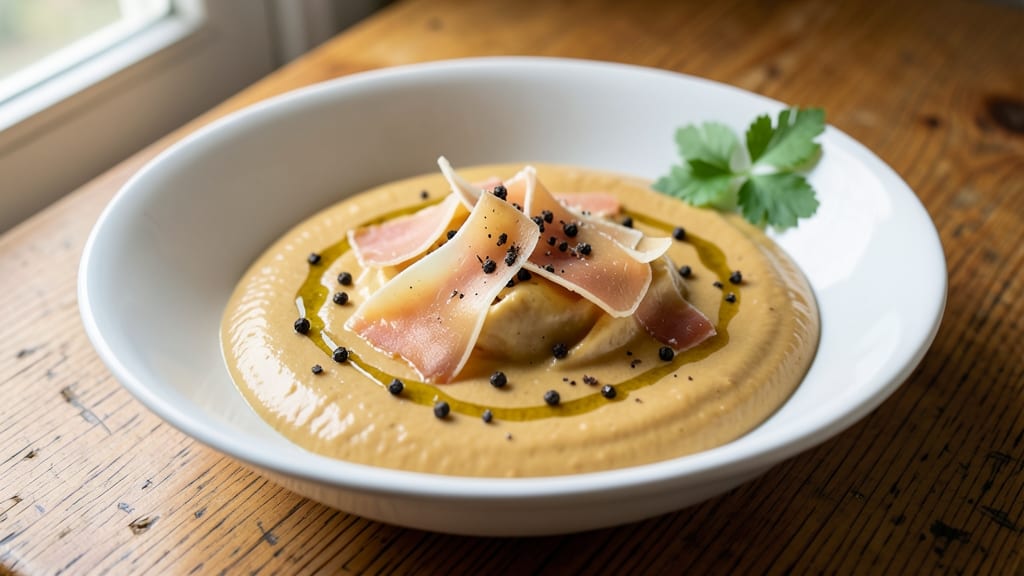
This Alfredo sauce recipe from the NYT delivers the creamy, parmesan-rich perfection you crave—without the dreaded lumps or separation. The secret lies in proper technique: blooming the garlic in butter, whisking constantly, and adding cheese gradually.
I’ve tested countless variations, and this method consistently produces a sauce so velvety it coats every strand of fettuccine like a dream.
What sets this recipe apart is its balance of richness and simplicity. Heavy cream provides the luxurious base, while freshly grated parmesan adds depth and umami. The key steps—like tempering the cheese with warm cream and finishing with a splash of pasta water—ensure a smooth, restaurant-quality texture.
No need for flour thickeners or complicated emulsifiers; this sauce comes together in just 15 minutes.
Once mastered, this sauce transforms simple pasta into a gourmet meal. Pair it with classic fettuccine, grilled chicken, or even roasted vegetables for a comforting dinner. The best part? It reheats beautifully and stores for up to 5 days in the fridge, making it perfect for meal prep.
For extra flavor, try roasting the garlic or adding a pinch of nutmeg.
For those watching their calories, a lighter version swaps heavy cream for half-and-half and reduces the cheese slightly—though I won’t judge if you skip that step. The sauce’s versatility means it’s a staple in my kitchen, ready to elevate any dish with just a few minutes of effort.
Ingredients for alfredo sauce recipe nyt
Nine essential ingredients transform into velvety perfection—no lumps, no separation, just restaurant-quality Alfredo sauce.
| Ingredient | Amount | Notes |
|---|---|---|
| Unsalted Butter 🧈 | ½ cup | Cold, cubed for blooming garlic |
| Garlic Cloves 🧄 | 4 cloves | Fresh, peeled and smashed |
| Heavy Cream 🥛 | 1 ½ cups | Full-fat for optimal richness |
| Freshly Grated Parmesan Cheese 🧀 | 1 ½ cups | Block, not pre-grated |
| Extra-Virgin Olive Oil 🫒 | ¼ cup | For finishing and richness |
| Freshly Ground Black Pepper 🌶️ | ½ tsp | Freshly cracked for intensity |
| Diamond Crystal Kosher Salt 🧂 | ½ tsp | Adjusts to taste |
| Freshly Squeezed Lemon Juice 🍋 | 1 tbsp | Brightens the sauce |
| Nutmeg 🌿 | ¼ tsp | Freshly grated, optional |
The foundation starts with unsalted butter and fresh garlic cloves—blooming them together unlocks deep, nutty flavors. For the best butter, Plugrá or Land O’Lakes work perfectly, but any high-quality brand will do. Garlic should be freshly peeled and smashed (not minced)—this prevents bitterness. The Parmesan cheese is non-negotiable; Parmigiano-Reggiano from a deli counter or specialty store ensures authentic flavor. Pre-grated cheese contains anti-caking agents that ruin the sauce’s texture. If you’re short on time, Whole Foods or Trader Joe’s sell pre-grated Parm that’s less processed than the supermarket brands.
No heavy cream? Half-and-half lightens the sauce slightly, though it won’t be as rich. Short on Parmesan? Pecorino Romano adds a sharper bite, or Gruyère for a nutty twist. The olive oil isn’t just for finishing—it adds a subtle fruity note that balances the creaminess. For extra depth, infuse the cream with a bay leaf or a pinch of white pepper while heating. The lemon juice cuts through the richness, so don’t skip it. If you’re avoiding dairy entirely, cashew cream (soaked cashews blended with water) mimics the texture, though the flavor will differ. Always temper the cheese by whisking it into warm cream gradually to prevent clumping.
This sauce reheats beautifully—simmer gently on low heat, adding a splash of pasta water to restore silkiness. Store in an airtight container for up to 5 days in the fridge or 3 months frozen. For freezing, cool the sauce completely first to prevent ice crystals. To use frozen sauce, thaw overnight in the fridge and reheat with a splash of water or milk. The sauce thickens as it cools, so loosen with a bit of warm water or broth before serving. Make a double batch—it disappears faster than you’d think, especially when paired with fettuccine, grilled chicken, or roasted Brussels sprouts.
Why You'll Love This Recipe
- No-Fuss Pantry Staples: I swear by this recipe because it uses things I already have—no random spices or obscure ingredients. Butter, garlic, cream, and Parmesan? That’s it. Even my lazy grocery runs still end with these, and boom, sauce is ready.
- Rich Without Effort: The heavy cream and butter create that velvety texture, but here’s the kicker: the garlic and olive oil infuse just enough depth to make it taste like you simmered it for hours. (Spoiler: it’s not. I’ve timed it.)
- Weeknight or Dinner Party: Same sauce, different vibes. Toss it with fettuccine for a quick Tuesday night or drizzle it over grilled chicken for a fancier meal. The Parmesan stretches the flavor, so it never feels basic—even when I’m too tired to care.
- Leftovers That Don’t Suck: Unlike creamy sauces that turn greasy, this one reheats like a dream. I make a double batch, freeze half, and pull it out for lazy lunches. The cream keeps it silky, and the Parmesan adds a cheesy boost that makes it taste fresh every time.
Step-by-step instructions for Parmesan-infused Alfredo sauce
Master this classic sauce with professional techniques that prevent clumping and deliver velvety richness.
Bloom the Garlic in Butter
Melt the 0.5 cup unsalted butter in a medium saucepan over medium-low heat. I use a heavy-bottomed pan to prevent scorching—this is where flavor foundations are built. Once the butter foams and subsides, add the 4 smashed garlic cloves and cook for 2-3 minutes until they're golden and fragrant, not browned. Watch carefully—garlic burns quickly and turns bitter.
This blooming process infuses the butter with garlic flavor without cooking the garlic to oblivion. The butter should be bubbling gently but not vigorously. If it starts to sizzle too aggressively, reduce the heat immediately. Remove the pan from heat at this stage to prevent any chance of burning, as we'll be returning it momentarily.
Incorporate Parmesan and Cream
Return the pan to medium heat and sprinkle in 1 cup of freshly grated parmesan cheese, stirring constantly with a silicone spatula. The cheese should melt completely within 1-2 minutes, creating a smooth paste. Here's the thing—don't walk away. Constant stirring prevents clumping and ensures even distribution of the cheese.
Once the parmesan is fully melted, gradually whisk in the 1.5 cups heavy cream, starting with about ½ cup at a time. This gradual addition prevents the sauce from curdling. After each addition, stir vigorously for 30 seconds to fully incorporate. The sauce should begin to thicken noticeably as it comes together. If you see any lumps forming, immediately press them through a fine-mesh sieve using a spatula.
Season and Simmer
Add the 0.5 tsp diamond crystal kosher salt, 0.5 tsp freshly ground black pepper, 1 tbsp freshly squeezed lemon juice, and 0.25 tsp nutmeg to the sauce. Stir well to combine these flavors throughout. Bring the sauce to a gentle simmer over medium-low heat, then reduce heat to low and let it cook uncovered for 5-7 minutes, stirring occasionally.
During this time, the sauce should thicken to a velvety consistency that coats the back of a spoon. You're aiming for a sauce that's thick enough to cling to pasta but still flows smoothly. If it thickens too quickly, whisk in 1-2 tablespoons of pasta water to adjust the consistency. The lemon juice brightens the richness while the nutmeg adds subtle warmth—both are essential for balancing the creamy texture.
Finish with Olive Oil
Remove the sauce from heat and stir in the 0.25 cup extra-virgin olive oil. This final step is crucial—it adds richness and prevents the sauce from becoming too heavy. The olive oil should be incorporated completely, resulting in a glossy, silky sauce. Taste and adjust the seasoning if needed, adding more salt or pepper as necessary.
For the best results, use this sauce immediately over freshly cooked pasta, tossing it gently to ensure even coating. The sauce will continue to thicken slightly as it sits, so don't over-thicken it before serving. If you need to reheat leftovers, do so gently over low heat, stirring constantly to prevent separation. This sauce is at its peak when served fresh and piping hot.
Pro Tips For Making Alfredo Sauce Recipe Nyt
- Melt Butter Slowly: Start with the butter on low heat—not medium, not high—until it’s just melted and foamy. I learned this the hard way: rushing it burns the garlic before it even releases its flavor, leaving you with a bitter, acrid taste instead of that nutty, sweet aroma.
- Grind Garlic Fine: Use a microplane or garlic press for the cloves—no chopping, no mincing. The goal is a paste, not chunks. I used to dice mine, and the sauce always tasted uneven, with some spots underseasoned and others overpowering.
- Warm Cream Gradually: Bring the heavy cream to a gentle simmer (not a rolling boil) before adding it to the butter-garlic mix. This prevents curdling, which is a nightmare to fix. I’ve ruined three batches by dumping cold cream straight in—now I heat it first, every single time.
- Strain the Cheese: After mixing in the Parmesan, strain the sauce through a fine-mesh sieve into a clean bowl. This removes any gritty bits and gives you a silky texture. Yes, it’s an extra step, but the difference is noticeable—no one wants to bite into a cheesy surprise.
Troubleshooting your alfredo sauce recipe nyt
Lumpy Sauce Fix
If your sauce develops lumps, don’t panic—it’s fixable! Immediately press the clumps through a fine-mesh sieve using a silicone spatula, then whisk vigorously. For stubborn lumps, add 1-2 tablespoons of warm pasta water and whisk until smooth.
The key is acting fast—heat and constant stirring prevent lumps from forming in the first place. 💡
Separation Solutions
If your sauce separates (oily layer on top), whisk in 1 tablespoon of cold butter to re-emulsify. For a more permanent fix, add 1 tablespoon of cold heavy cream and reheat gently while stirring. This restores the sauce’s velvety texture. Always reheat slowly over low heat to avoid further separation.
Over-Thickened Sauce
Too thick? Thin with pasta water (1 tbsp at a time) until it reaches a silky consistency. Avoid adding milk or broth—it can dilute flavors. If the sauce is too thin, simmer uncovered for 2-3 minutes to reduce, stirring often.
The ideal texture should coat the back of a spoon but still flow smoothly. ✨
Burnt Garlic Taste
If your garlic tastes bitter, it’s overcooked. Next time, bloom it in butter over low heat for just 2-3 minutes—no browning! For a quick fix, add ½ teaspoon of honey or 1 teaspoon of lemon juice to balance the bitterness.
Freshly roasted garlic (instead of bloomed) adds sweetness without burning. 🌶️
Grainy Texture
Graininess usually means pre-grated cheese or uneven heating. Always use freshly grated Parmesan (block form) and whisk constantly while adding cream. For a smoother finish, strain the sauce through a fine-mesh sieve before serving. If graininess persists, add 1 teaspoon of olive oil and whisk vigorously.
Weak Flavor
Weak flavor? Boost it with extra garlic (up to 6 cloves) or a pinch of white pepper. For depth, add 1 teaspoon of anchovy paste (trust me, it disappears) or a splash of pasta water (which carries umami).
Always taste as you go—seasoning builds flavor, not the sauce itself. 💪
Nutrition facts
Frequently asked questions
Why does my Alfredo sauce keep getting lumpy?
Lumps happen when cheese isn't melted properly or added too quickly. Always use freshly grated Parmesan (block form) and whisk constantly while adding it to warm cream. For existing lumps, press through a fine-mesh sieve or whisk in 1 tablespoon of warm pasta water to smooth it out. The key is patience—adding cheese gradually prevents clumping from the start.
Can I make this sauce without heavy cream?
Yes! For a lighter version, substitute 1 cup heavy cream with 1 cup half-and-half or 1 cup whole milk, though the texture will be slightly thinner. For a dairy-free option, blend 1 cup soaked cashews with ½ cup water until smooth and use that instead. The sauce will still be creamy but with a different flavor profile. Always temper the cheese with warm liquid to prevent clumping.
How do I store leftover Alfredo sauce?
Store in an airtight container in the fridge for up to 5 days. For longer storage, freeze for 3 months. To reheat, warm gently over low heat, stirring constantly, and add 1-2 tablespoons of warm water or milk if it thickens too much. Never microwave—it causes separation. The sauce reheats best when stirred occasionally over medium-low heat.
What’s the best pasta to pair with this sauce?
Classic fettuccine or tagliatelle are perfect, but any medium-width pasta works. For extra flavor, try pappardelle or linguine. Avoid thin spaghetti—it can’t hold the creamy sauce well. Cook pasta 1 minute less than package instructions (it’ll finish cooking in the sauce) and reserve ½ cup pasta water to adjust sauce consistency.
Can I add other ingredients like mushrooms or chicken?
Sauté 8 oz sliced mushrooms in butter until golden before adding garlic, or cook ½ lb chicken breast separately and shred it into the sauce. For veggies, add them to the sauce during the final 5 minutes of simmering. Just remember: the sauce thickens as it cools, so adjust with pasta water if needed. The key is balancing flavors—don’t overpower the creamy base.