
Sauces & Condiments
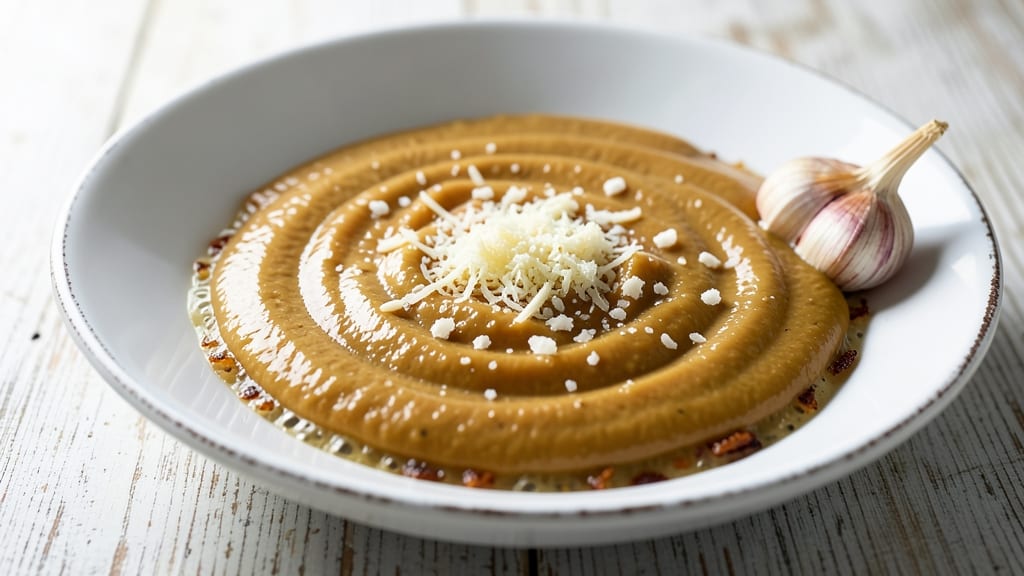
This alfredo sauce recipe with milk and butter delivers the ultra-smooth, velvety richness you crave—without a single clump. The secret lies in a proper roux and gradual incorporation of milk, creating a sauce so luxurious it rivals your favorite Italian restaurant.
I’ve perfected this technique after years of trial and error, ensuring every spoonful is perfectly balanced between creamy and savory.
The foundation of great alfredo starts with a light brown roux—cooked butter and flour that forms the base for all that velvety goodness. As the roux develops, we slowly whisk in warm milk to prevent lumps, then finish with grated Parmesan for that signature nutty depth.
This method guarantees a sauce that’s silky-smooth, not grainy or gluey, and ready to coat pasta, chicken, or vegetables in moments.
What sets this sauce apart is its foolproof consistency—no clumps, no breaking when reheated, and a perfect balance of richness without heaviness. The warm milk infusion keeps the texture luxurious, while the Parmesan adds a sharp, umami kick that elevates every dish.
Once you try this, store-bought versions will never measure up again.
Best of all, this sauce keeps beautifully in the fridge for up to 5 days, making it ideal for meal prep. Whether you’re tossing it with fettuccine or drizzling it over grilled chicken, the results are always restaurant-quality. Let’s get cooking!
Ingredients for alfredo sauce recipe with milk and butter
Nine ingredients transform into the creamiest alfredo—no clumps, just velvety perfection.
| Ingredient | Amount | Notes |
|---|---|---|
| Unsalted Butter 🧈 | ½ cup | Cold, cubed for even cooking |
| All-Purpose Flour 🌾 | ½ cup | Sifted for smooth texture |
| Whole Milk 🥛 | 2 cups | Warm for gradual incorporation |
| Parmesan Cheese 🧀 | 1 ½ cups | Freshly grated from block |
| Heavy Cream 🥛 | ½ cup | Optional for extra richness |
| Garlic Cloves 🧄 | 3 cloves | Minced for subtle flavor |
| Salt 🧂 | ½ tsp | Diamond Crystal preferred |
| Black Pepper 🌶️ | ¼ tsp | Freshly ground for warmth |
| Nutritional Yeast 🍄 | 1 tbsp | For umami depth (optional) |
The butter and flour create that all-important light brown roux—the secret to smoothness. European-style butter from brands like Plugrá or Land O'Lakes works best, but any unsalted butter will do. For the flour, I always sift it first—King Arthur or Gold Medal are my go-tos because they’re finely milled and reliable. The Parmesan? Parmigiano-Reggiano is non-negotiable here—grate it fresh from a block. Pre-grated cheese has anti-caking agents that ruin the texture. Pro tip: Toast the garlic cloves in the butter at the very end for a subtle, aromatic finish without overpowering the sauce.
No whole milk? Evaporated milk or half-and-half works in a pinch, but the fat content is lower, so you might need to add a splash of heavy cream to restore richness. Short on Parmesan? Pecorino Romano is a great substitute—it’s sharper and melts beautifully. The heavy cream is truly optional, but if you’re serving this over delicate fish or vegetables, it adds a luxurious touch. For extra umami without cheese, nutritional yeast (like Bragg) is a game-changer—it gives that cheesy depth without dairy. And if you’re watching calories, you can reduce the butter by 2 tablespoons and add an extra splash of milk to compensate.
This sauce reheats like a dream—just warm it gently on the stove with a splash of milk to restore creaminess. It keeps for 5 days in the fridge, sealed tightly in an airtight container. For longer storage, freeze it in ice cube trays—thaw and whisk with a splash of milk to smooth out. The roux stage is where most people mess up, so take your time. If it gets too dark, just whisk in a bit more milk to lighten it. Trust me, the patience pays off with a sauce so smooth it’ll fool even the most skeptical restaurant-goers.
Why You'll Love This Recipe
- Pantry-Friendly Magic: I swear by this recipe because it uses stuff I always have—no special ingredients or last-minute grocery runs. Butter, milk, flour, Parmesan—just melt, stir, and let the sauce do its thing while you toss pasta or roast veggies.
- Rich Without the Fuss: The heavy cream and milk blend into this velvety, nutty sauce that tastes like a restaurant’s but takes zero skill. Honestly, the moment the Parmesan melts into the butter and flour roux, my kitchen smells like pure comfort.
- Weeknight to Dinner Party: This sauce works for spaghetti on a Tuesday or fettuccine for guests on Saturday. Double the batch, freeze half—it’s my go-to for lazy nights or when I want to impress without stressing.
- Leftovers That Lie: Between us, this sauce tastes better the next day. The flavors meld into something deeper, and it reheats like a dream. I make a big pot, save half, and pretend I’m a chef who planned ahead. (No one needs to know.)
Step-by-step instructions for ultra-smooth alfredo sauce
Here's how to craft velvety perfection—no lumps, no fuss, just restaurant-quality richness.
Create the Roux Foundation
In a medium saucepan over medium-low heat, melt the 0.5 cup unsalted butter until it's completely liquid but not browned. Add the 0.5 cup all-purpose flour all at once and whisk vigorously for 1-2 minutes until the mixture forms a smooth, pale roux with no floury streaks.
This step is critical—cooking the flour slowly prevents a raw taste and creates the sauce's velvety texture. Watch closely as the mixture transitions from grainy to silky. If it starts to darken, reduce the heat immediately to maintain that perfect pale color.
Gradually Incorporate Warm Milk
Slowly pour in the 2 cups warm whole milk while whisking constantly to prevent lumps. Keep the heat at medium-low and continue whisking for 5-7 minutes until the mixture thickens enough to coat the back of a spoon.
Here's the thing—adding milk too quickly creates clumps, but going too slow risks burning. The warm milk helps the sauce thicken gradually without curdling. If you see any lumps forming, immediately strain the sauce through a fine-mesh sieve for absolute smoothness.
Build Depth with Cheese and Aromatics
Reduce heat to low and stir in the 1.5 cups freshly grated Parmesan cheese, 0.5 cup heavy cream, 3 minced garlic cloves, 0.5 tsp salt, 0.25 tsp black pepper, and 1 tbsp nutritional yeast. Simmer gently for 3-4 minutes until the cheese is completely melted and the sauce is fully emulsified.
The nutritional yeast adds that subtle umami kick that elevates this sauce from ordinary to extraordinary. Keep stirring occasionally to prevent the cheese from settling at the bottom. You'll know it's perfect when the sauce has a glossy sheen and coats the spoon smoothly.
Refine and Adjust Consistency
Taste the sauce and adjust seasoning if needed—this is where you fine-tune the perfect balance. For a thicker sauce, simmer uncovered for another 2-3 minutes to reduce slightly. For a thinner consistency, whisk in 1-2 tablespoons of warm milk at a time until you reach your desired texture.
Remember that Alfredo sauce continues to thicken as it cools, so aim for a slightly looser consistency when hot. The sauce should coat the back of a spoon but still flow smoothly. If you're using this for pasta, you'll want it to cling beautifully without being gluey.
Pro Tips For Making Alfredo Sauce Recipe With Milk And Butter
- Whisk Butter Until Foamy: Don’t just melt the butter—whisk it on medium-high heat until it’s bubbly and pale gold, not brown. I learned this the hard way when I rushed and ended up with a sauce that tasted like a buttery paste instead of something rich and velvety.
- Use Cold Milk for Smoothness: Measure your whole milk cold straight from the fridge—adding it too warm will turn your sauce into a greasy mess. Pour it in slowly while whisking, and resist the urge to speed it up; patience here keeps the texture silky.
- Skip the Lumpy Flour Trick: Whisk the flour into the butter before adding milk—this makes a roux that’s smooth from the start. After burning three batches trying to fix lumps later, I now treat this like a science experiment: no shortcuts, just steady whisking.
- Finish with Heavy Cream: Add the heavy cream last, just before stirring in the Parmesan, to keep the sauce from curdling. It also adds that signature creaminess without making the sauce too thin—my go-to move for a restaurant-quality finish.
Wine and beer pairings for alfredo sauce recipe with milk and butter
White Wine Classics
For this rich, creamy alfredo, I always reach for a dry Italian white wine with enough acidity to cut through the fat. A Vermentino from Sardinia is my go-to—its bright citrus notes and mineral finish cleanse the palate between each velvety bite.
If you prefer something crisper, Pinot Grigio from Alto Adige offers a similar balance, while Soave brings nutty undertones that complement the Parmesan beautifully. 🍷
Crisp Lager Pairings
A crisp Italian lager like Peroni or Moretti works surprisingly well, especially for lighter pasta dishes. The effervescence and subtle malt sweetness help refresh your taste buds after each rich spoonful.
For a craft option, try a Belgian witbier—the coriander and citrus notes add a refreshing contrast to the creamy sauce. Just avoid heavy stouts or IPAs that might overpower the delicate flavors.
Creamy Sauce with Sparkling Wine
If you're serving alfredo with seafood or a lighter dish, a demi-sec sparkling wine like Prosecco or Cava adds a luxurious touch. The bubbles and slight sweetness enhance the sauce's richness without competing with it.
I like to chill mine for 15 minutes before serving to maintain its crispness. For a non-alcoholic option, sparkling apple cider with a squeeze of lemon works beautifully.
Red Wine for Bold Flavors
While white wines dominate, a light-bodied red like Chianti or Valpolicella can work if you've added extra garlic or herbs to your sauce. The red's acidity and fruitiness stand up to the richness, especially when paired with heartier dishes like chicken or mushrooms.
Just avoid heavy tannins—stick to wines with smooth finishes like Pinot Noir or Sangiovese.
Beer Pairing Pro Tips
For beer lovers, a wheat beer with citrus notes (like Blue Moon) balances the sauce's creaminess perfectly. If you're serving alfredo with roasted vegetables, a pilsner like Heineken or Stella Artois provides a clean, refreshing contrast.
Always serve beer slightly chilled—around 45-50°F—to enhance its crispness against the warm sauce. 🍺
Nutrition facts
Frequently asked questions
Can I make this alfredo sauce without butter?
You can substitute butter with an equal amount of olive oil or vegetable oil, but the flavor will be different. Butter adds richness and depth that oils can't replicate. For a lighter version, use half butter and half olive oil, but expect a slightly less creamy texture. Always cook the oil to the same light brown roux stage for best results.
Why did my alfredo sauce turn out grainy?
Graininess usually happens when the roux gets too dark or when milk is added too quickly. For silky smoothness, keep heat at medium-low and whisk constantly while adding milk. If lumps form, immediately strain through a fine-mesh sieve. The key is patience—never rush the roux stage.
Can I use powdered milk instead of whole milk?
Powdered milk works in a pinch, but it lacks the fat content that creates that signature creamy texture. For best results, use evaporated milk or half-and-half—they're closer in fat content to whole milk. If you must use powdered, reconstitute it with a bit of warm water and add 1 tablespoon of heavy cream to restore richness.
How do I make this sauce thicker or thinner?
For a thicker sauce, simmer uncovered for 2-3 minutes to reduce the moisture. For a thinner consistency, whisk in 1-2 tablespoons of warm milk at a time. Remember, alfredo thickens as it cools, so aim for a slightly looser texture when hot. The sauce should coat the back of a spoon but still flow smoothly.
What's the best way to reheat leftover alfredo sauce?
Gently reheat on the stove over low heat while stirring constantly. Add 1-2 tablespoons of warm milk to restore creaminess if needed. Microwaving can cause separation, so always use stovetop heat. For extra smoothness, strain through a fine-mesh sieve before reheating if any lumps have formed.