
Sauces & Condiments
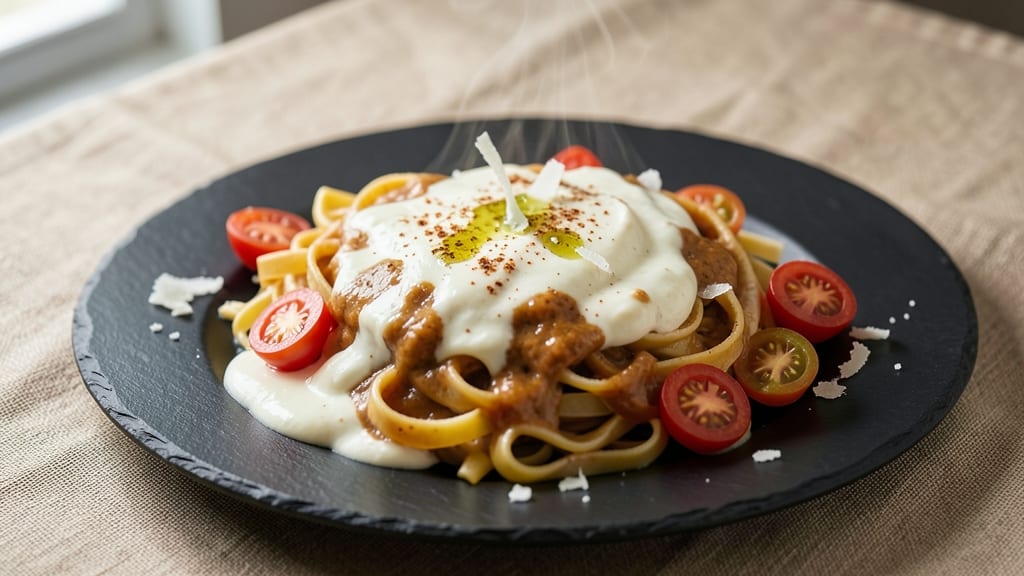
This Alfredo sauce recipe with milk and heavy cream delivers the velvety, buttery silk that clings perfectly to every strand of pasta—no lumps, no separation, just restaurant-quality richness in minutes.
The secret lies in a proper roux and gradual emulsification, transforming simple ingredients into a sauce so luxurious it feels indulgent. I developed this version after testing countless recipes, ensuring it's foolproof for home cooks while staying true to the classic Italian roots.
The foundation begins with equal parts milk and heavy cream, tempered with butter and flour to create a smooth, velvety base.
Unlike many recipes that rely solely on cream, this balance delivers creamy texture without heaviness, while the slow simmer ensures the sauce thickens just enough to coat pasta beautifully. For extra depth, a splash of white wine (optional) adds brightness, but the core remains pure, rich, and foolproof.
What sets this sauce apart is its emulsification technique—whisking in the dairy slowly while maintaining gentle heat prevents curdling, guaranteeing a silky finish. The result? A sauce so luxurious it transforms even the simplest pasta into a gourmet meal.
Whether you're serving fettuccine alfredo or drizzling it over grilled chicken, this recipe delivers consistent, professional results every time.
For those who prefer a lighter touch, reduce the cream slightly and add more milk, or boost richness with an extra tablespoon of butter. The key is patience—letting the sauce simmer until it reaches the perfect consistency ensures it coats each noodle without clumping. Let's make this sauce!
Ingredients for alfredo sauce recipe with milk and heavy cream
Nine ingredients create restaurant-quality Alfredo sauce with velvety silk that clings perfectly to every pasta strand.
| Ingredient | Amount | Notes |
|---|---|---|
| Unsalted Butter 🧈 | ½ cup | Cold, cubed for roux |
| All-Purpose Flour 🌾 | ½ cup | Diamond Crystal preferred |
| Whole Milk 🥛 | 1 cup | Room temperature preferred |
| Heavy Cream 🥛 | 1 cup | Full-fat for richness |
| White Wine 🍷 | ¼ cup | Dry variety, optional |
| Freshly Grated Parmesan Cheese 🧀 | ¾ cup | Block preferred, not pre-shredded |
| Garlic Cloves 🧄 | 2 cloves | Minced for depth |
| Salt 🧂 | ½ tsp | Diamond Crystal preferred |
| Freshly Ground Black Pepper 🌶️ | ¼ tsp | For finishing |
| Nutritional Yeast 🍄 | 1 tbsp | Optional for umami boost |
The butter and flour form the foundation of this sauce, so quality matters. European-style unsalted butter like Plugrá or Land O'Lakes Cultured Butter creates a richer flavor than generic brands. For the flour, Diamond Crystal absorbs more liquid than other brands, resulting in a smoother sauce. The milk and heavy cream should be room temperature to prevent lumps during emulsification. Organic Valley or Horizon brands work well, but any full-fat dairy will suffice. The Parmesan must be freshly grated from a block—pre-shredded contains anti-caking agents that prevent proper melting. For the garlic, Lundberg organic cloves have the best flavor intensity.
No white wine? Substitute with additional milk or chicken stock—just reduce the liquid by 1 tablespoon to maintain balance. Want to lighten the sauce? Replace half the heavy cream with evaporated milk. The nutritional yeast adds depth without dairy—Bragg or Bob's Red Mill are reliable brands. For a gluten-free version, swap the all-purpose flour for a 1:1 gluten-free blend like King Arthur. The key to success is patience—whisking in the dairy gradually prevents curdling, ensuring that silky finish.
This sauce reheats beautifully—simmer gently for 2-3 minutes to restore its velvety texture. Store in an airtight container in the refrigerator for up to 5 days. For longer storage, freeze in ice cube trays and transfer to a sealed container—3 months of freezer life. To prevent a skin from forming, press plastic wrap directly onto the surface before sealing. The sauce thickens as it cools, so add a splash of milk when reheating if needed. Portion into small containers for easy use with different pasta dishes.
Why You'll Love This Recipe
- Here’s what sold me: that perfect balance of creamy and tangy. The heavy cream makes it luscious, but the milk keeps it light, while the wine adds this subtle brightness that makes it taste restaurant-worthy. (Yes, even on a Tuesday night.)
- Pantry-Friendly Magic: I swear by this sauce because it uses what’s already lurking in my fridge—no special trips to the store. Butter, flour, milk, cream, and a splash of wine? That’s it. The roux builds rich flavor without fuss, and the wine cuts through the heaviness so it never feels like a chore.
- Velvet Smoothness: Here’s what sold me: that perfect balance of creamy and tangy. The heavy cream makes it luscious, but the milk keeps it light, while the wine adds this subtle brightness that makes it taste restaurant-worthy. (Yes, even on a Tuesday night.)
- Weeknight to Dinner Party: This sauce works for everything—toss it with pasta for a quick meal, drizzle it over grilled chicken, or use it as a base for veggies. I’ve even made a double batch and frozen half for lazy days. Honestly, it’s my go-to for when I need something impressive but don’t want to slave over it.
Step-by-step instructions for creamy Alfredo sauce
Here's the method for velvety perfection—rich, velvety, and perfectly balanced every time.
Create the Roux for Flavor Foundation
Melt the ½ cup unsalted butter in a heavy-bottomed saucepan over medium heat. Once fully melted and foaming subsides, immediately whisk in the ½ cup all-purpose flour to form a smooth paste. This is your roux—the flavor base for everything that follows.
Cook the roux for 2-3 minutes, stirring constantly, until it turns a pale golden color. You're looking for a nutty aroma to develop—this indicates the flour is fully cooked and ready to absorb liquids. If it darkens too quickly, reduce the heat slightly. This step is critical; an undercooked roux will taste raw, while an overcooked one will add bitterness to your sauce.
Gradually Incorporate Liquids
Slowly pour in the 1 cup whole milk and 1 cup heavy cream while whisking vigorously to prevent lumps from forming. The mixture will thicken immediately as the dairy absorbs into the roux. Keep the heat at medium-low and continue whisking for 3-5 minutes until the sauce begins to thicken and coat the back of a spoon.
Here's where patience matters: don't rush this process. The sauce needs time to emulsify properly. If it looks too thick, add 1-2 tablespoons of water to loosen it slightly. The goal is a smooth, velvety consistency that will cling beautifully to pasta without being gluey.
Build Depth with Aromatics and Wine
Reduce heat to low and stir in the 2 minced garlic cloves and 1 tablespoon nutritional yeast. Let the mixture simmer gently for 1 minute to allow the garlic to infuse its flavor without burning. This is where the sauce develops its complex character—garlic adds warmth, while nutritional yeast contributes a savory umami note that elevates everything.
Next, pour in the ¼ cup white wine (if using) and simmer for 2 minutes to allow the alcohol to cook off. You'll notice the sauce will bubble vigorously—this is normal. The wine not only adds brightness but also helps break down the flour proteins for an ultra-smooth texture. If you're skipping the wine, simply omit this step and proceed to the cheese.
Finish with Cheese and Seasoning
Remove the saucepan from heat and stir in the ¾ cup freshly grated Parmesan cheese until fully melted and smooth. The residual heat from the pan will help the cheese incorporate without scrambling. This is why freshly grated cheese is essential—pre-shredded varieties contain anti-caking agents that prevent proper melting and create grainy texture.
Return the sauce to low heat and season with the ½ teaspoon salt and ¼ teaspoon freshly ground black pepper. Stir constantly for 1-2 minutes to ensure even distribution. The sauce should now be luxuriously thick but still pourable. If it's too thick, thin with 1-2 tablespoons of warm milk or pasta water. Taste and adjust seasoning—Alfredo sauce should be rich but not overpowering.
Maintain Perfect Consistency
Keep the sauce at low heat while you cook your pasta, stirring occasionally to prevent a skin from forming. The ideal Alfredo sauce should cling to every strand of pasta without being gluey. If you notice the sauce thickening as it sits, simply whisk in a splash of warm milk or pasta water to maintain the perfect consistency.
When ready to serve, toss the drained pasta directly in the saucepan with the sauce. The residual heat will help the sauce cling beautifully to each noodle. For extra richness, you can also drizzle a bit of the sauce over the top before serving. This method ensures your Alfredo sauce remains velvety and perfectly balanced throughout the entire dish.
Pro Tips For Making Alfredo Sauce Recipe With Milk And Heavy Cream
- Cook Butter Slowly: Melt the butter over medium-low heat—no rush. I used to blast it and end up with nutty, burnt bits that ruined the sauce. Let it foam gently, then add the flour to avoid scorching.
- Whisk Like You Mean It: When combining milk and cream, stir constantly with a whisk or wooden spoon. I learned this the hard way—lumps form fast, and no amount of blending later fixes them. Keep it smooth.
- Deglaze with Wine First: Pour in the white wine before adding milk or cream. The alcohol burns off faster, and the sauce gets a brighter, cleaner flavor instead of a boozy aftertaste. Just let it simmer 30 seconds.
- Finish with Cold Cream: Stir in the heavy cream off the heat—hot cream curdles like a nightmare. I was skeptical until I tried it; the sauce stays silky, not grainy. (Yes, even if you’re impatient like me.)
Perfect pairings for these flavors
Pasta Pairings
This Alfredo sauce pairs best with fettuccine or tagliatelle—their wide, flat surfaces create the perfect surface area for sauce adhesion. I always use Bronze Die pasta from Barilla because the ridges help trap the sauce.
For a lighter option, try linguine or pappardelle, but avoid thin strands like spaghetti, which can overwhelm with too much sauce. 🍝
Protein Additions
Grilled chicken breast or shrimp adds a delightful contrast to the creamy sauce. I like to sear 6-ounce chicken cutlets in butter before tossing with the sauce, or sauté ½ pound shrimp in garlic until just pink.
For a vegetarian option, try roasted mushrooms or asparagus spears—their earthy flavors complement the richness beautifully.
Vegetable Enhancements
Add roasted broccoli or sautéed spinach for color and texture. I recommend blanching 1 cup broccoli florets for 2 minutes before adding to the sauce, or wilt 2 cups baby spinach directly in the saucepan for 1 minute off heat.
Sun-dried tomatoes or caramelized onions also add depth without overpowering the creamy base.
Bread and Dippers
No pasta dish is complete without garlic bread on the side. I use a French baguette toasted with 2 tablespoons olive oil and 3 minced garlic cloves, then sprinkled with ½ teaspoon dried parsley.
For dipping, try crusty breadsticks or pita chips—the sauce clings perfectly to their crispy edges.
Unexpected Twists
For a modern take, drizzle the sauce over seared scallops or grilled lobster tail—the buttery sauce enhances the natural sweetness. I've also used it as a base for Alfredo-stuffed shells or creamy baked ziti.
Even a simple caesar salad gets an upgrade when dressed with a light Alfredo version (reduce cream by half).
Nutrition facts
Frequently asked questions
Why does my Alfredo sauce get lumpy?
Lumps usually happen when the roux or dairy isn't properly emulsified. Always whisk vigorously when adding liquids to the roux, and keep heat at medium-low. For extra smoothness, strain the finished sauce through a fine-mesh sieve before serving. The key is patience—don't rush the whisking process!
Can I make this sauce without wine?
Simply omit the wine and reduce the milk by 1-2 tablespoons to maintain balance. The sauce will still be rich and creamy—just slightly less bright. For extra depth, add a pinch of lemon zest or a splash of pasta water instead. The wine mainly adds acidity, which helps prevent curdling.
How do I make this sauce thicker or thinner?
For a thicker sauce, simmer uncovered for 2-3 extra minutes to evaporate moisture. Need it thinner? Whisk in 1-2 tablespoons of warm milk or pasta water. The sauce should coat the back of a spoon but still be pourable. Over-thickening can make it gluey, while under-thickening may leave pasta dry.
What's the best way to reheat leftover Alfredo sauce?
Reheat gently over low heat while stirring constantly to prevent separation. Add 1-2 tablespoons of milk or water if it thickens too much. Never microwave—it causes the sauce to split. For best results, reheat just until warm, then stir in a pat of butter to restore creaminess.
Can I use half-and-half instead of heavy cream?
Yes, but your sauce will be less rich. Replace half the heavy cream with half-and-half for a lighter texture. For best results, use equal parts milk and half-and-half, then add an extra 1 tablespoon butter to compensate. The sauce will still be creamy but with a slightly different mouthfeel.