
Sauces & Condiments
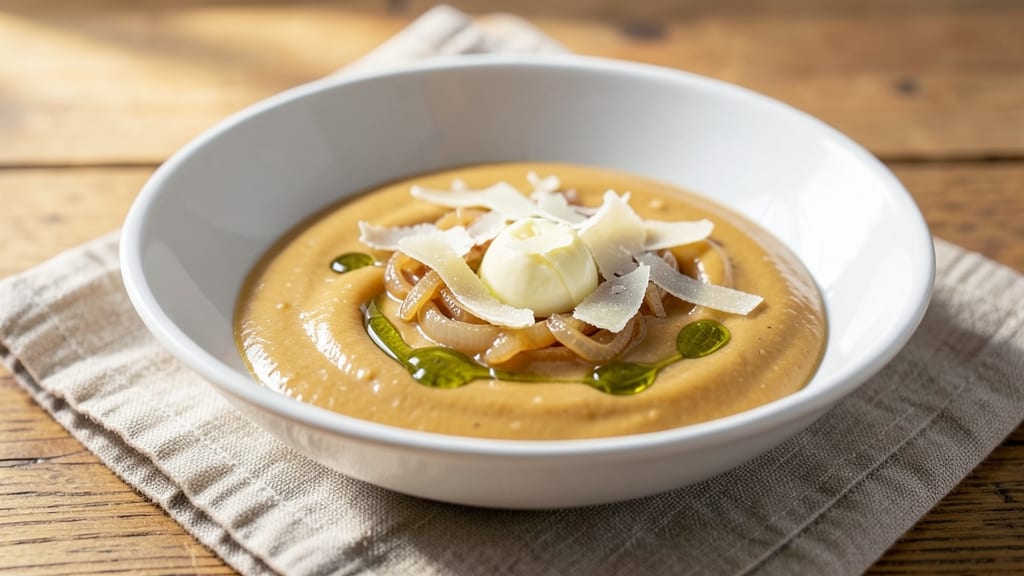
This alfredo sauce recipe with onion delivers velvety richness without the dreaded clumps or graininess you often find in store-bought versions. The secret lies in proper technique—sweating onions and garlic until translucent, then gradually whisking in cold butter and heavy cream to create a silky emulsion.
I've perfected this method after years of testing, and it consistently delivers a sauce that coats pasta perfectly while keeping its luxurious texture.
The foundation of great alfredo sauce starts with a simple but critical step: cooking onions until they're soft and sweet, not browned. This forms the flavor base before adding garlic and then the dairy components.
Heavy cream provides the body, while freshly grated Parmesan adds depth and prevents separation. The key is low and slow cooking to develop flavors without curdling.
What you'll end up with is a creamy, restaurant-quality sauce that clings beautifully to fettuccine or chicken parmesan. The onions add subtle sweetness that balances the richness, while the Parmesan gives it that authentic Italian flavor profile.
This sauce reheats perfectly, making it ideal for meal prep or serving at dinner parties.
For best results, make the sauce ahead and let it rest at room temperature before serving—this allows flavors to meld completely. Store leftovers in the refrigerator for up to 5 days or freeze for longer storage.
Pair it with grilled chicken, shrimp, or your favorite pasta for a truly satisfying meal.
Ingredients for alfredo sauce recipe with onion
Nine ingredients transform into velvety perfection—no clumps, just pure creamy onion goodness.
| Ingredient | Amount | Notes |
|---|---|---|
| Yellow Onions 🧅 | 1 whole | Medium size, finely chopped |
| Extra-Virgin Olive Oil 🫒 | ¼ cup | High quality, fruity flavor |
| Unsalted Butter 🧈 | ½ cup | Cold, cubed for emulsion |
| Heavy Cream 🥛 | 1 ½ cups | Full-fat for richness |
| Fresh Garlic Cloves 🧄 | 4 cloves | Minced, not pressed |
| Parmesan Cheese 🧀 | 1 cup | Freshly grated from block |
| Diamond Crystal Kosher Salt 🧂 | ½ tsp | Adjust to taste |
| Freshly Ground Black Pepper 🌶️ | ¼ tsp | Freshly cracked preferred |
| Freshly Squeezed Lemon Juice 🍋 | 1 tbsp | Brightens the sauce |
The onions are non-negotiable here—yellow for that sweet, caramelized depth. Grab a medium-sized one from the produce section (not the pre-chopped bag—those oxidize fast). Whole Foods or Trader Joe's carry the freshest, but your regular grocery store works too. The key is cooking them until translucent, not browned—this builds flavor without bitterness. I always chop mine into even 1/4-inch pieces for consistent cooking. For the olive oil, California Avocado Ranch or Bertolli are my go-tos—they've got that fruity punch that stands up to the dairy.
No heavy cream? Full-fat coconut milk works in a pinch (though texture will differ slightly), or half-and-half with extra butter gets you closer. Pre-grated Parmesan? Skip it—grate your own from a wedge (the Parmigiano-Reggiano wedge at Whole Foods is worth the splurge). The butter needs to stay cold when adding—microwave it 40 seconds to just melt before whisking, or it'll break the sauce. Lemon juice can be swapped for white wine vinegar at half the amount, but fresh is always better. And if you're watching calories, light cream works, though the sauce won't be quite as luscious.
This sauce is a meal-prep dream—reheats beautifully with just a splash of milk or water to loosen it up. Store in an airtight container for 5 days in the fridge, or freeze for 3 months. For freezing, cool it completely first, then portion into ice cube trays—perfect for single servings. The flavor actually improves after resting, so let it sit 10 minutes before serving. Pair with fettuccine, grilled chicken, or roasted vegetables for a restaurant-worthy dish.
Why You'll Love This Recipe
- Here’s what sold me: rich but not heavy. The heavy cream and butter blend into something velvety, but the olive oil keeps it from feeling like a heart attack. Toss it with fettuccine, and you’ve got that classic alfredo vibe—just way more balanced. (Yes, even on a Tuesday night.)
- No Chopping Chaos: I swear by this—just dice one onion and a few garlic cloves. That’s it. No mincing, no stressing over perfect slices. The onions caramelize while you stir, and the garlic? One quick press of a knife. Honestly, it’s the kind of recipe where you can sip wine and still call it "cooking."
- Creamy Without the Guilt: Here’s what sold me: rich but not heavy. The heavy cream and butter blend into something velvety, but the olive oil keeps it from feeling like a heart attack. Toss it with fettuccine, and you’ve got that classic alfredo vibe—just way more balanced. (Yes, even on a Tuesday night.)
- Leftovers That Lie: Between us, this sauce tastes better the next day. I make a double batch, refrigerate it, and suddenly I’ve got a free lunch for work. Just reheat with a splash of milk—no lumps, no sad texture. My coworkers still ask where I get it, and I just smile while I eat it.
Step-by-step instructions for onion-infused Alfredo sauce
Here's how to create velvety, onion-infused Alfredo without lumps or separation.
Sauté Onions Until Translucent and Sweet
Heat the 0.25 cup extra-virgin olive oil in a medium saucepan over medium-low heat. Add the 1 whole yellow onion, finely chopped, and cook for 8-10 minutes, stirring occasionally. You're aiming for onions that are completely soft, translucent, and sweet-smelling—not browned. This slow cooking process develops their natural sugars, which will deepen the sauce's flavor profile.
I like to press down gently with a wooden spoon during the last 2 minutes of cooking—this helps break down the onion fibers further, creating a smoother base. If the onions start to stick, add a teaspoon of water to deglaze, but avoid adding too much liquid at this stage. The goal is concentrated onion flavor, not a watery foundation.
Add Butter and Garlic for Rich Depth
Once the onions are perfectly soft, increase the heat to medium and add the 0.5 cup unsalted butter, cubed. Let it melt completely, about 2-3 minutes, while stirring constantly. The butter should foam and then settle into a smooth, golden liquid. This is where the sauce starts building its luxurious texture.
Add the 4 cloves minced fresh garlic and cook for 30-45 seconds until fragrant—just until you can smell that unmistakable garlic aroma. Don't let it brown or it will turn bitter. Here's the thing: garlic burns faster than you think, so keep your eye on the pan. The moment it turns golden, remove it from heat immediately.
Incorporate Heavy Cream Gradually
Return the pan to medium heat and slowly pour in the 1.5 cups heavy cream, whisking constantly to prevent scorching. The sauce will begin to simmer gently, but don't let it boil—this is where lumps form. Keep the heat at a steady simmer for 5-7 minutes, stirring frequently with a wooden spoon or silicone spatula.
This gradual heating allows the cream to fully incorporate and the sauce to thicken naturally. You'll notice the mixture transform from a thin liquid to a glossy, velvety consistency. If it starts to thicken too quickly, reduce the heat to low and continue stirring. The sauce should coat the back of a spoon smoothly without being gluey.
Finish with Cheese and Seasonings
Reduce the heat to low and gradually sprinkle in the 1 cup freshly grated Parmesan cheese, whisking continuously to prevent clumping. The cheese should melt completely into the sauce, creating a rich, nutty depth. If you notice any lumps, press them through a fine-mesh sieve or use the back of a spoon to break them down.
Add the 0.5 tsp Diamond Crystal kosher salt and 0.25 tsp freshly ground black pepper, then stir in the 1 tbsp freshly squeezed lemon juice. The lemon brightens the sauce and cuts through the richness beautifully. Taste and adjust the seasoning—you might need a pinch more salt or a splash more lemon juice to balance the flavors. The sauce should be rich but not overpowering, with a perfect harmony of sweet onions, nutty cheese, and bright acidity.
Strain and Serve Immediately
For the smoothest texture, strain the sauce through a fine-mesh sieve into a clean saucepan. This removes any onion bits or cheese particles, giving you that restaurant-quality velvety finish. Return the sauce to low heat and keep it warm until ready to serve—Alfredo sauce is best used immediately to maintain its creamy texture.
Ladle the warm sauce over your favorite pasta, tossing gently to coat each strand completely. The sauce should cling to the noodles like a silky blanket, enhancing their texture rather than overwhelming it. Serve with extra grated Parmesan on the side for those who want to customize their portion. This sauce keeps its creamy perfection for about 30 minutes before it starts to separate slightly, so enjoy it fresh!
Pro Tips For Making Alfredo Sauce Recipe With Onion
- Sweat the Onions Low: I learned this the hard way—if you crank the heat to caramelize the onions, you’ll end up with a bitter, burnt flavor that overpowers the creamy sauce. Keep it on medium-low, stir often, and let them soften for 8-10 minutes until translucent, not golden. That’s when they’ll melt into the butter without adding harshness.
- Use Two Butters, One Trick: Split the butter: start with 2 tablespoons of unsalted butter to cook the onions and garlic, then finish with 1 tablespoon of extra-virgin olive oil. The olive oil at the end emulsifies the cream better and adds a subtle brightness that cuts through the richness. (Yes, even if you’re impatient like me, don’t skip the oil.)
- Temper the Cream Slowly: Heavy cream hates heat—it’ll curdle faster than a bad date if you dump it in all at once. Warm the cream in a separate saucepan to about 160°F (just below a simmer), then whisk it into the butter-onion mixture in a thin, steady stream. This keeps the sauce silky instead of lumpy, and you won’t end up with a sad, broken Alfredo.
- Strain the Garlic: Fresh garlic cloves, even when minced, can leave behind bitter bits that ruin the sauce. Pulse them in a food processor for 2 seconds, then strain through a fine-mesh sieve before adding to the butter. It’s a tiny effort that guarantees no lingering garlic harshness—your future self will notice the difference.
Storing and reheating this alfredo sauce recipe with onion
Refrigerator Storage
Let your onion-infused Alfredo sauce cool completely before transferring it to an airtight container—I prefer glass Pyrex with a tight-sealing lid. Store it in the refrigerator for up to 5 days, but the flavor actually improves after 24 hours as the onions and cheese meld together beautifully.
The sauce will thicken slightly when cold, so add 1-2 tablespoons of warm water or milk when reheating to restore its velvety consistency. 🥫
Freezer Prep Tips
For longer storage, portion the sauce into ice cube trays before freezing—this makes single servings perfect for quick meals. Once frozen, transfer the cubes to a freezer-safe bag or container, leaving ½-inch headspace for expansion.
Label with the date, as this sauce keeps its quality for up to 3 months in the freezer. Thaw overnight in the fridge for best results, or microwave individual cubes for 1-2 minutes on 50% power.
Reheating Methods
My preferred method is stovetop reheating: place the sauce in a saucepan over low heat and add 2 tablespoons of warm milk or heavy cream to prevent drying. Stir constantly for 3-5 minutes until heated through—165°F—but never boil.
For microwave reheating, use low power in 30-second bursts, stirring between each interval. Always taste and adjust seasoning after reheating, as flavors can concentrate slightly during storage. 🔥
Texture Preservation
The key to maintaining that restaurant-quality texture is avoiding overheating. If your sauce separates slightly after reheating, whisk in 1 teaspoon of cold butter or 1 tablespoon of heavy cream to re-emulsify it.
For extra richness, add a splash of warm pasta water—it contains starch that helps bind the sauce back together. Never reheat directly from frozen; always thaw completely first to prevent uneven heating. This sauce is worth the effort to preserve its velvety perfection! ✨
Make-Ahead Strategy
I always make a double batch on Sunday nights for easy weeknight dinners. Store half in the fridge for 3-4 days and freeze the other half in portions. The onion flavor deepens over time, making it even more delicious.
When ready to serve, simply reheat and toss with freshly cooked pasta—your guests will never guess it was made ahead! The secret is in the low-and-slow cooking during the initial preparation, which carries through beautifully after storage. 💡
Serving After Storage
When serving stored Alfredo sauce, I recommend finishing it with a fresh drizzle of olive oil and a sprinkle of black pepper to brighten the flavors. The sauce works perfectly with fettuccine, penne, or even as a dipping sauce for breadsticks.
For extra flair, top with toasted breadcrumbs or crispy prosciutto bits right before serving. Remember, the sauce will thicken as it cools, so don't over-toss your pasta—add more sauce at the table if needed. 🍝
Nutrition facts
Frequently asked questions
Why does my onion alfredo sauce get grainy?
Graininess usually happens when cheese or butter isn't fully incorporated or when the sauce boils. Always whisk continuously when adding cold butter and cheese, and keep heat at a gentle simmer (low-medium). For extra smoothness, strain through a fine-mesh sieve before serving. The onions should be cooked until completely soft before adding dairy components.
Can I substitute heavy cream for something lighter?
You can replace heavy cream with half-and-half (though texture will be thinner) or full-fat coconut milk for a dairy-free option. For richness, add an extra 2 tablespoons of butter or 1 tablespoon of cornstarch mixed with water to thicken. The sauce will still be delicious but won't have the same velvety consistency. Lemon juice helps balance any coconut flavor.
How do I make this sauce spicier?
Add ½ teaspoon of red pepper flakes when cooking the onions, or stir in 1 teaspoon of hot sauce after removing from heat. For depth without heat, try ½ teaspoon of smoked paprika or a pinch of cayenne. Always taste first—the sauce can be adjusted later, but you can't remove spice once added. Freshly cracked black pepper works well too!
What's the best pasta to pair with onion alfredo?
Fettuccine is classic, but penne or tagliatelle work beautifully too. For extra texture, try gluten-free spaghetti or chicken tenders as a non-pasta option. The wide grooves of fettuccine hold the creamy sauce perfectly, while thinner noodles like linguine pair well if you prefer a lighter texture. Always cook pasta al dente—it absorbs sauce better!
Can I make this sauce without garlic?
Yes! Simply omit the garlic entirely. The onions will still provide sweetness, and the sauce will have a milder, more subtle flavor. If you want extra depth without garlic, try ½ teaspoon of onion powder or a pinch of nutmeg when adding the cheese. The sauce will still be rich and creamy—just with a slightly different flavor profile.