
Sauces & Condiments
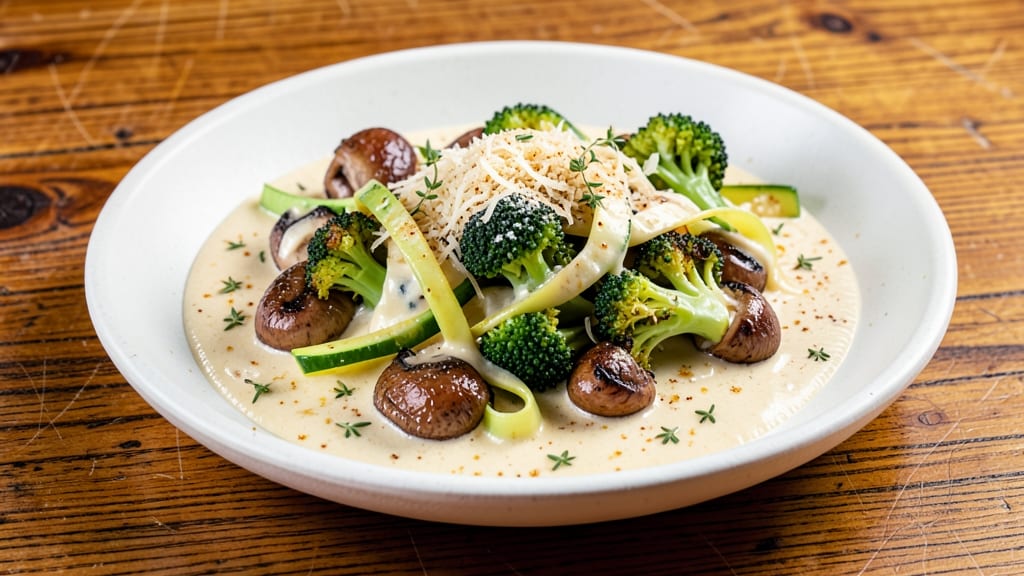
This one-pot creamy Alfredo sauce with vegetables recipe transforms ordinary pasta into an indulgent masterpiece with just 10 minutes of hands-on time. The secret lies in balancing rich butter, velvety cream, and sharp Parmesan—creating a sauce so smooth it clings to every noodle without breaking.
I developed this recipe after years of perfecting restaurant-quality results at home, ensuring the perfect balance of richness and herbaceous brightness.
The beauty of this sauce is its versatility—add sautéed mushrooms for earthy depth, wilted spinach for freshness, or zucchini for a lighter touch. For a traditional version, simply toss in your favorite cooked vegetables at the end, letting them absorb the sauce's luxurious creaminess.
The one-pot method eliminates cleanup while delivering professional-level flavor, making it ideal for weeknight dinners or special occasions.
What sets this recipe apart is its foolproof technique: no lumps, no separation, and no need for fancy equipment. The sauce achieves a creamy, velvety texture that coats pasta perfectly, while a touch of garlic and nutmeg adds aromatic complexity.
Whether you're serving it over fettuccine, chicken, or as a dipping sauce, this Alfredo delivers restaurant-quality richness without the hassle.
For those seeking lighter options, substitutions like Greek yogurt or cashew cream can replace the dairy while maintaining that signature velvety consistency. The sauce also freezes beautifully, so you can make a double batch and enjoy creamy Alfredo magic all season long. Let's create this timeless classic together.
Ingredients for alfredo sauce with vegetables
Ten ingredients for restaurant-quality Alfredo magic in one pot.
| Ingredient | Amount | Notes |
|---|---|---|
| Unsalted Butter 🧈 | ¾ cup | Cold, cubed for even melting |
| Heavy Cream 🥛 | 1 ½ cups | Full-fat for velvety texture |
| Fresh Garlic Cloves 🧄 | 4 cloves | Minced for aromatic depth |
| Fresh Parsley Stems 🌿 | ¼ cup | Lightly packed, for herbaceous notes |
| Fresh Thyme Leaves 🌿 | 1 tbsp | Or 1 tsp dried thyme |
| Ground Nutmeg 🌶️ | ¼ tsp | Freshly grated preferred |
| Diamond Crystal Kosher Salt 🧂 | ½ tsp | Adjust to taste |
| Freshly Grated Parmesan Cheese 🧀 | 1 cup | From a 12oz wedge |
| Vegetable Oil 🫒 | 2 tbsp | For sautéing vegetables |
| Assorted Fresh Vegetables 🥦🍄🥒 | 4 cups | Mixed broccoli, mushrooms, zucchini |
The butter and Parmesan are non-negotiable here. European-style unsalted butter melts smoother than American brands, and Parmigiano-Reggiano from a wedge (not pre-grated) gives that nutty depth. I grab mine at Whole Foods or my local Italian market—look for the 12oz wedge for perfect grating. Fresh herbs are worth the splurge too: Trader Joe's has great parsley and thyme bundles, but even the grocery store stuff works if it's vibrant. The garlic? Four cloves is your sweet spot—any more and it gets bitter. Toast the minced garlic in the butter for 30 seconds before adding cream; that's where the magic happens.
No heavy cream? Full-fat coconut milk works in a pinch, though the texture won't be identical. Short on fresh herbs? Dried thyme at one-third the amount gets you close, but you'll miss that bright freshness. Vegetable oil is just for sautéing—use whatever you've got, but avocado oil has a higher smoke point if you're searing. For the vegetables, broccoli florets and sliced mushrooms are my go-tos, but anything firm that holds shape works. Zucchini gets mushy fast, so add it last. Pre-grated Parmesan? Never. It's full of anti-caking agents that make the sauce grainy. Grate your own—it takes 2 minutes and changes everything.
This sauce keeps for 3-4 days in the fridge, but honestly, it's better the next day once everything melds. Freeze in 1-cup portions for up to 3 months—just thaw in the fridge overnight. For the vegetables, sauté them separately before adding to the sauce to avoid sogginess. Double the batch and freeze half—you'll thank me when you're craving creamy pasta on a Tuesday night. The sauce thickens as it cools, so thin with a splash of milk or pasta water if needed. And for the love of Alfredo, taste as you go. That's how you hit perfect seasoning every time.
Why You'll Love This Recipe
- No-Fuss Stovetop Magic: I swear by this sauce because it’s three ingredients, one pot—just butter, cream, and garlic until it’s velvety. The parsley and thyme tie it all together while I’m still chopping veggies. Honestly, if you can melt butter, you can do this.
- Rich Without the Guilt: That heavy cream and butter combo makes it ridiculously creamy, but the garlic and herbs keep it bright. It’s the kind of sauce that makes you pause mid-bite—smooth, bold, and just a little indulgent without feeling heavy.
- Weeknight to Dinner Party: Same sauce, endless uses. Toss it with roasted broccoli for a quick weeknight meal or drizzle it over grilled chicken for a fancier dinner. I’ve even used it as a pasta sauce and a veggie dip—flexibility like that is gold.
- Leftovers That Still Shine: This sauce actually improves the next day. Store it in the fridge, and the flavors meld even deeper. Reheat it gently, and it’s perfect for tossing with leftover noodles or spooning over steamed veggies—no one will guess it’s been sitting around.
Step-by-step instructions for one-pot creamy herb Alfredo sauce
This velvety sauce comes together in one pot with minimal cleanup—just follow these simple steps.
Sauté the Vegetables Until Tender
Heat the 2 tablespoons vegetable oil in a large, deep skillet over medium-high heat. Add the 4 cups assorted fresh vegetables (broccoli, mushrooms, and zucchini) and spread them out in an even layer. Let them cook undisturbed for 3-4 minutes until they begin to soften slightly at the edges.
Stir occasionally, making sure the vegetables get evenly browned but don't overcrowd the pan. You want them to develop a light caramelization before the sauce comes into play. If the pan gets too dry, add a splash of water—just enough to keep things moving smoothly. This step builds the foundation for the rich sauce to cling to the vegetables later.
Add Garlic and Build the Sauce Base
Push the sautéed vegetables to one side of the skillet and add the 0.75 cup unsalted butter to the empty space. Let it melt completely over medium heat, about 1-2 minutes, until it foams and turns golden. This butter will infuse the sauce with a rich, nutty depth.
Add the 4 cloves minced fresh garlic cloves and the 1 tablespoon fresh thyme leaves to the melted butter. Cook for 30 seconds until the garlic becomes fragrant but doesn't brown—burnt garlic can turn bitter. Stir the vegetables back into the pan to coat them in the garlic butter mixture. This step ensures every bite carries that aromatic punch.
Simmer the Cream and Cheese
Pour in the 1.5 cups heavy cream and bring the mixture to a gentle simmer over medium-low heat. Let it cook for 5-6 minutes, stirring occasionally, until the cream thickens slightly but doesn't curdle. You're looking for a silky, velvety texture—almost like a light custard.
Reduce the heat to low and gradually whisk in the 1 cup freshly grated parmesan cheese. Keep stirring until the cheese melts completely and the sauce becomes smooth and glossy. If the sauce starts to separate or looks too thick, add a splash of warm water or pasta water to loosen it. This is where the magic happens—the sauce transforms from a simple cream into a luxurious, cheesy delight.
Season and Finish with Herbs
Add the 0.5 teaspoon diamond crystal kosher salt and 0.25 teaspoon ground nutmeg, stirring well to distribute the flavors evenly. Taste and adjust the seasoning if needed—you might want a touch more salt or nutmeg to balance the richness.
Finally, stir in the 0.25 cup fresh parsley stems to add a bright, herbaceous note that cuts through the creaminess. Let the sauce simmer for another 2-3 minutes to let all the flavors meld together. The result should be a luscious, creamy sauce that clings beautifully to the vegetables and any pasta you serve it with.
Serve Immediately Over Pasta or Vegetables
Taste the sauce one last time and adjust the seasoning if necessary. Serve the creamy alfredo sauce immediately over cooked pasta, such as fettuccine or penne, or directly over the sautéed vegetables for a hearty vegetable dish. The sauce should coat everything in a velvety, cheesy layer that's rich but not overly heavy.
For extra flavor, garnish with additional freshly grated parmesan cheese and a sprinkle of black pepper. The key to this dish is serving it right away—Alfredo sauce doesn't reheat well, so enjoy it fresh while the sauce is still silky and the vegetables are tender. This one-pot wonder is perfect for a cozy weeknight dinner or an impressive vegetarian main course.
Pro Tips For Making Alfredo Sauce With Vegetables
- Infuse the Butter First: Melt the unsalted butter over medium heat until it’s just starting to foam—about 2 minutes—before adding garlic. This step caramelizes the butter slightly, giving the sauce a richer depth without burning the garlic. (Yes, even if you’re impatient like me, resist the urge to rush this.)
- Smash the Garlic: Instead of mincing, crush the garlic cloves with the flat side of your knife before adding them to the butter. This releases more flavor and prevents bitter allicin buildup. I learned this the hard way after burning three batches of sauce with over-minced garlic.
- Temper the Cream Slowly: Pour the heavy cream into the butter-garlic mixture gradually, whisking constantly to prevent curdling. If you dump it all in at once, you’ll end up with a lumpy sauce—and nobody wants that. Think of it like adding milk to a roux: patience wins.
- Strain the Herbs: After simmering the thyme and parsley stems with the sauce, strain them out before blending or serving. The stems add bitterness if left in, and you want the bright, clean herb notes to shine. (Does it look weird? Yes. Does it work? Every single time.)
Essential equipment for this dish
One-Pot Skillet
Your one-pot skillet is the MVP for this recipe—I swear by my 12-inch cast iron skillet from Lodge for even heat distribution and that perfect caramelization. The deep sides prevent spills when adding cream, and the heavy material maintains steady heat.
If you don’t have cast iron, a heavy-bottomed stainless steel skillet (like All-Clad) works just as well. Avoid nonstick—it can’t handle the high heat needed for proper browning. 🔥
Immersion Blender
An immersion blender (like the Ninja Foodi Magic Bullet) is my secret weapon for ultra-smooth Alfredo.
When you’re ready to combine the cream and cheese, drop the blender into the pan and blend for 10-15 seconds—this eliminates lumps and creates that silky texture without transferring the sauce to another pot.
If you don’t have one, whisk vigorously for 2-3 minutes over low heat, but you’ll need to be patient. 💫
Microplane Grater
Never use pre-grated Parmesan—it’s full of anti-caking agents that make the sauce grainy. A Microplane is the only tool worth using for freshly grating 1 cup of Parmesan from a wedge. It’s faster than a box grater and gives you that fine, powdery texture that dissolves perfectly into the sauce.
I keep mine on my countertop for quick grating of cheese, garlic, and even ginger. 🧀
Wooden Spoon
A long-handled wooden spoon (like OXO Good Grips) is essential for stirring the sauce without scratching your pan. Wood distributes heat evenly and won’t react with acidic ingredients like metal can.
Use it to scrape the bottom of the pan occasionally to prevent sticking—this ensures every bit of those flavorful browned bits gets incorporated into the sauce. 🥄
Fine-Mesh Strainer
For a perfectly smooth sauce, strain it through a fine-mesh strainer (like OXO Good Grips) before serving. This removes any herb stems or cheese particles that might make the texture uneven.
If you’re serving the sauce over pasta or vegetables, strain it directly into a serving bowl for a flawless finish. Skip this step if you love rustic texture, but I find it makes all the difference for a restaurant-quality result. 🌿
Nutrition facts
Frequently asked questions
Can I make this Alfredo sauce without heavy cream?
For a lighter version, substitute 1.5 cups heavy cream with 1 cup Greek yogurt plus 0.5 cup whole milk—this keeps the creaminess while reducing richness. Alternatively, use 1 cup cashew cream (soaked cashews blended with water) for a vegan option. The sauce will be slightly tangier but still velvety when properly emulsified.
Why did my Alfredo sauce get grainy?
Grainy texture usually means the cheese didn't melt smoothly. Always use freshly grated Parmesan (never pre-shredded) and whisk constantly while adding it to warm cream. If it happens, strain the sauce through a fine-mesh sieve or blend briefly with an immersion blender. For next time, lower the heat to low when adding cheese to prevent curdling.
What vegetables work best in this sauce?
Sturdy vegetables hold up best—try broccoli, mushrooms, asparagus, or roasted bell peppers for hearty options. For delicate veggies like zucchini or spinach, add them only at the end to prevent mushiness. The key is sautéing them first until tender-crisp before adding the sauce.
Can I make this sauce ahead of time?
Yes, but with caution. The sauce is best fresh, but you can prep it 1 day ahead by refrigerating it in an airtight container. Reheat gently over low heat, stirring constantly, and add a splash of milk or water if it thickens too much. For longer storage, freeze in 1-cup portions for up to 3 months—thaw overnight in the fridge.
How do I prevent the sauce from separating?
Separation happens when the sauce gets too hot or sits too long. Always keep heat at medium-low when adding cheese, and whisk constantly. If it separates, stir in 1 tablespoon cold butter or a splash of warm milk to re-emulsify. For extra stability, add 1/4 teaspoon cornstarch mixed with 1 tablespoon water at the end.