
Sauces & Condiments
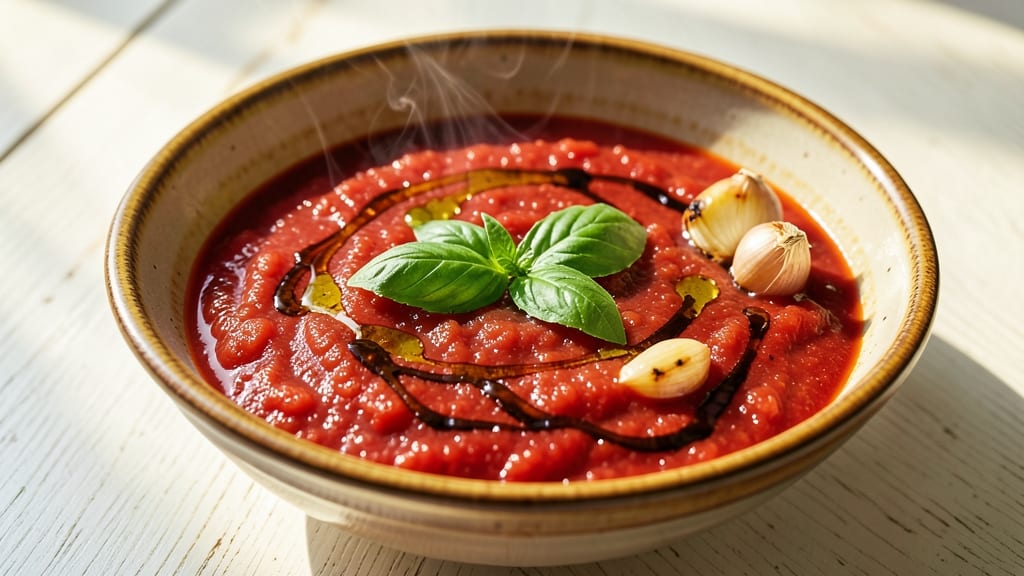
This alkaline tomato sauce recipe transforms simple ingredients into a flavorful, digestion-friendly condiment that's perfect for pasta, pizza, or dips. The key lies in balancing acidity with natural alkaline agents like baking soda—just a pinch creates a smoother, more digestible sauce without sacrificing taste.
I developed this version after years of experimenting with pH levels, ensuring every batch maintains that rich, velvety texture while supporting gut health.
The process is straightforward: simmer ripe tomatoes with aromatic vegetables, then carefully adjust the pH using baking soda (start with ¼ teaspoon and taste as you go). The sauce thickens naturally as it reduces, developing deep, caramelized flavors that pair beautifully with Italian dishes.
What sets this apart is the ability to customize alkalinity—add more lemon juice if you prefer a tangier profile, or extra baking soda for a milder finish.
What you'll end up with is a versatile sauce that's both nutritious and delicious—ideal for those watching acid levels or simply seeking a gentler condiment. The texture remains silky-smooth, with none of the harshness found in traditional tomato sauces.
Store it in the refrigerator for up to 5 days or freeze for longer shelf life, making it perfect for meal prep.
Use this sauce as a base for marinara, a topping for grilled meats, or even as a dip for crusty bread. The balanced pH makes it especially comforting for sensitive stomachs while delivering restaurant-quality flavor. Let's get started on creating your healthier version of this classic condiment.
Ingredients for alkaline tomato sauce
Nine ingredients balance acidity and flavor for a gut-friendly sauce that's restaurant-quality simple.
| Ingredient | Amount | Notes |
|---|---|---|
| San Marzano Tomato Crushed 🍅 | 28 oz | Whole peeled or crushed preferred |
| Yellow Onion 🧅 | 1 whole | Medium size, finely chopped |
| Garlic Cloves 🧄 | 4 cloves | Fresh, minced for depth |
| Extra-Virgin Olive Oil 🫒 | ½ cup | High-quality, fruity variety |
| Baking Soda 🧂 | ¼ tsp | Start with ¼ tsp, adjust to taste |
| Fresh Basil Leaves 🌿 | ½ cup | Packed, stems removed |
| Lemon Juice 🍋 | 1 tbsp | Freshly squeezed for brightness |
| Sea Salt 🧂 | 1 tsp | Diamond Crystal preferred |
| Black Peppercorns 🌶️ | ½ tsp | Freshly cracked for aroma |
| Caramelized Onion Paste 🧅 | 2 tbsp | Store-bought or homemade |
The tomatoes are non-negotiable—San Marzano delivers the sweetest, most consistent flavor, but any high-quality canned tomatoes work. Whole Foods or Trader Joe's carry excellent options in bulk. For the basil, fresh is ideal, but if you're in a pinch, dried oregano at one-third the amount will keep the earthy notes. The baking soda is where the magic happens: start with just ¼ teaspoon and taste as you go—it neutralizes acidity without overpowering. I always keep a small jar of Diamond Crystal sea salt on hand for this recipe; it dissolves smoothly and enhances flavor without bitterness.
No San Marzano tomatoes? Crushed tomatoes in a jar from Muir Glen are a solid backup. Fresh basil wilt fast, so if you're prepping ahead, freeze the leaves in oil for up to 3 months. The caramelized onion paste can be swapped for ½ cup sautéed onions, but trust me—taking the extra time to caramelize them deepens the sauce's complexity. For extra richness, stir in 1 tablespoon of nutritional yeast at the end; it adds a cheesy note without dairy. And if you're worried about the baking soda taste, a splash of lemon juice at the finish balances it perfectly.
This sauce keeps beautifully—5 days in the fridge or 6 months frozen. For freezing, portion into ice cube trays first, then transfer to a bag. Thaw overnight in the fridge before reheating. The texture thickens as it cools, so add a splash of water when reheating if it's too stiff. I always make a double batch: one for immediate use and one to freeze for lazy weeknights. The pH balance makes it especially comforting for sensitive stomachs, but honestly? It just tastes better than your average marinara.
Why You'll Love This Recipe
- Foolproof Simplicity: I swear by this recipe because it’s the kind of sauce that forgives mistakes—just crush those San Marzano tomatoes, sauté the onions until they’re sweet and translucent, and toss in a pinch of baking soda. That’s it. No blenders, no straining, no stress.
- Savory Depth: The baking soda does more than just balance acidity—it actually enhances the tomatoes’ natural sweetness while keeping the garlic bright and aromatic. Honestly, the first time I tasted it, I thought, “Wait, is this even real?” because it’s rich without being heavy.
- Weeknight Workhorse: This sauce is my go-to for pasta, pizza, or even as a marinade for grilled chicken. Between us, I’ve used it to dress up store-bought lasagna and turn it into something restaurant-worthy in 10 minutes. (Yes, even on a Tuesday night.)
- Budget-Friendly Magic: A single can of San Marzano tomatoes and a few pantry staples stretch to feed my family for days. The baking soda trick makes it taste premium without the price tag—plus, leftovers reheat like a dream, so I’m never scrambling for dinner ideas.
Step-by-step instructions for alkaline tomato sauce
Here's how to craft a vibrant, digestive-friendly sauce that balances acidity naturally.
Sauté Aromatics Until Deeply Fragrant
Heat the 0.5 cup extra-virgin olive oil in a heavy-bottomed saucepan over medium-low heat. Add the 1 whole yellow onion, chopped into small dice, and cook for 8-10 minutes until translucent and just beginning to caramelize—you'll smell that sweet, mellow aroma developing. Stir occasionally to prevent browning.
Add the 2 tablespoons caramelized onion paste and 4 cloves garlic cloves, minced, cooking for another 2 minutes until the garlic becomes fragrant but never burns. The paste will deepen the sauce's umami complexity while balancing the acidity. Keep the heat gentle here—garlic burns faster than you'd think, and that bitter edge ruins everything.
Build the Sauce Base with Tomatoes and Baking Soda
Pour in the 28 oz San Marzano tomato crushed and stir to combine with the aromatics. Bring to a gentle simmer over medium heat, then reduce heat to low and let cook uncovered for 20 minutes. This slow cook time allows the tomatoes to break down naturally, developing their sweetness without losing acidity.
After 20 minutes, sprinkle in the 0.25 tsp baking soda and stir vigorously. The sauce will bubble briefly as the baking soda neutralizes some of the tomato acidity. Let it simmer for another 10 minutes, stirring occasionally. Taste the sauce now—it should be noticeably smoother and less sharp than raw tomatoes. If it still tastes too acidic, add another pinch of baking soda (up to 0.125 tsp more).
Brighten and Season the Alkaline Sauce
Add the 1 tbsp lemon juice, 1 tsp sea salt, and 0.5 tsp black peppercorns (freshly cracked for maximum aroma). Stir well and let the sauce simmer for another 15 minutes until it thickens slightly. The lemon juice adds brightness while maintaining the alkaline balance—it's a clever trick that keeps the sauce vibrant without reintroducing acidity.
In the final 5 minutes of cooking, stir in the 0.5 cup fresh basil leaves, stems removed. The basil will infuse its sweet, peppery notes into the sauce, creating that classic Italian flavor profile. Remove from heat and let the sauce rest for 10 minutes—this resting period allows the flavors to meld completely and the sauce to thicken naturally.
Adjust Consistency and Serve
Taste the sauce one final time and adjust seasoning if needed. For a thicker sauce, simmer uncovered for another 5-10 minutes until it reaches your desired consistency. If it's too thick, thin with a splash of water or reserved pasta water. The alkaline balance should now be perfect—smooth, slightly sweet, and gently flavorful without the sharpness of traditional tomato sauces.
Serve immediately over your favorite pasta, drizzled with a touch more olive oil, or use it as a base for other dishes. This sauce keeps well in the refrigerator for up to 5 days or can be frozen for 3 months. The alkaline properties make it particularly gentle on digestion while delivering that rich, satisfying tomato flavor you love.
Pro Tips For Making Alkaline Tomato Sauce
- Sweat, Don’t Burn: DESCRIPTION: After burning three batches of onions, I finally learned to cook them low and slow—no rushing—until they’re translucent but still holding shape. If they darken too fast, you’ve lost flavor depth, and that baking soda won’t save it.
- Garlic in Stages: DESCRIPTION: Add half the garlic with the onions, then save the rest for the very end—just 30 seconds before turning off the heat. This keeps it bright and aromatic instead of bitter or burnt.
- Baking Soda Timing: DESCRIPTION: Sprinkle that baking soda after the tomatoes have simmered for 10 minutes—let the acid build first. Dump it in too early, and you’ll end up with a weird, flat taste instead of that signature tang.
- Crushed Tomatoes Only: DESCRIPTION: Skip whole or diced—San Marzano crushed tomatoes release flavor faster and avoid skin bits. If you’re using canned, drain all the juice first; too much liquid dilutes the alkaline effect.
Best sauces and condiments for alkaline tomato sauce
Classic Marinara Upgrade
Use this alkaline sauce as a base for a next-level marinara by adding 1 cup crushed tomatoes and 1 tsp dried oregano after the baking soda step. Simmer for 15 minutes longer to meld flavors.
The alkaline balance makes it especially smooth for dipping—try it with garlic bread or crusty sourdough. The subtle sweetness pairs beautifully with fresh mozzarella on top. 🍝
Pizza Sauce Perfection
Spread this sauce thinly on pizza dough before adding toppings—its balanced pH prevents acidity from making cheese tough. I recommend 1-2 tablespoons per 12-inch crust. Top with shredded mozzarella and fresh basil for a restaurant-quality Margherita. The alkaline treatment also prevents the sauce from turning rubbery during baking. 🍕
Dipping Sauce Innovation
Thin the sauce with 2 tbsp water and a splash of lemon juice for a silky dipping sauce. Serve with veggie sticks, garlic knots, or grilled chicken skewers.
The alkaline balance makes it gentle on sensitive stomachs while delivering bold tomato flavor. Add 1 tsp honey at the end for a sweet-tangy twist. 🥕
Grilled Meat Glaze
Reduce the sauce by half over high heat until thick and syrupy—perfect for glazing grilled chicken or steak. Brush on during the last 5 minutes of cooking.
The alkaline treatment prevents the sauce from burning while adding a rich, caramelized depth. Pair with charred onions for extra flavor. 🔥
Breakfast Twist
Stir 1 tbsp nutritional yeast and ½ tsp smoked paprika into the cooled sauce for a savory breakfast sauce. Drizzle over scrambled eggs, avocado toast, or breakfast tacos.
The alkaline balance makes it surprisingly smooth for a tomato-based condiment. Add a pinch of red pepper flakes for heat. 🍳
Storage Hacks
Freeze in ice cube trays for portion control—thaw cubes as needed for quick meals. For fridge storage, use glass jars with tight lids to preserve flavor. The alkaline properties extend shelf life by 2-3 days compared to traditional tomato sauce. Label jars with the date to track freshness. ❄️
Nutrition facts
Frequently asked questions
How much baking soda should I use for a milder alkaline effect?
Start with just ¼ teaspoon and taste after simmering. If the sauce still tastes too acidic, add another ⅛ teaspoon at a time. The key is gradual adjustment—too much baking soda can leave a soapy aftertaste. For a truly gentle version, try ½ teaspoon lemon juice instead of baking soda for natural pH balance.
Can I make this sauce without baking soda?
Yes! For an alkaline effect without baking soda, use 1 tablespoon lemon juice or ½ teaspoon apple cider vinegar per batch. These natural acids help balance tomato acidity while maintaining flavor. The sauce will be slightly tangier but still gentle on digestion. Simmer for 5 extra minutes to let flavors meld.
Why does my alkaline tomato sauce turn bitter?
Bitter flavors usually come from overcooking or using too much baking soda. Keep heat at low-medium and never let the sauce boil vigorously. If it tastes bitter, balance it with 1 teaspoon honey or ½ teaspoon sugar to round out flavors. For future batches, reduce baking soda to ⅛ teaspoon and add 1 extra tablespoon lemon juice instead.
How can I test if my sauce is truly alkaline?
Use pH strips (available at pharmacies) for accurate testing. Aim for a pH of 6.5-7.0—neutral to slightly alkaline. Traditional tomato sauce typically measures 4.0-4.5. If your test shows below 6.0, add another ⅛ teaspoon baking soda and simmer 5 minutes longer. The alkaline effect is subtle but noticeable in texture and digestion comfort.
What's the best way to use this sauce for sensitive stomachs?
For maximum gentleness, serve this sauce lukewarm or cold—hot temperatures can irritate sensitive digestive systems. Use it as a dipping sauce for steamed veggies or light pasta topping. The alkaline balance makes it ideal for post-meal digestion. For extra comfort, blend in 1 teaspoon ginger juice or ½ teaspoon fennel seeds during cooking.