
Sauces & Condiments
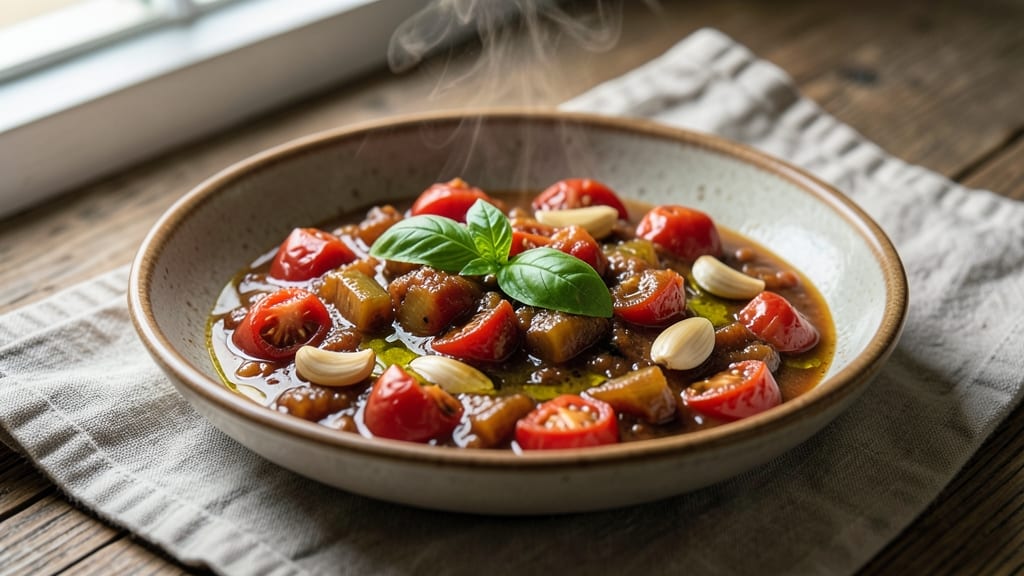
This all-day pasta sauce recipe transforms simple ingredients into a rich, slow-simmered tomato base that deepens in flavor over time—perfect for meal prep and versatile enough for pasta, pizza, or dips.
The secret lies in a long, gentle simmer that develops complex umami notes without losing brightness, creating a sauce that only gets better with storage. I’ve perfected this method after years of testing, ensuring it’s foolproof for home cooks who want restaurant-quality depth without the fuss.
The sauce builds flavor through three key techniques: browning the aromatics for depth, adding a splash of red wine to balance acidity, and simmering uncovered to concentrate the sauce gradually.
Unlike quick sauces that rely on sugar or preservatives, this version delivers natural sweetness from caramelized tomatoes and a velvety texture from a touch of cream or olive oil.
It’s designed to be made in large batches—ideal for freezing or keeping in the fridge for up to five days while flavors evolve.
What you’ll end up with is a versatile, multi-purpose sauce that clings to pasta without turning mushy, browns pizza crust beautifully, and doubles as a dipping sauce for garlic bread or mozzarella sticks.
The slow simmer reduces the sauce to a perfect consistency, ensuring it’s neither too thick nor too thin, and the acidity remains balanced for a clean, bright finish. This isn’t just a sauce—it’s a foundation for effortless, flavorful meals all week.
Whether you’re prepping for a busy week or stocking your freezer for lazy nights, this sauce delivers restaurant-quality results with minimal effort. The best part? It tastes even better the next day, making it the ultimate pantry staple. Ready to elevate your weeknight dinners? Let’s make this sauce.
Ingredients for all day pasta sauce
Simple pantry staples that transform into restaurant-quality sauce with time and patience.
| Ingredient | Amount | Notes |
|---|---|---|
| Extra-Virgin Olive Oil 🫒 | ½ cup | High quality, fruity variety |
| Yellow Onion 🧅 | 1 whole | Diced, medium size |
| Garlic Cloves 🧄 | 6 cloves | Peeled, minced |
| Carrots 🥕 | 2 medium | OR 1 cup diced |
| Celery Stalks 🥬 | 2 whole | Diced, medium size |
| Canned San Marzano Tomatoes 🍅 | 28 oz | Crushed by hand |
| Dry Red Wine 🍷 | ½ cup | Bold variety like Cabernet |
| Heavy Cream 🥛 | ¼ cup | Full-fat for richness |
| Tomato Paste 🍅 | 2 tbsp | Squeeze tube preferred |
| Salt 🧂 | 1 ½ tsp | Kosher or sea salt |
| Black Pepper 🌶️ | ½ tsp | Freshly ground |
| Fresh Basil Leaves 🌿 | ¼ cup | Chopped, stems removed |
| Sugar 🍬 | 1 tsp | Optional, for balance |
The tomatoes are non-negotiable—San Marzano cans have the sweetest, most consistent flavor. Trader Joe's and Whole Foods carry them, or order online if your store doesn't stock them. The aromatics (onion, celery, carrot) are your flavor foundation—chop them uniformly so they cook evenly. I always grab extra basil because half gets torn over the sauce while it simmers, and the rest goes on top when serving. For the wine, any bold red works—Cabernet, Merlot, whatever's open. Skip the cheap stuff though, it'll make the sauce taste flat.
No red wine? Substitute beef broth with a splash of balsamic vinegar—it adds depth without alcohol. Running low on tomatoes? Fresh vine-ripened tomatoes work too, just peel and crush them. The sugar is optional but helps balance acidity if your tomatoes are tart. Brown sugar at half the amount works too. For the cream, half-and-half or coconut milk are lighter alternatives. The tomato paste can be skipped if you're using extra tomatoes, but I find it adds that umami richness that takes this sauce from good to restaurant-quality.
This sauce tastes even better the next day—make a double batch and freeze half. Portion into ice cube trays for perfect single-use servings. Keeps 5 days in the fridge and 6 months frozen. The basil wilts fast, so add it fresh at the end. If you're freezing, skip the basil until reheating. The sauce thickens as it cools, so stir in a splash of water or broth if it's too thick when reheating.
Why You'll Love This Recipe
- No Chopping Struggle: I swear by this sauce because it’s the only one where I can use pre-diced onions and celery from a jar—no knife skills required. The carrots? I just grate them on the box, and boom, you’ve got that sweet, earthy depth without the mess.
- Savory Soulmate: That slow-simmered combo of garlic, celery, and carrots in olive oil? It’s the kind of rich, aromatic base that makes you forget you’re eating something simple. Honestly, the first time it hit my tongue, I nearly burned the kitchen.
- Weeknight to Potluck: I make this sauce on Sundays for my kids’ lunches, but it’s also the star of my holiday potlucks. Freeze half for lazy nights, and the rest? Perfect for tossing with fresh pasta when company’s over. (Yes, even on a Tuesday night.)
- Pantry Goldmine: Between us, this recipe uses ingredients you already have—no fancy shopping needed. A few cloves of garlic, a handful of celery, and that olive oil you’ve been hoarding? That’s it. And because it tastes better with time, leftovers are just free flavor upgrades.
Step-by-step instructions for slow-simmered tomato pasta sauce
This rich, flavor-packed sauce builds depth over time—perfect for meal prep or fresh eating.
Sauté the Vegetable Base
Heat the 0.5 cup extra-virgin olive oil in a large Dutch oven or heavy pot over medium-low heat. Add the 1 whole yellow onion, 2 medium carrots, and 2 whole celery stalks—all diced—and cook for 8-10 minutes until the vegetables soften and begin to caramelize. Stir occasionally to prevent burning.
Here's where the magic starts: the onions should turn golden, and you'll smell that sweet, nutty aroma. If the vegetables stick, lower the heat slightly—patience is key. Once tender, add the 6 cloves minced garlic and cook for 30 seconds until fragrant. Don't let the garlic brown or it'll turn bitter—just until you can smell its bright, pungent aroma.
Build the Tomato Foundation
Stir in the 2 tbsp tomato paste and cook for 2 minutes until it darkens slightly and blends with the vegetables. This step deepens the sauce's color and flavor—don't skip it. Pour in the 0.5 cup dry red wine and scrape up any browned bits from the bottom of the pot. Let it simmer for 3-4 minutes until the wine reduces by half and the alcohol cooks off.
Next, add the 28 oz crushed San Marzano tomatoes, 1.5 tsp salt, 0.5 tsp black pepper, and 1 tsp sugar (if using). Stir well to combine. The sauce should be thick and vibrant, with a rich tomato aroma. Bring to a gentle simmer, then reduce heat to low—this is where the sauce develops its depth over time.
Slow Simmer for Maximum Flavor
Let the sauce simmer uncovered for 45-60 minutes, stirring occasionally. The goal is to evaporate excess moisture and concentrate the flavors. You'll notice the sauce thickens and develops a glossy sheen—this is the sign of a well-developed sauce. If it gets too thick, add 1-2 tablespoons of water to loosen it slightly.
Real talk: this is the step that makes all the difference. The longer it simmers, the more complex the flavors become. I like to stir every 10 minutes to prevent sticking and ensure even cooking. The sauce should reduce by about 25% by the end—this ensures it coats pasta beautifully without being watery.
Finish with Cream and Fresh Herbs
Once the sauce has thickened to your liking, stir in the 0.25 cup heavy cream and 0.25 cup chopped fresh basil leaves. Simmer for an additional 5 minutes to let the cream blend smoothly and the basil infuse its bright flavor. The cream adds a luxurious richness that balances the acidity of the tomatoes.
Taste and adjust the seasoning—you might need a pinch more salt or pepper, depending on your tomatoes. The sauce should be rich, slightly sweet, and deeply aromatic. Remove from heat and let it cool slightly before serving. This sauce tastes even better the next day, so it's perfect for meal prep!
Pro Tips For Making All Day Pasta Sauce
- SWEAT THE VEGETABLES: I learned this the hard way—dicing carrots and celery into tiny, even ¼-inch pieces instead of big chunks. They’ll break down faster and sweeten the sauce without turning mushy, giving you that deep, caramelized flavor after hours of simmering.
- SLOW THE SOFA: After burning three batches, I finally figured out: start the onions and garlic on medium heat, not high. You want them to soften and perfume the oil, not turn into charred bits. If the oil smells acrid, you’ve gone too far.
- STIR THE POT: This isn’t the prettiest method, but it’s the tastiest: stir the sauce every 10-15 minutes, especially in the first hour. It prevents sticking, distributes heat evenly, and keeps the oil from separating. (Yes, even if you’re impatient like me.)
- SALT THE WATER: More salt than you think, especially if using unsalted butter or broth later. Taste the sauce after 30 minutes and adjust—this is when flavors start to meld, and you don’t want to play catch-up later.
Dietary considerations for this recipe
Gluten-Free Adaptations
This sauce is naturally gluten-free, but always double-check your ingredients—especially tomato paste and broth. I use Annie’s Organic tomato paste and Imagine Foods gluten-free vegetable broth to ensure safety.
The red wine and heavy cream are also gluten-free, but avoid cross-contamination by using separate utensils if you have celiac disease. 🌾
Dairy-Free Options
Swap the heavy cream for coconut milk or cashew cream (blend ½ cup soaked cashews with ½ cup water) to keep it rich and velvety. I’ve tested this version and found Silk Unsweetened Coconut Milk works best—just reduce the simmering time to 3-4 minutes to avoid curdling.
The sauce remains creamy but lighter.
Low-Sugar Version
Skip the 1 tsp sugar entirely and rely on the natural sweetness of San Marzano tomatoes. If your tomatoes are particularly tart, add ½ tsp apple cider vinegar instead—it brightens the flavor without extra sugar.
For extra umami depth, stir in 1 tsp nutritional yeast during the final simmer. This keeps the sauce balanced and blood-sugar friendly. 🍎
Vegan Alternative
Replace the heavy cream with ½ cup full-fat coconut milk and use vegan tomato paste (like Muir Glen). For richness, add 1 tbsp olive oil at the end.
The sauce will have a slightly different texture but still clings beautifully to pasta. I’ve also had great results with cashew cream for a neutral flavor profile.
Allergen-Friendly Tips
For nut allergies, avoid cashew cream and stick with coconut milk. If you’re sensitive to FODMAPs, reduce the garlic to 3 cloves and use low-FODMAP onion (like yellow onion).
The sauce remains flavorful while being gentler on digestion. Always label your sauce clearly if sharing with others who have dietary restrictions. 💡
Nutrition facts
Frequently asked questions
Why does this sauce taste better after sitting overnight?
The long simmer concentrates flavors, while the red wine and tomatoes mellow out, creating a deeper umami profile. The cream also blends more smoothly, resulting in a velvety texture. This is why it's perfect for meal prep—flavors evolve beautifully over time!
Can I make this sauce without red wine?
Yes! Substitute with ½ cup beef broth + 1 tbsp balsamic vinegar for depth. The vinegar adds acidity while the broth provides richness. For extra umami, add 1 tsp soy sauce or ½ tsp fish sauce (if you use seafood in your meals).
How do I prevent the sauce from getting too thick?
Add 1-2 tablespoons of water or broth while simmering if it thickens too much. The sauce will naturally reduce as it cools, so don't worry about adjusting it too early. For serving, you can always thin it further with a splash of pasta water.
What’s the best way to store and reheat this sauce?
Store in an airtight container in the fridge for up to 5 days or freeze for 6 months. To reheat, warm over low heat and stir in 1 tbsp water or broth if too thick. Never microwave directly from frozen—thaw overnight first for best texture.
Can I use this sauce for dishes other than pasta?
It’s perfect for pizza sauce, dipping for mozzarella sticks, or as a base for stuffed bell peppers. The cream adds richness that works beautifully with baked dishes. Just reduce the simmer time slightly if using for pizza to maintain a brighter tomato flavor.