
Sauces & Condiments
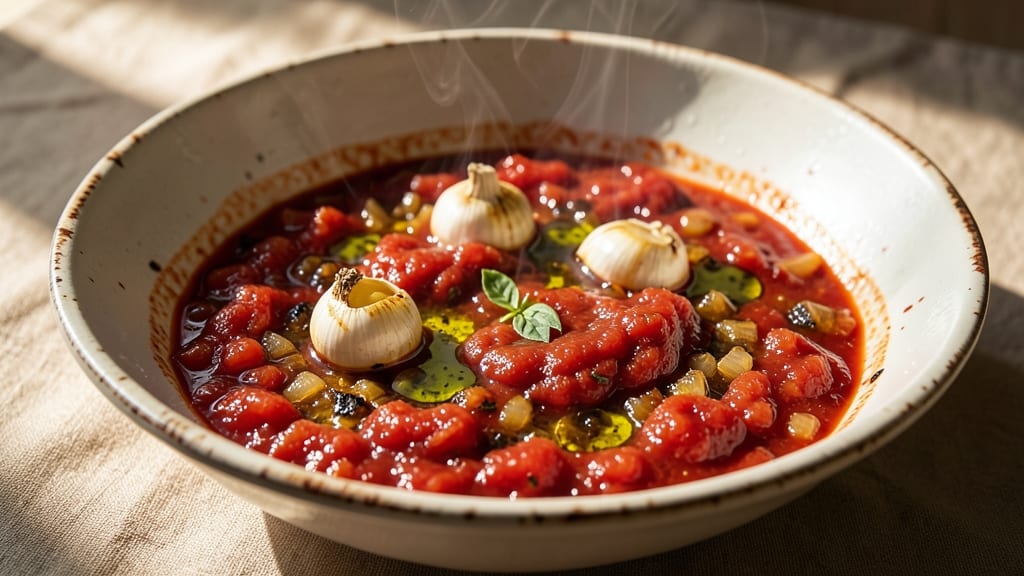
This all day tomato sauce recipe transforms simple crushed tomatoes into a rich, velvety masterpiece with layers of flavor that only develop through hours of slow simmering. The secret lies in balancing sweetness, acidity, and fresh basil at the perfect moment—no shortcuts, just deep, restaurant-quality depth.
I’ve perfected this sauce over years of testing, and it’s the foundation for everything from pasta to braised meats. What sets this sauce apart is the patience: simmering for 4-6 hours reduces it to a concentrated, glossy consistency while caramelizing the natural sugars.
Aromatics like garlic and onion build a savory base, while a splash of red wine adds complexity that store-bought sauces can’t match. The fresh basil added at the end brightens the sauce without overpowering its rich, umami core.
By the time you’re done, you’ll have a sauce so versatile it elevates any dish—slather it over al dente pasta, use it as a dip for crusty bread, or braise proteins in its luxurious depths. The best part?
It tastes even better the next day, making it ideal for meal prep or gifting in jars. Store it in the fridge for up to 5 days or freeze for months—just thaw and reheat gently to preserve its silky texture. Here’s how to make it.
Ingredients for all day tomato sauce
Simple pantry staples that transform into velvety, restaurant-worthy sauce through patience and love.
| Ingredient | Amount | Notes |
|---|---|---|
| Crushed Tomatoes (46 oz can) 🍅 | 1 can | San Marzano preferred for sweetness |
| Yellow Onion 🧅 | 1 ½ cups | Finely diced, about 1 large |
| Garlic Cloves 🧄 | 6 cloves | Minced, not pressed |
| Extra-Virgin Olive Oil 🫒 | ½ cup | For richness, not cooking |
| Dry Red Wine 🍷 | ½ cup | Bold Cabernet or Merlot |
| Tomato Paste 🍅 | 2 tbsp | Squeeze tube or canned |
| Kosher Salt 🧂 | 1 ½ tsp | Diamond Crystal preferred |
| Fresh Basil Leaves 🌿 | ½ cup | Packed, stems removed |
| Ground Black Pepper 🌶️ | ½ tsp | Freshly cracked |
| Sugar 🍬 | 1 tbsp | Balances acidity |
The tomatoes are the foundation—San Marzano if you can find it, but any good crushed tomatoes work. I grab mine from Trader Joe's when they're on sale, but the store brand at Walmart or Kroger is fine too. The key is checking the sugar content: lower is better, but if yours is super sweet, you might skip the added sugar. For the aromatics, fresh garlic (not jarred) makes all the difference—it mellows beautifully during the long simmer. The onion should be sweet, not bitter, so grab a yellow or white one from the store's produce section.
No red wine? Substitute with beef broth plus a splash of balsamic vinegar—it adds depth without alcohol. Fresh basil is ideal, but dried oregano at one-third the amount works in a pinch (though it won't be as bright). Running short on tomato paste? Extra crushed tomatoes will do, just add an extra pinch of sugar to balance. The sugar is crucial—it caramelizes during simmering, creating that glossy, rich texture. If your tomatoes are particularly tart, you might need up to 2 tbsp instead of 1. And trust me, don't skip the wine—it's what takes this sauce from good to extraordinary.
This sauce only gets better with time—4-6 hours is ideal, but if you're short on time, at least 2 hours will give you decent depth. Store it in clean glass jars with a thin layer of olive oil on top to preserve the basil's color. Keeps in the fridge for 5 days and freezes beautifully for up to 6 months. I always make a double batch: one jar for the fridge, one for the freezer. The freezer version is perfect for lazy weeknights—just thaw and reheat gently. Pro tip: Add a splash of water or broth when reheating if it thickens too much.
Why You'll Love This Recipe
- No Chopping Needed: I swear by this—just dice that onion and minced garlic once, then let the sauce do all the work. The wine deglazes the pan while you stir, so no extra cleanup.
- Wine-Infused Depth: That splash of dry red wine? It’s not just fancy—it melts into the tomatoes, adding a rich, earthy note that turns basic sauce into something restaurant-worthy. (Yes, even on a Tuesday night.)
- Weeknight to Potluck: Simmer it for pasta, ladle it over grilled chicken, or freeze half for future lazy dinners. It’s my go-to when I need one thing to stretch into three meals without repeating myself.
- Budget-Friendly Luxury: A single can of tomatoes, a cheap bottle of wine, and a handful of pantry staples make this taste like a splurge. Honestly, I’ve fed six people for under $10 with this—no one’s complaining.
Step-by-step instructions for slow-simmered tomato sauce
Here's how to build rich, balanced tomato sauce that gets better with time.
Sauté Onions and Garlic in Olive Oil
Heat the 0.5 cup extra-virgin olive oil in a large, heavy-bottomed pot over medium heat. Add the 1.5 cups finely diced yellow onion and cook for 8-10 minutes until soft and translucent, stirring occasionally. You'll know it's ready when the onions release their moisture and begin to caramelize slightly at the edges.
Reduce heat to medium-low and add the 6 cloves minced garlic. Cook for 1-2 minutes until fragrant but not browned—garlic burns quickly, and you want that sweet aroma to develop without bitterness. Stir constantly during this step to prevent burning. The garlic should perfume the oil beautifully, setting the foundation for your sauce.
Deglaze with Wine and Add Tomato Paste
Pour in the 0.5 cup dry red wine and scrape up any browned bits from the bottom of the pot with a wooden spoon. This deglazing step captures all the flavor you've built so far. Let the wine simmer for 3-4 minutes until it reduces by about half and the alcohol smell dissipates—you'll know it's ready when the liquid looks syrupy and the wine's acidity softens.
Next, stir in the 2 tablespoons tomato paste and cook for 1-2 minutes until it darkens slightly. This paste will thicken your sauce and deepen its color, creating that classic Italian tomato sauce richness. The paste should blend completely with the onions and garlic, forming a smooth base before adding the tomatoes.
Build the Sauce with Crushed Tomatoes
Pour in the 1 can crushed tomatoes and add the 1.5 teaspoons kosher salt and 0.5 teaspoon ground black pepper. Stir well to combine, then bring the mixture to a gentle simmer. The sauce should bubble softly—if it boils vigorously, reduce the heat to maintain a steady simmer.
Let it cook uncovered for 30-40 minutes, stirring occasionally. You're looking for the sauce to reduce and thicken slightly, with the flavors melding together. The acidity from the tomatoes will soften, and the natural sweetness will emerge. This slow simmering is where the magic happens—it allows the flavors to develop depth and complexity.
Balance Flavors and Finish with Sugar
After the initial simmer, taste the sauce and adjust the seasoning if needed. Add the 1 tablespoon sugar now to balance any remaining acidity from the tomatoes. Stir well and let the sauce simmer for another 10-15 minutes, until it reaches your desired consistency—it should coat the back of a spoon but still be smooth and pourable.
Remove the pot from heat and stir in the 0.5 cup fresh basil leaves. Let the basil steep in the warm sauce for 5 minutes, then use a slotted spoon to remove the leaves. This step infuses the sauce with bright, fresh basil flavor without making it too leafy. The sauce should now have a perfect balance of sweetness, acidity, and herbal notes.
Rest and Serve
Let the sauce rest for 10-15 minutes before serving. This resting time allows the flavors to fully meld and the sauce to thicken slightly as it cools. The sauce will continue to improve over time, so don't rush this step—patience is key to achieving that restaurant-quality depth.
Serve the sauce warm over your favorite pasta, with crusty bread, or alongside grilled meats. The sauce should be rich, balanced, and full of layered flavors—sweet from the tomatoes and sugar, bright from the basil, and deep from the slow simmering. Store any leftovers in an airtight container in the refrigerator for up to 5 days, or freeze for up to 3 months for future use.
Pro Tips For Making All Day Tomato Sauce
- Sweat the Onion First: I learned this the hard way—skipping the sweat step makes your sauce taste raw and bitter. Dice the onion small, cook it in olive oil over medium heat for 8-10 minutes until soft and translucent (no browning yet), and stir often. This builds flavor that just won’t happen if you toss it in raw.
- Deglaze with Wine Immediately: Once your onions and garlic are cooked, pour in that red wine right away—don’t wait. Let it bubble for 2-3 minutes to lift all the browned bits from the pan. Those bits are pure flavor, and skipping this step means you’re leaving money on the table.
- Simmer Low and Slow: After adding the crushed tomatoes, drop the heat to the lowest setting that keeps a gentle simmer. I know, it’s tempting to crank it up, but high heat breaks down the tomatoes’ texture and makes the sauce taste thin and watery. Give it 3-4 hours—your future pasta will thank you.
- Crush Garlic, Don’t Mince: Sounds weird, but it works: smash those garlic cloves with the flat side of your knife before adding them to the pan. This releases more flavor without burning, and you won’t end up with bitter chunks. Just a few seconds of prep makes a real difference.
Perfect pairings for this dish
Pasta Perfection
This sauce is a dream over al dente pasta like bronze-cut farfalle or rigatoni. Toss 8 oz pasta with ½ cup sauce per person, then finish with a sprinkle of Parmigiano-Reggiano and fresh basil.
For extra richness, reserve ¼ cup pasta water before draining—it thins the sauce beautifully. I always make extra sauce to toss with leftover pasta the next day—it tastes even better cold in salads. 🍝
Bread Dipping
Warm, crusty ciabatta or sourdough becomes irresistible when dipped in this sauce. I like to spread 2 tbsp sauce on each slice, then broil for 2-3 minutes until bubbly and golden. For a gourmet touch, top with shaved pecorino and a pinch of red pepper flakes.
This makes an amazing appetizer or light meal with a simple mixed greens salad. 🥖
Braising Base
Use this sauce as the foundation for braised chicken thighs or beef short ribs. Brown 2 lbs protein first, then add 2 cups sauce and ½ cup chicken broth. Simmer covered for 2-3 hours until tender.
The slow cooking lets the sauce's flavors meld perfectly with the meat. I love serving this with mashed potatoes or polenta for a hearty weeknight dinner. 🍖
Pizza Sauce
Spread ½ cup sauce evenly on pizza dough, then top with mozzarella and your favorite toppings. The sauce's depth shines through without overpowering. I recommend a white pizza with ricotta, prosciutto, and arugula—the sauce's acidity cuts through the creaminess beautifully.
For a classic Margherita, add san marzano tomatoes and fresh basil. 🍕
Dipping Sauce
Thin the sauce with ¼ cup warm water for a perfect dip. Serve with mozzarella sticks, fried calamari, or vegetable planks. The balance of sweet, acidic, and herbal notes makes it irresistible.
For extra flair, garnish with toasted pine nuts or crumbled feta. This is my go-to for game day or movie nights! 🍿
Freezer-Friendly
Portion the sauce into silicon muffin molds or ice cube trays for easy single-serving use. Once frozen, transfer to ziplock bags with labels. Thaw overnight in the fridge, then reheat gently on the stove.
I keep a stash of these in my freezer for quick pasta nights—just toss with cooked noodles and fresh herbs. 🧊
Nutrition facts
Frequently asked questions
Why does this sauce need to simmer for so long?
The extended simmering (4-6 hours) is what creates that restaurant-quality depth. This time allows the natural sugars in the tomatoes to caramelize, the acidity to mellow, and all the flavors to meld together beautifully. The slow reduction also thickens the sauce naturally, giving it that velvety texture without needing thickeners. Trust the process—it's worth the wait!
Can I make this sauce in a slow cooker?
Use a 6-quart slow cooker on low for 6-8 hours or high for 4-5 hours. Follow the same steps for sautéing onions and garlic first, then transfer everything to the slow cooker. The wine will cook off more completely, so you might want to add an extra ¼ cup water to prevent burning. Stir occasionally to prevent sticking.
What if my sauce is too thick after simmering?
If the sauce is too thick, simply whisk in 1-2 tablespoons warm water or broth at a time until you reach your desired consistency. For extra richness, use pasta water or chicken broth instead of plain water. The sauce should coat the back of a spoon but still be smooth and pourable. Never add cold liquid directly—always use warm to maintain the sauce's temperature.
How can I make this sauce spicier? Add 1-2 teaspoons red pepper flakes when you add the tomatoes, or stir in ½ teaspoon cayenne pepper with the sugar at the end. For a smoky kick, add 1 teaspoon smoked paprika with the tomato paste.
Can I substitute wine with something else?
Yes! For a non-alcoholic version, use ½ cup beef or vegetable broth plus 1 tablespoon balsamic vinegar. This combination adds depth without alcohol. If you prefer a fruity note, try ½ cup apple cider instead. The key is to maintain the acidity and depth that the wine provides in the original recipe.