
Sauces & Condiments
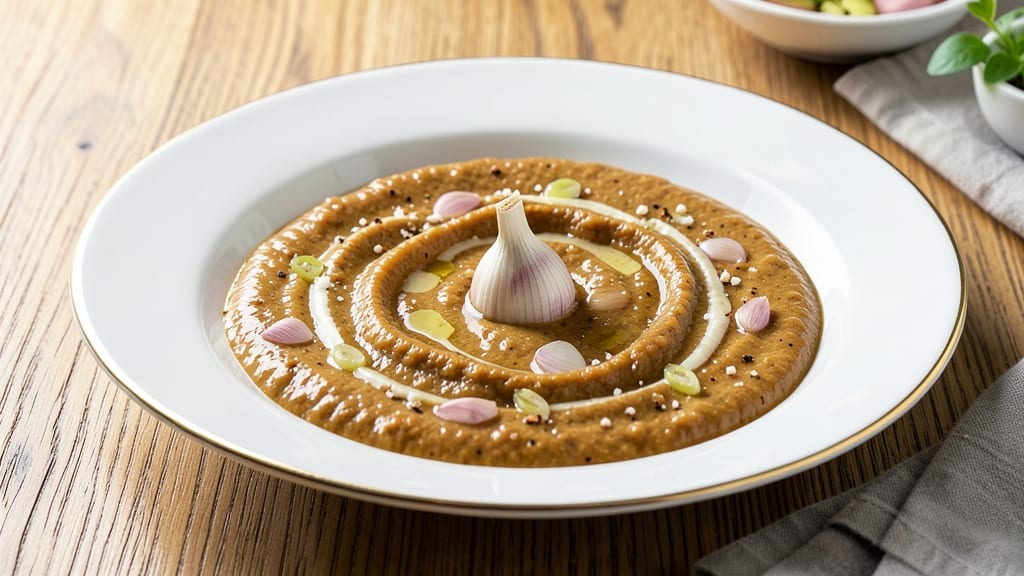
This all-purpose sauce recipe transforms ordinary meals into restaurant-quality dishes with just a few simple ingredients and minutes of prep time. The foundation—equal parts butter and flour—creates a silky, velvety base that thickens perfectly while keeping the sauce light enough to coat every bite.
I developed this after years of testing pan sauces, gravies, and quick condiments, and it consistently delivers a flavorful, versatile sauce that elevates everything from steak to vegetables.
The beauty of this sauce lies in its adaptability—it works as a pan sauce for seared proteins, a gravy for mashed potatoes, or even a quick glaze for roasted vegetables. The key is balancing the butter and flour ratio (1:1) to ensure a smooth, lump-free texture without overpowering the dish.
A splash of broth or wine adds depth, while herbs, garlic, or spices can be customized to match your meal. It’s the kind of sauce that turns weeknight dinners into something special with minimal effort.
What makes this sauce truly exceptional is its foolproof technique—no complicated steps, no special equipment, just a few pantry staples and a little patience. Once you master the basic roux, you can transform it into dozens of variations: creamy mushroom sauce, tangy tomato glaze, or even a rich cheese sauce.
The possibilities are endless, and the results are always impressive. Whether you're cooking for a crowd or a quiet weeknight dinner, this sauce will become your go-to secret weapon.
Store leftovers in an airtight container in the refrigerator for up to 5 days, or freeze for longer storage. Reheat gently over low heat, adding a splash of broth or water if the sauce thickens too much.
This versatile sauce is the foundation of countless meals—let’s get started and discover how it can elevate your cooking.
Ingredients for all purpose sauce
Equal parts butter and flour kickstart this velvety foundation—just add liquid and transform any meal.
| Ingredient | Amount | Notes |
|---|---|---|
| Unsalted Butter 🧈 | ½ cup | Cold, cubed for even melting |
| All-Purpose Flour 🌾 | ½ cup | Sifted for smooth texture |
| Vegetable Broth 💧 | 2 cups | Low-sodium preferred |
| Dry White Wine 🍷 | ½ cup | Substitute with extra broth |
| Garlic Cloves 🧄 | 3 cloves | Minced for aromatic depth |
| Shallots 🧅 | 2 whole | Finely diced, substitute onions |
| Fresh Thyme Leaves 🌿 | 1 tbsp | Or 1 tsp dried thyme |
| Fresh Parsley 🌿 | ¼ cup | Chopped for garnish |
| Sea Salt 🧂 | 1 tsp | Diamond Crystal preferred |
| Ground Black Pepper 🌶️ | ½ tsp | Freshly ground for intensity |
The butter and flour ratio is non-negotiable—equal parts create that perfect balance of richness and structure. European-style butter (like Plugrá) has higher fat content, which gives a silkier sauce, but regular unsalted works too. Flour matters here: King Arthur or Gold Medal brands are my go-tos for their protein content. If you're gluten-free, swap the flour for a 1:1 gluten-free blend, but expect slightly different thickening behavior. The key is patience—let the roux cook until it's golden but not browned, or you'll taste raw flour.
No wine? No problem—extra broth or apple cider vinegar adds acidity without alcohol. Shallots are ideal, but yellow onions work in a pinch. Fresh thyme is best, but dried works at one-third the amount. For a deeper flavor, toast the garlic and shallots in the butter for 2-3 minutes before adding flour. If your sauce thickens too much, whisk in a splash of warm water or broth. And if you're making this ahead, the roux can be prepped and refrigerated for up to 2 days—just whisk in the liquid when ready to use.
This sauce keeps beautifully—5 days in the fridge or 3 months frozen. For freezing, cool it completely first to prevent ice crystals. Reheat gently over low heat, adding a splash of broth if it thickens too much. I like to portion it into small jars or ice cube trays for easy use—just pop one in when you need a quick sauce boost. The flavor actually improves after the first day as everything melds together. Store the fresh herbs separately and add them back when reheating for maximum freshness.
Why You'll Love This Recipe
- Pantry Magic: I swear, this sauce starts with four things I always have—flour, butter, wine, and broth. No last-minute grocery runs, no stress. Just melt butter, toss in flour, and let the roux do the work while you stir. (Yes, even on a Tuesday night.)
- Garlic-Wine Lift: That splash of dry white wine cuts through the richness while the garlic cloves sizzle into something ridiculously aromatic. It’s the kind of flavor that makes you pause mid-bite—like a whisper of restaurant quality in your own kitchen.
- Endless Pairings: Drizzle it over roasted chicken, toss it with pasta, or use it as a glaze for veggies. I’ve even poured it into a casserole for a lazy Sunday dinner. Honestly, the only limit is your imagination (or what’s left in your fridge).
- Budget Stretch: A single batch feeds a family of four and leaves enough for leftovers that taste just as good reheated. Between us, this is how I avoid takeout when my wallet’s feeling thin—simple, satisfying, and sneaky affordable.
Step-by-step instructions for all-purpose sauce
This versatile base transforms into countless sauces—let's build it together.
Create a Smooth Roux
Melt the 0.5 cup unsalted butter in a medium saucepan over medium heat. Once the butter has completely melted and begins to foam, immediately reduce the heat to medium-low. Add the 0.5 cup all-purpose flour all at once and whisk vigorously for 1-2 minutes until the mixture transforms into a smooth, peanut-butter-like consistency.
This roux is the foundation of your sauce. Watch carefully—if it darkens too quickly, reduce the heat further. The goal is a pale golden color, not brown. A properly made roux will thicken your sauce beautifully and prevent graininess. Don't rush this step; patience ensures a silky final texture.
Cook the Aromatics Until Fragrant
Add the 2 finely diced whole shallots and 3 minced garlic cloves to the roux. Cook for 2-3 minutes over medium heat, stirring constantly, until the shallots soften and become translucent. You'll notice their raw onion scent transform into something sweet and mellow.
Next, stir in the 1 tablespoon fresh thyme leaves. The thyme will infuse the sauce with its earthy aroma. Cook for an additional 30 seconds until the thyme is fragrant but not crispy. This step builds flavor depth—don't skip it. If the mixture starts to stick, add 1-2 tablespoons of the vegetable broth to loosen it.
Deglaze with Wine and Broth
Pour in the 0.5 cup dry white wine and stir vigorously, scraping up any browned bits from the bottom of the pan. Let the wine simmer for 2-3 minutes until it reduces by about half and the alcohol cooks off. You'll smell the wine's sharpness mellow into something more complex.
Gradually whisk in the 2 cups vegetable broth, 1 teaspoon sea salt, and 0.5 teaspoon ground black pepper. Bring the mixture to a gentle simmer, then reduce the heat to low. Let it cook uncovered for 10-12 minutes, stirring occasionally, until the sauce thickens to a light coating consistency—where it leaves a visible trail on the back of a spoon.
Finish and Adjust
Remove the sauce from heat and stir in the 0.25 cup chopped fresh parsley. The parsley adds brightness and freshness to balance the rich flavors. Taste and adjust the seasoning if needed—add more salt or pepper as necessary. For a smoother texture, strain the sauce through a fine-mesh sieve if you prefer no visible herbs.
This all-purpose sauce is now ready to transform. For a creamy version, stir in 2 tablespoons of heavy cream or grated Parmesan cheese. For a tangy twist, add 1 tablespoon of lemon juice. Store leftovers in an airtight container in the refrigerator for up to 5 days, or freeze for 3 months. The possibilities are endless!
Pro Tips For Making All Purpose Sauce
- WHISK IN THE COLD BUTTER: I learned this the hard way—adding cold butter to hot flour makes a smoother roux. Cut the butter into small cubes and whisk it in gradually while keeping the pan on medium-low heat. If you dump in soft butter, you’ll get lumps and a greasy mess instead of that silky foundation.
- MINCE THAT GARLIC FINE: No, "chopped" isn’t good enough. Use a knife to smash the garlic cloves flat first, then slice into paper-thin shards—this way, they infuse the sauce without turning it bitter or clogging your pan. (Yes, even if you’re impatient like me.)
- DEGLAZE WITH WINE, THEN SCRAPE: Pour the wine in, but don’t just walk away. Let it bubble for 30 seconds, then use a wooden spoon to aggressively scrape up all the browned bits from the bottom—those are flavor gold. Skimp here, and your sauce tastes flat.
- SIMMER LOW AND SLOW: After adding broth, resist the urge to crank the heat. A gentle simmer (small bubbles, occasional swirls) thickens the sauce evenly without breaking the roux or turning it grainy. I used to rush this, and the sauce would either split or taste raw flour.
Serving suggestions for this all purpose sauce
Pan Sauce Perfection
Use this sauce directly in your pan after searing proteins like steak, chicken, or fish. Simply pour the hot sauce over the cooked meat, letting it coat everything beautifully. For extra richness, deglaze the pan with the wine before adding your sauce ingredients.
This works especially well with ribeye steak or pan-seared salmon—just spoon the sauce over the top and serve immediately. 🍽️
Gravy Game-Changer
Transform this into a classic gravy by adding 2 tablespoons of cornstarch mixed with 2 tablespoons cold water to the finished sauce. Simmer for 2-3 minutes until thickened, then pour over mashed potatoes, roasted veggies, or biscuits.
For a deeper flavor, add 1 teaspoon Worcestershire sauce or a splash of balsamic vinegar at the end.
Vegetable Glaze
Brush this sauce over roasted or grilled vegetables like Brussels sprouts, asparagus, or carrots in the last 5 minutes of cooking. The natural sweetness of the shallots and garlic caramelizes beautifully, creating a glossy finish.
For extra color, add ½ teaspoon smoked paprika or a pinch of cayenne pepper before serving.
Pasta Elevator
Toss this sauce with cooked pasta like fettuccine or penne for an instant upgrade. Add ½ cup grated Parmesan cheese and 1 tablespoon lemon zest for a bright, creamy dish.
For a heartier version, stir in ½ cup cooked mushrooms or crispy pancetta. The sauce clings perfectly to the pasta without turning it soggy.
Dipping Sauce
Cool the sauce slightly and serve it as a dipping sauce for fried chicken, mozzarella sticks, or spring rolls. For extra flavor, mix in 1 teaspoon sriracha or 1 tablespoon honey to balance the richness.
Keep it warm in a slow cooker on the "warm" setting for effortless serving at parties or game day gatherings. 🍗
Meal Prep Shortcut
Make a double batch and store it in 1-cup portions in the freezer. Thaw overnight in the fridge, then reheat with a splash of broth. This is perfect for busy weeknights—just grab a portion, add it to your pan, and serve.
I keep a stash in the freezer for quick weeknight dinners when I don’t have time to make sauce from scratch.
Nutrition facts
Frequently asked questions
Can I make this sauce without wine?
Replace the 0.5 cup white wine with an equal amount of vegetable broth or apple cider vinegar for acidity. The sauce will still develop rich flavors—just omit the reduction step since broth won’t need to cook off alcohol. For extra depth, add 1 teaspoon soy sauce or Worcestershire sauce after simmering.
How do I fix a sauce that's too thick or too thin?
For a thicker sauce, whisk in 1 tablespoon cold water or broth at a time until smooth. For a thinner sauce, gradually add warm broth while stirring. Avoid adding too much liquid at once—build it slowly to maintain the perfect consistency. If lumps form, strain through a fine-mesh sieve for a silky finish.
What are the best proteins to pair with this sauce?
This versatile sauce shines with steak (ribeye, filet mignon), chicken (pan-seared breasts or thighs), and fish (salmon, cod, or halibut). It also works beautifully with roasted vegetables or as a pasta sauce. For extra richness, deglaze the pan with wine before adding the sauce ingredients when cooking proteins.
Can I make this sauce in a slow cooker?
Yes! First, make the roux on the stovetop, then transfer it to the slow cooker with the wine and broth. Cook on low for 2-3 hours, stirring occasionally, until thickened. The slow cooker method is perfect for hands-off prep—just add the herbs and seasoning at the end. For best results, use a 3-4 quart slow cooker to avoid overflowing.
What herbs can I substitute for thyme?
Try rosemary (1 tsp dried), tarragon (1 tbsp fresh), or parsley (2 tbsp fresh) for bright flavors. For a Mediterranean twist, use oregano (1 tsp). If you love heat, add ½ teaspoon red pepper flakes or 1 tsp smoked paprika. Always adjust seasoning after adding substitutes—herbs vary in intensity!