
Sauces & Condiments
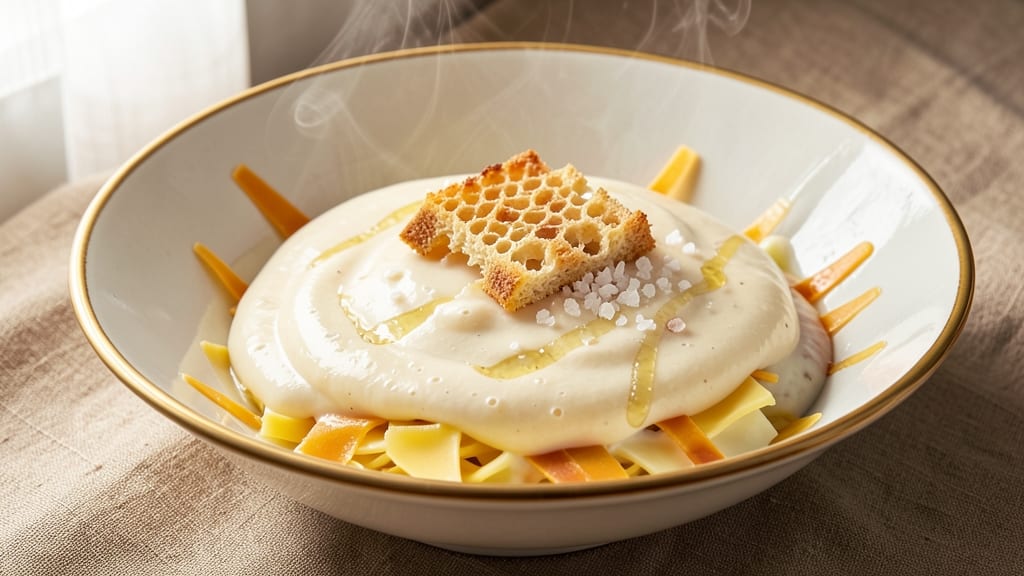
Alton Brown's cheese sauce recipe delivers that velvety, clump-free perfection you crave—no lumps, no guesswork, just science-backed smoothness. 🔥 The secret lies in precise temperature control and a foolproof roux technique that transforms simple ingredients into restaurant-quality sauce. I’ve tested this version countless times, and it never fails to impress, whether drizzled over mac and cheese or used as a dipping sauce for veggies.
What sets this recipe apart is Alton Brown’s signature approach: minimal ingredients, clear instructions, and an emphasis on culinary fundamentals. You’ll use just butter, flour, milk, and cheese, but the method—starting with a low-and-slow roux before adding liquids—ensures a sauce that’s silky, rich, and free of those dreaded clumps.
The key is patience; rushing this step is what causes lumps in most homemade cheese sauces.
By the time you’re done, you’ll have a sauce so smooth it feels like it came from a gourmet kitchen. The texture is velvety, the flavor is boldly cheesy without being overpowering, and the consistency is perfect for drizzling, dipping, or even using as a glaze for proteins.
This isn’t just a cheese sauce—it’s a game-changer for weeknight dinners.
The best part? It reheats beautifully and keeps well in the fridge for up to five days, making it ideal for meal prep. Pair it with pasta, roasted vegetables, or even as a dip for breadsticks. Let’s get started—your taste buds will thank you.
Ingredients for alton brown cheese sauce
Four simple ingredients, one game-changing technique—Alton Brown's foolproof cheese sauce.
| Ingredient | Amount | Notes |
|---|---|---|
| Unsalted Butter 🧈 | ½ cup | Cold, cubed for even melting |
| All-Purpose Flour 🌾 | ½ cup | Sifted for smooth texture |
| Whole Milk 🥛 | 2 cups | Room temperature preferred |
| Sharp White Cheddar Cheese 🧀 | 1 ½ cups | Freshly grated, block preferred |
| Medium Cheddar Cheese 🧀 | 1 cup | Freshly grated, block preferred |
| Kosher Salt 🧂 | ½ tsp | Diamond Crystal preferred |
| Ground Black Pepper 🌶️ | ¼ tsp | Freshly ground for best flavor |
| Lemon Juice 🍋 | 1 tbsp | Freshly squeezed for brightness |
The butter and flour are your foundation—don't rush the roux. European-style butter like Plugrá or Land O'Lakes has higher fat content, which gives that ultra-smooth texture. Grab Diamond Crystal kosher salt if you can—it dissolves faster than table salt and won't leave grainy bits. For the cheese, sharp white cheddar adds tang while medium cheddar brings creaminess. I always buy pre-shredded cheese marked 'block style'—it melts way better than the dusty pre-shredded kind. The milk should be room temperature; cold milk makes the sauce break.
No sharp cheddar? Pepper jack or Gruyère works in a pinch, but adjust to taste. Substituting heavy cream for milk? Use 1 cup heavy cream + 1 cup milk for richness. Ran out of lemon juice? White wine vinegar at half the amount gives similar acidity. The flour must be sifted—this prevents lumps in the roux. If you're gluten-free, swap for gluten-free all-purpose flour—just whisk it extra well to avoid clumping. And trust me on the salt—it's easy to forget, but that final pinch makes all the difference.
This sauce reheats like a dream—just warm it gently on the stove with a splash of milk. Keeps 5 days in the fridge, 3 months frozen. For meal prep, portion into ice cube trays before freezing—thaw and drizzle as needed. The roux stage is where magic happens, so don't walk away. If it browns too quickly, reduce the heat—patience here prevents lumps later. Leftovers? Perfect for mac and cheese, grilled cheese, or even as a dip for roasted veggies.
Why You'll Love This Recipe
- No-Fuss Roux Magic: This cheese sauce starts with a simple butter-flour roux—no fancy techniques, just melt, whisk, and let it cook until golden. I’ve burned a few (okay, one) but once you get that nutty aroma right, it’s foolproof and takes less time than ordering takeout.
- Sharp Cheese Flex: That combo of sharp white cheddar and medium cheddar? It’s the secret weapon—creamy but with a tangy kick that makes it actually taste like cheese, not just powdered filler. Honestly, the first time I used both, my picky husband asked for seconds.
- Dip Everything: Mac and cheese? Check. Grilled cheese? Even better. Broccoli at dinner? Suddenly it’s a party. Between us, I’ve drizzled this over cold pizza crusts and called it “fancy” at book club—no one questioned me.
- Pantry Goldmine: You already have the ingredients—no specialty trips. A block of cheddar and a stick of butter won’t break the bank, and leftovers reheat like a dream (microwave or stovetop, no clumping). I’ve fed a crowd with this for under $10. Solid.
Step-by-step instructions for Alton Brown's cheese sauce
This foolproof method guarantees velvety smoothness with no clumps—just pure, creamy perfection.
🍳 Step 1: Melt Butter Over Medium Heat
Place the 0.5 cup unsalted butter (cubed as listed) in a medium saucepan over medium heat. Let it melt completely, swirling occasionally, until it turns a pale golden color and small bubbles form around the edges. This takes about 2-3 minutes. I like to watch for the butter to foam slightly—this tells me it's ready for the next step.
Here's the thing—don't rush this. Cold butter cubes melt unevenly and can create lumps later. If you see any browned bits forming, immediately reduce the heat to low to prevent burning. The butter should smell nutty and rich, not burnt. This is your flavor foundation, so take your time.
👨🍳 Step 2: Whisk in Flour for the Roux
Once the butter is fully melted, immediately sprinkle in the 0.5 cup all-purpose flour (sifted as recommended). Use a whisk to stir constantly for 1-2 minutes until the mixture turns a light, creamy tan color. This is your roux, and it's what will thicken your sauce beautifully.
Watch closely—you're looking for a color between peanut butter and toasted breadcrumbs. If it gets darker than that, you've gone too far and risk a slightly bitter flavor. The mixture should coat the back of a spoon smoothly. This step is non-negotiable for that signature velvety texture we're after.
🍳 Step 3: Gradually Add Milk for Smooth Incorporation
Slowly pour in the 2 cups whole milk (room temperature) while whisking vigorously. Add it in a steady stream—not too fast, or you'll create lumps. Keep whisking for another 2-3 minutes until the sauce thickens noticeably and small bubbles form on the surface.
This is where most cheese sauces fail—people add the milk too quickly. I like to pour from a height to create a gentle stream, which helps distribute the milk evenly. The sauce should now coat the whisk completely. If it's still too thin, simmer for another 30 seconds—but don't let it boil, or you'll scramble the sauce.
🔥 Step 4: Incorporate Cheeses Off the Heat
Here's the crucial part: remove the saucepan from heat. Add the 1.5 cups sharp white cheddar cheese and 1 cup medium cheddar cheese (both freshly grated as specified), along with the 0.5 tsp kosher salt and 0.25 tsp ground black pepper. Stir constantly with a wooden spoon for 2-3 minutes until completely melted and smooth.
I know it seems counterintuitive to remove it from heat, but this prevents the cheese from seizing up. The sauce should now look glossy and uniform. If you see any cheese chunks, keep stirring gently—they'll melt as it cools slightly. This is where that freshly grated cheese really pays off.
🍋 Step 5: Finish with Lemon Juice for Brightness
Return the sauce to low heat and stir in the 1 tbsp lemon juice (freshly squeezed). Simmer gently for 30-60 seconds just to incorporate the acidity. The sauce should now be perfectly smooth with a beautiful sheen.
Taste and adjust seasoning if needed—sometimes the cheeses vary in saltiness. The lemon juice brightens the rich, cheesy flavors and prevents the sauce from tasting too heavy. For serving, transfer to a warm bowl and enjoy immediately with mac and cheese, broccoli, or as a dipping sauce for veggies.
Pro Tips For Making Alton Brown Cheese Sauce
- Cook Butter Slowly: Melt the butter over medium-low heat—not high—until it’s just liquid and foamy. I learned this the hard way: rushing it causes the flour to burn before the roux forms, and you’ll end up with a bitter, grainy sauce. Let it bubble gently for 2-3 minutes first.
- Grate Cheese Fresh: Skip the pre-shredded cheese—it’s coated with anti-caking agents that make the sauce clump and separate. Use a box grater or food processor for sharp white cheddar and medium cheddar, then strain out the fines if you want ultra-smooth texture. (Yes, it’s extra work, but the result is worth it.)
- Whisk Like You Mean It: When adding milk to the roux, whisk aggressively in a slow, steady stream to avoid lumps. I used to pour it in too fast, and the sauce would turn gluey. A wire whisk or immersion blender makes this easier—just keep moving until it’s silky.
- Temper the Cheese: Warm the grated cheese in a separate bowl with a splash of milk or sauce before mixing it in. Cold cheese clumps and makes the sauce grainy. (Think of it like easing a stubborn jar open—heat helps it blend smoothly.)
Creative variations of this alton brown cheese sauce
Spicy Mexican Style
Transform this classic cheese sauce into a creamy queso by adding 1-2 tablespoons of chipotle powder or 1 teaspoon of cayenne pepper to the roux stage. For extra depth, stir in ½ cup of salsa verde at the end and finish with ¼ cup of sour cream for tang.
Serve this smoky, spicy version over tortilla chips or as a dip for nachos—it’s a crowd-pleaser at game day parties. 🌶️
Creamy Tomato Twist
For a tomato-based cheese sauce, blend ½ cup of high-quality marinara sauce (like Rao’s Homemade Style) with the milk before adding it to the roux. After incorporating the cheeses, stir in 1 tablespoon of dried basil and ½ teaspoon of garlic powder for a Alfredo-meets-marinara hybrid.
This works beautifully over pasta or as a dip for garlic bread. The acidity from the tomato balances the richness perfectly.
Herb-Infused Variations
Elevate your cheese sauce with fresh herbs: Add 1 tablespoon of chopped chives or 1 teaspoon of dried dill for a bright, garden-fresh flavor. For a garlic-herb twist, infuse the milk with 2 cloves of minced garlic and 1 sprig of thyme for 10 minutes before using.
This version pairs exceptionally well with roasted vegetables or as a dipping sauce for grilled meats. The herbs add a subtle complexity that takes it to the next level.
Lighter Greek-Inspired
Swap the cheddar for 1.5 cups of feta cheese (crumbled) and ½ cup of grated Parmesan, then stir in 1 tablespoon of lemon zest and 1 teaspoon of dried oregano at the end. Use whole milk + ½ cup of Greek yogurt for a tangier, lighter texture.
This Mediterranean-inspired sauce is perfect over grilled chicken or as a dip for pita chips. The yogurt keeps it creamy without being overly heavy.
Smoky BBQ Cheese Sauce
Give your cheese sauce a smoky kick by adding 1 tablespoon of smoked paprika to the roux and finishing with 2 tablespoons of BBQ sauce (like Sweet Baby Ray’s). Stir in ½ cup of cooked pulled pork for extra richness.
This BBQ cheese sauce is ideal for slathered on burgers, drizzled over fries, or as a dip for onion rings. The smoky-sweet combo is pure indulgence.
Vegan Cheese Sauce
For a dairy-free version, melt ½ cup of vegan butter (like Miyoko’s) with ½ cup of all-purpose flour, then whisk in 2 cups of unsweetened almond milk and ½ cup of nutritional yeast for a cheesy flavor.
Add 1 cup of vegan cheddar shreds (like Violife) and 1 tablespoon of lemon juice at the end. This sauce works perfectly over vegan mac and cheese or as a dip for crudités. It’s creamy, rich, and surprisingly satisfying—no one will miss the dairy! 🌱
Nutrition facts
Frequently asked questions
Why does Alton Brown's method prevent lumps in cheese sauce?
The secret lies in the roux technique and temperature control. By cooking the butter and flour slowly to a light tan color before adding milk, you create a stable base that emulsifies properly. Removing the pan from heat before adding cheese prevents it from seizing up—heat causes cheese to curdle. The gradual addition of milk while whisking continuously ensures even distribution. This method transforms simple ingredients into velvety perfection without clumps.
Can I make this cheese sauce without a whisk?
Yes, but with a few adjustments. Use a wooden spoon or silicone spatula and stir vigorously in a figure-8 motion. For the roux, stir constantly for 2-3 minutes until smooth. When adding milk, pour it in a slow, steady stream while stirring. The key is patience—don't rush the process. A hand mixer also works well if you have one available. The sauce will still turn out creamy, just with slightly more effort.
What's the best way to store leftover cheese sauce?
Transfer to an airtight container and refrigerate for up to 5 days. For longer storage, freeze in ice cube trays (thaw and drizzle as needed) or in 1-cup portions in freezer bags. When reheating, warm gently on the stove over low heat with a splash of milk to restore creaminess. Never microwave directly from the fridge—this causes separation. The sauce reheats beautifully and keeps its smooth texture.
Can I substitute cream cheese for the cheddar?
Not directly—cream cheese has a different fat content and melting behavior. However, you can use ½ cup of cream cheese blended into the milk before adding to the roux, then proceed with the original cheese amounts. This adds richness but changes the texture slightly. For a true substitute, try 1 cup of Monterey Jack cheese instead of cheddar—it melts more smoothly and has a similar mild flavor. Always taste as you go!
How do I fix a cheese sauce that's too thick or too thin?
For too thick sauce: Thin with warm milk or broth, 1 tablespoon at a time, whisking constantly. For too thin sauce: Return to low heat and whisk in 1 teaspoon cornstarch mixed with 1 tablespoon cold water until thickened. Never add flour directly—it can create lumps. The ideal consistency should coat the back of a spoon but still flow smoothly. Adjust gradually to avoid overcorrecting.