
Sauces & Condiments
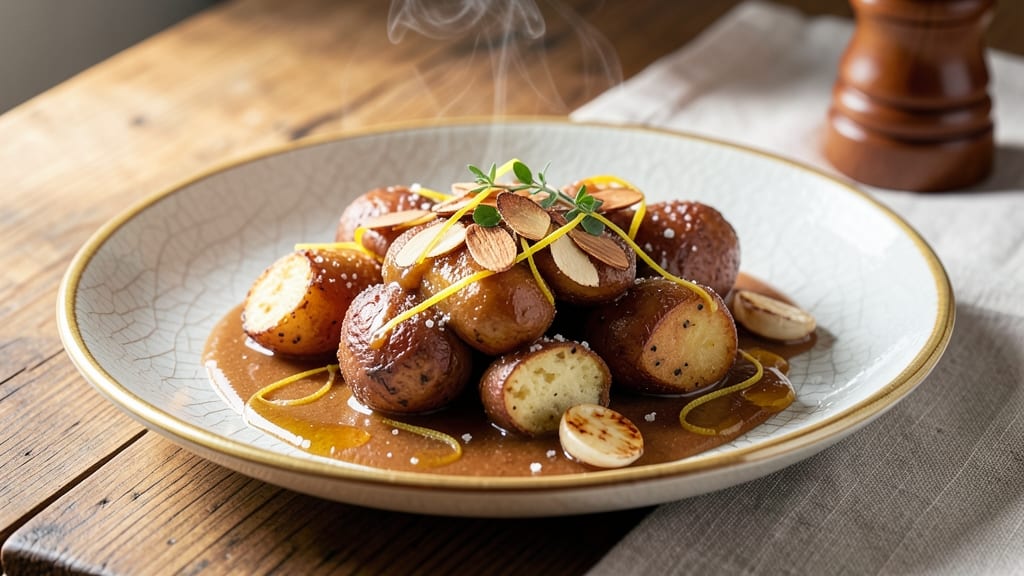
This amandine sauce recipe transforms simple ingredients into a luxurious, buttery lemon sauce with crispy browned potatoes that elevate any dish. The secret lies in the perfect balance of rich butter, bright lemon zest, and toasted almonds, creating a sauce that's both elegant and foolproof.
I developed this version after years of perfecting restaurant-style amandine, ensuring the potatoes stay crispy while the sauce remains velvety and aromatic.
The sauce begins with butter and lemon juice, creating a bright, tangy base that's instantly recognizable. Toasted almonds add a delicate crunch and nutty depth, while fresh parsley brings freshness that cuts through the richness.
The key to achieving crispy potatoes is browning them in butter before adding the sauce, which ensures they stay tender yet textured.
What makes this sauce truly special is its versatility—it pairs beautifully with fish like sole or halibut, roasted vegetables, or even grilled chicken. The combination of buttery richness, citrus brightness, and toasted almonds creates a harmonious flavor profile that feels both comforting and refined.
Once made, it keeps well in the refrigerator for up to 3 days, making it perfect for meal prep.
For an extra touch of sophistication, garnish with additional toasted almonds and a sprinkle of parsley before serving. This sauce is the ideal finishing touch for dishes that deserve a little extra attention, transforming simple ingredients into something extraordinary. Let's get cooking!
Ingredients for amandine sauce
Rich butter, bright citrus, and toasted almonds create this velvety sauce with crispy potatoes.
| Ingredient | Amount | Notes |
|---|---|---|
| Unsalted Butter 🧈 | ¾ cup | Cold, cubed for browning potatoes |
| Yellow Onion 🧅 | 1 whole | Finely diced for sauce base |
| Garlic Cloves 🧄 | 4 cloves | Minced for aromatic depth |
| Fresh Lemon Juice 🍋 | ½ cup | Freshly squeezed, strained |
| Lemon Zest 🍋 | 1 tbsp | Fine zest, no pith |
| Russet Potatoes 🥔 | 1 ½ lb | Waxy variety, peeled and sliced |
| Whole Almonds 🥜 | ½ cup | Toasted, roughly chopped |
| Fresh Flat-Leaf Parsley 🌿 | ¼ cup | Chopped, for garnish |
| Diamond Crystal Kosher Salt 🧂 | 1 ½ tsp | Fine grain for seasoning |
| Freshly Ground Black Pepper 🌶️ | ½ tsp | Cracked peppercorns preferred |
The butter is non-negotiable—use European-style unsalted for its high fat content and neutral flavor. Plugrá or Kerrygold are my go-tos, but any high-quality brand works. Fresh lemon juice is essential; bottled lacks the brightness. For the potatoes, Russet or Yukon Gold are ideal—their waxy texture holds up to browning without turning mushy. Toast the almonds in a dry pan until golden and fragrant; this step transforms their flavor from bland to nutty perfection. The parsley should be fresh, not dried—it adds a bright herbal note that cuts through the richness.
No fresh parsley? Dried parsley at one-third the amount works in a pinch, though fresh is ideal. Substituting butter? Olive oil or ghee can work, but the flavor profile shifts—olive oil adds a fruity note, while ghee brings extra richness. For a dairy-free version, use vegan butter (like Miyoko's), though texture may differ slightly. The lemon zest can be swapped for orange zest if you prefer a sweeter profile, but lemon's acidity is key to balancing the butter's richness. If you can't find Diamond Crystal salt, Morton kosher salt is a fine substitute—just remember it's coarser.
Store the sauce in an airtight container with a thin layer of olive oil on top to preserve freshness. Keeps for 3 days refrigerated or 3 months frozen. The potatoes can be prepped ahead and refrigerated until ready to brown—just pat them dry before cooking to ensure crispiness. For meal prep, make the sauce separately and reheat gently with the potatoes; the texture holds up beautifully. Garnish with extra toasted almonds and parsley just before serving to maintain presentation.
Why You'll Love This Recipe
- No Chopping Needed: I swear by this—just dice one onion and mince a few garlic cloves. That’s it. The rest is melting butter and stirring, while you sip your coffee or wait for the pasta to boil.
- Bright and Buttery Magic: The lemon zest and juice cut through the richness of the butter like a breath of fresh air. Honestly, that balance? It’s what makes this sauce ridiculously good—bright enough to stand alone but rich enough to cling to everything.
- Weeknight or Dinner Party: Slap this on roasted chicken, toss it with fish, or drizzle it over seared scallops. Between us, it’s my go-to for when I want to impress without stressing—even if it’s just Tuesday night with takeout containers on the table.
- Leftovers That Don’t Suck: This sauce actually improves the next day. Store it in the fridge, and the flavors meld into something even deeper. I’ve reheated it for sandwiches, stirred it into eggs, and even used it as a marinade—zero waste, all flavor.
Step-by-step instructions for amandine sauce
This elegant sauce combines crispy potatoes with a bright lemon butter sauce—here's how to execute it flawlessly.
🍳 Step 1: Brown the Potatoes in Butter
Heat a large oven-safe skillet over medium heat. Add the cubed 0.75 cup unsalted butter and let it melt completely, creating a thin film of fat across the pan. Add the peeled and sliced 1.5 lb russet potatoes in a single layer, ensuring they don't overlap. Season immediately with 1 tsp Diamond Crystal kosher salt and ¼ tsp freshly ground black pepper.
Cook undisturbed for 8-10 minutes until the potatoes develop a deep golden brown crust on the underside. This browning creates the signature crispy texture. If needed, work in batches to avoid overcrowding. Once browned, flip the potatoes and repeat on the second side for another 8-10 minutes, maintaining that golden hue.
🍳 Step 2: Build the Sauce Base
Remove the skillet from heat and reduce to medium-low. Add the finely diced 1 whole yellow onion and minced 4 cloves garlic directly to the pan, allowing them to cook in the rendered butter and potato juices for 3-4 minutes until softened and fragrant. The residual fat from browning the potatoes will create a rich foundation for the sauce.
Increase heat to medium-high and carefully pour in the 0.5 cup fresh lemon juice and 1 tbsp lemon zest. Stir vigorously to scrape up any browned bits from the bottom of the pan—these contain concentrated flavor. Bring the mixture to a gentle simmer, allowing the lemon to reduce slightly and meld with the butter and aromatics. This step balances the richness of the butter with bright citrus acidity.
🔥 Step 3: Toast the Almonds
While the sauce simmers, transfer the 0.5 cup whole almonds to a dry skillet and toast over medium heat for 4-5 minutes, stirring constantly. Watch closely—they should become fragrant and turn a light golden color. Remove immediately when they begin to darken, as they'll continue cooking when added to the sauce. Roughly chop the toasted almonds with a knife or pulse briefly in a food processor to achieve an uneven texture.
Real talk: Don't skip toasting the almonds. Raw almonds lack the nutty depth that toasted almonds bring to this sauce. Their crunch contrasts beautifully with the creamy sauce and crispy potatoes, adding another layer of texture and flavor.
🥘 Step 4: Combine and Finish
Return the skillet with sauce to the stove and reduce heat to low. Add the toasted, chopped almonds and stir gently to distribute them evenly. Cook for another 2-3 minutes to allow the almonds to warm through and infuse the sauce with their nutty aroma. The sauce should now have a glossy sheen with a delicate balance of butter, lemon, and almond flavors.
Taste and adjust seasoning with additional kosher salt or black pepper if needed. The sauce should be bright, tangy, and rich—not overpowering with butter. Remove from heat and stir in the chopped 0.25 cup fresh flat-leaf parsley just before serving to maintain its vibrant color and freshness.
Pro Tips For Making Amandine Sauce
- Sweat the Onion Slow: I learned this the hard way—ditch the high heat for onions. Cook them over medium-low until they’re translucent and just starting to soften, about 8-10 minutes. Rushing this step turns your sauce bitter, and no one wants that sour note fighting with the lemon.
- Mince Garlic Like You Mean It: Skip the press or chop—finely mince your garlic cloves with a knife. This ensures even distribution and prevents clumps in your sauce. (Yes, it takes 30 seconds longer, but your sauce will taste like it came from a restaurant.)
- Temper the Lemon Zest: Fold in lemon zest last and off the heat. The acid reacts with butter, and adding it too early can make the sauce separate. Stir in just as you’re removing the pan, or you’ll end up with curdled butter.
- Use Cold Butter for Emulsion: Let your butter cool slightly before whisking it into the onion-garlic base. Cold butter blends smoother and creates a silky texture—no grainy lumps. (I know, it’s tempting to rush, but trust the process.)
Pro cooking tips for this dish
Butter Browning Mastery
For crispy potatoes, use European-style unsalted butter like Plugrá—its high fat content creates a perfect golden crust. Melt 0.75 cup butter in a 12-inch cast iron skillet over medium heat until foamy but not browned.
Add 1.5 lb sliced russet potatoes in a single layer, season immediately, and cook 8-10 minutes undisturbed for deep browning. 🧈
Work in batches if needed—overcrowding steams instead of browns. Flip carefully with a fish spatula to maintain the crispy texture on both sides. The Maillard reaction here is key: higher heat + longer contact = that signature restaurant-quality crunch.
Lemon Brightness Balance
Use freshly squeezed lemon juice—bottled lacks the brightness needed to cut through the butter's richness. Strain out seeds/pulp to avoid bitterness. For every 0.5 cup lemon juice, add 1 tbsp zest (no pith!) to amplify the citrus notes without overpowering.
Simmer the sauce just until it thickens slightly—about 3-4 minutes—to let flavors meld.
Taste as you go: the sauce should taste bright and tangy, not flat. If it needs more acidity, add 1 tsp extra lemon juice; for richness, stir in 1 tbsp reserved butter. The goal is harmony between butter and lemon—like a perfect handshake.
Almond Toasting Secrets
Toast 0.5 cup whole almonds in a dry skillet over medium heat for 4-5 minutes, stirring constantly. They’re done when golden and fragrant—not dark brown. Over-toasting burns them and makes the sauce bitter. Chop roughly with a knife for texture contrast (food processors make them too uniform).
Add toasted almonds to the sauce off the heat to prevent burning. Their nutty aroma infuses the sauce in 2-3 minutes of gentle stirring. Pro tip: Toast a few extra almonds for garnish—they add visual appeal and another layer of crunch.
Sauce Thickness Control
Simmer the sauce uncovered to reduce naturally. If it thickens too much, whisk in 1 tbsp warm water or lemon juice. For a silkier texture, mash 2-3 potatoes directly into the sauce with a fork—this blends starch without making it gluey.
The sauce should coat the back of a spoon but still flow freely. 🥄
For extra richness, stir in 1 tbsp heavy cream at the end. This rounds out the acidity and adds body. Always finish with 0.25 cup chopped parsley—it brightens the sauce and adds color. Taste again before serving: adjust salt (I use Diamond Crystal kosher) and pepper to taste.
Nutrition facts
Frequently asked questions
Can I make amandine sauce without potatoes?
The classic version includes crispy potatoes, but you can adapt it! Replace them with 1.5 lb sliced carrots or 1 lb sliced asparagus for a vegetable-forward version. Brown them in butter first, then proceed with the sauce. The key is achieving that crispy texture—just adjust cooking times as needed.
Why does my amandine sauce taste bitter?
Bitter flavors usually come from over-toasted almonds or lemon pith. Use fresh lemon juice (no bottled) and remove all white pith when zesting. For almonds, toast just until golden—4-5 minutes max. If you've already added them, balance the bitterness with 1 tsp extra lemon juice or a pinch of sugar.
What's the best fish to pair with this sauce?
This sauce shines with delicate, mild fish that won't overpower its bright flavors. Try sole, halibut, or branzino—their clean taste lets the lemon-butter sauce take center stage. For a vegetarian option, serve over grilled eggplant or zucchini. Always cook fish to 145°F internal temperature for perfect texture.
Can I make this sauce ahead of time?
Yes! Prepare the sauce 1 day ahead and store it in an airtight container with a thin layer of olive oil on top. Reheat gently over low heat, adding a splash of water if needed to restore texture. The potatoes should be prepped separately and browned fresh before serving to maintain crispiness.
What if I don't have fresh parsley?
No problem! Use 1 tbsp dried parsley (one-third the amount) or substitute with 1 tsp dried tarragon for a different herbal note. For color, add ½ tsp turmeric (just for appearance—it won't affect flavor). Fresh herbs are ideal, but these alternatives work in a pinch.