
Sauces & Condiments
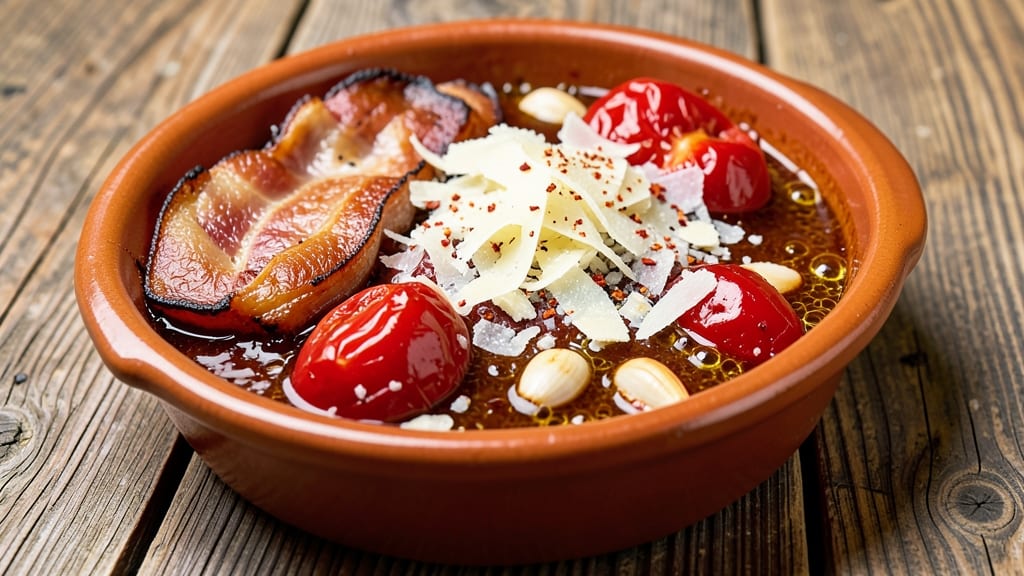
Jamie Oliver’s Amatriciana sauce recipe transforms simple ingredients into a rich, velvety masterpiece that captures the heart of Roman cuisine. The secret lies in guanciale—cured pork cheek—that delivers deep, savory flavor when rendered slowly with tomatoes, garlic, and chili.
This sauce isn’t just about taste; it’s about technique, where patience turns humble ingredients into something extraordinary. I’ve perfected it over years of cooking, and it’s the kind of sauce that elevates any dish it touches.
The process begins with browning guanciale until crispy, then deglazing the pan to capture every last bit of flavor. Tomatoes, crushed by hand, simmer low and slow until they break down into a thick, glossy sauce.
Pecorino cheese adds a sharp, salty finish that cuts through the richness, while a touch of chili brings just the right kick. The result is a sauce that’s bold yet balanced, with layers of umami and acidity that make it irresistible.
What makes this sauce truly special is its versatility. Toss it with spaghetti for a classic Amatriciana, spread it on toasted bruschetta for an appetizer, or drizzle it over grilled meats for extra depth.
The flavor only gets better as it sits, so make a batch and keep it in the fridge for the week. This isn’t just a sauce—it’s a flavor experience that will have you reaching for the jar again and again.
Ready to master this iconic sauce? Let’s get started with the ingredients and step-by-step instructions that will turn your kitchen into a Roman trattoria.
Ingredients for amatriciana sauce recipe jamie oliver
Nine essential ingredients transform into Jamie Oliver's signature Amatriciana sauce—rich, velvety, and full of Roman soul.
| Ingredient | Amount | Notes |
|---|---|---|
| Guanciale 🥓 | 8 oz | Cured pork cheek, diced small |
| San Marzano Tomatoes 🍅 | 28 oz | Crushed by hand, whole can |
| Garlic Cloves 🧄 | 4 cloves | Peeled and smashed |
| Extra-Virgin Olive Oil 🫒 | ¼ cup | High-quality, fruity variety |
| Red Chili Flakes 🌶️ | 1 tsp | Adjust for heat preference |
| Pecorino Romano Cheese 🧀 | ½ cup | Freshly grated, coarse |
| Dried Oregano 🌿 | 1 tsp | Italian or Mediterranean blend |
| Salt 🧂 | 1 tsp | Diamond Crystal preferred |
| Black Pepper 🌶️ | ½ tsp | Freshly cracked |
| White Wine 🍷 | ¼ cup | Dry, medium-bodied |
The guanciale is non-negotiable here—it's the heart of Amatriciana's deep umami flavor. Look for high-quality guanciale at specialty Italian markets or well-stocked butchers; it should be firm with good fat marbling. If you can't find guanciale, guanciale substitutes like pancetta or thick-cut bacon work in a pinch, though they won't be identical. The San Marzano tomatoes are worth seeking out—their sweetness and low acidity make all the difference. I always buy them in bulk from Eataly or Whole Foods when possible, but any high-quality canned tomatoes will do. The key is crushing them by hand to release their juices properly.
No white wine? Substitute with extra chicken stock—it won't be identical but works in a bind. The Pecorino Romano must be freshly grated; pre-grated cheese loses its texture and flavor. For a milder taste, mix half Pecorino with Parmigiano-Reggiano. The olive oil should be fruity and peppery—Colavita or Bertolli are reliable brands. If you're sensitive to heat, reduce the chili flakes to ½ teaspoon or use a pinch of cayenne instead. The garlic should be smashed—not minced—so it infuses the oil without burning. And yes, you can use regular dried oregano if that's what you have, but Italian or Mediterranean blends have that authentic touch.
This sauce tastes even better the next day as flavors meld. Store it in an airtight container in the fridge for up to 5 days, or freeze for 3 months in portion-sized containers. For serving, warm it gently on the stove—never microwave it, or the texture will break down. I like to make double batches so I always have some on hand for quick pasta nights. The sauce thickens as it cools, so you can always add a splash of water or wine when reheating if needed.
Why You'll Love This Recipe
- No Chopping Chaos: I swear by this sauce because the guanciale practically melts into crispy bits with almost no effort—just dice it roughly and let the heat do the work. No knife skills required, just patience (and maybe a glass of wine while you wait).
- Umami Bomb: That first crackle of guanciale in the oil? Pure magic. The San Marzano tomatoes soften into a velvety base while the garlic and chili flakes add just enough heat to make it sing—deep, smoky, and impossible to resist.
- Weeknight to Dinner Party: Same sauce, endless uses. Toss it with pasta for a quick weeknight meal, or drizzle it over polenta for a fancier spread. Honestly, I’ve even used it as a pizza topping—no judgment here.
- Leftovers That Don’t Suck: Unlike some sauces that turn gluey, this one actually improves the next day. Reheat it gently, add a splash of water, and it’s even richer—perfect for lunch or a lazy evening when you’re too tired to cook.
Step-by-step instructions for Jamie Oliver's Amatriciana sauce
Here's how to build this iconic Roman sauce with perfect balance and depth.
Render the Guanciale Until Crispy
Heat a large, heavy-bottomed saucepan over medium-low heat. Add the 8 oz guanciale and cook undisturbed for 8-10 minutes until the fat begins to render and the meat turns golden brown. This slow process is crucial—it allows the fat to melt gently without burning, creating the rich foundation for your sauce.
Once the guanciale is crispy and the fat has rendered out (about ¼ cup should remain in the pan), remove the meat with a slotted spoon and set aside. Leave the rendered fat in the pan—this is where all the flavor lives. If any large pieces of meat remain uncooked, return them to the pan for another 1-2 minutes to finish.
Build the Flavor Base with Aromatics
With the guanciale removed, reduce the heat to low and add the 4 smashed garlic cloves. Cook for 30 seconds until the garlic just begins to turn golden—don't let it brown or it'll turn bitter. Add the 1 tsp red chili flakes and 1 tsp dried oregano, stirring for 10 seconds to toast the spices and release their aromas.
Pour in the 0.25 cup white wine and scrape up any browned bits from the bottom of the pan with a wooden spoon. This deglazing step captures all the concentrated flavor that would otherwise stick to the pan. Let the wine simmer for 2-3 minutes until it reduces by half and the alcohol smell dissipates completely.
Develop the Tomato Sauce
Add the 28 oz crushed San Marzano tomatoes to the pan, along with the 1 tsp salt and 0.5 tsp black pepper. Stir well to combine, then increase the heat to medium-low. Let the sauce simmer gently for 20-25 minutes, stirring occasionally, until it thickens slightly and the flavors meld together.
During this time, you'll notice the sauce darken and develop a rich, complex aroma. This is where the magic happens—the acidity of the tomatoes balances with the saltiness of the guanciale and the earthiness of the Pecorino that's yet to come. If the sauce becomes too thick, add 2-3 tablespoons of water to maintain the right consistency.
Finish with Cheese and Guanciale
Once the sauce has thickened to your desired consistency (it should coat the back of a spoon but still be saucy), remove the pan from the heat. Stir in the 0.5 cup freshly grated Pecorino Romano and the reserved crispy guanciale. Let the cheese melt gently into the sauce, creating a velvety texture that clings to every strand of pasta.
Taste and adjust the seasoning if needed—you might need a pinch more salt to balance the acidity, or a sprinkle of black pepper for a little kick. The sauce should be rich, slightly tangy, and deeply umami with a perfect balance of heat from the chili flakes. Serve immediately over al dente spaghetti, reserving some sauce to toss with the pasta at the end for the best texture.
Pro Tips For Making Amatriciana Sauce Recipe Jamie Oliver
- Render Guanciale Slow: Low heat, 10-12 minutes—no rushing. I learned this the hard way after my first batch turned into greasy, undercooked slabs. Let those fat pockets melt gently or you’ll end up with sad, chewy meat instead of crispy, salty shards.
- Crush Tomatoes by Hand: Skip the blender—use your fingers or a wooden spoon. Jamie Oliver’s recipe relies on that rustic texture, and blending makes the sauce too smooth. Plus, you’ll notice the difference in body and flavor immediately.
- Salt the Pasta Water Late: Wait until the water’s boiling before adding salt—this recipe’s sauce is already packed with umami from guanciale. Adding salt early dilutes the pasta’s natural starch, which is what makes the sauce cling. Trust me, your pasta will taste better.
- Deglaze with Wine First: If using white wine (like Jamie’s method), pour it in before the tomatoes. The alcohol burns off faster, and the wine’s acidity cuts through the guanciale’s richness early. Skip this, and you’ll end up with a flat, one-dimensional sauce.
Make-ahead tips for leftovers
Prep Ahead
Crush the San Marzano tomatoes by hand and store them in an airtight container in the fridge for up to 3 days before making the sauce. This step saves time on cooking day and allows the tomatoes to release their juices naturally.
I like to do this the night before so I can focus on cooking without rushing. 🍅
Make the Base
Render the guanciale and deglaze the pan with wine up to 2 days ahead—just store the rendered fat and crispy meat in a sealed container in the fridge.
When ready to finish, simply reheat the fat over low heat, add the garlic and spices, then proceed with the tomatoes. This shortcut preserves all the flavor while saving you time.
Sauce Storage
Once fully cooked, let the sauce cool completely, then transfer it to airtight containers. It keeps in the fridge for 5 days—the flavors actually deepen over time. For longer storage, freeze in portion-sized containers for up to 3 months.
When reheating, warm gently on the stove with a splash of water or wine to restore its velvety texture.
Freezer-Friendly Tips
Divide the sauce into 1-cup portions before freezing—this makes it perfect for single servings. When thawing, place the container in the fridge overnight for best results. Avoid microwave reheating, as it can break down the sauce's texture.
Instead, warm it on the stove over low heat with a splash of pasta water for extra richness. 🔥
Cheese Prep
Grating Pecorino Romano ahead of time saves effort on cooking day. Store the grated cheese in a sealed container in the fridge for up to 3 days. For extra convenience, freeze the grated cheese in ¼-cup portions—it thaws quickly and retains its sharp flavor.
Just add it directly to the warm sauce at the end for that perfect finishing touch.
Pasta Pairing
Cook your spaghetti al dente ahead and store it in cold water in the fridge for up to 2 hours before tossing with the sauce. This prevents overcooking and keeps the pasta firm.
Drain just before adding the sauce, reserving ½ cup pasta water to thin the sauce if needed. The starchy water helps create that classic, clinging texture. ✨
Nutrition facts
Frequently asked questions
Can I substitute guanciale with bacon or pancetta?
Yes, but there will be flavor differences. Guanciale's fatty, sweet pork cheek is irreplaceable for authentic Amatriciana. Use thick-cut pancetta (no rind) for the closest substitute, as it renders fat similarly. For bacon, choose thick-cut smoked bacon and remove the rind first. The fat content is crucial—it creates the sauce's velvety texture. Don't skip the crisping step, as this builds flavor depth.
Why does my Amatriciana sauce taste too acidic?
This usually happens when tomatoes aren't properly reduced or when using high-acid canned tomatoes. For balance, add a pinch of sugar (½ tsp) to the simmering sauce or stir in a spoonful of reserved pasta water. The key is slow cooking—simmer for 25-30 minutes to let acidity mellow. Jamie Oliver's recipe relies on San Marzano tomatoes for their sweetness, so if using other brands, add a splash of white wine to offset acidity.
How do I make this sauce vegetarian?
Replace guanciale with extra olive oil (start with ¼ cup) and add ½ cup chopped mushrooms or 1 tbsp tomato paste for depth. Use vegetable broth instead of wine, and boost umami with 1 tsp soy sauce or ½ tsp nutritional yeast. The cheese remains essential—pecorino's saltiness cuts through the sauce's richness. For texture, add ¼ cup toasted breadcrumbs at the end.
Can I make this sauce without white wine?
Use ½ cup chicken or vegetable broth instead, or substitute with ¼ cup extra olive oil plus 2 tbsp tomato paste. The wine's purpose is to deglaze and reduce, so the broth will carry the garlic and spices. For extra richness, add 1 tsp balsamic vinegar to mimic wine's acidity. The sauce will still develop depth—just monitor seasoning closely, as broth can dilute flavors.
What's the best pasta to serve with this sauce?
Traditional Amatriciana uses spaghetti or bucatini for their long strands that catch the sauce beautifully. For a modern twist, try rigatoni or pappardelle. Avoid small shapes like penne—the sauce needs room to cling. Cook pasta 1 minute less than package instructions (it finishes in the sauce). Reserve ½ cup pasta water to thin the sauce if needed. The starchy water helps create that signature clinging texture.