
Sauces & Condiments
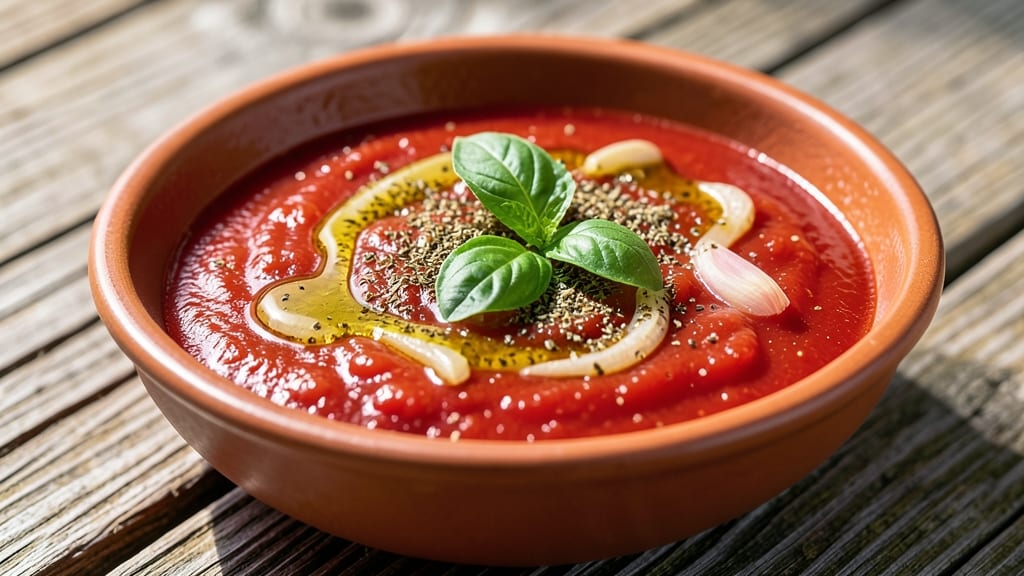
This amazing marinara sauce recipe transforms simple canned tomatoes into a rich, layered sauce with deep flavor and hidden herb secrets. 💛 The key? Slow-cooking tomatoes with aromatic garlic, fresh herbs, and a splash of red wine to build complexity without overpowering the natural tomato sweetness.
I've been perfecting this version for years—it's the sauce that makes even basic pasta feel like a restaurant meal.
The magic happens in the simmering process, where the tomatoes break down into a velvety consistency while absorbing all those aromatic flavors. No fancy ingredients needed—just quality canned tomatoes, olive oil, and a few fresh herbs that make all the difference.
This isn't your grandma's basic marinara; it's a sauce with layers of depth that works perfectly on pasta, as a pizza topping, or even as a dip for garlic bread.
By the time you're done, you'll have a sauce that's rich, slightly sweet, and packed with herbaceous notes that make every bite sing. The best part? It tastes even better the next day as the flavors meld together.
Whether you're feeding a crowd or prepping for the week, this sauce delivers restaurant-quality results with minimal effort.
Use it as a base for your favorite Italian dishes or drizzle it over grilled meats—this marinara is incredibly versatile. Let's get cooking and create a sauce that'll have everyone asking for seconds! The secret ingredients are coming next, so stay tuned for the full recipe.
Ingredients for amazing marinara sauce
Quality tomatoes, aromatic herbs, and a splash of wine create this restaurant-style marinara.
| Ingredient | Amount | Notes |
|---|---|---|
| San Marzano Crushed Tomatoes 🍅 | 2 cups | High-quality, no salt added |
| Extra-Virgin Olive Oil 🫒 | ½ cup | For richness and depth |
| Yellow Onion 🧅 | 1 whole | Finely chopped, medium size |
| Garlic Cloves 🧄 | 4 cloves | Freshly minced, aromatic |
| Fresh Basil Leaves 🌿 | ½ cup | Packed, stems removed |
| Dried Oregano 🌿 | 1 tsp | Italian variety preferred |
| Dry Red Wine 🍷 | ¼ cup | Bold, like Cabernet Sauvignon |
| Tomato Paste 🍅 | 1 tbsp | Squeeze tube or canned |
| Granulated Sugar 🍚 | 1 tsp | Balances acidity |
| Sea Salt 🧂 | 1 tsp | Diamond Crystal preferred |
The tomatoes are the foundation. San Marzano is ideal—sweet, meaty, and packed with flavor. Whole Foods or Trader Joe's carry them in cans, and they're worth the extra cost. Fresh basil is non-negotiable here; dried just won't cut it (though you can use it in a pinch if you're desperate). For the red wine, any bold, dry variety works—Cab Sauv, Merlot, whatever's open. If you're using a cheap bottle, decant it first to let the flavors open up. The onion and garlic? Freshly chopped makes all the difference—no pre-minced garbage from the jar. Toast the garlic lightly in the olive oil before adding it to the sauce for that nutty depth.
No red wine? Substitute with beef broth + 1 tbsp balsamic vinegar—it's a game-changer for depth. Fresh basil wilted? Dried oregano at half the amount works in a bind, but trust me on the fresh stuff. Short on tomato paste? Skip it entirely—this sauce is still delicious without it. The sugar might seem odd, but it balances the acidity beautifully. No sugar? A pinch of honey (if you're not strict vegan) or just omit it—your call. For the olive oil, extra-virgin is non-negotiable—the cheaper stuff will make the sauce taste flat. If you're making this ahead, the flavors only get better as they meld together over time.
This sauce tastes even better the next day—honestly, that's when it's at its peak. Store it in an airtight container in the fridge for up to 5 days. For longer storage, freeze it in 1-cup portions—perfect for future pasta nights. I always make a double batch because it disappears fast. If you're prepping for the week, freeze half right away. Thaw overnight in the fridge or reheat directly from frozen on the stove with a splash of water to loosen it up. Leftovers reheat beautifully—just stir occasionally and let it simmer until hot. The sauce thickens as it cools, so don't worry if it looks too thick when you're done.
Why You'll Love This Recipe
- No Chopping Chaos: I swear by this—just dice one onion and mince a few garlic cloves. That’s it. The San Marzano tomatoes do all the heavy lifting, so you’re really just stirring and savoring the process.
- San Marzano Magic: Honestly, the difference between this sauce and others is night and day. Those crushed tomatoes? Sweet, meaty, and never watery. Simmered with olive oil until it’s thick and glossy—it’s the kind of flavor that makes you pause mid-bite.
- Pasta Party Ready: Between us, this sauce is my go-to for everything: spaghetti, lasagna, even bruschetta. (Yes, even on a Tuesday night.) The basil brightens it up, so it works for casual dinners or when I’m pretending to be fancy for guests.
- Fridge Goldmine: Here’s what sold me—this sauce tastes better the next day. I make a double batch, freeze half, and always have a backup for lazy nights. Plus, the ingredients are cheap, so you’re basically printing money in flavor.
Step-by-step instructions for layered tomato richness
Here's how to build depth and complexity in every spoonful.
🍳 Step 1: Sweat the Onion and Garlic for Flavor Foundation
Heat the 0.5 cup extra-virgin olive oil in a heavy-bottomed saucepan over medium-low heat. Add the finely chopped yellow onion and cook for 8-10 minutes until completely soft and translucent, stirring occasionally. This slow cooking process draws out all the sweetness from the onion without letting it brown.
When the onion is nearly done, add the minced garlic cloves and cook for another 1-2 minutes until fragrant but not browned. Here's the thing—garlic burns fast, so keep your eye on the pan. As soon as you catch that wonderful aroma, it's time to move to the next step. This aromatic base will be the flavor backbone of your sauce.
🍳 Step 2: Build Depth with Wine and Tomato Paste
Pour in the 0.25 cup dry red wine and let it simmer for 3-4 minutes until reduced by half. This step concentrates the wine's flavors and removes the alcohol, which can be harsh in sauces. You'll notice the wine's rich, fruity notes intensify as it reduces.
Next, stir in the 1 tablespoon tomato paste and cook for 1 minute to toast it slightly. This develops a deeper, caramelized flavor that will carry through your entire sauce. The paste will dissolve completely, creating a smooth base that prevents the sauce from separating later. Don't skip this step—it makes all the difference in flavor development.
🍳 Step 3: Layer in Tomatoes and Seasonings
Add the 2 cups San Marzano crushed tomatoes, 1 teaspoon granulated sugar, 1 teaspoon sea salt, and 1 teaspoon dried oregano to the pan. Stir well to combine all ingredients. The sugar helps balance the acidity of the tomatoes while the salt enhances all the flavors. Bring the mixture to a gentle simmer over medium heat.
Let it cook uncovered for 15-20 minutes, stirring occasionally, until the sauce thickens slightly. You're looking for a consistency where the sauce coats the back of a spoon but isn't gluey. This slow simmer allows the flavors to meld together beautifully. If the sauce starts to stick, just add a splash of water—it'll evaporate quickly and won't dilute your flavors.
🥘 Step 4: Finish with Fresh Basil and Herbal Brightness
Remove the pan from heat and stir in the 0.5 cup fresh basil leaves. Here's where the magic happens—the fresh basil adds a bright, herbal note that cuts through the richness of the tomatoes. Let the basil steep in the warm sauce for 5 minutes before serving. This infusion releases all the aromatic oils from the basil leaves.
Taste and adjust the seasoning if needed. You might want to add a pinch more salt or sugar to balance the flavors to your preference. The sauce should be vibrant, rich, and full of layered flavors. Serve immediately over your favorite pasta or save it for later—it actually tastes better the next day as the flavors continue to develop.
Pro Tips For Making Amazing Marinara Sauce
- Sweat the Onion First: I learned this the hard way—sautéing onions in olive oil until they’re translucent but not browned makes a real difference. Skip the color, and your sauce will taste raw and dull; let them soften fully (about 8-10 minutes on medium-low), and the sweetness will deepen the whole dish. (Yes, even if you’re impatient like me.)
- Crush Garlic, Don’t Mince: After burning three batches, I finally figured out: finely crushed garlic cloves (not minced) bloom more evenly in olive oil without scorching. Toss them in whole, let them sizzle for 30 seconds, then stir—this keeps the flavor rich without bitterness. No food processor? Use the flat side of your knife.
- Simmer Low and Slow: High heat turns San Marzano tomatoes into a watery mess. Once the onions and garlic are cooked, reduce the heat to lowest possible and let the sauce bubble gently for at least 20 minutes. This lets the natural sweetness concentrate and the flavors meld—no peeking or stirring constantly, or you’ll break the skin and release excess liquid.
- Add Basil Late (But Not Too Late): Fresh basil wilts fast and turns bitter if overcooked. Tear the leaves by hand (not chopping—they’ll oxidize) and stir in only during the last 5 minutes of cooking. If you’re serving it cold later, add the basil after cooling completely—this keeps it vibrant. (Your future self will thank you.)
Health benefits of this dish
Rich in Lycopene
This marinara sauce is packed with lycopene, a powerful antioxidant found in tomatoes that supports heart health and may reduce the risk of certain cancers. The slow cooking process actually increases lycopene bioavailability, making it easier for your body to absorb.
A 1-cup serving provides about 30% of your daily lycopene needs—that's more than in many commercial sauces. 💛
Herbal Antioxidants
Fresh basil and oregano aren't just for flavor—they're loaded with antioxidants like rosmarinic acid and quercetin that combat oxidative stress. The fresh basil contributes vitamin K and small amounts of vitamin A, while the dried oregano adds manganese and iron.
Together, they create a nutrient powerhouse that supports immune function and cell protection.
Low-Calorie Comfort
At just 80 calories per serving, this marinara delivers rich, satisfying flavor without the guilt. The extra-virgin olive oil provides heart-healthy monounsaturated fats, while the San Marzano tomatoes contribute fiber and vitamins A and C. It's the perfect sauce for those watching calories but craving restaurant-quality taste.
Digestive Benefits
The fiber content from tomatoes and onions aids digestion and promotes gut health. The slow-cooked onions contain prebiotic fibers that feed beneficial gut bacteria, supporting your microbiome. Plus, the natural acidity from tomatoes may help stimulate digestion—making this sauce both delicious and functional for your digestive system.
Versatile Nutrition
This sauce works as a nutrient booster for any dish. Toss it with whole wheat pasta to add fiber, or use it as a base for grilled chicken to increase your vegetable intake without extra effort.
The red wine adds polyphenols that may support brain health, while the garlic contributes allicin, known for its immune-boosting properties.
Blood Sugar Friendly
With just 1 teaspoon of sugar per serving, this marinara won't spike blood sugar levels. The natural sweetness from tomatoes balances acidity without refined sugars. It's a great option for those managing diabetes or watching blood sugar levels while still enjoying rich, flavorful meals. 💡
Nutrition facts
Frequently asked questions
Why does your recipe use red wine when most marinara recipes don't?
The red wine adds depth and complexity that you won't find in basic recipes. The alcohol burns off during cooking, leaving behind concentrated fruity notes that complement the tomatoes beautifully. It's what gives this sauce that restaurant-quality richness without overpowering the natural tomato flavor.
Can I make this sauce without fresh basil?
Yes, but it won't taste the same! Use 1 tablespoon dried basil instead, but remember fresh basil's bright flavor is irreplaceable. For a compromise, try ½ teaspoon dried basil + 1 teaspoon dried oregano—this combo mimics the herbal profile better than dried basil alone.
How do I prevent my marinara from getting too thick?
If your sauce thickens too much, simply add 1-2 tablespoons of water or broth while simmering. Stir well and let it cook for another 5 minutes—the moisture will evaporate without thinning the sauce. The key is to simmer uncovered so excess moisture can escape naturally.
Can I use this sauce on dishes other than pasta?
This versatile sauce works perfectly on pizza, grilled chicken, meatballs, or even as a dip for garlic bread. The rich tomato flavor pairs well with proteins and carbs alike. For pizza, add a pinch of red pepper flakes for extra kick!
What's the secret to making this sauce taste better the next day?
The flavors deepen as the sauce sits! The acidity mellows and all the ingredients meld together beautifully. Store in an airtight container in the fridge for up to 5 days—the texture will thicken slightly, but just stir in a splash of water when reheating to loosen it up.