
Sauces & Condiments
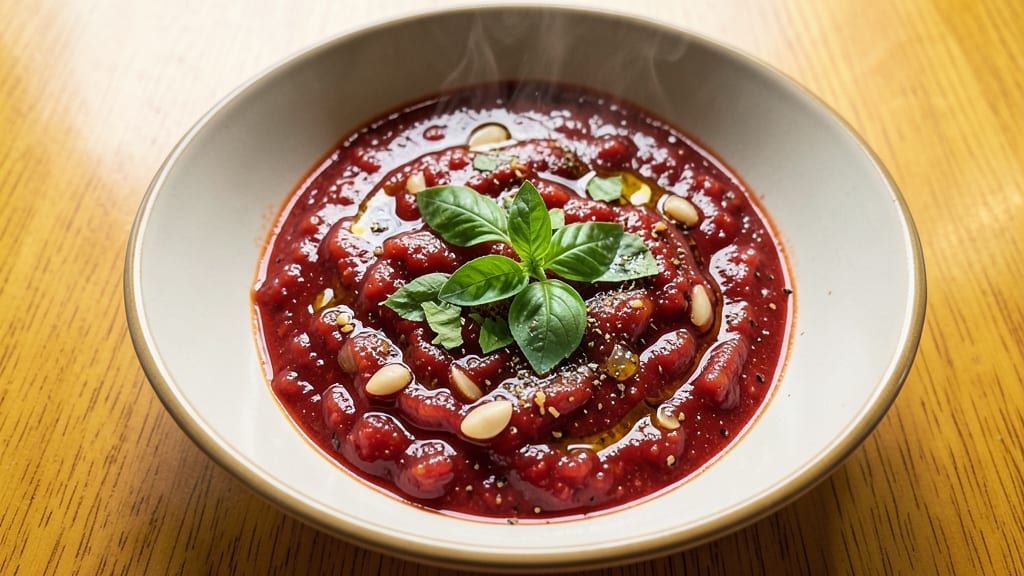
This amazing pizza sauce recipe transforms your homemade pizza night from ordinary to extraordinary with just a few simple ingredients. The secret lies in balancing sweet tomatoes, aromatic garlic, and fresh herbs—creating a sauce that's rich, flavorful, and packed with a subtle kick that makes every bite unforgettable.
I've been perfecting this recipe for years, and it's the one my family begs me to make every time we fire up the oven.
The beauty of this sauce is its versatility—it works perfectly for classic pepperoni pies, veggie-loaded creations, or even as a marinara for pasta.
The sauce simmers down to a thick, velvety consistency that clings beautifully to dough without making it soggy, and the hidden garlic kick adds depth that store-bought sauces can't match. Plus, it keeps well in the fridge for up to a week or freezes perfectly for future pizza nights.
What makes this sauce truly special is how easy it is to customize. Want it spicier? Add a pinch of red pepper flakes. Prefer a white sauce? Swap tomatoes for heavy cream and garlic.
The base is simple—just tomatoes, garlic, onions, and herbs—but the flavor builds to something restaurant-quality. Trust me, once you taste this sauce, you'll never go back to bottled versions.
Ready in just 30 minutes and requiring only 6 ingredients, this sauce is the perfect way to elevate any pizza night. Whether you're feeding a crowd or treating yourself to a solo meal, this bold tomato base will become your new go-to. Let's get cooking!
Ingredients for amazing pizza sauce
Six simple ingredients make this pizza sauce the secret weapon for your next pizza night.
| Ingredient | Amount | Notes |
|---|---|---|
| San Marzano Tomato Crushed 🍅 | 28 oz | Canned, no salt added |
| Garlic Cloves 🧄 | 4 cloves | Fresh, peeled, minced fine |
| Yellow Onion 🧅 | 1 whole | Medium, finely diced |
| Extra-Virgin Olive Oil 🫒 | ½ cup | High quality, fruity |
| Fresh Basil Leaves 🌿 | ¼ cup | Packed, stems removed |
| Dried Oregano 🍃 | 1 tsp | Mexican oregano preferred |
| Salt 🧂 | 1 tsp | Diamond Crystal preferred |
| Black Pepper 🌶️ | ½ tsp | Freshly ground preferred |
| Red Pepper Flakes 🔥 | ½ tsp | Adjust to taste for heat |
San Marzano tomatoes are the game-changer here—they're sweeter and less acidic than regular canned tomatoes. Grab a can or two from Trader Joe's or Whole Foods if you want to splurge. The garlic is where the magic happens, so don't skimp. Freshly minced is best, but if you're in a pinch, pre-minced works. For the onion, I always grab a yellow one—it's milder than red and won't overpower the sauce. The olive oil should be fruity and peppery—California brands like Corto or Colavita are my go-tos. Fresh basil is ideal, but dried oregano at half the amount works in a bind.
No San Marzano tomatoes? Any high-quality canned tomatoes will do—just drain them well. Swap the fresh basil for dried basil at one-third the amount. Want to skip the red pepper flakes? Add a pinch of cayenne instead. The sauce can be made with just the basics (tomatoes, garlic, onion, and herbs), but the olive oil adds that silky texture. If you're making a big batch, double the oil—it keeps everything balanced. For a white pizza sauce, swap tomatoes for heavy cream and garlic, but keep the same herbs and spices.
This sauce keeps beautifully—1 week in the fridge or 6 months in the freezer. I like to portion it into ice cube trays for easy use later. The flavor actually improves after a day or two as everything melds together. If it gets too thick, just stir in a splash of water or tomato paste. For extra richness, stir in a spoonful of butter or cream when reheating. Trust me, you'll want to make a double batch—it disappears fast.
Why You'll Love This Recipe
- No-Sweat Simplicity: I swear by this sauce because it’s literally three ingredients plus time—no peeling cans, no blenders, no stress. Just crush tomatoes, sauté onions and garlic in olive oil until soft, toss in basil, and simmer. That’s it. Even my college apartment version worked.
- Umami Bomb: The San Marzano tomatoes alone make this sauce sing, but the garlic and olive oil? They turn it into something dangerously flavorful. Low and slow caramelizes the onion just enough to give it that deep, savory edge—no sugar or spices needed.
- Pantry Staple Power: This sauce doubles as marinara, dipping sauce, or even a quick pasta topping. I’ve used it for lazy Sunday breakfasts (yes, on toast) and last-minute dinner rescues. The basil keeps it fresh, so it never feels like a repeat.
- Budget-Friendly Luxury: A single can of San Marzano tomatoes and a bulb of garlic stretch into weeks of sauce. I make a big batch, freeze half, and still have leftovers for lunch the next day. Fancy enough for company, cheap enough for Tuesday nights.
Step-by-step instructions for bold tomato pizza sauce
Here's how to build a sauce that delivers deep flavor and perfect texture every time.
Sauté Aromatics Until Fragrant
Heat the 0.5 cup extra-virgin olive oil in a medium saucepan over medium heat. Add the 1 whole yellow onion and cook for 5-6 minutes until softened and translucent. You'll know it's ready when the onion releases its sweet aroma and loses its sharp bite.
Add the 4 cloves minced garlic and cook for another 30 seconds until fragrant—don't let it brown or it'll turn bitter. Here's the thing: cooking the garlic low and slow extracts its sweetness without any harsh flavors. If you smell anything burning, immediately reduce the heat to low and keep stirring.
Build the Tomato Base
Pour in the 28 oz San Marzano tomato crushed and stir to combine with the aromatics. Bring the mixture to a gentle simmer over medium-low heat, then reduce heat to low and let it cook uncovered for 20-25 minutes. You're looking for the sauce to thicken slightly and develop concentrated tomato flavor.
I like to stir occasionally but not constantly—this prevents the sauce from breaking or becoming too thick. If it gets too thick too soon, add 1-2 tablespoons of water to loosen it. The sauce should coat the back of a spoon but still be pourable. This slow cooking process builds deep, complex flavor that store-bought sauces can't match.
Season and Finish with Herbs
Add the 1 tsp dried oregano, 1 tsp salt, 0.5 tsp black pepper, and 0.5 tsp red pepper flakes. Stir well to distribute the seasonings evenly. Let the sauce simmer for another 5 minutes to allow the flavors to meld together. Taste and adjust seasoning if needed—this is where you can really make the sauce your own.
Remove the pan from heat and stir in the 0.25 cup fresh basil leaves. The basil adds a bright, fresh finish that balances the rich tomato flavor. Let the sauce sit off the heat for 5 minutes to allow the basil to infuse fully. The sauce will continue to thicken slightly as it cools, so don't worry if it looks a bit runny right now.
Cool and Store Properly
Transfer the sauce to a clean jar or container and let it cool completely at room temperature. This cooling process allows the flavors to settle and develop even more depth. Once cooled, you can store it in the refrigerator for up to 5 days or freeze it for up to 3 months.
When you're ready to use it, give the sauce a good stir—it will thicken as it cools, so you may want to add 1-2 tablespoons of water to loosen it before spreading on pizza dough. The sauce should be vibrant red, aromatic, and perfectly balanced between sweet tomato, aromatic garlic, and fresh basil. This is the kind of sauce that makes every pizza taste like it came from a Neapolitan trattoria.
Pro Tips For Making Amazing Pizza Sauce
- Sweat the Onion First: I learned this the hard way—chopping onions and tossing them raw into the pot just makes your sauce taste dull and watery. Take 3 minutes to cook the diced yellow onion in olive oil over medium-low heat until it’s translucent and just starting to caramelize. That sweetness builds flavor you can’t get any other way.
- Crush Garlic Gently: Mince those garlic cloves, not smash them into oblivion. Overworking garlic turns it bitter, and that’s the last thing you want in a bright, fresh pizza sauce. Lightly crush each clove with the flat side of your knife, then make shallow cuts—just enough to release the aroma without turning it into garlic paste.
- Simmer Low and Slow: High heat ruins tomato sauce faster than you’d think. After adding crushed tomatoes, drop the heat to a bare simmer and let it cook uncovered for at least 20 minutes. This concentrates the flavors and thickens the sauce naturally—no need to stir constantly, just let it do its thing.
- Salt in Stages: Add half your salt at the start, then taste again after 15 minutes of simmering. San Marzano tomatoes are sweeter than most, so you’ll likely need more than you’d use with regular canned tomatoes. Fresh basil at the end? Hold off on extra salt—it’ll mellow out the sharpness.
Perfect pairings for these flavors
Garlic Bread Pairing
No pizza is complete without garlic bread, and this sauce pairs perfectly with a classic Italian-style loaf. I like to use a baguette-style crusty bread (like Bread Slices French Baguette), slather it with 3 tbsp softened butter mixed with 2 minced garlic cloves and 1 tsp dried parsley.
Toast it in the oven at 375°F for 8-10 minutes until golden and crispy. The garlic in the sauce and bread will create a harmonious flavor bridge that takes your pizza night to the next level. 🥖
White Wine Pairings
For a classic Italian experience, pair this bold tomato sauce with a crisp Pinot Grigio or Vermentino. These whites have bright acidity that cuts through the richness of the sauce while complementing the garlic and herbs.
I recommend a Chardonnay with a touch of oak if you prefer something creamier—it balances the acidity beautifully. Avoid heavy reds like Cabernet, as they can overpower the delicate tomato flavors. 🍷
Beer Pairings
A light Italian lager like Peroni or Birra Moretti is my go-to beer pairing. The crisp, clean profile enhances the sauce's garlic and basil notes without competing. For craft beer lovers, try a Belgian witbier like Hoegaarden—its citrusy coriander and orange peel flavors create a refreshing contrast.
If you prefer something bolder, a pilsner works well too. Just avoid heavy IPAs or stouts, as they can clash with the sauce's bright tomato base. 🍺
Side Salad Contrast
A simple arugula salad with a light lemon vinaigrette adds a refreshing contrast to the rich pizza sauce. Toss 4 cups baby arugula with 2 tbsp extra-virgin olive oil, 1 tbsp fresh lemon juice, 1 tsp honey, and a pinch of salt.
The peppery arugula balances the sauce's sweetness, while the citrus brightens the garlic notes. For extra crunch, top with toasted pine nuts or shaved Parmesan. 🥗
Dessert Pairing
End your pizza night with a simple dessert that complements the meal's Italian flavors. A classic limoncello sorbet or affogato (vanilla gelato drowned in espresso) pairs beautifully. The citrusy sorbet cleanses the palate after the rich tomato sauce, while the affogato adds a decadent finish.
For something lighter, try panna cotta with berry compote—the creamy texture contrasts nicely with the sauce's bold flavors. 🍮
Spicy Kick Add-Ons
If you love heat, add hot honey drizzle or spicy arrabbiata sauce to your pizza before serving.
The hot honey (mix ½ cup honey with 1 tsp cayenne) adds sweetness and fire, while the arrabbiata sauce (blend 1 cup tomato sauce, 2 garlic cloves, and 1 tsp red pepper flakes) deepens the garlic kick.
Both pair perfectly with this sauce and elevate the dish to restaurant-quality spice levels. 🌶️
Nutrition facts
Frequently asked questions
Can I make this sauce without fresh garlic?
Yes, but the flavor will be less vibrant. Use 1 teaspoon garlic powder or ½ teaspoon granulated garlic for every 1 clove fresh called for. For best results, toast the garlic powder in the olive oil for 30 seconds before adding tomatoes to deepen its flavor. Fresh garlic adds a complexity that dried can't fully replicate.
How do I adjust the thickness for different pizza styles?
For Neapolitan-style pizza, let the sauce cool completely—it'll thicken naturally. For New York-style, thin it slightly with 1 tablespoon water per cup of sauce before using. If it's too thick after cooling, reheat gently and stir in water gradually until it reaches your desired consistency. The sauce should coat the back of a spoon but still spread smoothly.
What's the best way to reheat leftover sauce?
Gently reheat in a saucepan over low heat for 3-5 minutes, stirring frequently. Never microwave—it can make the sauce watery. For extra richness, stir in 1 teaspoon butter or cream while reheating. If the sauce separates, whisk vigorously to recombine. This sauce actually tastes better after reheating as flavors meld further.
Can I make this sauce vegan?
Skip the butter/cream when reheating and use vegan olive oil and check your tomato brand for animal-derived additives. For extra umami, add 1 teaspoon nutritional yeast or ½ teaspoon smoked paprika to the finished sauce. The flavor remains rich and complex while being completely plant-based.
Why did my sauce turn out too acidic?
This usually happens from using regular canned tomatoes instead of San Marzano or overcooking. Next time, balance acidity by adding ½ teaspoon sugar or 1 teaspoon balsamic vinegar to the finished sauce. For prevention, simmer the sauce uncovered for no more than 25 minutes—longer cooking intensifies acidity.