
Sauces & Condiments
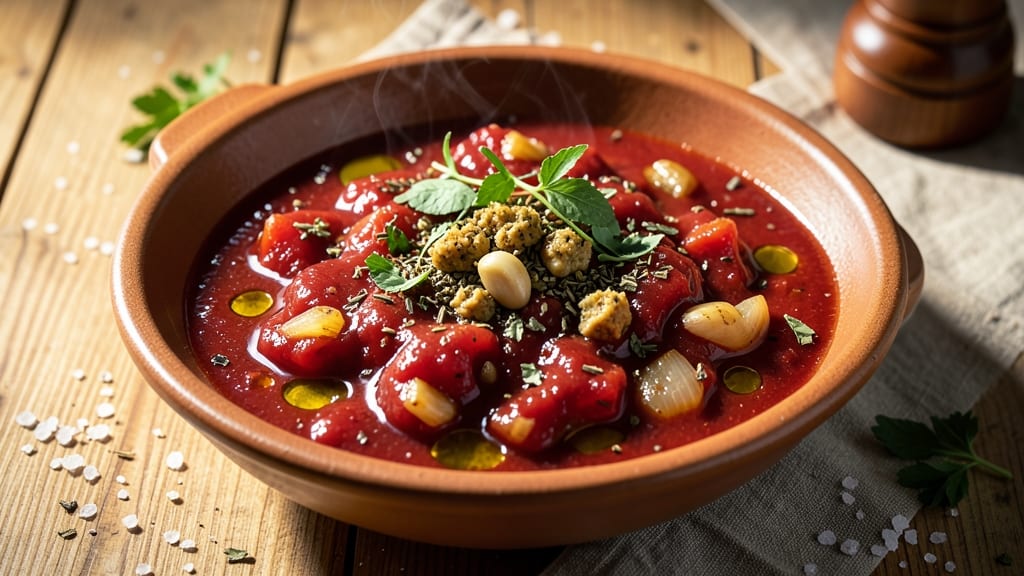
This American spaghetti sauce recipe delivers deep, slow-simmered flavor without relying on meat—just rich tomatoes, aromatic herbs, and a touch of sweetness. The secret lies in caramelizing onions and garlic until golden, then letting the sauce develop complex umami over 45 minutes of gentle simmering.
Every spoonful becomes velvety and balanced, perfect for pasta or lasagna layers.
The foundation starts with crushed tomatoes and a blend of dried oregano, basil, and red pepper flakes for warmth. A splash of red wine adds depth, while a pinch of sugar rounds out acidity.
Unlike quick sauces, this one builds layers of flavor through time—no shortcuts, just patience. The result? A sauce so rich it clings to noodles like a restaurant-quality embrace.
What sets this apart is its versatility—use it as a marinade, pizza topping, or standalone dip. The texture stays smooth yet chunky from simmered tomatoes, and you can adjust thickness with pasta water.
Whether you're feeding a family or meal prepping, this sauce keeps well for 5 days in the fridge or 3 months frozen.
Ready in under an hour but worth every minute, this sauce transforms simple ingredients into something extraordinary. The aroma alone will have everyone gathering at the table. Let’s make it—your taste buds will thank you.
Ingredients for american spaghetti sauce
Rich tomatoes, caramelized onions, and aromatic herbs transform into velvety umami sauce perfect for pasta or lasagna layers.
| Ingredient | Amount | Notes |
|---|---|---|
| Crushed Tomatoes (46 oz Can) 🍅 | 1 can | San Marzano preferred for sweetness |
| Yellow Onions 🧅 | 2 whole | Medium size, finely chopped |
| Garlic Cloves 🧄 | 4 cloves | Freshly minced for aroma |
| Extra-Virgin Olive Oil 🫒 | ¼ cup | High-quality, fruity variety |
| Dried Oregano 🌿 | 2 tsp | Mexican oregano preferred |
| Dried Basil 🌿 | 1 tsp | Sweet basil preferred |
| Red Pepper Flakes 🌶️ | ½ tsp | Adjust for heat preference |
| Granulated Sugar 🍚 | 1 tbsp | Balances acidity |
| Red Wine 🍷 | ½ cup | Bold, dry variety |
| Vegetable Broth 💧 | 1 cup | Low-sodium preferred |
| Salt 🧂 | 1 ½ tsp | Diamond Crystal kosher |
| Black Pepper 🌶️ | ½ tsp | Freshly ground preferred |
The onions and garlic are the flavor anchors here. Yellow onions work best—they caramelize beautifully without turning bitter. Whole Foods or Trader Joe's carry the sweetest varieties, but any medium yellow onion will do. For garlic, freshly minced makes all the difference—pre-minced loses potency fast. The crushed tomatoes? San Marzano is the gold standard for sweetness and low acidity, but any quality canned tomatoes will work. Just don't use the watery, pulpy kind—you want that thick, meaty texture.
No red wine? Dry white wine or extra vegetable broth works in a pinch, though the color won't be as rich. Dried herbs are fine, but fresh basil if you've got it—toss half in at the end for brightness. The sugar might seem odd, but it's crucial to balance the acidity of the tomatoes. Coconut sugar or brown sugar can substitute if you prefer. For extra depth, a pinch of balsamic vinegar at the end adds complexity. And if you're making this ahead, the flavors actually improve over time—let it sit overnight before using.
This sauce keeps beautifully. 5 days in the fridge, sealed tightly, or 3 months frozen in airtight containers. I like to portion it into 1-cup servings for easy reheating—just thaw overnight in the fridge. If it thickens too much, add a splash of pasta water when reheating. For serving, a sprinkle of fresh basil or a drizzle of extra-virgin olive oil takes it to the next level. Leftovers? Toss with cooked pasta or use as a marinade for chicken or tofu.
Why You'll Love This Recipe
- Pantry-Friendly Magic: I swear by this recipe because it lives entirely in my pantry. One can of crushed tomatoes, a half-dozen garlic cloves, and a single onion—no fresh herbs, no fancy prep. Honestly, I’ve made it at 11 p.m. after forgetting to grocery shop.
- Garlic-Oregano Bomb: That first taste of simmered garlic and crushed tomatoes with just a pinch of oregano? It’s the kind of flavor that makes you pause mid-bite. The olive oil ties it all together—rich but not heavy, with that bright acidity from the tomatoes cutting through.
- Meal Prep MVP: This sauce doubles as marinara for meatballs, a quick pizza base, or even a weeknight soup. I’ll be real: I’ve frozen half of a batch and thawed it for tacos on a lazy Sunday. It’s my secret weapon for turning simple meals into something special.
- Budget That Works: A 46-ounce can of tomatoes lasts me months—I use it for everything. The onions and garlic are cheap staples, and I’m not even kidding when I say this recipe costs me less than $5 total. That’s a whole lot of flavor for almost nothing.
Step-by-step instructions for slow-simmered American spaghetti sauce
This rich, meatless sauce builds depth through slow simmering and aromatic layers.
Sauté the Aromatic Base
Heat the 0.25 cup extra-virgin olive oil in a large Dutch oven over medium heat until shimmering. Add the 2 whole yellow onions, chopped into even ¼-inch dice, and cook for 8-10 minutes until softened and translucent. Here's the thing—don't rush this step. You want the onions to caramelize slightly at the edges, which adds sweetness and complexity to the sauce.
Stir occasionally to prevent burning, and if the onions start to brown too quickly, reduce the heat to medium-low. Once they're tender, add the 4 cloves garlic cloves, freshly minced, and cook for another 30 seconds until fragrant. The garlic should sizzle gently but not burn—burnt garlic makes the sauce bitter. Remove the pan from heat briefly if it's getting too aggressive.
Build Flavor with Wine and Tomatoes
Return the pan to medium heat and pour in the 0.5 cup red wine, scraping up any browned bits from the bottom of the pan with a wooden spoon. This deglazing step captures all the flavor you've built so far. Let the wine simmer for 3-4 minutes until it reduces by half and the alcohol smell dissipates. You'll know it's ready when the mixture looks syrupy and the wine's sharpness softens.
Add the 1 can crushed tomatoes (46 oz) and stir gently to combine. The tomatoes should be fully incorporated, but don't over-stir at this stage—you want to preserve some of their texture. Sprinkle in the 2 tsp dried oregano, 1 tsp dried basil, 0.5 tsp red pepper flakes, and 1 tbsp granulated sugar. The sugar might seem odd, but it balances the acidity of the tomatoes and enhances the natural sweetness of the sauce.
Simmer to Develop Depth
Bring the sauce to a gentle boil over medium-high heat, then immediately reduce the heat to low. Cover the Dutch oven with a lid and let it simmer for 45-60 minutes, stirring occasionally. This slow simmering allows the flavors to meld and the sauce to thicken naturally. You'll notice the sauce reducing and becoming richer as it cooks—this is where the magic happens.
After 30 minutes, add the 1 cup vegetable broth and the remaining 1.5 tsp salt and 0.5 tsp black pepper. The broth adds moisture and depth, while the salt and pepper round out the flavors. Taste the sauce at this point—you might find it needs more salt or a touch more acidity. Adjust as needed, but remember that the sauce will continue to concentrate as it simmers.
Finish with Texture and Balance
Once the sauce has simmered for the full 45-60 minutes, remove the lid and increase the heat to medium. Let it reduce for another 10-15 minutes, stirring occasionally, until it reaches your desired consistency. The sauce should coat the back of a spoon smoothly but still have a slight body to it. If it's too thick, add a splash of water or broth to loosen it.
For extra richness, you can stir in a pat of butter or a drizzle of olive oil at the end—this adds a silky texture and balances the acidity. Taste one final time and adjust the seasoning if needed. The sauce should be vibrant, with bright tomato flavors, a hint of sweetness from the sugar, and a subtle warmth from the red pepper flakes. Serve immediately over al dente spaghetti, or let it cool and store for up to 5 days in the refrigerator.
Pro Tips For Making American Spaghetti Sauce
- Sweat the Onions First: I learned this the hard way—skip this step, and your sauce will taste raw and bitter. Dice the onion into even ¼-inch pieces, then cook them in olive oil over medium heat until they’re translucent and just starting to caramelize (about 8-10 minutes). This isn’t just about flavor; it’s the foundation for everything else.
- Crush the Garlic Properly: Don’t mince it—smashed cloves release flavor without burning. Peel the garlic, then lay each clove flat on the cutting board and press down hard with the side of your knife (no chopping needed). Add them to the pot when the onions are soft, and let them cook for 30 seconds until fragrant but not browned. Overcooking turns garlic bitter, and nobody wants that.
- Simmer, Don’t Boil: After adding the crushed tomatoes, lower the heat to a gentle simmer—not a rolling boil. I used to rush this, and the sauce would split or taste thin. Keep it at a steady bubble, skimming off any foam that rises. This slow cook lets the flavors meld without breaking down the texture. (Yes, even if you’re impatient like me.)
- Toast the Oregano: Sounds weird, but it works: sprinkle the dried oregano over the onions and garlic before adding the tomatoes. Let it bloom in the oil for 30 seconds—this wakes up its flavor instead of letting it sit like a flavorless dust. Skip this, and your sauce will taste like it’s missing something. (Your future self will thank you.)
Creative variations of this american spaghetti sauce
Italian-Inspired Twist
Swap the red wine for ½ cup dry white wine and add 1 tsp dried thyme for an Italian-inspired variation. Use San Marzano tomatoes exclusively and finish with fresh basil leaves instead of dried. This version works perfectly with penne pasta or as a base for homemade lasagna. 🍷
Spicy Arrabbiata
Double the red pepper flakes to 1 tsp and add 1 tsp crushed fennel seeds for a fiery, Italian-inspired arrabbiata sauce. Stir in ½ cup heavy cream at the end for a velvety texture. Serve with spaghetti and sprinkle with grated Parmesan cheese for a restaurant-worthy dish. 🌶️
White Pizza Sauce
Replace the tomatoes with 1 cup ricotta cheese blended with ½ cup heavy cream, 1 tsp garlic powder, and ½ tsp salt. Simmer for 15 minutes instead of 45.
This creamy base is perfect for white pizza or as a dip for crusty bread. Add fresh mozzarella and basil before serving. 🍕
BBQ-Inspired Sauce
Add ½ cup BBQ sauce (like Sweet Baby Ray's) along with the wine, and stir in 1 tbsp smoked paprika and ½ tsp liquid smoke at the end. This smoky, tangy sauce pairs perfectly with pulled pork sandwiches or as a marinade for grilled chicken. 🔥
Vegetarian Powerhouse
Boost nutrition by adding 1 cup cooked lentils or ½ cup mushrooms (finely chopped) during the final 10 minutes of simmering. For extra depth, stir in 1 tbsp nutritional yeast at the end. This hearty version is perfect for veggie-packed pasta dishes or as a filling for stuffed shells. 🌱
Breakfast Twist
Use this sauce as a base for breakfast by adding 1 cup shredded cheddar cheese and ½ cup cooked breakfast sausage (or veggie sausage for a vegetarian option).
Serve over hash browns or as a dip for breakfast tacos. The sweet and savory flavors make it a unique morning meal. 🍳
Nutrition facts
Frequently asked questions
Can I make this sauce without red wine?
Replace the 0.5 cup red wine with 0.5 cup dry white wine or 1 cup extra vegetable broth. For depth, add 1 tsp balsamic vinegar or ½ tsp soy sauce to mimic the wine's umami. The sauce will still develop rich flavors—just expect a slightly lighter color.
How do I adjust the thickness of the sauce?
If your sauce is too thick, thin it with pasta water (1-2 tbsp at a time) or vegetable broth. For extra body, simmer uncovered for 10-15 minutes longer to reduce. Pro tip: Stir in 1 tbsp cornstarch mixed with 2 tbsp water for instant thickening. Always taste as you go!
Can I make this sauce in a slow cooker?
Yes! Follow the same steps for sautéing onions/garlic, then transfer everything to a 6-quart slow cooker. Cook on low for 6-8 hours or high for 3-4 hours, stirring occasionally. The slow cooker intensifies flavors naturally—just add broth as needed to prevent burning. Perfect for hands-off cooking!
Why does my sauce taste too acidic?
Acidity comes from tomatoes and wine. Balance it by adding ½ tsp sugar (or 1 tbsp tomato paste) to deepen flavor, or stir in 1 tbsp heavy cream or 1 tsp butter to mellow the tang. A pinch of salt also helps round out sharpness. Taste as you go—adjust gradually!
How can I add meat to this vegetarian sauce?
For a meaty version, brown ½ lb Italian sausage or ground beef first, then drain excess fat. Stir it into the sauce during the final 10 minutes of simmering. For extra richness, add 1 tbsp Worcestershire sauce or 1 tsp smoked paprika. The sauce will absorb the meat's flavors beautifully!