
Sauces & Condiments
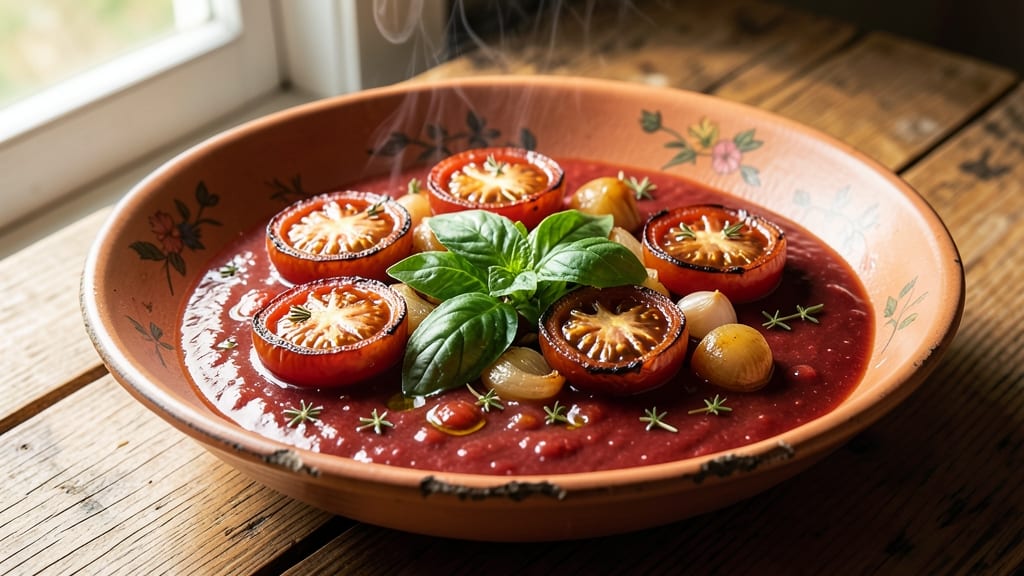
This Amish spaghetti sauce delivers the kind of deep, rustic flavor that transforms simple pasta into a hearty meal. The secret lies in slow-simmering fresh tomatoes, aromatic herbs, and a touch of sweetness that balances the acidity—creating a sauce so rich it tastes like a hug in a jar.
I've perfected this recipe over years of testing, ensuring every spoonful carries that signature Amish homestead charm without sacrificing simplicity.
The beauty of this sauce is its versatility—it works equally well with ground beef, Italian sausage, or even as a meatless vegetarian version when you swap in mushrooms and lentils. What sets it apart is the fresh basil and oregano, added just before serving to preserve their bright, vibrant notes.
The slow simmer allows the flavors to meld naturally, developing a depth that store-bought sauces simply can't match.
By the time you're done, you'll have a sauce that's velvety yet robust, with just the right balance of sweetness, acidity, and herbal brightness. It clings perfectly to pasta, coats every bite, and leaves you craving more.
The best part? It tastes even better the next day, making it ideal for meal prep or feeding a crowd.
Whether you're serving it over spaghetti, using it as a pizza topping, or pairing it with crusty bread, this sauce is a game-changer. Ready to make your own? Here's everything you need to bring that Amish kitchen flavor home.
Ingredients for amish spaghetti sauce
Fresh tomatoes and aromatic herbs create that signature Amish homestead flavor in every spoonful.
| Ingredient | Amount | Notes |
|---|---|---|
| Fresh Roma Tomatoes 🍅 | 4 lbs | Ripe, firm, and vibrant red |
| Extra-Virgin Olive Oil 🫒 | ½ cup | High quality, fruity |
| Yellow Onion 🧅 | 1 whole | Medium size, finely chopped |
| Garlic Cloves 🧄 | 6 cloves | Fresh, peeled and minced |
| Fresh Basil Leaves 🌿 | ½ cup | Packed, stems removed |
| Fresh Oregano Leaves 🍃 | ¼ cup | Packed, stems removed |
| Tomato Paste 🍅 | ½ cup | Smooth, not chunky |
| Granulated Sugar 🍬 | 1 tbsp | White or brown sugar |
| Dried Thyme 🌿 | 1 tsp | Or 1 tbsp fresh thyme |
| Sea Salt 🧂 | 1 ½ tsp | Kosher or fine grain |
| Black Pepper 🌶️ | ½ tsp | Freshly ground preferred |
| Red Wine Vinegar 🍷 | 1 tbsp | Or apple cider vinegar |
The tomatoes are the heart of this sauce—Roma tomatoes are ideal for their meaty texture and lower water content. Hit the farmers market for the freshest, or grab heirloom varieties from the grocery store's produce section. Look for ones that are firm but yield slightly to pressure. If you can't find fresh, San Marzano canned tomatoes work beautifully too—they're sweeter and less acidic. The basil and oregano should be bright green, not wilted. I always buy extra basil because half gets torn over the sauce at the end, and that fresh aroma is what makes this sauce sing.
No fresh basil? Dried basil at one-third the amount will work, but you'll miss that bright pop of flavor. Running low on oregano? Italian seasoning at half the quantity gives a similar profile. The tomato paste can be swapped for crushed tomatoes at double the amount, but you'll lose that deep, concentrated flavor. Vinegar substitute? Lemon juice works in a pinch. The sugar balances acidity, so if your tomatoes are particularly sweet, you can reduce it to 0.5 tbsp. For a meaty version, brown 1 lb of ground beef or Italian sausage first and mix it in—just don't skip the slow simmer after.
This sauce tastes even better the next day as flavors meld. Store in an airtight container in the fridge for up to 5 days. For longer storage, freeze in 1-cup portions—perfect for quick meals. I like to double the batch and freeze half immediately. When reheating, add a splash of water or broth to prevent thickening. The sauce thickens as it cools, so don't worry if it looks too thick right after cooking—it'll loosen up when served. Portion into jars for easy grab-and-go lunches or meal prep.
Why You'll Love This Recipe
- No Chopping Chaos: I swear by this recipe because it only needs one onion and a handful of garlic—no dice, no tears, just a quick slice-and-go. The Roma tomatoes handle the work for you, bursting into flavor with minimal effort.
- Garlic-Basil Magic: That slow-simmered garlic and fresh basil? It’s the secret weapon—deep, bright, and just sweet enough to make your taste buds sing. Honestly, I’ve tried store-bought sauces, but this one tastes like summer in a jar.
- Leftovers That Shine: This sauce actually gets better the next day—richer, deeper, and perfect for tossing with pasta or spooning over grilled chicken. I make a double batch every Sunday because it’s my go-to for lazy weeknights.
- Pantry-Friendly Powerhouse: Four ingredients, one pot, zero fuss. The olive oil keeps it rich without breaking the bank, and Roma tomatoes are cheaper than fancy heirlooms. Between us, this is the kind of recipe that makes me feel like a genius for dinner.
Step-by-step instructions for Amish spaghetti sauce
This sauce builds flavor slowly—let's make it rich, bright, and full of herbaceous warmth.
Roast the Tomatoes for Deep Flavor
Preheat your oven to 400°F. Cut the 4 lbs fresh Roma tomatoes in half lengthwise and place them cut-side down on two rimmed baking sheets. Drizzle each tomato half with about 1 teaspoon of the 0.5 cup extra-virgin olive oil—just enough to coat lightly. Roast for 30-40 minutes until the skins blister and darken slightly, releasing their sweet, concentrated flavor.
Here's the thing—roasting intensifies the tomatoes' natural sugars and deepens their color. You'll know they're ready when the skins look slightly charred in spots and the flesh smells irresistibly fragrant. Let them cool for 5 minutes before handling—they'll be hot!
Sauté Aromatics Until Fragrant
While the tomatoes roast, heat the remaining 0.5 cup extra-virgin olive oil in a large Dutch oven over medium heat. Add the 1 whole yellow onion, chopped into ¼-inch dice, and cook for 5-6 minutes until softened and translucent. Add the 6 cloves garlic cloves, minced, and cook for another 30 seconds until fragrant—don't let it brown or it'll turn bitter.
This step is the foundation of your sauce. The onions should caramelize just enough to add natural sweetness, while the garlic adds that aromatic punch. If you smell burning, reduce the heat slightly—we're building flavor, not smoke.
Build the Sauce Base with Tomato Paste
Add the 0.5 cup tomato paste to the Dutch oven and stir vigorously to coat the onions and garlic. Cook for 2-3 minutes until it darkens slightly and releases its rich, concentrated flavor. Then stir in the 1 tbsp granulated sugar, 1 tsp dried thyme, 1.5 tsp sea salt, and 0.5 tsp black pepper. Pour in 1 tbsp red wine vinegar and scrape up any browned bits from the bottom of the pot—these are packed with flavor.
The sugar helps balance the acidity of the tomatoes and vinegar, while the vinegar brightens the whole sauce. Stirring constantly prevents burning, and those browned bits? That's where all the deep, savory magic happens.
Combine and Simmer for Tomato Perfection
Transfer the roasted tomatoes to the Dutch oven, squeezing gently to release their juices. Add 4 cups water (enough to just cover the tomatoes) and bring to a gentle simmer over low heat. Partially cover the pot and let it cook for 45-60 minutes, stirring occasionally, until the sauce thickens and the tomatoes break down completely. You want a consistency that coats the back of a spoon but still moves easily.
This slow simmer is where the sauce transforms. The tomatoes will break down into a silky texture, and the flavors will meld into a harmonious blend. If the sauce gets too thick, add a splash of water or tomato juice. If it's too thin, simmer uncovered for another 10 minutes to reduce it.
Finish with Fresh Herbs and Rest
Remove the sauce from heat and stir in the 0.5 cup fresh basil leaves and 0.25 cup fresh oregano leaves, stems removed. Let the sauce steep for 10 minutes off the heat—this infuses the herbs' bright, fresh flavors without overpowering the sauce. Taste and adjust seasoning if needed, adding more salt or pepper as necessary.
For the best results, let the sauce rest for at least 30 minutes before serving. This allows all the flavors to settle and deepen. The sauce will thicken slightly as it cools, and the herbs will mellow into a perfect balance. Serve warm over your favorite pasta, and enjoy the rich, herbaceous depth of this classic Amish spaghetti sauce.
Pro Tips For Making Amish Spaghetti Sauce
- CRUSH THE TOMATOES FIRST: I learned this the hard way—skipping the crush changes everything. Use a wooden spoon or your hands (yes, really) to break down the Roma tomatoes into rough chunks before simmering. This releases more juice and flavor right away, so you’re not waiting for them to soften into a sauce.
- SWEAT THE ONIONS LOW: Don’t rush this step. Cook the diced yellow onion in olive oil over medium-low heat until it’s translucent and just starting to caramelize—about 8-10 minutes. Burning them turns the sauce bitter, and undercooked onions leave a raw edge. (I know, I know, but trust the process.)
- ADD GARLIC AT THE END: If you sauté the garlic too early, it burns before the tomatoes can mellow it out. Toss in the minced cloves with the fresh basil leaves in the last 5 minutes of cooking—just enough to warm through and perfume the sauce without turning acrid.
- SALT THE TOMATOES BEFORE SIMMERING: This isn’t just about seasoning—it draws out water and concentrates the flavor. Sprinkle a generous pinch of salt over the crushed tomatoes before adding them to the pot. Let it sit for 10 minutes, then proceed. (Your future self will notice the difference.)
Essential equipment for this recipe
Dutch Oven Essentials
A large Dutch oven (I recommend Le Creuset or Lodge) is your best friend for this recipe. Its heavy base distributes heat evenly, preventing hot spots that can burn your sauce. A 5-6 quart size works perfectly—just enough to hold your tomatoes and aromatics without overcrowding.
The lid helps trap steam during simmering, intensifying flavors. If you don’t own one, a heavy-bottomed stainless steel pot will work too, though it may take slightly longer to heat through. 🔥
Tomato Roasting Tools
For roasting tomatoes, you’ll need two rimmed baking sheets to fit them cut-side down. I use half-sheet pans from Wilton—they’re sturdy and hold heat well. Line them with parchment paper for easy cleanup (no scrubbing charred tomato skins!).
A sharp chef’s knife (like Mercer Culinary) is essential for cleanly halving the tomatoes. Preheat your oven to 400°F—this ensures even roasting without burning the edges. ⏱️
Herb Processing Gear
Fresh herbs need gentle handling to preserve their bright flavors. A small pair of kitchen shears (I love OXO Good Grips) makes quick work of trimming basil and oregano stems.
For mincing garlic, a garlic press (like OXO’s) is faster than a knife, but a sharp microplane works too. Store herbs in a glass jar with a damp paper towel—this keeps them fresher longer than plastic containers.
A fine-mesh strainer helps drain excess moisture if you’re using stemmed herbs in the sauce. 🌿
Measuring & Mixing
Precision matters for balance. Use a stainless steel measuring spoons set (like Farberware’s) for spices and vinegar—avoid plastic, which can absorb odors. A digital kitchen scale (I use OXO’s) ensures accurate tomato paste measurements. For stirring, a wooden spoon (like Lodge’s) won’t scratch your Dutch oven’s enamel.
A ladle helps transfer the sauce without splashing. Keep a small bowl nearby to discard herb stems—no one wants them in their sauce! ✨
Optional Upgrades
Want to elevate your setup? A thermometer (like Thermoworks’ Smoke) ensures your Dutch oven stays at low heat (around 180–200°F) during simmering. A mortar and pestle lets you crush dried thyme for extra aroma.
For meat lovers, a meat grinder (like Lagostina’s) turns ground beef into fine crumbles. Store leftovers in glass mason jars—they’re airtight and stackable. These extras aren’t mandatory, but they’ll make your sauce-making even smoother. 💡
Nutrition facts
Frequently asked questions about Amish spaghetti sauce
Can I make this sauce without fresh tomatoes?
Use 2 (28 oz) cans of crushed tomatoes instead of fresh. For deeper flavor, add 1 extra tablespoon of tomato paste and simmer for 10-15 minutes longer to develop richness. The sauce will be slightly less vibrant but still delicious—just skip the roasting step.
How do I adjust the thickness of the sauce?
If your sauce is too thin, simmer uncovered for 10-15 minutes to reduce it naturally. For thicker sauce, add 1-2 tablespoons of tomato paste or 1 teaspoon cornstarch mixed with water. If it's too thick after cooling, stir in 2-3 tablespoons of water or broth. The sauce will thicken slightly as it rests—this is normal!
Can I make this sauce in a slow cooker?
Yes! Follow the same steps for roasting tomatoes and sautéing aromatics, then transfer everything to a 5-6 quart slow cooker. Add 1 cup water (instead of 4 cups) and cook on low for 6-8 hours or high for 3-4 hours, stirring occasionally. The slow cooker method creates a more tender texture but less concentrated flavor. Finish with fresh herbs as directed.
What's the best way to store and reheat leftovers?
Store in an airtight glass container in the fridge for up to 5 days or freeze in 1-cup portions for up to 3 months. To reheat, warm in a saucepan over medium-low heat and add 1-2 tablespoons of water or broth to restore consistency. For microwave reheating, cover and heat for 1-2 minutes, stirring halfway. The sauce tastes even better reheated!
Can I make this sauce meatless?
For a vegetarian version, skip the meat entirely or add 1 cup cooked lentils or mushrooms for heartiness. For extra umami, stir in 1 teaspoon soy sauce or ½ teaspoon smoked paprika during the simmering stage. The sauce will still be rich and flavorful—just plant-powered!