
Sauces & Condiments
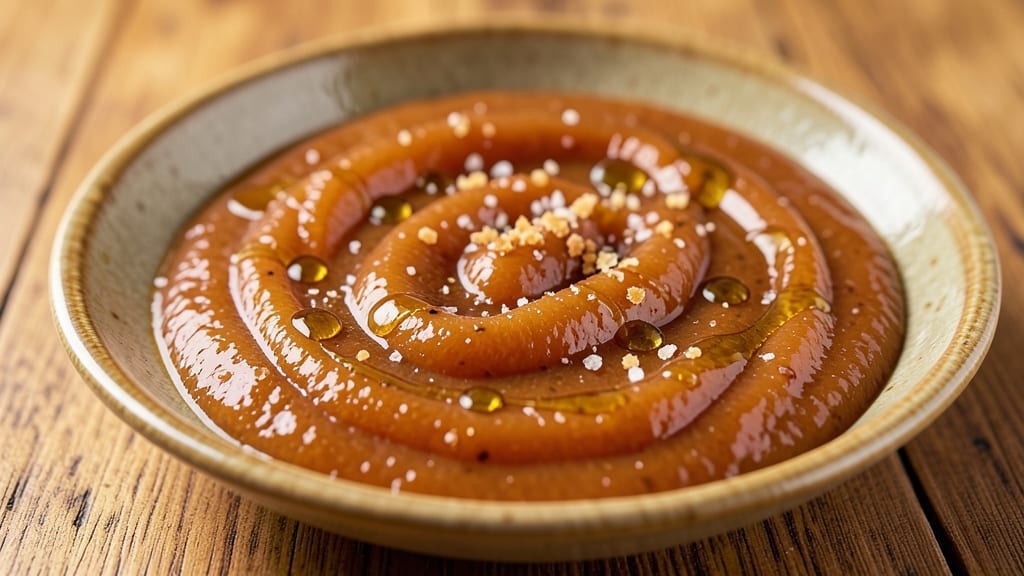
This apricot mustard sauce recipe transforms simple grilled proteins into restaurant-worthy dishes with just a few ingredients. The balance of sweet apricot purée and sharp Dijon mustard creates a glaze that caramelizes beautifully on chicken or fish, adding depth without overpowering.
What makes this sauce special is its versatility—it works as a marinade, finishing glaze, or even a tangy salad dressing. The process is simple: simmer apricot purée with mustard, a touch of honey, and a splash of apple cider vinegar until thickened.
The result is a glossy, sticky-sweet sauce with just enough acidity to cut through richness. It takes less than 15 minutes to make and keeps well in the fridge for up to a week, making it perfect for meal prep.
What you’ll end up with is a sauce that elevates grilled chicken, salmon, or even roasted vegetables into something extraordinary. The apricot adds natural sweetness, while the mustard brings a bright, tangy kick that pairs perfectly with savory dishes.
It’s the kind of condiment that turns a simple meal into a showstopper. Use it as a finishing drizzle, a marinade, or even a dip for spring rolls. Here’s how to make it perfectly every time.
Ingredients for apricot mustard sauce
Eight ingredients blend sweetness and tang to create a versatile glaze that transforms grilled proteins.
| Ingredient | Amount | Notes |
|---|---|---|
| Apricot Purée 🍑 | 1 cup | Unsweetened, high-quality preferred |
| Dijon Mustard 🌶️ | ½ cup | Whole grain for texture |
| Honey 🍯 | 2 tbsp | Wildflower for floral notes |
| Apple Cider Vinegar 🍎 | 1 tbsp | Raw, unfiltered preferred |
| Extra-Virgin Olive Oil 🫒 | ¼ cup | Light fruity flavor |
| Granulated Sugar 🍚 | 1 tbsp | Adjust to taste |
| Garlic Cloves 🧄 | 2 cloves | Minced for depth |
| Salt 🧂 | ½ tsp | Diamond Crystal preferred |
| Black Pepper 🌶️ | ¼ tsp | Freshly ground |
The apricot purée is the backbone of this sauce—look for unsweetened to avoid overpowering sweetness. Trader Joe's and Whole Foods carry excellent options in the international aisle. Dijon mustard should be whole grain for that signature texture; Amoy or Maille are reliable brands. Honey adds depth, so wildflower or clover varieties work best. The apple cider vinegar should be raw and unfiltered for a more complex flavor profile—Bragg or Texas Pete are solid choices. Extra-virgin olive oil matters here too; a light, fruity variety won't overpower the other flavors.
No apricot purée? Fresh apricots blended with water works in a pinch, though it'll be slightly less smooth. Substitute honey with maple syrup at a 1:1 ratio, but expect a deeper color. For vinegar, white wine vinegar or balsamic can stand in, though the flavor will shift slightly. The garlic can be omitted if you're sensitive to its intensity, but I recommend keeping it—it adds a subtle complexity that balances the sweetness. If you're making this ahead, reduce the vinegar slightly to prevent the sauce from becoming too acidic over time.
This sauce keeps beautifully—up to 1 week in the fridge when stored in an airtight container. For longer storage, freeze in ice cube trays and transfer to a bag; up to 6 months works perfectly. The texture will thicken as it cools, so reheat gently with a splash of water if it becomes too stiff. I like to make a double batch—one for immediate use and one to freeze for later. It reheats beautifully and tastes even better the second day as the flavors meld.
Why You'll Love This Recipe
- Five-Ingredient Magic: I swear by this combo—just apricot purée, Dijon, honey, vinegar, and olive oil. No peeling, no chopping, no stress. Honestly, if I had to guess, this is the easiest sauce I’ve ever made that still tastes like I put in effort.
- Sweet-Savory Balance: That first tangy bite of Dijon and vinegar? Then the apricot purée melts in with honey’s warmth. It’s bright, it’s rich, and somehow, it’s both at once—like a hug for your taste buds.
- Dinner Party Ready: Slather it on grilled chicken for a fancy-feeling weeknight meal, drizzle it over roasted veggies for a crowd, or toss it with pasta when you’re hosting. Between us, it’s the sauce that makes even simple dishes feel special without the fuss.
- Pantry Goldmine: I keep a jar of this in the fridge all the time—it lasts for weeks, costs pennies per serving, and turns into something new every time. Need a quick marinade? Done. A last-minute glaze? Covered. It’s my secret weapon for lazy days and busy ones.
Step-by-step instructions for apricot mustard glaze
Here's the method for crafting a balanced sweet-tangy sauce that elevates grilled proteins.
Whisk Together the Base Ingredients
In a medium saucepan, combine the 1 cup apricot purée, 0.5 cup Dijon mustard, 2 tablespoons honey, and 1 tablespoon apple cider vinegar. Use a whisk to blend thoroughly, breaking up any lumps in the mustard. This mixture should be smooth and homogeneous before adding heat.
I like to warm these ingredients over low heat for 2-3 minutes while stirring constantly. This step ensures all components meld together and prevents the mustard from developing a raw, sharp flavor. Keep the heat gentle—you're not cooking yet, just gently integrating the flavors.
Incorporate Sugar and Aromatics
Add the 1 tablespoon granulated sugar, 2 minced garlic cloves, 0.5 teaspoon salt, and 0.25 teaspoon black pepper to the saucepan. Stir well to distribute the sugar evenly and allow the garlic to begin releasing its aroma. The sugar will help balance the acidity from the vinegar while enhancing the fruit's natural sweetness.
Continue cooking on low heat for an additional 3-4 minutes, stirring frequently. You'll notice the mixture starts to thicken slightly as the sugar begins to dissolve. This is when the sauce develops its signature depth—where the tangy mustard meets the fruity apricot notes. The garlic should be fragrant but not browned at this stage.
Finish with Olive Oil and Simmer
Reduce the heat to low and carefully pour in the 0.25 cup extra-virgin olive oil while whisking continuously. The olive oil adds richness and helps emulsify the sauce, creating a silky texture. Simmer the mixture for 5-7 minutes, stirring occasionally, until it reaches a thick, glossy consistency that coats the back of a spoon.
The sauce should reduce enough to cling to proteins without being overly syrupy. Taste and adjust the balance—add a pinch more sugar if it's too tart, or a splash of vinegar if it's too sweet. This final adjustment ensures the sauce complements rather than overpowers your dish.
Strain and Cool for Perfect Texture
Remove the sauce from heat and let it cool for 5 minutes. Then, strain it through a fine-mesh sieve to remove any garlic bits, creating a smooth, velvety glaze. This step is crucial for restaurant-quality results—it ensures your sauce is silky and free of texture inconsistencies.
For best results, use the sauce immediately while still warm. If storing, transfer to an airtight container and refrigerate for up to 5 days. Reheat gently in a saucepan over low heat, stirring frequently, until warmed through. The sauce will thicken slightly upon cooling, so thin with a splash of water if needed before serving.
Pro Tips For Making Apricot Mustard Sauce
- Temper the honey: Dump cold honey straight into the warm mustard mix and you’ll end up with a grainy, clumpy mess. Instead, gently warm the honey in a small saucepan for 30 seconds—just until it’s liquid but not hot—before whisking it into the sauce. This keeps the texture silky smooth and prevents separation later.
- Whisk in stages: I used to dump all the Dijon mustard in at once, and the sauce would turn thick and stubborn. Now I add it gradually—start with half, whisk until smooth, then add the rest—so the mustard emulsifies properly. The olive oil will thank you.
- Vinegar first, not last: If you add apple cider vinegar at the end, the sauce can taste harsh or unbalanced. Mix it in with the mustard and honey first, let it sit for 2 minutes, then adjust the sweetness with apricot purée. The acidity mellows out, and the flavors marry better.
- Strain if needed: Store-bought apricot purée sometimes has seeds or bits that make the sauce look unappealing. If yours is grainy, strain it through a fine-mesh sieve before using—no need to fuss, just pour it through while pressing gently with a spoon. Your sauce will look polished without extra effort.
Troubleshooting perfect results
Too Thin or Watery
If your sauce ends up too thin, don’t panic—simmer it uncovered over low heat for an extra 3-5 minutes while stirring occasionally. The moisture will evaporate, thickening the consistency naturally.
For a quicker fix, mix in ½ teaspoon cornstarch dissolved in 1 teaspoon water, then stir back into the sauce. Let it simmer for 1-2 minutes until it reaches the desired thickness. 🔥
Too Thick or Syrupy
Over-thickened sauce happens when the heat reduces it too much. Thin it out by whisking in 1-2 teaspoons of warm water or apple cider vinegar (to maintain balance). If it’s still too stiff, reheat gently while stirring in 1 teaspoon at a time until smooth.
Avoid adding too much liquid at once—you want to preserve the sauce’s glossy texture rather than dilute it completely.
Mustard Overpowers
If the mustard flavor dominates, balance it by adding ½ teaspoon more honey or 1 teaspoon apricot purée to sweeten the sauce. A splash of apple cider vinegar (½ teaspoon) can also help mellow the sharpness.
For a smoother texture, strain the sauce again through a fine-mesh sieve to remove any lingering mustard granules. Trust me, a little extra sweetness goes a long way in taming that tang. 🍯
Sauce Separates
Separation usually happens when the sauce cools too quickly or if the olive oil isn’t emulsified properly. To fix it, whisk in 1 teaspoon Dijon mustard or 1 teaspoon honey while reheating the sauce over low heat.
The mustard acts as a natural emulsifier, binding the ingredients back together. Stir constantly until smooth, then adjust the heat to keep it stable.
Lacks Depth of Flavor
If your sauce tastes flat, it might need more complexity. Boost the flavor by adding a pinch of smoked paprika or a dash of cinnamon (¼ teaspoon each) while reheating. For an umami kick, stir in ½ teaspoon soy sauce or 1 teaspoon balsamic vinegar.
Even a few drops of vanilla extract can add warmth and depth to the apricot notes. Taste as you go—small adjustments make a big difference. ✨
Storage Issues
If your sauce develops mold or an off smell after refrigerating, it’s time to toss it. To prevent spoilage, always store it in an airtight container and press plastic wrap directly on the surface to minimize air exposure.
For longer storage, freeze in ice cube trays—thaw only what you need, and discard any thawed portion that sits out for more than 2 hours. Freshness is key, so when in doubt, make a new batch. 🧊
Nutrition facts
Frequently asked questions
Can I use fresh apricots instead of apricot purée?
Yes, but you'll need to adjust the recipe slightly. Blend 4-5 ripe fresh apricots with ¼ cup water until smooth, then strain to remove seeds and skin. Use this fresh purée in place of the 1 cup store-bought apricot purée in the recipe. The texture will be slightly chunkier, so strain again if you prefer a completely smooth sauce.
What's the best way to use this sauce?
This versatile glaze works beautifully as a finishing drizzle for grilled chicken, salmon, or pork chops. Brush it on during the last 2-3 minutes of cooking for a caramelized crust. It also makes an excellent salad dressing (thin with a bit of olive oil) or dipping sauce for spring rolls. For desserts, drizzle over vanilla ice cream or pound cake for a sweet-tangy contrast.
Can I make this sauce without vinegar?
You can substitute with ½ teaspoon lemon juice or ½ teaspoon orange zest for brightness, but the vinegar adds essential acidity that balances the sweetness. If you omit it completely, your sauce may taste overly sweet. For a non-acidic version, reduce the honey to 1 tablespoon and add ½ teaspoon ground ginger for warmth instead.
How do I prevent the mustard from getting too strong?
Start with whole-grain Dijon mustard (it's milder than prepared mustard) and balance it with extra sweetness. If needed, add 1 extra teaspoon of honey or ½ teaspoon vanilla extract to mellow the flavor. For a smoother texture, strain the sauce through a fine-mesh sieve after cooking. The key is to taste as you go and adjust gradually—small changes make a big difference!
Will this sauce thicken when refrigerated?
Yes, it will naturally thicken as it cools. To prevent this, store it in the fridge while still warm, then reheat gently with 1-2 teaspoons of water to restore its glossy consistency. If you prefer a thinner sauce for dipping, add a splash of water or vinegar when reheating. The texture adjusts easily, so don't worry—it's always salvageable!