
Sauces & Condiments
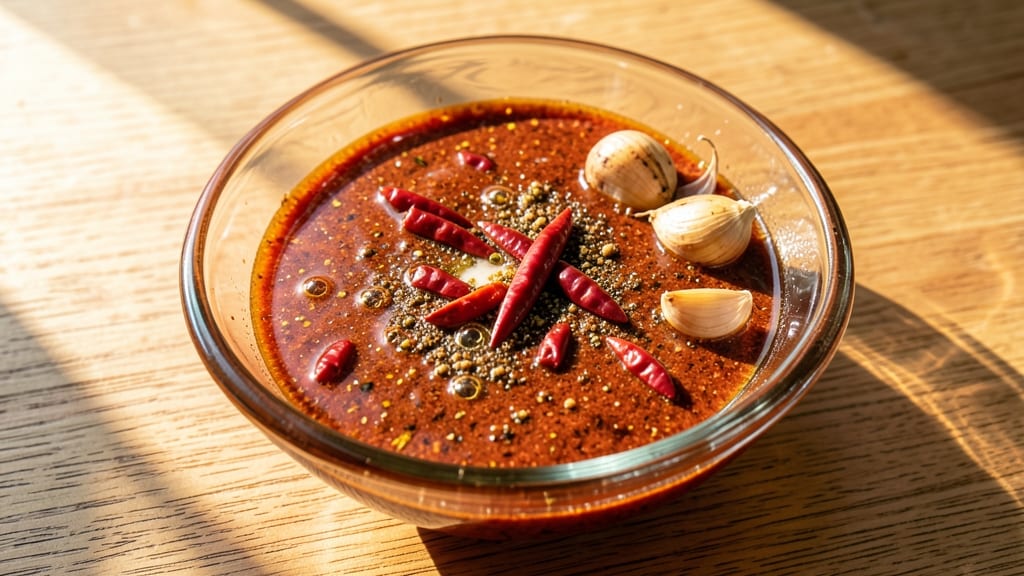
This Arab hot sauce recipe delivers the perfect balance of smoky, spicy heat and tangy brightness that elevates everything from grilled meats to fresh salads. The fermented chili base infuses deep umami, while cumin and coriander add earthy warmth—exactly what makes Middle Eastern cuisine unforgettable.
What sets this apart is the slow-cooked garlic and vinegar blend, which creates a silky, complex sauce that’s far more nuanced than store-bought versions.
The process is straightforward: blend fresh chili peppers, garlic, and spices into a paste, then simmer with vinegar until thickened. Fermentation (optional but recommended) deepens the flavor, but even a quick 30-minute cook yields a vibrant, restaurant-quality sauce.
The key is balancing heat with acidity—too much spice without tang can overwhelm, but this ratio ensures every drop is addictive.
Use it as a bold marinade for lamb or chicken, a zesty dip for pita, or a finishing touch on roasted vegetables. The smoky notes pair beautifully with grilled meats, while the bright acidity cuts through rich dishes like hummus or kebabs.
Store in the fridge for up to 3 months, and trust me—you’ll want to make a double batch.
For variations, try adding a touch of pomegranate molasses for sweetness or smoked paprika for extra depth. The fermentation step (if used) unlocks layers of complexity, but even without it, this sauce delivers professional results in minutes. Let’s make it—your taste buds will thank you.
Ingredients for arab hot sauce
Nine bold ingredients transform into a smoky, tangy sauce that’ll make store-bought look boring.
| Ingredient | Amount | Notes |
|---|---|---|
| Fresh Red Chili Peppers 🌶️ | 1 ½ cups | Seeds removed for mild heat |
| Garlic Cloves 🧄 | 8 whole | Peeled, smashed for infusion |
| White Vinegar 🍶 | 1 cup | High-quality, 5% acidity |
| Ground Cumin 🌿 | 1 ½ tbsp | Toasted for deeper aroma |
| Ground Coriander 🌿 | 1 tbsp | Freshly ground preferred |
| Smoked Paprika 🌶️ | 1 tbsp | For authentic smokiness |
| Salt 🧂 | 1 ½ tsp | Kosher or sea salt |
| Honey 🍯 | 1 tbsp | Optional, for balance |
| Olive Oil 🫒 | ¼ cup | Extra-virgin for richness |
| Pomegranate Molasses 🍇 | 1 tbsp | Optional, for fruity depth |
The chilis are the heart of this sauce—fresh, ripe ones from a Middle Eastern market or well-stocked grocery store give the best flavor. Trader Joe’s often carries good options, but if you can find Aleppo peppers, use those—they’re milder with complex heat. Garlic should be fresh, not dried, and the vinegar? White vinegar with 5% acidity is key—cheaper brands can taste harsh. Toast your cumin and coriander in a dry pan for 30 seconds before grinding to wake up their flavors. That little step makes all the difference.
No fresh chilis? Dried red peppers rehydrated in hot water work in a pinch, but they’ll be less vibrant. Swap smoked paprika for regular paprika if you’re out, but you’ll lose some of that signature smokiness. The honey and pomegranate molasses are optional but add layers—skip the honey if you’re avoiding sugar, but the molasses? Worth it for that fruity tang. Olive oil matters too—extra-virgin has more flavor than light varieties. If you’re fermenting, use a non-reactive container like glass and keep it submerged in the brine to prevent mold.
This sauce keeps for 3 months in the fridge, but it actually gets better with time. Store it in a clean glass jar with a tight lid, and shake before each use. The flavors meld beautifully over weeks. For extra heat, add more chilis next time, but remember: balance is key. Too much spice without acidity can overwhelm. Double batches are worth it—you’ll use it up fast on everything from kebabs to roasted veggies.
Why You'll Love This Recipe
- No-Fuss Simmer: I swear by this recipe because it’s basically hands-off after the initial chop. Toss those fresh chilies and garlic into a pot with vinegar, sprinkle in the cumin and coriander, and let it bubble for 15 minutes—no stirring required. By the time you’re done, the sauce is ready, and your kitchen smells like a spice market.
- Heat with Depth: That first bite? It’s not just heat—it’s layered. The vinegar cuts through the smoky cumin and bright coriander, while the garlic lingers like a warm hug. Honestly, it’s the kind of sauce that makes you reach for the bowl again before the meal even starts.
- Game for Any Meal: Slather it on grilled chicken, drizzle it over hummus, or toss it into a quick stir-fry. I’ve even used it to wake up plain yogurt on lazy mornings. Between us, it’s the one sauce that turns “meh” into “hell yes” without trying too hard.
- Pantry Goldmine: A single batch keeps for months in the fridge, and the ingredients? Cheap. A few chilies, a head of garlic, and spices you already own. I’ll be real: I make this in bulk because it’s my go-to for when I’m broke but still want flavor that punches above its weight.
Step-by-step instructions for Arab hot sauce
Here's how to blend bold flavors into a fiery, aromatic hot sauce that captures authentic Arab heat.
Prepare the Chili and Garlic Base
Begin by finely chopping the 1.5 cups fresh red chili peppers, removing seeds and membranes for a milder heat. I like to pulse them in a food processor for a consistent texture—this ensures even distribution of heat throughout the sauce. Transfer the chopped peppers to a large mixing bowl.
Next, peel and smash the 8 whole garlic cloves with the flat side of a knife. This releases their oils and infuses them into the chili mixture. Add the garlic to the bowl and toss everything together. Let this sit for 10 minutes at room temperature—this allows the garlic oils to soften and blend with the chili's natural juices, creating a more cohesive base.
Combine Wet and Dry Ingredients
In a separate bowl, whisk together the 1 cup white vinegar, 0.25 cup olive oil, 1 tbsp honey, and 1 tbsp pomegranate molasses until fully emulsified. The vinegar and olive oil should blend smoothly—they form the tangy, rich foundation of the sauce. I like to add the honey and pomegranate molasses last, as they help balance the acidity and add a subtle sweetness that rounds out the heat.
Now, gradually pour this wet mixture into the chili and garlic bowl while stirring constantly. Add the 1.5 tbsp ground cumin, 1 tbsp ground coriander, 1 tbsp smoked paprika, and 1.5 tsp salt. Stir until all the spices are evenly distributed and the sauce reaches a thick, paste-like consistency. This step is where the magic happens—the spices meld with the chili and vinegar to create that signature Arab heat profile.
Simmer and Infuse the Flavors
Transfer the sauce to a medium saucepan and place it over medium-low heat. Bring the mixture to a gentle simmer, then reduce the heat to maintain a barely bubbling state. Let it cook uncovered for 20-25 minutes, stirring occasionally. You'll notice the sauce darkening slightly and becoming thicker as the moisture evaporates. This simmering step is crucial—it allows the flavors to meld and the heat to mellow slightly, creating a well-balanced sauce.
Real talk: don't rush this step. The sauce should reduce enough to coat the back of a spoon but still maintain a smooth, pourable consistency. If it thickens too much, add 1-2 tablespoons of water to loosen it. Once it reaches the right texture, remove the pan from heat and let it cool completely before transferring to a clean jar.
Rest and Store for Maximum Flavor
Allow the sauce to cool to room temperature, then transfer it to a sterilized glass jar with a tight-sealing lid. Store it in a cool, dark place for at least 3 days before using—this resting period lets the flavors deepen and the spices fully infuse. The longer it sits (up to 2 weeks), the more complex and aromatic it becomes.
When ready to use, shake the jar well before each serving. This hot sauce is incredibly versatile—drizzle it over grilled meats, mix it into marinades, or use it as a condiment for hummus and flatbread. The balance of smoky paprika, tangy vinegar, and sweet honey creates a heat that's both bold and nuanced, perfect for adding authentic Arab flavor to any dish.
Pro Tips For Making Arab Hot Sauce
- CHAR PEPPERS FIRST: Toss the whole fresh chilis into boiling water for 30 seconds—just enough to loosen the skins—before peeling and seeding. I used to skip this and ended up with a sauce that tasted like chewing on raw pepper skins. (And yes, even if you’re impatient like me.)
- SMASH GARLIC LIKE IT’S 1987: Use the flat side of your knife to crush the garlic cloves into a paste before cooking—no food processor needed. This releases more flavor and prevents clumps that turn your sauce into a textured disaster. (I learned this the hard way after straining out garlic chunks that looked like tiny, bitter rocks.)
- VINEGAR RATIO MATTERS: For every cup of blended sauce, use at least ½ cup white vinegar—don’t skimp. Too little and the acidity fades; too much and it kills the spices. My first batch was bland because I eyeballed it, and now I measure like a scientist. (Your taste buds will notice.)
- STRAIN TWICE, REGRET ONCE: Run the sauce through a fine-mesh sieve twice—first for the big bits, then again with a cheesecloth if you want silky smoothness. I’ve seen people skip this and call it “rustic,” but rustic doesn’t mean you’re chewing garlic seeds for a week. (Trust me on this one.)
Regional styles of this recipe
Levantine Heat
This sauce draws deep inspiration from Levantine cuisine, where bold, smoky flavors reign supreme. The region's love for garlic, cumin, and chili shines through in dishes like shawarma and falafel.
I often use this sauce as a marinade for grilled lamb chops, letting the flavors penetrate the meat for hours.
The smoked paprika gives it that signature Middle Eastern smokiness, while the vinegar keeps it bright and tangy—just like the sauces you'd find at a Beirut street food stall. 🌶️
North African Twist
For a North African variation, swap the white vinegar for apple cider vinegar and add 1 tsp ground fenugreek—a spice commonly used in Moroccan tagines. The fenugreek adds a subtle bitterness that balances the heat beautifully. I’ve also seen versions with harissa paste blended in for extra depth.
This twist works wonderfully with spiced chickpea salads or as a dip for warm pita bread. The result is a sauce that’s both familiar and excitingly new. 🌿
Yemeni Spice Route
In Yemen, hot sauces often incorporate dried limes (limu amba) for a tangy kick. For an authentic touch, add 1 tbsp Yemeni dried lime powder (available at specialty stores) to the sauce. If you can’t find it, lemon zest works in a pinch.
This variation is perfect for grilled fish or spiced lentil stews. The dried limes add a unique citrusy depth that sets this apart from other Arab hot sauces. Trust me, it’s a game-changer for seafood lovers. 🍋
Turkish Influence
Turkish cuisine brings a rich, almost syrupy quality to hot sauces, often using pomegranate molasses and red pepper flakes. To lean into this style, reduce the vinegar to ½ cup and increase the pomegranate molasses to 2 tbsp.
Add ½ tsp ground allspice for warmth, and simmer the sauce for an extra 10 minutes to thicken it further. This version pairs beautifully with kebabs or meze platters, offering a sweeter, fruitier heat that’s deeply satisfying. 🍇
Egyptian Street Food
In Egypt, hot sauces are often served with ful medames (fava bean stew) or drizzled over grilled kofta. For an Egyptian-inspired version, add 1 tsp ground cardamom and ½ tsp cinnamon to the spice blend.
The cardamom adds a floral note that complements the heat, while the cinnamon gives it a warm, cozy depth. Serve this sauce with warm flatbread or use it to elevate spiced rice dishes. It’s the kind of sauce that makes you crave a bustling Cairo street market. 🌙
Nutrition facts
Frequently asked questions
Can I make this Arab hot sauce without fresh chili peppers?
Yes! Use ½ cup dried red peppers (like ancho or guajillo) rehydrated in ½ cup hot water for 15 minutes. Drain well before blending into the recipe. The texture will be slightly thicker, but the smoky depth remains. For extra heat, add 1-2 drops of liquid chili extract or ½ tsp cayenne pepper.
How do I adjust the heat level for sensitive eaters?
Remove all seeds and membranes from the chilis first, then reduce the quantity to 1 cup chopped peppers instead of 1.5 cups. For milder heat, swap ½ cup vinegar for ½ cup apple cider vinegar—it’s slightly sweeter and less acidic. Add 1 extra tbsp honey to further balance the spice. Always taste as you go!
What’s the best way to use fermented Arab hot sauce?
Fermented versions develop deeper umami and complexity—perfect for marinades or dipping sauces. Use it to baste grilled lamb or chicken shawarma for 30+ minutes before cooking. For dips, mix with plain yogurt (1:3 ratio) to create a creamy, spicy spread for pita or veggie platters. The fermentation also makes it ideal for braising dishes like slow-cooked beef stews.
Why did my sauce turn out too thin?
Thin sauce usually means insufficient simmering time. Next time, cook uncovered on low heat for 30-40 minutes, stirring often, until it reduces to a thick, spoonable consistency. If it’s already too thin, simmer an extra 10 minutes or blend in 1 tsp cornstarch mixed with 1 tbsp water to thicken. For extra body, add 1 tbsp olive oil at the end.
How can I make this sauce nut-free for allergies?
This recipe is already nut-free, but double-check your spices for cross-contamination. If using store-bought smoked paprika or cumin, verify the brand’s facility practices. For extra safety, toast your own spices in a clean, dedicated pan. The sauce’s base—vinegar, chilis, and garlic—is naturally allergen-free, making it a great option for nut-sensitive diets. Always label your jar clearly!