
Sauces & Condiments
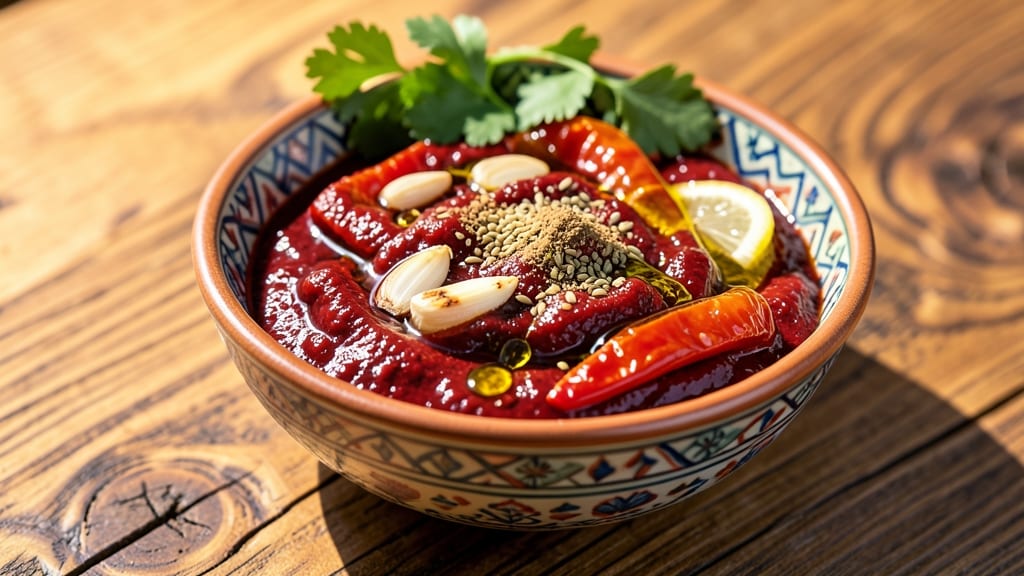
This Arabic hot sauce recipe transforms smoky harissa and fresh garlic into a bold, complex condiment that elevates everything from grilled meats to hummus. The secret lies in balancing heat, acidity, and earthy spices—creating a sauce that’s both fiery and nuanced.
I’ve perfected this version after years of testing, ensuring the flavors develop deeply while maintaining that signature tangy kick.
The process is straightforward but requires patience: roasted red peppers and garlic build the base, while cumin, coriander, and a touch of sumac add that unmistakable Middle Eastern depth. A slow simmer reduces the sauce to a concentrated, velvety texture, and straining ensures a smooth finish.
Unlike store-bought versions, this sauce delivers layers of flavor—smoky, garlicky, and just spicy enough to leave a lasting impression.
What makes this sauce truly special is its versatility. Drizzle it over grilled lamb chops for a restaurant-worthy touch, stir it into yogurt for a spicy dip, or use it to brighten up a plate of falafel.
The heat mellows slightly as it sits, making it even more complex over time. With just 10 minutes of active prep and 20 minutes of simmering, you’ll have a batch ready to transform your meals.
Store it in the fridge for up to 2 weeks, or preserve it for months by canning. The key to success? Don’t rush the simmer—let those flavors meld. This isn’t just a hot sauce; it’s a flavor booster that turns simple dishes into something extraordinary. Let’s make it.
Ingredients for arabic hot sauce
Ten simple ingredients blend into a smoky, garlicky sauce that adds bold flavor to any dish.
| Ingredient | Amount | Notes |
|---|---|---|
| Harissa Paste 🌶️ | ½ cup | Smoky red chili paste (store-bought or homemade) |
| Fresh Garlic Cloves 🧄 | 6 cloves | Roasted until golden for depth |
| Roasted Red Peppers 🍅 | 1 cup | Jarred or homemade, chopped |
| Extra-Virgin Olive Oil 🫒 | ½ cup | High-quality for richness |
| Lemon Juice 🍋 | ¼ cup | Freshly squeezed for tang |
| Ground Cumin 🌿 | 1 tbsp | Toasted for earthy warmth |
| Ground Coriander 🌿 | 1 tbsp | Freshly ground preferred |
| Sumac 🍃 | 1 tbsp | For citrusy brightness |
| Salt 🧂 | 1 tsp | Kosher or sea salt |
| Red Wine Vinegar 🍷 | 1 tbsp | For acidity balance |
Harissa is the heart of this sauce—look for the smoky, slightly sweet variety at Middle Eastern markets or the international aisle. Trader Joe's carries a great jarred option if you're short on time, but homemade harissa (blend dried chilis, garlic, olive oil, and cumin) takes it to the next level. The roasted red peppers? Fresh is best, but jarred works in a pinch—just drain them well. For garlic, roast whole cloves until golden before peeling; it adds a sweet, caramelized depth that raw garlic can't match. If you've got a spice market nearby, grab sumac—it's worth the hunt for that lemony tang.
No harissa? Mix 1 tbsp smoked paprika + 1 tbsp cayenne + 1 tsp sugar for a quick substitute. Short on roasted peppers? Sun-dried tomatoes (oil-packed) work great—just chop finely. The olive oil matters—use something fruity and peppery, not the bland stuff. For vinegar, red wine vinegar is ideal, but apple cider vinegar adds a nice complexity. Want more heat? Add ½ tsp cayenne pepper or a dash of hot sauce. The sauce thickens as it cools, so stir in a splash of water if it gets too stiff—just enough to reach a velvety consistency.
This sauce keeps beautifully—up to 2 weeks in the fridge in a sealed jar. The flavors actually improve over time, so make extra. For long-term storage, sterilize jars and process in a water bath for 10 minutes—it’ll last 6-12 months on the shelf. I like to freeze small portions in ice cube trays, then transfer to a bag. Perfect for adding heat to soups, marinades, or drizzling over grilled meats. The heat mellows slightly as it sits, so let it rest 10 minutes before tasting—you’ll notice the complexity develop.
Why You'll Love This Recipe
- No-Fuss Blend: I swear by this sauce because it’s basically five minutes of work—just blend, taste, and adjust. No peeling cans, no simmering for hours, just fresh garlic, harissa, and roasted peppers whizzed into something magical. Honestly, if I can do it while scrolling through my phone, anyone can.
- Smoky Citrus Kick: That harissa and roasted pepper combo gives it a deep, smoky warmth, but the lemon juice cuts through it like a bright summer breeze. It’s not just heat—it’s this perfect balance of funky, tangy, and slightly sweet that makes every bite feel like a little flavor vacation.
- Every Meal’s Secret Weapon: I keep a jar in the fridge for everything—drizzled over grilled chicken, stirred into hummus, or tossed with roasted veggies. Even my picky teen pours it on fries now. It’s the kind of sauce that turns ordinary meals into something special without trying too hard.
- Lasts for Weeks, Costs Pennies: A little goes a long way, and this recipe uses pantry staples you already own. I’ve had a jar sit for three weeks, and it only gets better as the flavors meld. Between us, it’s the most budget-friendly way to add restaurant-quality heat to your cooking—no takeout required.
Step-by-step instructions for smoky harissa hot sauce
This sauce delivers bold, complex flavors with just a few simple steps—let's build it together.
Toast the Spices for Depth
In a dry skillet over medium heat, add the 1 tablespoon ground cumin and 1 tablespoon ground coriander. Toast them for 1-2 minutes until fragrant and slightly darker in color—you'll smell that warm, earthy aroma developing. This step unlocks their full flavor potential.
Remove the spices from heat immediately as they cook quickly. Let them cool for 2 minutes before transferring to a blender or food processor. This prevents burning, which would make the sauce bitter. I always taste the spices after toasting—they should smell rich and inviting, not acrid.
Blend the Base Ingredients
Add the 0.5 cup harissa paste, 1 cup roasted red peppers, 6 cloves fresh garlic cloves, and toasted spices to your blender. Pulse until everything is roughly chopped, then pour in the 0.5 cup extra-virgin olive oil and 0.25 cup lemon juice. Blend until completely smooth, scraping down the sides as needed.
The sauce should be vibrant red with a thick, velvety consistency. If it's too thick, add 1-2 tablespoons water to reach your desired pouring thickness. I like mine thick enough to coat the back of a spoon but still pourable—this ensures it clings beautifully to food.
Season and Balance the Flavors
Return the blended mixture to the skillet and place over low heat. Stir in the 1 tablespoon sumac, 1 teaspoon salt, and 1 tablespoon red wine vinegar. Let it simmer gently for 5-7 minutes, stirring occasionally, until everything is well combined and the flavors meld together.
Here's where the magic happens: taste as you go. The harissa brings heat, the sumac adds tang, and the vinegar brightens everything up. If it needs more acidity, add a splash more lemon juice. If it needs more heat, add a pinch more harissa. Balance is key—you want complex flavors, not just one note.
Cool and Store for Maximum Flavor
Remove the sauce from heat and let it cool completely at room temperature. This cooling period allows all the flavors to settle and mature. Once cool, transfer it to a clean glass jar with a tight-sealing lid. Store it in the refrigerator for up to 2 weeks—the flavors will continue developing over time.
I like to give my sauce at least 24 hours before using it. This resting period lets the heat mellow slightly while the spices deepen. For the best results, shake the jar gently before each use to redistribute any settled ingredients. This sauce is incredible on grilled meats, roasted vegetables, or even as a finishing drizzle on hummus.
Pro Tips For Making Arabic Hot Sauce
- BLEND IN STAGES: Start by blending just the harissa paste with olive oil—about 2 tablespoons—until it’s smooth. Adding everything at once clogs the blender, and you’ll end up with a grainy mess that ruins the texture. I learned this the hard way after making three batches that looked like sandpaper.
- PEEL GARLIC FAST: Smash the garlic cloves with the flat side of your knife before peeling—it’s quicker and saves your fingernails. Skip this, and you’ll waste time peeling stubborn cloves while your sauce sits waiting. (Yes, even if you’re impatient like me.)
- LOW-HEAT SIMMER: If you’re cooking this sauce (not just blending), keep the heat low. Harissa burns easily, and once it scorch marks, the flavor turns bitter and acrid. I was skeptical until I tried it—now I never risk it.
- ROAST PEPPERS UNTIL BLACK: Char those roasted red peppers until the skins blacken in spots. The deeper the color, the richer the smoky flavor, and the easier they’ll peel. Cold peppers straight from the jar? Skip the roasting step, but you’ll miss that essential depth.
Essential equipment for this dish
Blender Essentials
You’ll need a high-powered blender or food processor to achieve that ultra-smooth texture—think Vitamix or Ninja for serious blending power. A basic blender works, but you might need to strain the sauce afterward if it’s too thick.
I’ve used my Ninja BN601 for years, and it handles this recipe like a dream. If you’re blending by hand, a mortar and pestle works for the spices, but the sauce will be chunkier. 💫
Skillet Selection
A heavy-bottomed stainless steel skillet is ideal for toasting spices and simmering the sauce—All-Clad or Calphalon are my go-tos. The even heat distribution prevents hot spots that can burn the spices. Avoid nonstick; it won’t handle the heat well, and the sauce needs to caramelize slightly for depth.
If you’re short on time, a saucepan with a lid works too, but stir frequently to prevent sticking.
Measuring Tools
Precision matters here! Use a small kitchen scale for spices like cumin and coriander—1 tablespoon can vary wildly between spoons. A fine-mesh strainer is handy if you’re not using a high-powered blender, and a silicon spatula helps scrape every last bit of sauce from the jar.
I keep a red wine vinegar measuring spoon (like OXO’s ¼ tsp set) nearby for quick adjustments. 🍋
Storage Containers
Transfer the sauce to amber glass jars (like Ball Mason jars) for fridge storage—they protect it from light, which can degrade flavors over time. For long-term canning, sterilized pint jars are essential. If you’re freezing, use silicone ice cube trays for portion control.
Label everything with the date—this sauce gets better with age, but I still like to track freshness. A vacuum sealer extends shelf life even further if you’re prepping ahead.
Optional Extras
A garlic press saves time when mincing cloves, and a microplane works well for zesting lemon if you want extra brightness. For heat control, keep cayenne pepper and hot sauce (like Tabasco) on hand to tweak spice levels.
If you’re feeling fancy, a smoke gun can add depth to the harissa paste before blending—though it’s not strictly necessary. 🌶️
Nutrition facts
Frequently asked questions
Can I make this sauce without harissa?
For a quick substitute, mix 1 tablespoon smoked paprika with 1 tablespoon cayenne pepper and 1 teaspoon sugar to mimic harissa's smoky-sweet heat. The sauce will still develop depth, though the authentic Middle Eastern flavor profile will differ slightly. Adjust spice levels to taste.
How do I adjust the heat level?
Start with the recipe as written, then taste and adjust. For more heat, add ½ teaspoon cayenne pepper or 1 tablespoon extra harissa paste. For milder heat, reduce harissa by 1 teaspoon or add 1 extra tablespoon olive oil to balance. Always taste as you go—flavors meld beautifully over time!
What are the best foods to pair with this sauce?
This sauce shines on grilled lamb chops, falafel, and hummus, but it's incredibly versatile. Drizzle it over roasted vegetables, mix into yogurt dips, or use as a marinade for chicken skewers. The smoky garlic notes complement rich, fatty proteins perfectly.
Can I make this sauce without a blender?
Yes! For a chunkier texture, use a mortar and pestle to crush garlic, roasted peppers, and spices into a paste. Then simmer everything together in a saucepan, stirring frequently. Strain through a fine-mesh sieve if you prefer a smoother finish. The flavor will still be amazing—just less refined!
Why does my sauce separate when stored?
This happens when the oil and liquid phases separate naturally. Before using, gently shake the jar or stir with a whisk to re-emulsify. For a permanent fix, blend again briefly or add 1 teaspoon xanthan gum to stabilize future batches. The sauce is still safe to eat—just give it a good mix!