
Sauces & Condiments
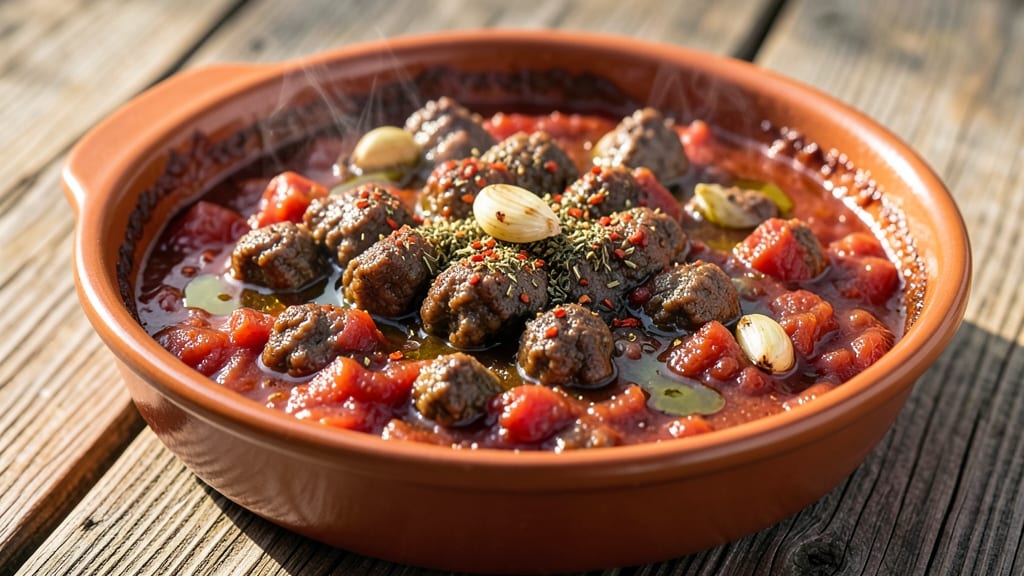
This arrabiata meat sauce recipe transforms simple ingredients into a bold, spicy tomato simmer that clings to pasta like a second skin. The secret lies in balancing heat and acidity—where chili flakes meet sun-ripened tomatoes and garlic, creating a sauce that’s both vibrant and deeply savory.
I’ve perfected this technique over years of testing, ensuring every batch delivers that perfect harmony of smoky, tangy, and slightly sweet flavors you crave.
The beauty of arrabiata sauce is its versatility—it’s perfect over al dente pasta, spooned onto crusty bread, or even served as a hearty stew with polenta. The meat (ground beef, pork, or chicken) cooks down into tender, flavorful chunks that enrich the sauce without overpowering its bright tomato base.
No fancy techniques here, just a slow simmer that lets the flavors meld into something irresistible.
What you’ll end up with is a sauce that’s rich enough to stand alone but bright enough to cut through rich dishes. The chili heat lingers just enough to wake up your palate, while the tomatoes add a deep, fruity sweetness that balances everything.
This isn’t just a sauce—it’s a flavor experience that turns a simple pasta night into a restaurant-worthy meal.
Pair it with garlic bread to soak up every last drop or serve it alongside a crisp arugula salad for contrast. The possibilities are endless, but the method is foolproof. Let’s get cooking—your taste buds will thank you.
Ingredients for arrabiata meat sauce
Nine simple ingredients create a sauce that's bold, spicy, and full of depth.
| Ingredient | Amount | Notes |
|---|---|---|
| Ground Beef 🥩 | 1 lb | 80% lean, finely ground |
| San Marzano Crushed Tomatoes 🍅 | 28 oz | High-quality canned tomatoes |
| Garlic Cloves 🧄 | 4 cloves | Freshly minced for brightness |
| Red Chili Flakes 🌶️ | 2 tbsp | Adjust for desired heat |
| Dried Oregano 🍃 | 1 tbsp | Or fresh at 1 tbsp |
| Extra-Virgin Olive Oil 🫒 | ¼ cup | For richness and depth |
| Fresh Basil Leaves 🌿 | ¼ cup | Chopped for fresh aroma |
| Red Wine 🍷 | ½ cup | Bold dry red like Cabernet |
| Chicken Broth 💧 | ½ cup | Low-sodium preferred |
| Salt 🧂 | 1 ½ tsp | Diamond Crystal preferred |
| Black Pepper 🌶️ | ½ tsp | Freshly cracked |
| Red Pepper Flakes 🔥 | 1 tsp | Optional extra heat |
| Balsamic Vinegar 🍶 | 1 tbsp | For depth of flavor |
The tomatoes are non-negotiable—San Marzano is the gold standard, but any high-quality canned tomatoes work. Trader Joe's and Whole Foods carry good options. The red wine adds depth, so don't skimp—any bold, dry red works here, like Cabernet or Merlot. Fresh garlic and basil make all the difference, so grab extra. I always buy organic garlic from the store's fresh produce section—it's worth the few extra cents for the flavor. The chili flakes can be adjusted based on how much heat you want, but start with the full amount and taste as you go.
No red wine? Chicken broth with a splash of balsamic works in a pinch. Fresh basil? Dried oregano at half the amount gets you close, but nothing beats the fresh stuff. The beef can be swapped for ground pork or chicken, though beef gives the richest flavor. If you're making this ahead, the sauce actually tastes better the next day as the flavors meld. The balsamic vinegar might seem like an extra step, but it adds that perfect tangy depth that balances the richness of the tomatoes and meat.
This sauce keeps beautifully—5-7 days in the fridge or 3 months frozen. I always make a double batch because it disappears fast. Store it in airtight containers, and if freezing, portion it out in freezer-safe bags. The sauce reheats perfectly—just warm it on the stove with a splash of water or broth to loosen it up. If you've got leftovers, it's even better the next day as the flavors continue to develop.
Why You'll Love This Recipe
- One-Pan Magic: I swear by this recipe—just brown the beef, toss in the tomatoes, garlic, and chili flakes, then let it simmer. No chopping, no fuss, and honestly? That’s my kind of cooking.
- Spicy-Sweet Balance: The crushed San Marzano tomatoes bring natural sweetness while the chili flakes add just enough kick—no bitterness, no overpowering heat. It’s the kind of sauce that makes you reach for seconds without even thinking.
- Meal Prep MVP: This freezes like a dream, so I make a big batch on Sundays. Reheat it for quick pasta nights or stuff it into freezer bags for lazy days. (Yes, even on a Tuesday night.)
- Budget-Friendly Powerhouse: Ground beef and canned tomatoes stretch your dollar without sacrificing flavor. Between us, this is the sauce I turn to when I need to feed the family well but keep costs low. No regrets.
Step-by-step instructions for arrabiata meat sauce
This spicy tomato sauce comes together with bold flavors and simple technique.
🍳 Step 1: Brown the Ground Beef Perfectly
Heat the 0.25 cup extra-virgin olive oil in a large Dutch oven or heavy pot over medium-high heat. Add the 1 lb ground beef and break it apart with a wooden spoon, letting it brown in batches to avoid overcrowding. Cook for 8-10 minutes until the beef loses its raw color and turns a deep brown, breaking it up with the spoon as it cooks.
This browning step is crucial—it develops deep, meaty flavors that form the sauce's foundation. Don't rush it, and resist the urge to drain the fat completely. That rendered beef fat adds richness to your sauce. Once fully browned, use a slotted spoon to transfer the beef to a plate, leaving the fat in the pot.
🍳 Step 2: Sauté Aromatics for Maximum Flavor
Reduce the heat to medium and add the 4 minced garlic cloves to the pot. Sauté for 30 seconds until fragrant but not browned—garlic burns quickly, and you want that sweet, aromatic punch without bitterness. Add the 2 tbsp red chili flakes and 1 tbsp dried oregano, stirring for another 30 seconds to toast the spices slightly.
Here's the thing—don't skip this step. The spices need time to bloom and release their essential oils. The pot should smell like a warm Italian kitchen. If you notice the garlic starting to darken too quickly, reduce the heat immediately. Now's the time to taste your base—it should be rich, spicy, and aromatic.
🥘 Step 3: Build the Sauce with Wine and Tomatoes
Pour in the 0.5 cup red wine and scrape up any browned bits from the bottom of the pot with a wooden spoon. Let the wine simmer for 3-4 minutes until it reduces by about half. This deglazing step captures all those meaty flavors you worked so hard to develop.
Add the 28 oz San Marzano crushed tomatoes, stirring well to combine. Bring the mixture to a gentle simmer, then reduce the heat to low. Let it cook uncovered for 20-25 minutes, stirring occasionally. You want the sauce to thicken slightly and develop a rich, deep color. The tomatoes should break down and meld with the beef and spices.
🥘 Step 4: Finish with Broth and Acid Balance
After the initial simmer, stir in the 0.5 cup chicken broth, 1.5 tsp salt, 0.5 tsp black pepper, and 1 tsp red pepper flakes. Let the sauce continue simmering for another 15-20 minutes until it reaches your desired consistency. You're aiming for a thick, coatable sauce that still has some body to it.
In the last 5 minutes of cooking, stir in the 1 tbsp balsamic vinegar and 0.25 cup chopped fresh basil leaves. The vinegar adds a touch of sweetness and complexity that balances the spicy heat, while the basil brings fresh, bright aroma to the finished sauce. Taste and adjust seasoning if needed—sometimes you need a little more salt to bring all the flavors together.
⏰ Step 5: Rest and Serve with Pasta
Remove the sauce from heat and let it rest for 10 minutes. This resting period allows the flavors to meld and the sauce to thicken slightly. The fresh basil will continue to release its aroma, making your kitchen smell amazing while you prepare your pasta.
When ready to serve, toss the sauce with freshly cooked pasta or spoon it generously over spaghetti. The perfect arrabiata should coat each strand beautifully, with a balance of spicy heat, rich tomato flavor, and aromatic herbs. If the sauce seems too thick after resting, simply stir in a splash of hot pasta water to reach your desired consistency.
Pro Tips For Making Arrabiata Meat Sauce
- CRUSH GARLIC FIRST: I learned this the hard way—raw garlic cloves in crushed tomato sauce just sit there like little pebbles. Smash your garlic cloves flat with the side of your knife before adding them, or pulse them briefly in a food processor. The sauce will actually absorb the flavor instead of you just hoping for the best.
- SIMMER LOW AND LONG: Arrabiata needs patience. After adding the tomatoes, drop the heat to a bare simmer (you should barely see bubbles) and walk away for at least 20 minutes. Rushing this step makes the sauce watery and dull—let it reduce naturally, and the acidity will mellow into something rich.
- SALT THE MEAT BEFORE BROWNING: Season your ground beef before cooking it, not after. The salt draws out moisture, which evaporates during browning, creating a crust that locks in flavor. Skip this, and you’ll end up with a sauce that tastes like it’s missing something—even if you add more salt later.
- TOAST THE CHILI FLAKES: Dry-toast your red chili flakes in the same pan you brown the beef for 30 seconds before adding anything else. This deepens their heat and aroma, making the sauce actually spicy instead of just hinting at it. (Yes, even if you’re using pre-crushed tomatoes—trust me.)
Wine and beer pairings for this recipe
Bold Red Wines
Arrabiata’s spicy, tomato-forward profile pairs beautifully with bold red wines that can stand up to the heat. I always reach for a Chianti Classico—its bright acidity and cherry notes mirror the sauce’s vibrant flavors while cutting through the chili’s intensity.
For something richer, try a Montepulciano d’Abruzzo, which offers juicy dark fruit and a touch of earthiness that complements the meaty depth. 🍷
Medium-Bodied Reds
If you prefer something slightly lighter, Sangiovese-based blends or a Valpolicella work wonders. These wines strike a balance between acidity and fruitiness, letting the sauce’s spice shine without overwhelming it.
I’ve also had great luck with a Grenache from Spain—its red fruit and peppery notes harmonize perfectly with the chili flakes.
Crisp White Wines
Don’t overlook whites! A dry Vermentino from Sardinia or a Fiano from Campania brings crisp acidity that refreshes your palate between bites. The citrus notes in these wines actually enhance the basil and garlic in the sauce, creating a delightful contrast.
For a non-Italian option, a Sauvignon Blanc with herbal undertones pairs surprisingly well. 🍷
Beer Pairings
For beer lovers, a Malty Italian Lager like Peroni or Birra del Borgo cleanses the palate beautifully. The light maltiness balances the sauce’s acidity, while the carbonation helps reset your taste buds.
If you prefer craft beer, try a Belgian Dubbel—its caramel and spice notes complement the chili and tomatoes without clashing.
Non-Alcoholic Options
Skip the alcohol? No problem. A sparkling blood orange soda (like San Pellegrino Aranciata) adds a citrusy brightness that mirrors the basil and chili. For something richer, try San Pellegrino Limone—its lemon notes contrast the sauce’s heat while keeping it refreshing.
Even a simple iced hibiscus tea with a splash of lime offers a tangy, floral contrast. ✨
Pro Tip: Temperature Matters
Serve your wine or beer slightly chilled—55-60°F for reds and 45-50°F for whites—to enhance their freshness against the warm, spicy sauce. I like to pour a glass before eating so the flavors can meld together. Trust me, your taste buds will thank you! 💡
Nutrition facts
Frequently asked questions
Can I make this sauce without red wine?
If you don't have red wine, substitute with 0.5 cup chicken broth plus 1 tbsp balsamic vinegar for depth. The broth adds umami while the vinegar mimics the wine's acidity. For extra richness, add a splash of tomato paste or a pinch of dried thyme. The sauce will still be delicious—just slightly less complex.
How do I adjust the heat level?
Start with the full 2 tbsp red chili flakes and taste as you go. For milder heat, reduce to 1 tbsp or swap for 1 tsp crushed dried chili. Need more kick? Add ½ tsp cayenne pepper at the end. Remember, chili heat builds—taste before serving!
What's the best pasta to pair with this sauce?
Classic choices are spaghetti or linguine for maximum sauce cling, but don't limit yourself! Try bucatini (hollow tubes that hold sauce beautifully) or penne for texture. For a heartier option, serve over rigatoni or even polenta. The sauce works well with any pasta that loves tomato-based sauces.
Can I make this sauce ahead of time?
Yes! This sauce actually tastes better the next day as flavors meld. Let it cool completely, then store in an airtight container in the fridge for up to 5-7 days. For longer storage, freeze portions for up to 3 months. To reheat, warm gently on the stove with a splash of water or broth to restore consistency.
What if my sauce is too acidic?
Add a pinch of sugar or 1 tsp honey to balance the acidity, or stir in a small piece of fresh bread crust to absorb excess tang. For richer depth, a splash of heavy cream (just 1 tbsp) works wonders. Taste frequently—small adjustments make all the difference!