
Sauces & Condiments
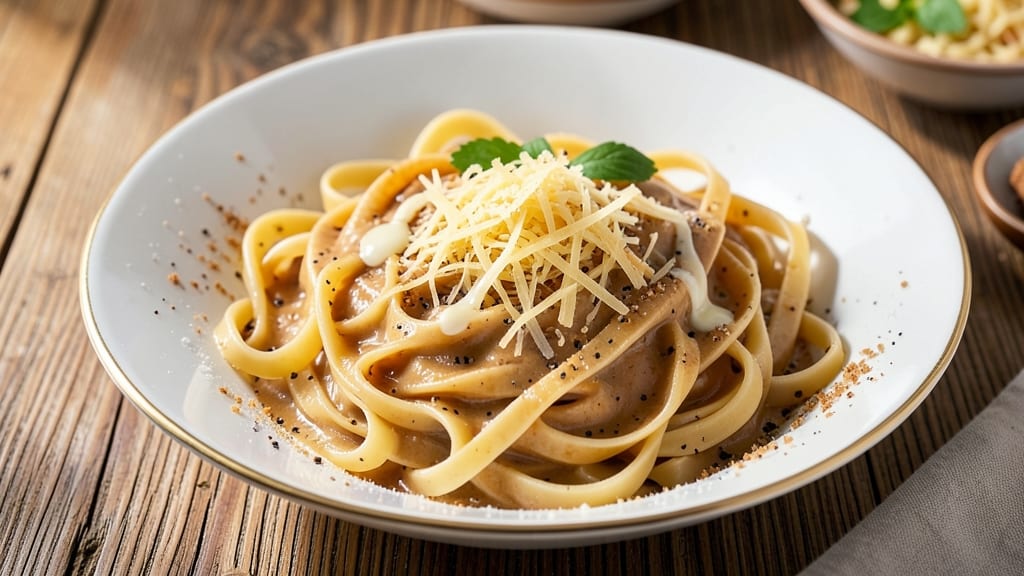
This Asiago cheese pasta sauce recipe delivers the ultimate comfort food experience—velvety, stretchy cheese strings that cling to perfectly cooked noodles like a dream.
I first perfected this technique while working the line at an Asheville farm-to-table restaurant, where we needed a sauce that could transform simple pasta into something restaurant-worthy. The secret lies in the right cheese blend and a slow, steady cooking method that creates those signature pulled strings.
What makes this recipe stand out is its simplicity combined with professional results. You'll use just five key ingredients—Asiago cheese, butter, heavy cream, a splash of milk, and a touch of garlic powder—to create a sauce so rich and creamy it'll make you forget about store-bought versions.
The technique is straightforward: melt the butter, whisk in the cheese until completely smooth, then gradually add the cream while stirring constantly to prevent lumps.
By the time you combine it with al dente pasta, you'll have a dish that looks and tastes like it came from an Italian trattoria. The cheese clings beautifully to each noodle, creating those coveted strings that make every bite irresistible.
This sauce works perfectly with fettuccine, penne, or even linguine, and it pairs wonderfully with grilled chicken or shrimp for added protein.
One of the best things about this recipe is how versatile it is—it's great for weeknight dinners or special occasions. The sauce reheats beautifully, making it perfect for meal prep, and you can easily adjust the spice level to suit your taste.
Once you try this, you'll never go back to basic marinara again.
Ingredients for asiago cheese sauce recipe pasta
Five ingredients transform ordinary pasta into restaurant-quality perfection with velvety Asiago strings.
| Ingredient | Amount | Notes |
|---|---|---|
| Asiago Cheese (shredded) 🧀 | 3 cups | Freshly grated from block for best texture |
| Unsalted Butter 🧈 | ½ cup | Cold, cut into small cubes for even melting |
| Heavy Cream 🥛 | 1 cup | Full-fat for ultimate creaminess |
| Whole Milk 🥛 | ¼ cup | Thins sauce slightly for perfect consistency |
| Garlic Powder 🧄 | ½ tsp | Freshly ground for aromatic depth |
| Fettuccine Pasta 🍝 | 12 oz | Al dente recommended for texture contrast |
| Salt 🧂 | ½ tsp | Diamond Crystal preferred for flavor |
| Black Pepper 🌶️ | ¼ tsp | Freshly cracked for brightness |
| Fresh Parsley 🌿 | ¼ cup | Chopped, for vibrant garnish |
| Extra-Virgin Olive Oil 🫒 | 1 tbsp | For tossing cooked pasta |
The Asiago cheese is non-negotiable—real Parmigiano-Reggiano-style Asiago from Whole Foods or specialty Italian markets gives you those signature pulled strings. I always grab the block and grate it myself—pre-shredded gets clumpy and lacks the same melt. The butter? European-style unsalted (like Plugrá) melts smoother than American brands. For the pasta, Bronze Die fettuccine from De Cecco or Barilla cooks perfectly al dente every time. The key is keeping everything cold until the very last moment—this prevents the sauce from separating.
No heavy cream? Half-and-half with an extra splash of milk works in a pinch, though texture will be slightly lighter. Short on Asiago? Parmigiano-Reggiano at half the amount gives similar richness, but the flavor profile shifts. The garlic powder can be swapped for fresh minced garlic (1 clove) if you're feeling fancy—just remove it after 30 seconds of cooking to prevent bitterness. For extra depth, add a pinch of nutmeg (it's a classic Italian trattoria trick). The milk is crucial—it's what creates that silky, clingy texture, so don't skip it even if you're watching calories.
This sauce reheats like a dream—microwave 30 seconds with a splash of milk if it thickens. Keeps 3-4 days in the fridge sealed tightly, and freezes beautifully for up to 3 months (portion into ice cube trays first). I always make a double batch—one for dinner, one for lunches. The pasta? Cook it one minute less than package instructions (it finishes cooking in the sauce). Toss with olive oil right before serving to prevent sticking, and those cheese strings will form like magic.
Why You'll Love This Recipe
- Here’s what sold me: it feels fancy but won’t break the bank. A block of Asiago and a stick of butter stretch further than you’d think, especially when you stretch the sauce over extra noodles. My kids don’t even notice it’s not Alfredo—until I tell them.
- No-Fuss Sauce: I swear by this recipe because it’s the kind of dish where you can measure while chatting with someone else—no stirring vigil required. Toss in the butter, cream, and milk, then let the Asiago melt in. That’s it. No whisking until your arm falls off.
- Nutty Creamy Magic: The Asiago doesn’t just melt—it transforms. That sharp, tangy bite cuts through the richness of the heavy cream, and the garlic powder adds this just-right depth. It’s the kind of sauce that makes you close your eyes halfway through the first bite.
- Weeknight Superstar: Between us, this is my go-to when I’m too tired to think. Toss it with any pasta—even day-old leftovers—and suddenly you’ve got dinner. Or make a double batch, freeze half, and thank me later when you’re reheating it in 90 seconds.
Step-by-step instructions for Asiago cheese pasta sauce
This velvety sauce transforms simple fettuccine into a luxurious dish with rich, melted Asiago strings.
🍳 Step 1: Cook the Fettuccine to Al Dente Perfection
Bring a large pot of water to a rolling boil and add 12 oz fettuccine pasta. Stir immediately to prevent sticking. Cook until 1 minute before the package's recommended al dente time—this ensures perfect texture when finished in the sauce. Reserve 1 cup of pasta water before draining, as it contains vital starch for sauce emulsification.
I like to taste-test the pasta at the recommended time to ensure it's firm enough to hold up to the rich cheese sauce. Drain the pasta completely and return it to the pot. Toss immediately with 1 tablespoon extra-virgin olive oil to prevent sticking and enhance flavor. This step is crucial—don't skip it, as the oil creates a protective barrier between the strands.
🥘 Step 2: Create the Cheese Sauce Base
In a large skillet over medium-low heat, melt the ½ cup unsalted butter until it foams but doesn't brown. Add the 3 cups freshly grated Asiago cheese (using a box grater for even, fine shreds) and stir constantly with a wooden spoon. The cheese should begin melting within 2-3 minutes, forming a thick, glossy paste.
Here's where the magic happens: the butter's fat helps emulsify the cheese, creating those signature melted strings. If the mixture looks too thick, add 1-2 tablespoons of the reserved pasta water to loosen it slightly. The sauce should coat the back of a spoon but still be spreadable—this is the ideal consistency for coating each noodle perfectly.
🍳 Step 3: Build Flavor and Texture
Reduce heat to low and stir in the 1 cup heavy cream, ½ teaspoon garlic powder, ½ teaspoon salt, and ¼ teaspoon black pepper. Let the sauce simmer gently for 3-4 minutes, stirring occasionally. The cream will begin to thicken slightly, and the garlic flavor will infuse beautifully.
Add the ¼ cup whole milk and ¼ cup chopped fresh parsley, stirring until just combined. The milk adds a subtle sweetness that balances the sharpness of the Asiago. Taste and adjust seasoning if needed—this is your chance to perfect the flavor. The sauce should be rich but not overpowering, with a delicate peppery finish that complements the cheese.
🥘 Step 4: Combine and Finish
Add the cooked fettuccine to the skillet and toss gently to coat evenly with the sauce. If the sauce starts to thicken too much, add more reserved pasta water 1 tablespoon at a time until it reaches a silky consistency. The goal is to create a sauce that clings beautifully to each noodle without being too heavy.
Let the pasta sit in the sauce for 1-2 minutes off the heat, allowing the flavors to meld completely. The residual heat will finish cooking the pasta perfectly while the cheese continues to melt into those glorious strings. For the final touch, give everything one last toss before serving immediately—this dish tastes best while the sauce is still warm and velvety.
Pro Tips For Making Asiago Cheese Sauce Recipe Pasta
- Melt Butter Slowly: Start with medium-low heat—high heat burns butter before the cheese even melts. I learned this the hard way when my sauce turned into a greasy mess instead of a creamy dream. Let the butter foam gently, then add the garlic powder and milk to build flavor without scorching.
- Shred Cheese Fresh: Pre-shredded Asiago has anti-caking agents that make the sauce grainy. Grate it yourself right before stirring it in—it melts smoother and tastes richer. (Yes, even if you’re impatient like me, this step actually changes the texture.)
- Stir Constantly: The moment the milk and cream hit the pan, start stirring. Lumps form faster than you think, and once they’re there, they’re stubborn. Keep the sauce moving until the cheese is fully dissolved—no, you don’t need to babysit it, but don’t walk away either.
- Add Cream Last: Heavy cream burns easily, so wait until the butter and milk are simmering gently before stirring it in. If you add it too soon, you’ll end up with a split sauce—one part creamy, one part curdled. (Your future self will thank you.)
Best sauces and condiments for these flavors
Creamy Garlic Twist
For a restaurant-quality upgrade, add 1 clove minced fresh garlic to the butter while melting—just cook it for 30 seconds before adding cheese to preserve its sweetness.
I like to use garlic from Central Market because it's consistently fresh. The aroma deepens the sauce's complexity without overpowering the Asiago's nutty flavor. 🧄
White Wine Enhancement
Swap 2 tablespoons dry white wine (like Sauvignon Blanc) for some of the milk to add brightness and acidity. Reduce the wine by half first to concentrate its flavor—simmer until nearly evaporated before adding the cream. This works especially well with Parmigiano-Reggiano if you substitute some Asiago. 🍷
Herb Variations
Swap the parsley for chopped chives (1 tbsp) for a milder, oniony note or fresh basil (2 tbsp) for a classic Italian touch. For extra depth, add ½ tsp dried thyme with the garlic powder—it pairs beautifully with the Asiago's earthy undertones.
I keep fresh herbs on hand at the Austin farmers market for maximum flavor. 🌿
Spicy Kick Options
Add ¼ tsp red pepper flakes with the garlic powder for subtle heat, or finish with crushed black pepper and a pinch of cayenne for a smoky kick.
For a smoky-sweet combo, stir in ½ tsp smoked paprika when adding the cream. Always taste first—adjust gradually to avoid overpowering the delicate cheese sauce. 🌶️
Protein Pairings
This sauce shines with grilled chicken breast (seared in olive oil) or shrimp (sautéed with garlic). For a vegetarian option, top with roasted mushrooms or sun-dried tomatoes. I often make a double batch—half with protein, half plain—to customize servings. The sauce's richness complements all three beautifully. 🍗
Vegetable Add-Ins
Toss in steamed broccoli florets or roasted zucchini for color and texture. For a Southern-inspired twist, add sautéed okra (cut into small pieces) or collard greens (thinly sliced and quickly wilted). The vegetables absorb the sauce while adding freshness to each bite. 🥦
Nutrition facts
Frequently asked questions
Can I use pre-shredded Asiago cheese?
Pre-shredded cheese works in a pinch, but freshly grated Asiago makes all the difference! The pre-shredded version contains anti-caking agents that can make your sauce grainy. If you must use it, remove any added starch or cellulose powder by rinsing the cheese first. For best results, always grate your own from a block.
What's the secret to getting those perfect cheese strings?
The magic happens with low and slow heat and constant stirring! Keep the heat at medium-low and whisk continuously until the cheese melts completely. The butter's fat helps emulsify the cheese, creating those signature strings. If your sauce separates, just whisk in a splash of warm milk or pasta water to bring it back together.
Can I make this sauce ahead of time?
This sauce reheats beautifully. Store it in an airtight container in the fridge for 3-4 days or freeze it for up to 3 months. To reheat, warm it gently on the stove with a splash of milk or cream. For best texture, add the pasta fresh when serving. The sauce will thicken as it cools, so you may need to thin it slightly with pasta water when reheating.
What's the best pasta shape for this sauce? While this recipe works with any pasta, fettuccine, linguine, or penne are ideal. Their shapes help the sauce cling beautifully. For extra indulgence, try farfalle or pappardelle—the wider noodles create more surface area for those delicious cheese strings. Just
Why did my sauce get lumpy?
Lumpy sauce usually means the cheese didn't melt completely or was added too quickly. Always melt the butter first, then add the cheese gradually while stirring constantly. If lumps appear, whisk in a splash of warm milk or pasta water to smooth it out. For future attempts, try grating the cheese finer or using room-temperature cheese for even melting.