
Sauces & Condiments
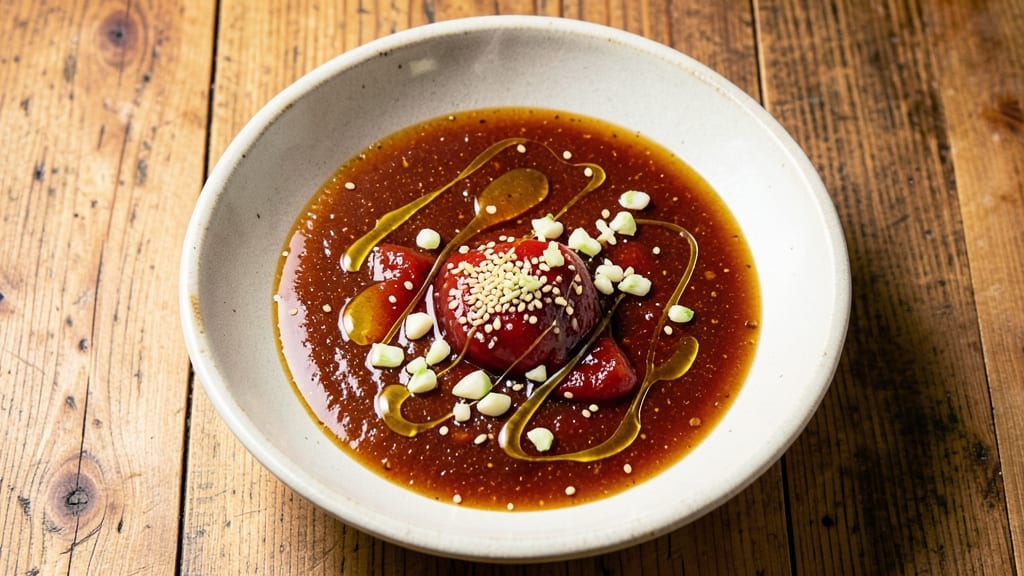
This Asian fusion sauce recipe transforms ordinary stir-fries and bowls into restaurant-quality meals with just five simple ingredients. The secret lies in balancing umami depth from soy and fish sauce with sweetness from honey and a hint of spice—creating a sauce that's both complex and effortless.
I developed this after years of experimenting with takeout flavors, and it never fails to elevate any dish. What makes this sauce special is its versatility. Use it as a dipping sauce for spring rolls, a glaze for grilled meats, or a dressing for fresh salads.
The ingredients are pantry staples, and the process takes just 10 minutes—no fancy techniques required. The sauce thickens slightly as it cools, making it perfect for meal prep.
The result is a glossy, aromatic sauce with layers of sweet, salty, and slightly spicy flavors that cling beautifully to noodles, proteins, or vegetables. Each spoonful delivers that perfect umami-sweet balance that makes Asian-inspired dishes irresistible. It's the kind of sauce that turns a simple weeknight dinner into something special.
Make a double batch and store it in the fridge for up to two weeks—this is the kind of recipe that disappears faster than you can say "stir-fry." Let's get started!
Ingredients for asian fusion sauce
Five pantry staples and two fresh aromatics create this restaurant-quality Asian fusion sauce.
| Ingredient | Amount | Notes |
|---|---|---|
| Soy Sauce 🍶 | ½ cup | Light or dark variety preferred |
| Fish Sauce 🐟 | ¼ cup | Red Boat brand recommended |
| Honey 🍯 | ¼ cup | Wildflower or clover preferred |
| Rice Vinegar 🍶 | ¼ cup | Seasoned or unseasoned |
| Sesame Oil 🫒 | 1 tbsp | Toasted sesame oil for aroma |
| Garlic Cloves 🧄 | 4 cloves | Minced for infusion |
| Fresh Ginger 🌿 | 1 tbsp | Finely grated, peeled |
| Red Chili Flakes 🌶️ | ½ tsp | Adjust for heat preference |
| Cornstarch 🌾 | 1 tsp | For thickening consistency |
| Water 💧 | ¼ cup | Room temperature preferred |
The fish sauce is where the umami magic happens—Red Boat is my go-to because it's clean and potent, but any reputable brand works. For the ginger and garlic, fresh is non-negotiable here; jarred minced garlic lacks the depth. If you can't find toasted sesame oil, regular sesame oil at half the amount works in a pinch, but you'll lose that nutty aroma. The soy sauce should be light for brightness, but dark works too if you prefer a deeper color. Buy these ingredients in bulk if you cook Asian often—Asian grocery stores have the best prices on fish sauce, ginger, and sesame oil.
No fish sauce? Extra soy sauce plus a splash of Worcestershire gets you close, though it won't be identical. Running out of honey? Maple syrup at the same amount works well. The rice vinegar can be swapped for apple cider vinegar, but it'll taste slightly different. If you're sensitive to heat, cut the chili flakes to a quarter teaspoon or skip them entirely. For a smoother sauce, blend everything after cooking. The cornstarch is key for that glossy finish—don't skip it unless you prefer a thinner consistency.
This sauce thickens as it cools, so start with slightly less water if you prefer it runnier. Store in an airtight jar in the fridge for up to 2 weeks. The flavors actually improve after the first day as everything melds. Double the batch and freeze half in ice cube trays for easy single-use portions—perfect for quick stir-fries or drizzling over takeout leftovers. If it separates, just stir vigorously before using.
Why You'll Love This Recipe
- Five-Ingredient Magic: I swear by this combo—just stir, taste, adjust. No chopping, no stress, just pure flavor with pantry staples I already own.
- Umami Bomb: That fish sauce punch cuts through everything while honey and vinegar balance it like a perfect bite. Sweet, salty, tangy—all at once.
- Dresses Any Meal: Drizzle it on noodles, toss with grilled chicken, or even slather it on sandwiches. It’s my secret weapon for turning simple meals into something special.
- Leftovers That Last: Make a big batch—it keeps for weeks in the fridge and costs pennies per serving. Honestly, I’ve used this sauce for breakfast tacos, lunch bowls, and dinner leftovers.
Step-by-step instructions for Asian fusion sauce
Here's how to create a perfectly balanced sauce with layers of umami, sweetness, and subtle heat.
Prepare the Aromatics and Base Ingredients
In a small bowl, mince the 4 cloves garlic cloves and finely grate the 1 tablespoon fresh ginger. Set these aside—you'll want them as finely textured as possible for smooth infusion. In a medium saucepan, combine the 0.5 cup soy sauce, 0.25 cup fish sauce, 0.25 cup honey, and 0.25 cup rice vinegar. Stir gently to dissolve the honey completely, breaking it into the mixture until it's fully incorporated.
This initial combination creates the foundational flavor profile. The soy and fish sauces provide the umami depth, while the honey and rice vinegar establish the sweet-tart balance. Let the mixture sit for 2 minutes while you prepare the next elements—this gives the ingredients a chance to begin melding together.
Infuse and Simmer the Aromatics
Place the saucepan over medium heat and add the minced garlic and grated ginger. Stir constantly for 2-3 minutes until the mixture becomes fragrant and the garlic turns translucent. You'll notice the aroma intensify—this is your cue that the flavors are properly infused. Once fragrant, add the 1 tablespoon sesame oil and the 0.5 teaspoon red chili flakes, stirring to distribute evenly.
Here's where the sauce starts to develop its character. The sesame oil adds nutty depth, while the chili flakes introduce subtle heat that will brighten the finished product. Keep the heat at medium—you want the sauce to simmer gently, not boil vigorously, which could cause the fish sauce to overpower the balance.
Thicken the Sauce to Perfect Consistency
In a small bowl, whisk together the 1 teaspoon cornstarch and 0.25 cup water until smooth. This slurry is your thickening agent, and it needs to be fully dissolved to prevent clumping. Once smooth, slowly pour the slurry into the simmering sauce while stirring continuously with a wooden spoon. The sauce will begin to thicken immediately, but keep stirring for 1-2 minutes until it reaches a glossy, coatable consistency—similar to a light syrup that clings to the back of a spoon.
The ideal texture should allow the sauce to coat proteins and vegetables evenly without being overly thick. If it's still too thin after 2 minutes, add another ½ teaspoon cornstarch mixed with 1 tablespoon water, stirring until thickened. Remove the sauce from heat once it reaches this perfect consistency—it will continue to thicken slightly as it cools.
Rest and Adjust the Flavor Balance
Let the sauce rest for 5-10 minutes off the heat. This resting period allows the flavors to fully meld and the sauce to reach its optimal balance. Taste the sauce and adjust the seasoning as needed. If it needs more sweetness, add ½ teaspoon honey; for more umami, add ½ teaspoon fish sauce; or for additional brightness, add ½ teaspoon rice vinegar. The goal is a harmonious blend where no single flavor dominates.
Once adjusted, transfer the sauce to a clean jar or airtight container. It will keep in the refrigerator for up to 1 week, making it perfect for batch cooking. This sauce works beautifully on stir-fries, noodle bowls, grilled proteins, or even as a dipping sauce for spring rolls. The key to its versatility lies in its balanced profile—sweet, salty, umami-rich, and just a hint of spice.
Pro Tips For Making Asian Fusion Sauce
- Simmer the Vinegar Last: Rice vinegar’s acidity evaporates fast—add it in the final 30 seconds of heating, not at the start. I learned this the hard way when my sauce turned flat and dull because the vinegar’s brightness cooked out too early. Let the soy and fish sauce build flavor first, then finish with vinegar for that bright, balanced punch.
- Balance Fish Sauce Slowly: Fish sauce is sneaky—start with half the recipe’s amount, taste, then add more. My first batch tasted like a salty swamp because I dumped in all 2 tablespoons upfront. The goal is umami depth, not fishy overkill. Stir in 1 teaspoon at a time, wait 30 seconds, and adjust.
- Warm the Honey First: Cold honey sinks like a rock and clumps in your sauce. Microwave it for 10 seconds or stir it into the warm soy sauce first—this ensures it dissolves smoothly. Skimping here gives you grainy bits that ruin the texture, and nobody wants to fish honey out of their sauce.
- Taste Before the Sesame Oil: Add sesame oil last, but only after confirming the base flavors are right. It’s aromatic but can’t fix an unbalanced sauce. I once drowned a perfectly seasoned batch because I panicked and tossed in oil too early, muting everything. Wait until the sauce sings, then add a drizzle—just enough to make it smell like a street food stall.
Wine and beer pairings for asian fusion sauce
Crisp White Wine
A dry Riesling from Germany or a Sauvignon Blanc from New Zealand cuts through the sauce's richness while complementing its subtle heat. The acidity in these wines refreshes your palate between bites of spicy or umami-packed dishes.
I reach for a Dr. Loosen Blue Slate Riesling—its citrus notes harmonize perfectly with the honey and ginger in the sauce. 🍷
Light Japanese Beer
For beer lovers, a Sapporo or Asahi Super Dry offers a clean, crisp profile that mirrors the sauce's balance of sweet and salty. The light body won’t overpower the dish, and the slight effervescence cleanses your palate.
Avoid heavy lagers or IPAs—they’ll clash with the sauce’s delicate complexity. A chilled glass makes every spoonful of sauce taste even more vibrant.
Asian-Inspired Cocktails
Pair your fusion sauce with a Lychee Martini (vodka, lychee juice, and a splash of lime) for a sweet-spicy contrast. The floral lychee enhances the sauce’s umami, while the lime brightens the dish.
For something stronger, try a Sake Highball (sake, soda water, and lemon)—the citrus and effervescence balance the sauce’s richness beautifully. These drinks elevate the meal to restaurant-worthy status.
Non-Alcoholic Options
Don’t drink alcohol? A sparkling yuzu soda (like San Pellegrino Yuzu) or ginger beer (like Feather Ginger Beer) mirrors the sauce’s zesty-sweet profile. The bubbles and citrus notes refresh your palate between bites.
For a simpler option, iced green tea (like Jasminum) adds a subtle floral note that pairs surprisingly well with the sauce’s depth.
Regional Wine Pairings
If you’re serving stir-fried noodles, a Gewürztraminer from Alsace adds a lychee-like sweetness that complements the honey. For grilled meats with the sauce, a Pinot Noir from Oregon provides enough acidity to stand up to the umami.
The key is matching the wine’s fruitiness or acidity to the sauce’s dominant flavors—sweet with sweet, bold with umami, and crisp with heat. 🍷
Nutrition facts
Frequently asked questions
Can I make this sauce without fish sauce?
Yes! Replace the 0.25 cup fish sauce with 0.3 cup soy sauce plus 1 teaspoon Worcestershire sauce for similar umami depth. The sauce will still taste delicious, though slightly different. For a vegetarian option, use 0.25 cup soy sauce plus 1 teaspoon mushroom powder or 1 tablespoon coconut aminos.
How do I adjust the heat level?
Start with the 0.5 teaspoon red chili flakes and taste before removing from heat. For milder heat, reduce to a quarter teaspoon or omit entirely. Need more spice? Add a pinch of cayenne pepper or 1 teaspoon sriracha after cooling. The sauce's subtle heat builds over time, so adjust gradually.
Can I use this sauce on non-Asian dishes?
This fusion sauce works beautifully on burgers, tacos, or grilled chicken. Its balanced sweet-savory profile enhances any protein. Try it as a marinade for steak or pork chops (reduce the honey to 2 tablespoons to avoid overpowering). The umami depth also makes it perfect for roasted vegetables or even pizza sauce.
Why did my sauce separate?
Separation happens when cornstarch isn't fully dissolved or the sauce cools too quickly. Fix it by whisking vigorously or placing the jar in warm water for 30 seconds to re-emulsify. To prevent this, whisk the cornstarch slurry until completely smooth before adding to the sauce. If it's too thick, thin with 1 teaspoon warm water while stirring.
How long does this sauce keep?
Store in an airtight container in the fridge for up to 2 weeks. The flavors actually improve after 24 hours as ingredients meld. For longer storage, freeze in ice cube trays—each cube makes a perfect single-serving drizzle. Thaw overnight in the fridge before using. The sauce's texture may thicken further when refrigerated, so stir well before using.