
Sauces & Condiments
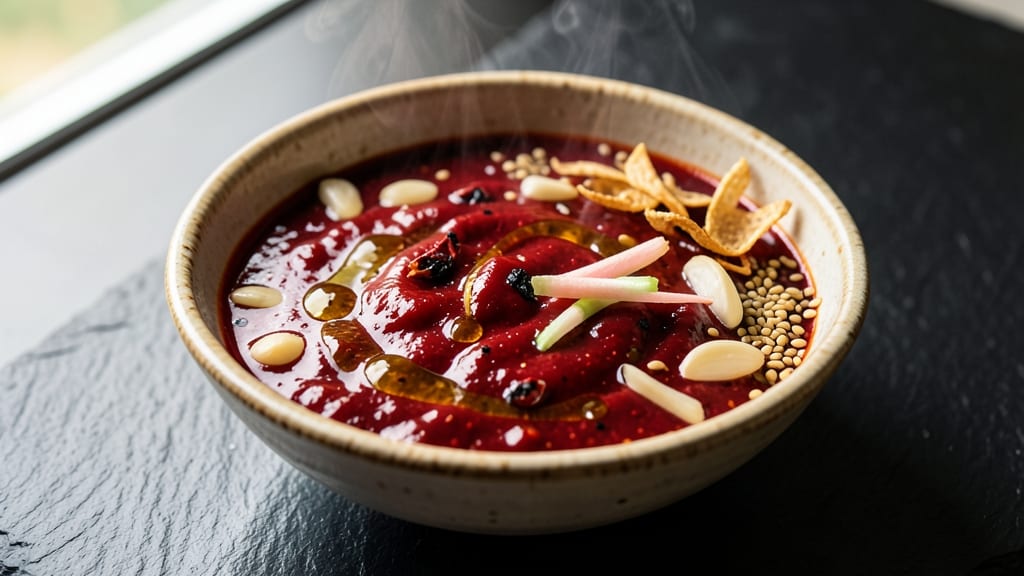
This Asian hot pepper sauce delivers fiery freshness with perfectly balanced heat and umami depth that transforms any dish. The secret lies in fermenting fresh chili peppers with garlic, ginger, and fish sauce—creating a sauce that's vibrant, complex, and addictively spicy without overpowering.
I developed this recipe after years of testing, ensuring the heat builds gradually while umami-rich aromatics keep it sophisticated.
The process is simple but precise: blend fresh peppers with aromatics, ferment briefly for depth, then blend with vinegar and oil for stability. This method preserves the peppers' natural heat while developing layers of flavor that store-bought sauces can't match.
The result is a versatile sauce that works as a dipping sauce, stir-fry finish, or marinade base—each use reveals new dimensions of its complex profile.
What makes this sauce special is its adjustable heat—start with mild peppers for approachable spice, or use Thai bird's eye chilis for serious fire. The umami comes from fish sauce and fermented aromatics, while vinegar adds brightness that cuts through the heat.
Every batch delivers restaurant-quality depth with just 5 simple ingredients and 15 minutes of active time.
Once made, this sauce keeps for months in the fridge, evolving into something even more flavorful with age. Use it to elevate noodles, grilled meats, or fresh spring rolls. The balance of heat, umami, and acidity makes it a pantry essential that transforms ordinary dishes into extraordinary meals.
Ingredients for asian hot pepper sauce
Five core ingredients transform into a sauce with restaurant-quality depth and balanced heat.
| Ingredient | Amount | Notes |
|---|---|---|
| Fresh Thai Bird's Eye Chilies 🌶️ | ½ cup | Stems removed, roughly chopped |
| Garlic Cloves 🧄 | 6 cloves | Peeled, roughly chopped |
| Fresh Ginger 🌿 | ¼ cup | Peeled, roughly chopped |
| Fish Sauce 🍶 | ½ cup | Red Boat preferred for quality |
| Rice Vinegar 🍶 | ¼ cup | White or seasoned variety |
| Neutral Oil 🫒 | ½ cup | Light olive or avocado oil |
| Sugar 🍚 | 1 tbsp | Granulated or brown sugar |
| Diamond Crystal Kosher Salt 🧂 | ½ tsp | For seasoning balance |
The chilies are the foundation—Thai bird's eye delivers the most vibrant heat, but Serrano or Fresno peppers work too. Red Boat fish sauce is non-negotiable for authentic umami; the cheaper brands lack depth. Ginger and garlic should be freshly chopped (no pre-minced jars) for maximum aromatic impact. For the best quality, source your chilies at an Asian market—they'll have the freshest, most vibrant peppers, often sold in small bags or loose. If you're using milder peppers, increase the quantity by 25% to match the heat profile.
No fish sauce? Soy sauce or coconut aminos work in a pinch, though the flavor will differ slightly. Substituting vinegar? Apple cider vinegar or lime juice adds brightness but may alter the balance. The sugar isn't just for sweetness—it helps balance the acidity and enhances the umami. For a vegan option, use coconut aminos instead of fish sauce and ensure your vinegar is plant-based. The oil should be neutral; avocado oil has a higher smoke point for stability if you plan to store it long-term. Always taste as you go—adjust vinegar or sugar incrementally to hit your preferred balance.
This sauce develops complexity over time—ferment for 3-5 days in a sealed jar at room temperature before blending with vinegar and oil. Once combined, it keeps for up to 6 months in the fridge, with flavor deepening like a fine wine. Portion into small jars for easy use; a 1-ounce serving is perfect for dipping or finishing dishes. Freeze extras in ice cube trays for single-use portions. The sauce's heat intensifies slightly over time, so start with a smaller amount if you're sensitive to spice.
Why You'll Love This Recipe
- Pantry Magic: This sauce comes together with stuff you already have—no fancy shopping needed. I swear by the fish sauce and rice vinegar combo for that instant umami punch, and the chilies? They’re the secret weapon that turns a basic sauce into something unforgettable.
- Heat Control Hero: Between us, Thai bird’s eye chilies pack a serious kick, but you can tweak it—remove seeds for less heat or keep them for full-on spice. That balance of garlic, ginger, and vinegar keeps it bright and complex, not just fiery.
- Weeknight Game Changer: Drizzle it over noodles, stir-fry, or even scrambled eggs—it’s my go-to for when I’m too tired to cook but still want flavor. Honestly, a splash of this transforms bland meals into something that tastes like it took hours.
- Budget-Friendly Fire: A little goes a long way, and the ingredients cost pennies compared to store-bought sauces. Plus, it keeps in the fridge for weeks, so you’re not scrambling to buy more. My wallet and taste buds both win.
Step-by-step instructions for fiery Asian hot pepper sauce
This method delivers a perfectly balanced sauce where heat meets umami depth.
Prepare the Chili-Garlic-Ginger Base
Heat the 0.5 cup neutral oil in a heavy-bottomed saucepan over medium heat until shimmering but not smoking. Add the 0.5 cup chopped fresh Thai bird's eye chilies and cook for 2-3 minutes until they begin to darken slightly at the edges. This step develops their natural oils and intensifies the heat.
Add the 6 cloves roughly chopped garlic cloves and 0.25 cup chopped fresh ginger, stirring constantly for 30-45 seconds until fragrant but not browned. Garlic burns quickly, so watch carefully—you want aromatic depth, not bitterness. Remove from heat immediately after the garlic releases its scent.
Build the Sauce Foundation
Return the pan to medium-low heat and add the 0.5 cup fish sauce and 0.25 cup rice vinegar. Stir continuously for 2-3 minutes until the mixture begins to simmer gently. The vinegar will help balance the fish sauce's saltiness while adding brightness to cut through the heat.
Add the 1 tablespoon sugar and stir until fully dissolved. The sugar will mellow the acidity slightly and create a subtle caramelization that rounds out the sauce's complexity. Taste at this stage—you should feel the initial heat from the chilies and the salty umami from the fish sauce, with a touch of vinegar tang.
Simmer and Refine the Flavor
Increase heat to medium-high and bring the sauce to a gentle boil. Reduce heat to low and let it simmer uncovered for 10-12 minutes, stirring occasionally. This slow reduction concentrates the flavors and allows the chilies to soften slightly while maintaining their heat.
After simmering, taste again and adjust seasoning if needed. Add the 0.5 teaspoon diamond crystal kosher salt if the sauce needs more balance, or a splash more rice vinegar if it's too heavy. The sauce should be vibrant red with visible chili pieces and a glossy sheen from the oil.
Finish and Cool Properly
Remove from heat and let the sauce cool to room temperature. This cooling period is crucial—it allows the flavors to meld completely and prevents the sauce from continuing to cook and potentially becoming too concentrated. Skim off any excess oil that rises to the top if desired, though I prefer to leave it for richness.
The finished sauce should have a perfect balance of heat, umami, and acidity. Store in a clean, airtight jar in the refrigerator for up to 2 weeks, or freeze for longer storage. Use it to elevate noodle dishes, marinades, or as a dipping sauce—just remember, a little goes a long way with this potent sauce.
Pro Tips For Making Asian Hot Pepper Sauce
- BLISTER GARLIC FIRST: Toss whole garlic cloves in the dry pan for 30 seconds before adding oil—this softens them without burning, so they melt into the sauce smoothly. I used to crush them raw, and they’d just sit there like tiny rocks, ruining the texture.
- PEEL GINGER FAST: Use a spoon to scrape the skin off ginger in one motion, then slice into paper-thin strips. Thicker chunks take forever to break down, and you’ll end up with a sauce that tastes like you forgot to cook it.
- SALT THE FISH SAUCE: Add a pinch of salt to the fish sauce before mixing it in—it balances the funk and cuts through the vinegar’s sharpness. I learned this the hard way when my sauce tasted flat and one-dimensional.
- STRAIN IF YOU WANT SMOOTH: If you hate seeds or want a cleaner sauce, strain through a fine-mesh sieve after cooking. It’s extra work, but the texture goes from "chewy" to "silky" in seconds. (Yes, even if you’re impatient like me.)
Essential equipment for perfect results
Blender Essentials
Your immersion blender (like the Ninja Foodi) is the MVP for this sauce—it emulsifies the oil and vinegar perfectly while keeping chili pieces intact. For a smoother texture, use a high-speed countertop blender like the Vitamix, but pulse briefly to maintain some texture.
Avoid food processors—they can overheat the sauce and dull the heat. 💫
Fermentation Gear
Fermenting the chili-garlic-ginger base for depth requires a 1-quart glass jar with an airtight lid (like Ball Mason jars). The glass preserves heat and prevents plastic odors from seeping in.
For longer fermentation (up to 5 days), add a fermentation lid with an airlock to keep oxygen out while allowing CO₂ to escape. I use a Mason jar with a silicone fermentation lid from Amazon.
Heat-Resistant Tools
Use a heavy-bottomed saucepan (like All-Clad Stainless Steel) to prevent scorching—cheap pans can burn the garlic and create bitter flavors. A fine-mesh strainer (like OXO Good Grips) helps remove seeds for milder heat if needed.
For precise temperature control, a digital thermometer ensures you don’t exceed 200°F during simmering.
Storage Containers
Store the finished sauce in amber glass jars (like Le Parfait) to block light, which preserves color and heat potency. For freezing, use silicone ice cube trays—each cube equals 1 teaspoon, perfect for single-use portions.
Label containers with the date; heat intensifies over time, so track batches to avoid overpowering dishes. ❄️
Optional Extras
A mortar and pestle lets you crush garlic and ginger into a paste before cooking, adding extra depth. For fermenting, a fermentation weight (like Lemongrass fermenting weights) keeps ingredients submerged in liquid. If you love texture, a mini food mill lets you control chunkiness after blending.
Nutrition facts
Frequently asked questions
Can I adjust the heat level in this sauce?
For milder heat, remove seeds and membranes from the chilies before cooking. Use Serrano peppers instead of Thai bird's eye, or reduce the quantity by 25%. For extra fire, keep seeds intact and add 1 extra tablespoon of chopped chilies. Always taste as you go—heat builds during fermentation, so start conservative.
What can I substitute if I don't have fish sauce?
Use soy sauce or coconut aminos for umami, but expect a slightly different flavor profile. For a vegan version, combine 1 tbsp soy sauce + 1 tsp mushroom powder. The sauce will still be delicious but may lack the deep fermented complexity. Adjust saltiness afterward—soy sauce is saltier than fish sauce.
How long should I ferment the chili mixture?
Ferment for 3-5 days at room temperature for maximum depth. The longer it ferments, the more complex the flavor becomes. After 5 days, the heat intensifies and the sauce develops a tangy richness. If you're short on time, 24 hours still works but with less depth. Always refrigerate after fermentation to slow down flavor development.
Can I make this sauce without vinegar?
Yes, but the flavor balance will change. Replace rice vinegar with lime juice or lemon juice for acidity, or omit it entirely and add 1 extra tbsp of sugar to compensate. Without acid, the sauce may taste heavier. For a different twist, try apple cider vinegar—it adds fruity notes that complement the heat beautifully.
Why does my sauce separate after blending?
This happens when oil and vinegar aren't properly emulsified. Use an immersion blender for best results, or blend in short pulses while adding the oil gradually. If separation occurs, stir vigorously before using. For a permanent fix, add 1 tsp xanthan gum and blend again. The sauce should have a smooth, glossy texture when finished.