
Sauces & Condiments
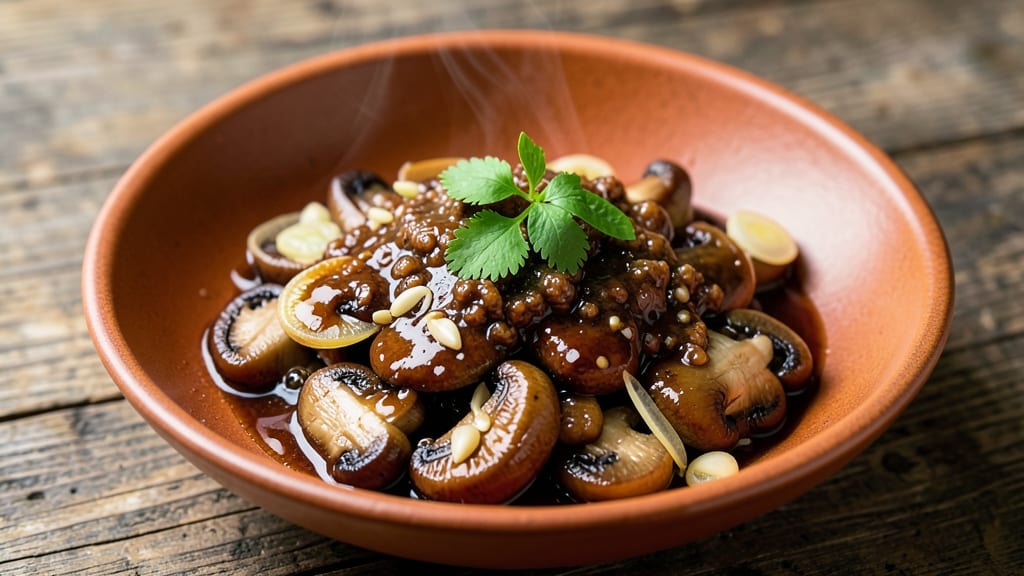
This Asian mushroom sauce recipe transforms humble mushrooms into a deeply umami-rich pan sauce that elevates any dish in just 15 minutes. The secret lies in combining shiitake mushrooms, aromatic shallots, and a balanced trio of soy sauce, fish sauce, and a touch of coconut milk for creaminess.
What makes this sauce special is its versatility—it works as a stir-fry glaze, noodle dressing, or dipping sauce without overpowering the dish.
What sets this sauce apart is the two-step cooking process: first, mushrooms and aromatics caramelize in the pan to build rich flavors, then a simple slurry of cornstarch and water thickens the sauce into a glossy, clingy finish.
The result is a sauce that’s bold yet balanced, with layers of savory, slightly sweet, and umami notes that cling to every bite. It’s the kind of sauce that turns a simple weeknight meal into something restaurant-worthy.
Once made, this sauce keeps beautifully in the fridge for up to 5 days or freezes for 3 months, making it perfect for meal prep. Pair it with grilled chicken, steamed rice, or fresh noodles for a quick, flavorful meal.
The best part? It’s easier to make than store-bought and packed with more depth and complexity. Let’s get cooking!
For extra depth, add a splash of sesame oil at the end or a sprinkle of toasted sesame seeds for texture. If you prefer a vegetarian version, swap fish sauce for vegetarian oyster sauce or extra soy sauce.
This sauce is your secret weapon for adding restaurant-quality flavor to any dish.
Ingredients for asian mushroom sauce
Nine ingredients, bold flavors—this sauce turns simple mushrooms into restaurant-quality magic.
| Ingredient | Amount | Notes |
|---|---|---|
| Dried Shiitake Mushrooms 🍄 | 2 tbsp | Rehydrated in hot water |
| Fresh Shiitake Mushrooms 🍄 | 8 oz | Stems removed, sliced thin |
| Shallots 🧅 | 3 whole | Minced finely for aroma |
| Garlic Cloves 🧄 | 4 cloves | Minced for depth |
| Light Soy Sauce 🥢 | ½ cup | Kikkoman preferred |
| Fish Sauce 🍶 | 1 tbsp | Red Boat brand recommended |
| Coconut Milk 🥥 | ¼ cup | Full-fat for creaminess |
| Cornstarch 🌾 | 1 tbsp | For glossy finish |
| Water 💧 | 1 tbsp | For slurry |
| Sesame Oil 🫒 | 1 tsp | Toasted for aroma |
| Toasted Sesame Seeds 🌰 | 1 tsp | For garnish |
Shiitake mushrooms are the star here. Fresh shiitake has the most umami, but dried work in a pinch—just rehydrate them first. Asian markets usually carry the best quality, but regular grocery stores have them too. Look for mushrooms with tight caps and no sliminess. The shallots and garlic? Minced finely—you want that aromatic punch. For extra depth, toast your sesame seeds in a dry pan first—they’ll add a nutty crunch that takes this sauce to the next level. If you're short on time, frozen shiitake work just as well, no need to thaw them first.
No fish sauce? Vegetarian oyster sauce or extra soy sauce works perfectly—just add a splash of vinegar if you want that tang. Coconut milk can be swapped for cashew cream or extra soy sauce if you're avoiding dairy. The cornstarch slurry is key for that glossy finish—don't skip it. For a smoother sauce, blend the mushrooms after cooking. If you're making this ahead, prep the slurry separately and add it at the end to prevent clumping. The sesame oil goes in last—just a splash to brighten everything up.
This sauce keeps beautifully in the fridge for 5 days, sealed in a jar with a thin layer of oil on top to preserve freshness. Freeze for up to 3 months in ice cube trays for single-use portions—perfect for quick meals. I always make a double batch because it disappears fast. Store the sesame seeds separately if you want to toast them fresh each time you use it. The sauce tastes even better the next day as the flavors meld together—trust me on this.
Why You'll Love This Recipe
- I’ll be real: that combo of dried shiitake (soaked overnight) and fresh ones? The sauce hits deep, savory layers without a single drop of meat. The shallots caramelize in minutes—no fancy technique needed—while the garlic cloves toast until they’re just shy of bitter.
- Umami Bomb Ready: I’ll be real: that combo of dried shiitake (soaked overnight) and fresh ones? The sauce hits deep, savory layers without a single drop of meat. The shallots caramelize in minutes—no fancy technique needed—while the garlic cloves toast until they’re just shy of bitter.
- One-Pan Magic: Honestly, this is my lazy night secret weapon. Toss everything in one pot, simmer until the soy sauce reduces to a glossy sheen, and boom—ready to pour over noodles, rice, or even grilled chicken. No chopping boards to scrub, no extra bowls to wash.
- Leftovers That Shine: Between us, this sauce improves after a day in the fridge. The flavors meld like old friends, and it’s perfect for reheating over rice or drizzling on takeout-style dishes. I make a big batch Sunday, and it’s gone by Wednesday.
Step-by-step instructions for Asian mushroom sauce
This umami-packed sauce comes together faster than you can say "wok hei."
Rehydrate and Prep the Shiitake Mushrooms
Start by rehydrating the 2 tablespoons dried shiitake mushrooms in ½ cup hot water for 10 minutes. You want them to soften enough to break down into a rich, earthy paste—this is where that deep umami flavor comes from. While they soak, remove the stems from the 8 ounces fresh shiitake mushrooms and slice them thinly. The stems can be tough, so we save those for stocks or compost.
Drain the rehydrated mushrooms, reserving the soaking liquid—you'll use it later. Finely chop the mushrooms and set aside. Here's the thing: the texture of your sauce depends on how finely you slice these. Too thick, and you'll have chewy bits; too fine, and it might turn into mush. Aim for ¼-inch slices for that perfect balance between texture and flavor.
Build the Flavor Base with Aromatics
Heat a large skillet or wok over medium heat and add 1 tablespoon sesame oil. Once shimmering, add the 3 minced shallots and cook for 2 minutes until they turn translucent and just begin to soften. Don't let them brown—you want sweetness, not bitterness. Add the 4 minced garlic cloves and cook for another 30 seconds until fragrant. This is where the sauce's aromatic foundation gets built.
Now add the 8 ounces sliced fresh shiitake mushrooms and the 2 tablespoons rehydrated mushrooms. Cook for 5-6 minutes, stirring occasionally, until the mushrooms release their moisture and begin to soften. You're looking for a glossy sheen on the mushrooms—that's your sign they're ready. If the pan gets too dry, add 1 tablespoon of the reserved soaking liquid to keep everything moving smoothly.
Deglaze and Simmer the Sauce
Pour in the ½ cup light soy sauce and 1 tablespoon fish sauce, scraping up any browned bits from the bottom of the pan. These bits are pure flavor—don't waste them! Let the sauce simmer for 3-4 minutes until it reduces slightly and coats the back of a spoon. You'll notice the aroma intensify as the soy sauce mellows and the fish sauce adds that signature salty depth.
Stir in the ¼ cup coconut milk and let it heat through for 1 minute. The sauce should now be velvety and rich, with a beautiful sheen. If it's too thick at this point, add 1 tablespoon water to loosen it up. The goal is a sauce that's glossy enough to coat the back of a spoon but still has enough body to cling to noodles or proteins.
Thicken and Finish the Sauce
In a small bowl, whisk together the 1 tablespoon cornstarch and 1 tablespoon water to create a smooth slurry. Slowly pour this into the simmering sauce while stirring constantly. The sauce will thicken almost immediately—keep stirring for another 1-2 minutes until it reaches your desired consistency. You want it to coat a spoon lightly but still be pourable.
Remove the sauce from heat and stir in the 1 teaspoon toasted sesame oil and 1 teaspoon toasted sesame seeds. Taste and adjust seasoning if needed—you might want to add a touch more soy sauce for saltiness or a splash of water if it's too thick. The sauce should be balanced: salty from the soy and fish sauce, rich from the mushrooms and coconut milk, and nutty from the sesame. Let it cool slightly before serving over noodles, rice, or grilled proteins.
Pro Tips For Making Asian Mushroom Sauce
- Bloom the Dried Shiitake: DESCRIPTION:
- Slice Shallots Thin: DESCRIPTION:
- Sweat Garlic Low and Slow: DESCRIPTION:
- Reduce Soy Sauce Last: DESCRIPTION:
Serving suggestions for this dish
Noodle Perfection
This sauce is a game-changer for noodles—especially ramen, udon, or soba. Toss freshly cooked noodles with 2 tablespoons sauce per serving and top with sliced green onions, cilantro, and a sprinkle of crushed peanuts for crunch. For extra richness, drizzle with a little chili oil or sriracha.
I love serving it with cold noodles for a refreshing take on Asian salads—just toss with ½ cup cold noodles and 1 tablespoon sauce, then garnish with sesame seeds. 🥢
Protein Pairings
Grilled or seared proteins shine with this sauce. Brush 4-6 oz chicken thighs or salmon fillets with sauce before cooking, then finish with a quick sear. For beef lovers, try it on flank steak—marinate slices in ¼ cup sauce for 30 minutes before grilling.
The umami depth complements the natural sweetness of mushrooms perfectly. Serve with steamed jasmine rice to soak up every last drop. 🍖
Dipping Sauce Magic
Use this sauce as a dipping sauce for spring rolls, dumplings, or crispy tofu. Thin it slightly with 1 tablespoon water if needed for easier dipping. For extra flair, add a few drops of hot sauce or a pinch of white pepper to the sauce before serving.
It’s also fantastic with fried rice—stir 2 tablespoons sauce into 2 cups cooked rice and top with scrambled eggs or veggies. 🥟
Vegetarian Bowls
Transform this sauce into a vegetarian powerhouse by tossing it with roasted veggies like broccoli, bell peppers, and tofu. For a quick bowl, mix 1 cup cooked quinoa, ½ cup stir-fried veggies, and 2 tablespoons sauce.
Top with avocado slices and sesame seeds for a balanced, protein-packed meal. The sauce’s richness makes it perfect for buddha bowls or grain salads. 🥗
Breakfast Twist
Yes, you read that right—this sauce is amazing with breakfast. Drizzle it over scrambled eggs or tofu scramble for an umami kick. Mix 1 tablespoon sauce into 2 cups cooked rice for a savory rice bowl, then top with a fried egg and scallions.
It’s a flavor upgrade that turns breakfast into a full-blown meal. Trust me, your morning routine will never be the same. 🍳
Nutrition facts
Frequently asked questions
Can I use other mushrooms besides shiitake?
Oyster mushrooms work beautifully—they have a slightly sweeter flavor and softer texture. For extra depth, try a mix of shiitake and oyster mushrooms. Avoid button mushrooms, as they lack the umami richness. Wood ear mushrooms add a fun texture when rehydrated and chopped finely.
How do I make this sauce vegetarian?
Swap the fish sauce for 1 tablespoon vegetarian oyster sauce plus ½ teaspoon vinegar to mimic the umami and tang. For extra richness, add 1 tablespoon miso paste when simmering. The sauce will still pack plenty of savory flavor without any animal products.
Why did my sauce turn out too thick?
This usually happens if you didn't thin it properly with water or coconut milk. For a smoother texture, blend the cooked mushrooms before adding them to the pan. If the sauce is already too thick, whisk in 1 teaspoon water at a time until you reach the desired consistency.
Can I make this sauce in a slow cooker?
Yes! Sauté the aromatics and mushrooms first, then transfer everything to a slow cooker with ¼ cup water. Cook on low for 2-3 hours until thickened, then finish with the cornstarch slurry and sesame oil. The slow cooker method works especially well for making extra sauce ahead of time.
What's the best way to reheat leftover sauce?
Gently warm the sauce in a saucepan over low heat, stirring constantly to prevent clumping. Add 1 teaspoon water if needed to loosen it. Never microwave it directly, as this can make it grainy. If the sauce thickens too much, whisk in a bit more water while reheating.