
Sauces & Condiments
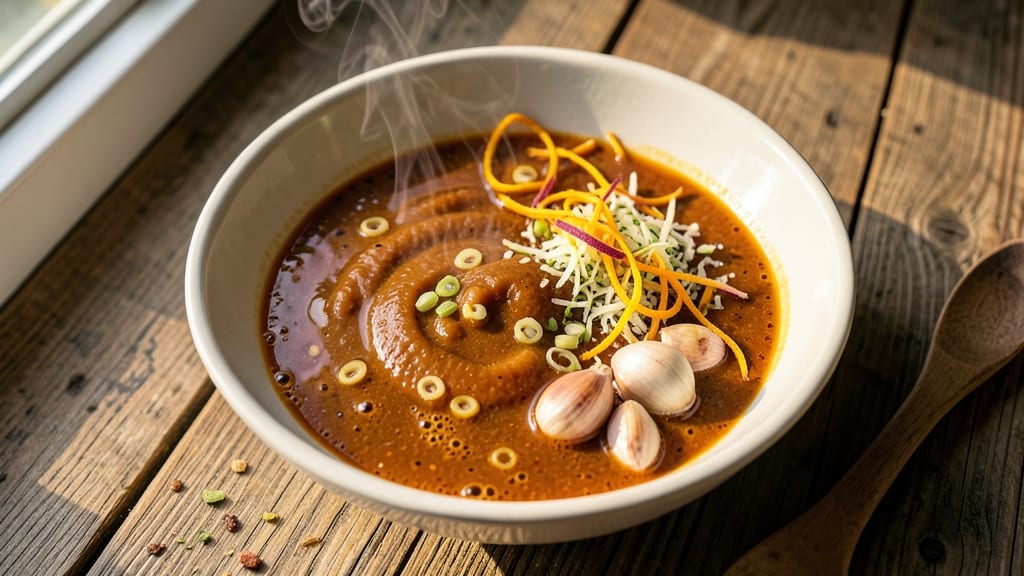
This Asian orange ginger sauce transforms simple weeknight meals into vibrant, restaurant-quality dishes with just a few pantry staples and 15 minutes of active time.
The bright citrus and fiery ginger create a perfect balance—tangy enough to cut through rich flavors while adding a warm, aromatic depth that elevates stir-fries, marinades, and dipping sauces alike.
I developed this recipe after years of experimenting with Asian sauces, and it’s now my go-to for adding complexity without overpowering the dish.
The sauce starts with fresh ginger and orange zest, which are simmered with garlic, shallots, and a touch of honey to mellow the sharpness. A base of soy sauce and rice vinegar grounds the flavors, while a splash of sesame oil adds nutty richness.
The key is reducing the sauce just enough to concentrate the flavors without making it syrupy—this ensures every drop delivers that signature zesty-spicy kick.
What makes this sauce truly versatile is its adaptability: use it as a marinade for grilled chicken, a dipping sauce for spring rolls, or a glaze for roasted vegetables.
The bright orange hue and aromatic ginger scent alone will make your kitchen smell like a bustling Asian street market, while the balanced sweet-spicy-savory profile ensures it works in both quick weeknight meals and elegant dinner parties.
Once made, the sauce keeps well in the fridge for up to a week, so you can batch-prep it for multiple meals. The instructions are straightforward, but the magic lies in the fresh ingredients—don’t skip the zest or the slow simmer.
This isn’t just another sauce; it’s a flavor multiplier that turns ordinary dishes into something extraordinary.
Ingredients for asian orange ginger sauce
Pantry staples meet fresh citrus and ginger for this vibrant sauce—just 10 ingredients.
| Ingredient | Amount | Notes |
|---|---|---|
| Fresh Ginger Root 🧄 | ½ cup | Peeled, finely grated (about 2 oz) |
| Orange Zest 🍊 | 2 tbsp | From 1 large organic orange |
| Garlic Cloves 🧄 | 4 cloves | Minced finely for depth |
| Shallots 🧅 | 2 whole | Minced or finely chopped |
| Honey 🍯 | 1 tbsp | Wildflower preferred for floral notes |
| Low-Sodium Soy Sauce 🍶 | ½ cup | Kikkoman or San-J recommended |
| Rice Vinegar 🍶 | ¼ cup | Seasoned preferred for balance |
| Sesame Oil 🫒 | 1 tbsp | Toasted sesame oil for aroma |
| Water 💧 | ¼ cup | For thinning if needed |
| Salt 🧂 | ½ tsp | Diamond Crystal kosher preferred |
The ginger and orange zest are the flavor anchors here. Buy fresh ginger—it’s worth the extra few bucks for the vibrant flavor. Look for firm, bumpy roots with no soft spots. The zest should come from organic oranges if possible—navel oranges work best—and always use a microplane for maximum flavor. Shallots add subtle sweetness, but if you can’t find them, substitute extra-fine minced red onion. The honey balances the sharpness, so don’t skip it—wildflower or clover honey adds floral notes that complement the citrus beautifully.
No sesame oil? Avocado oil or neutral oil works, but it’ll lack that nutty aroma. The sauce can be made without honey if you’re avoiding sugar, but maple syrup or agave at half the amount works well. For a tangier sauce, add an extra tablespoon of rice vinegar. If you prefer less heat, reduce the ginger to 0.375 cup. This sauce is incredibly versatile—use it as a marinade, dipping sauce, or glaze. The key is reducing it to your preferred consistency, so taste as you go. Trader Joe’s has great pre-minced garlic and shallots if you’re short on time.
Store in an airtight container in the fridge for up to 1 week, or freeze for 3 months in ice cube trays for single-use portions. The sauce thickens as it cools, so add a splash of water when reheating. I like to make a big batch and keep it on hand for stir-fries, grilled meats, or drizzled over noodles. The bright orange color fades slightly over time, but the flavor stays vibrant. If it separates, just give it a quick whisk before using—it’ll come back together perfectly.
Why You'll Love This Recipe
- Pantry-Friendly Magic: I swear by this sauce because it uses stuff I always have—ginger, honey, a little garlic—and no special trips to the store. That bright orange zest? Instant sunshine in a jar.
- Zingy Balance: The honey rounds out the sharp ginger while the orange zest gives it this lift—like a citrusy hug for your taste buds. It’s sweet, spicy, and fresh all at once, without tasting like a single note.
- Dress-Up Everything: Slather it on grilled chicken, toss it with noodles, or drizzle it over rice bowls. Even my picky roommate asked for seconds when I served it with store-bought dumplings. (Yes, even on a Tuesday night.)
- Lasts All Week: Make a double batch—it keeps for days in the fridge and tastes just as good reheated. I’ve used it to jazz up takeout leftovers, stir-fries, and even as a marinade. Zero waste, all flavor.
Step-by-step instructions for Asian orange ginger sauce
Here's how to create a vibrant sauce that balances sweet, spicy, and tangy flavors perfectly.
Prepare the Ginger and Aromatics
Start by peeling and finely grating the 0.5 cup fresh ginger root using a microplane or fine grater. You're aiming for a smooth paste—no need for large chunks. In a small bowl, combine the grated ginger with the 2 tablespoons orange zest, 4 minced garlic cloves, and 2 minced shallots. Let this mixture sit for 5 minutes while you prepare the rest—this allows the flavors to begin melding together.
I like to use a microplane for the ginger because it creates a fine texture that dissolves smoothly into the sauce. If you're using a box grater, press firmly to avoid getting any tough strings. The orange zest should be freshly zested from a large organic orange—this makes all the difference in brightness and aroma.
Cook the Aromatic Base
Heat a small saucepan over medium-low heat and add the ginger-shallot mixture. Cook for 3-4 minutes, stirring frequently, until the shallots soften and become translucent. You'll notice the mixture releases moisture and starts to sizzle gently—this is when the flavors begin to develop.
Don't let the mixture brown at this stage—you're just cooking out the raw taste of the garlic and shallots. If it starts to darken too quickly, reduce the heat slightly. The goal is to create a fragrant base without burning the delicate flavors. After 3-4 minutes, the mixture should smell intensely aromatic with notes of citrus, ginger, and garlic.
Build the Sauce Foundation
Add the 0.5 cup low-sodium soy sauce, 0.25 cup rice vinegar, and 1 tablespoon honey to the saucepan. Stir well to combine, then increase the heat to medium-high and bring the mixture to a gentle simmer. Let it cook for 5-6 minutes, stirring occasionally, until it reduces by about one-third—you'll see the sauce thicken slightly and become glossy.
This is where the sauce starts to come together. The soy sauce adds umami depth, the rice vinegar provides tang, and the honey balances everything with natural sweetness. Stir frequently to prevent sticking, and watch for the sauce to darken slightly—this indicates the flavors are melding beautifully. If it reduces too quickly, you can add a splash of 0.25 cup water later to adjust the consistency.
Finish with Sesame Oil and Seasoning
Remove the saucepan from heat and stir in the 1 tablespoon toasted sesame oil and 0.5 teaspoon salt. The sesame oil adds a nutty aroma and rich depth, while the salt ties all the flavors together. Taste the sauce at this point—it should be balanced with bright citrus, spicy ginger, and savory soy notes. If it needs more sweetness, add a touch more honey; if it's too sharp, a bit more water will help.
Let the sauce cool slightly before tasting again. The flavors continue to develop as it cools, so give it a few minutes before adjusting. For a smoother texture, you can strain the sauce through a fine-mesh sieve to remove any fibrous bits from the ginger or shallots. This step is optional but gives you a silky, restaurant-quality finish.
Adjust Consistency and Store
If the sauce is too thick, thin it with the reserved 0.25 cup water, adding it 1 tablespoon at a time until you reach your desired consistency. It should coat the back of a spoon but still be pourable. For a glossy finish, give it one final stir to incorporate any settled ingredients.
Transfer the sauce to a clean jar or airtight container. It will keep in the refrigerator for up to 1 week, making it perfect for meal prep. This sauce pairs beautifully with grilled meats, noodles, or as a dipping sauce for spring rolls. The flavors only get better as it sits, so don't hesitate to make extra!
Pro Tips For Making Asian Orange Ginger Sauce
- PEEL GINGER LIKE A PRO: Use a spoon to scoop off the skin in one long strip—no peeling with a knife, which makes it bitter. I learned this the hard way after accidentally grating the skin into my sauce.
- ZEST ORANGES IN STRIPS: Cut orange peel into matchsticks instead of grating—it keeps the texture bright and prevents the sauce from turning seedy. (Yes, even if you’re impatient like me.)
- SWEAT SHALLOTS LOW AND SLOW: Cook them on medium-low heat until fully translucent before adding garlic. Rushing this step makes the sauce taste raw and sharp—trust the process.
- HONEY LAST, NOT FIRST: Add it at the very end, just before tasting, or it’ll crystallize and make the sauce grainy. Stir in a splash of warm water if it thickens too much—it’ll smooth right out.
Best sauces and condiments for this dish
Stir-Fry Sauce Star
This sauce is a game-changer for stir-fries—it adds a bright, aromatic punch that cuts through rich proteins like chicken or tofu.
I like to toss 1 pound of chicken breast or 8 oz extra-firm tofu in 2 tablespoons of sauce before stir-frying, then drizzle the remaining sauce over the dish at the end. For vegetables, use 1 tablespoon per serving—it enhances flavors without overpowering. 🌶️
Marinade Magic
Use this sauce as a marinade for grilled meats or skewers—it tenderizes while infusing bold flavor. Toss 1.5 pounds of pork tenderloin or 12 oz shrimp in ¼ cup of sauce and marinate for 30-60 minutes.
For extra tenderness, add 1 teaspoon cornstarch to thicken the marinade. The ginger and citrus break down proteins, making meats incredibly juicy.
Dipping Sauce Delight
Serve it warm or at room temperature as a dipping sauce for spring rolls, dumplings, or grilled prawns. I like to add a splash of 1 teaspoon chili oil for heat or a drizzle of honey for sweetness.
For a creamy twist, mix 1 tablespoon of Greek yogurt into 2 tablespoons of sauce—it balances the tangy-spicy profile beautifully.
Glaze for Roasted Veggies
Brush this sauce over roasted vegetables like broccoli, carrots, or Brussels sprouts for a caramelized finish. Toss 2 cups of chopped veggies with 1 tablespoon of sauce and roast at 400°F for 20-25 minutes.
The citrus and ginger caramelize beautifully, adding a glossy, flavorful crust. For extra richness, finish with a sprinkle of toasted sesame seeds.
Rice Bowl Elevator
Drizzle 1-2 tablespoons over steamed rice bowls with grilled proteins or sautéed greens. The sauce’s bright acidity cuts through fatty meats like duck or pork belly, while the ginger adds warmth.
For a complete bowl, top with sliced cucumber, avocado, and crispy fried shallots. The sauce ties all the elements together effortlessly.
Sauce Variations
For a spicier version, add ½ teaspoon of red pepper flakes or 1 teaspoon of sriracha. For a sweeter profile, increase honey to 2 tablespoons and reduce vinegar to 2 tablespoons.
A nutty twist? Swap sesame oil for 1 teaspoon of peanut butter (stir well to blend). Each variation keeps the sauce’s core balance while adapting to your taste.
Nutrition facts
Frequently asked questions
Can I substitute regular orange juice for the zest?
Not recommended! The zest contains concentrated citrus oils that provide the bright, aromatic flavor this sauce needs. If you absolutely must, use 2 tablespoons of fresh orange juice plus 1 teaspoon of lemon zest as a substitute, but you'll lose some depth. The zest is what gives the sauce its signature vibrant color and complex citrus notes.
How do I adjust the heat level if I prefer milder flavors?
Reduce the ginger to 0.375 cup (about 1.5 oz) and consider omitting the sesame oil entirely—it carries some subtle heat. For extra sweetness to balance any remaining spice, increase honey to 1.5 tablespoons. The rice vinegar will naturally mellow the overall intensity while maintaining the sauce's tangy profile.
What's the best way to use this sauce with seafood?
This sauce pairs beautifully with delicate seafood like shrimp or scallops! Use 1-2 tablespoons per serving as a finishing sauce after cooking, or marinate 12 oz shrimp in ¼ cup sauce for 15-20 minutes before grilling or sautéing. The citrus brightens seafood flavors while the ginger adds warmth—just avoid overcooking to maintain texture.
Can I make this sauce without honey?
Yes, but you'll need to adjust for sweetness. Replace the honey with 1 tablespoon of maple syrup or agave nectar, or add ½ teaspoon of sugar to balance the acidity. The honey helps mellow the sharpness of the ginger and citrus, so if you omit it, you may need to reduce the vinegar slightly to prevent over-acidity.
Why did my sauce separate after refrigerating?
This is normal! The oils from ginger and sesame can separate when chilled. Simply stir vigorously or whisk until smooth before using. For a permanently silky texture, strain the sauce through a fine-mesh sieve after cooking. The separated oils won't affect flavor—it's just a texture issue that disappears when you reheat or stir well.