
Sauces & Condiments
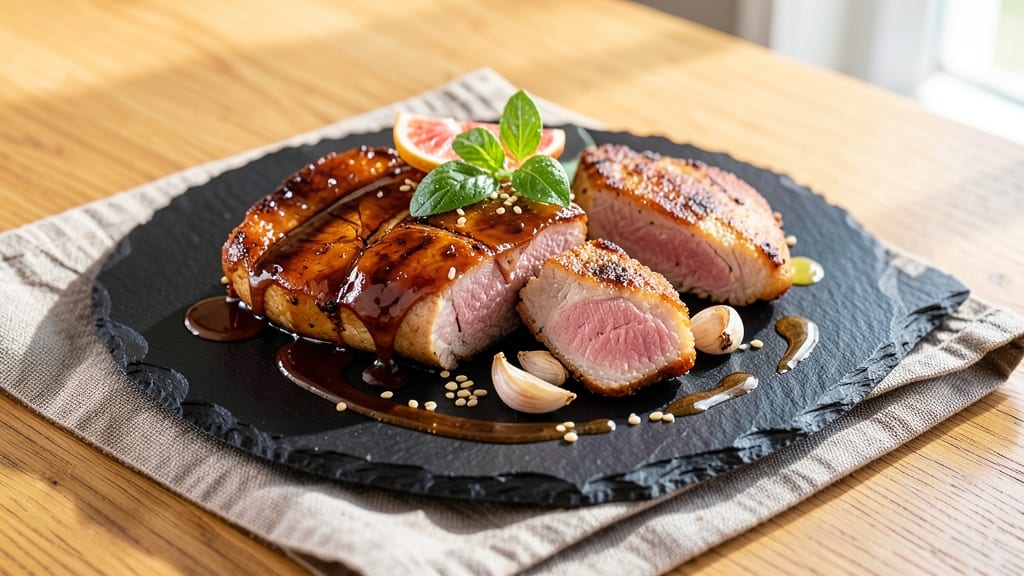
This Asian pork sauce recipe delivers a perfect balance of smoky depth and sweet richness that elevates any dish. The secret lies in fermented ingredients like soy sauce and hoisin, which develop complex umami flavors when simmered.
Unlike store-bought versions, this homemade glaze builds layers of caramelized sweetness while keeping a savory backbone that works for glazing, dipping, or stir-fries.
The process is straightforward but requires patience—reducing the sauce slowly allows flavors to meld without burning. Garlic and ginger provide aromatic warmth, while a touch of honey or brown sugar adds that signature caramelized finish.
What sets this apart is the fermented depth from aged soy and hoisin, which transforms simple ingredients into something restaurant-quality.
By the time you're done, you'll have a glossy, versatile sauce that clings beautifully to pork, chicken, or vegetables. It's perfect for brushing onto grilled meats, drizzling over noodles, or serving as a dipping sauce for spring rolls.
The best part? It keeps well in the fridge for up to two weeks, making it a pantry staple for quick weeknight meals.
Whether you're marinating, glazing, or using it as a stir-fry sauce, this recipe ensures bold, balanced flavor every time. Let's get started—your taste buds will thank you.
Ingredients for asian pork sauce
Nine ingredients transform into a restaurant-quality sauce with fermented depth and caramelized sweetness.
| Ingredient | Amount | Notes |
|---|---|---|
| Aged Soy Sauce 🥄 | ½ cup | Japanese or Korean preferred |
| Hoisin Sauce 🍜 | ¼ cup | Thick, fermented variety |
| Brown Sugar 🍯 | ½ cup | Light or dark preferred |
| Garlic Cloves 🧄 | 6 cloves | Minced, fresh preferred |
| Fresh Ginger 🌿 | 2 tbsp | Grated, peeled root |
| Sesame Oil 🫒 | 1 tbsp | Toasted, for aroma |
| Rice Vinegar 🍶 | 2 tbsp | White or seasoned |
| Honey 🍯 | 2 tbsp | Wildflower or clover |
| Smoked Paprika 🌶️ | 1 tsp | For smoky depth |
| Ground Black Pepper 🌶️ | ½ tsp | Freshly cracked |
The soy sauce and hoisin are the heart of this recipe—look for aged soy sauce at Asian markets or the international aisle of Whole Foods. The hoisin should be thick and glossy, not watery. Lee Kum Kee is a reliable brand, but any fermented variety works. Brown sugar adds caramelization, but if you prefer less sweetness, swap half for coconut sugar or maple syrup. Fresh ginger and garlic? Buy extra—you'll want them on hand for other dishes too. The ginger should smell bright and citrusy, never musty.
No hoisin? Substitute 1 tbsp soy sauce plus 1 tsp molasses for depth. Running low on sesame oil? Toasted peanut oil works in a pinch, though the flavor shifts slightly. The smoked paprika is key for that signature smokiness—substitute ½ tsp liquid smoke if needed, but fresh is always better. For extra richness, add 1 tbsp peanut butter to the finished sauce. The rice vinegar adds tang, but if you've got apple cider vinegar, use it instead. The honey can be swapped for agave nectar if you prefer a neutral sweetness.
This sauce gets better with time—let it reduce for 20+ minutes on low heat for maximum depth. Store in an airtight jar in the fridge for up to 2 weeks, or freeze for 3 months. The flavors meld beautifully overnight, so making extra is worth it. I like to keep a jar in the fridge for quick stir-fries—just reheat with a splash of water to loosen it up. The sauce thickens as it cools, so don't worry if it looks too glossy when done.
Why You'll Love This Recipe
- Pantry Magic: I swear by this sauce—no fresh herbs, no finicky prep. Just open the soy sauce, crack the ginger, and let the hoisin do the heavy lifting. The brown sugar melts right in while you’re chopping, so no extra cleanup.
- Umami Bomb: That aged soy and hoisin combo? It’s like a flavor explosion in your mouth. The garlic sizzles into crispy bits, while the ginger adds a warm, slow burn—every bite tastes like a little bite of a dim sum feast.
- Weeknight Hero: Make a double batch on Sunday, and you’ve got stir-fry, noodle toss, or rice bowl sauce covered for days. My kids grab it for quick lunches, and I sneak it into scrambled eggs when I’m lazy.
- Budget Powerhouse: Aged soy and hoisin stretch forever, so you’re not blowing cash on fancy sauces. A little goes a long way, and the sugar balances the salt—no weird aftertaste. Plus, it’s cheaper than takeout, but way better.
Step-by-step instructions for smoky-sweet Asian pork sauce
This sauce delivers deep umami, caramelized sweetness, and smoky complexity in just minutes.
Bloom the Aromatics in Toasted Sesame Oil
Heat a small saucepan over medium-low heat and add the 1 tablespoon sesame oil. Let it warm for 30 seconds until fragrant but not smoking—you should smell that nutty, toasted aroma. Here's the thing: sesame oil burns quickly, so keep the heat gentle.
Add the 6 minced garlic cloves and 2 tablespoons grated fresh ginger. Cook for 1-2 minutes until the garlic turns golden and loses its raw smell. You'll know it's ready when the mixture smells sweet and slightly spicy. Remove from heat immediately to prevent burning, then set aside—these aromatics form the flavor foundation.
Build the Sauce Base with Fermented Depth
Return the pan to medium heat and add the 0.5 cup aged soy sauce and 0.25 cup hoisin sauce. Bring to a gentle simmer and let it reduce by half—about 3-4 minutes. You'll see the sauce thicken noticeably as the alcohol cooks off, leaving behind concentrated umami flavor. This reduction step is crucial for developing complexity.
Stir in the 0.5 cup brown sugar and 2 tablespoons honey, then add the 1 teaspoon smoked paprika and 0.5 teaspoon ground black pepper. The mixture will bubble vigorously—reduce heat to low to prevent scorching. Let it cook for 2-3 minutes until the sugar dissolves completely and the sauce becomes syrupy. Taste and adjust seasoning if needed; you want a balance of sweet, salty, and smoky.
Finish with Bright Acid and Balance
Add the 2 tablespoons rice vinegar and the reserved garlic-ginger mixture. Stir well and let the sauce simmer for another 1-2 minutes until everything is fully incorporated. The vinegar brightens the flavors and cuts through the richness, creating that perfect balance we're after.
Taste again and make any final adjustments—perhaps a touch more soy sauce for saltiness or honey for sweetness. The sauce should coat the back of a spoon with a glossy sheen and have a thick, syrupy consistency. If it's too thick, add 1-2 teaspoons water to reach your desired pouring consistency. Remove from heat and let it cool slightly before using.
Strain and Store for Maximum Flavor
For a completely smooth sauce, strain it through a fine-mesh sieve into a clean bowl or jar, pressing gently on the solids to extract all the flavor. This step removes any lingering ginger or garlic pieces, giving you a silky texture perfect for glazing or dipping. The strained sauce will keep in the refrigerator for up to 2 weeks, with flavors deepening over time.
Use this versatile sauce immediately on grilled pork, as a dipping sauce for spring rolls, or even as a marinade. The smoky-sweet profile makes it perfect for glazing roasted vegetables or drizzling over noodle bowls. Real talk: the longer you let it sit, the more complex the flavors become—patience pays off here.
Pro Tips For Making Asian Pork Sauce
- COMBINE THE WETS FIRST: I used to toss the brown sugar in with the pork and garlic, thinking it’d caramelize nicely. Wrong. Instead, mix your aged soy sauce, hoisin, and brown sugar in a small bowl first—let that syrup thicken slightly while you prep the rest. The sauce will coat the pork evenly and won’t turn grainy when you add the raw meat.
- GRATE THE GINGER FINE: My first few batches had ginger chunks lurking in the sauce like unwelcome guests. Now I use the small holes of a box grater or a microplane—no peeling needed—and pulse it into the sauce while it simmers. This way, it dissolves completely, adding warmth without texture surprises.
- LOW AND SLOW FOR DEPTH: Cranking the heat to get the sauce reduced fast leads to burnt hoisin and a bitter edge. Keep it at a gentle simmer—small bubbles, occasional stir—until the sauce thickens to coat the back of a spoon. Patience here makes the difference between a glaze and a one-dimensional drizzle.
- SALT THE GARLIC: Toss your minced garlic in a pinch of flaky salt before adding it to the pan. I learned this from a wok chef who said it “softens the bite” and prevents the garlic from burning before the aromatics release. Works like magic—no more bitter, overcooked garlic flavor.
Make-ahead tips for this dish
Prep Ahead Sauce
Make this sauce 2 days in advance for maximum flavor development. The longer it sits, the more the fermented ingredients like soy sauce and hoisin deepen in complexity. I like to prep it on Sunday so it's ready for quick weeknight meals.
Store in an airtight glass jar in the fridge—glass preserves flavor better than plastic. 💫
Freezer-Friendly
Freeze in ice cube trays for single-use portions—just pop out what you need and reheat. The sauce thickens when frozen, so add 1 teaspoon water per cube when thawing.
For larger batches, use quart-sized freezer bags, leaving 1-inch headspace for expansion. Label with the date—it stays good for 3 months without losing quality.
Reheating Tips
For glazing or dipping, reheat gently in a small saucepan over low heat with 1 tablespoon water to loosen it up. Avoid microwaving—it can make the sauce grainy. If using as a stir-fry sauce, add it in the last 2 minutes of cooking to prevent burning.
The sauce thickens as it cools, so adjust consistency with water or a splash of rice vinegar if needed.
Double Batch Strategy
This sauce is so versatile, I always double the recipe. Use half immediately and freeze the rest. The extra makes perfect dipping sauce for spring rolls, marinade for grilled chicken, or glaze for roasted veggies.
Keep a small jar in your fridge for quick stir-fries—just reheat and drizzle. Honestly, you'll find yourself reaching for it constantly. ✨
Flavor Boost Overnight
Let the sauce sit uncovered in the fridge overnight—this helps evaporate excess moisture and intensify flavors. The next day, taste it and adjust seasoning if needed. I often add a pinch of smoked salt or a dash of chili flakes for extra depth.
The texture becomes silky and perfect for brushing onto meats or tossing with noodles.
Travel-Friendly Packing
Pack this sauce in a small glass jar with a tight lid for picnics or BBQs. It won’t spoil in a cooler for 24 hours, making it ideal for outdoor cooking.
For longer trips, freeze it in a thermos-style container—it’ll thaw safely during transport. Just give it a quick stir before using to restore its glossy consistency.
Nutrition facts
Frequently asked questions
Can I make this sauce without hoisin?
Yes! For a similar depth, mix 1 tablespoon soy sauce with 1 teaspoon molasses or ½ teaspoon dark soy sauce as a substitute. The sauce will still develop rich umami flavors, though the texture may be slightly thinner. If you're avoiding sugar, use 1 teaspoon coconut aminos instead of molasses for a lower-sugar option.
How do I adjust the sweetness level?
Start with the full ½ cup brown sugar and 2 tablespoons honey, then taste as you go. For less sweetness, reduce the sugar to ¼ cup and the honey to 1 tablespoon. If you prefer a caramelized depth without added sweetness, swap the honey for 2 tablespoons maple syrup> or 1 tablespoon date syrup. The sauce will still taste rich and complex.
Can I use this sauce on non-pork dishes?
This versatile sauce works beautifully on chicken, shrimp, tofu, or even vegetables. The smoky-sweet profile complements grilled or roasted meats, while the umami depth makes it perfect for stir-fries or noodle bowls. For vegetarian dishes, add a splash of vegetable broth> when reheating to enhance the savory notes.
Why did my sauce turn bitter?
Overcooking or using low-quality ingredients often causes bitterness. Keep heat at medium-low during reduction and avoid boiling. For extra insurance, use aged soy sauce (not regular) and ensure your hoisin is fermented—not watery. If bitterness appears, balance it with a splash of rice vinegar or a pinch of baking soda> (just a tiny amount!), then taste again.
How can I make this sauce spicier?
Add ½ teaspoon chili flakes or 1 teaspoon gochujang (Korean chili paste) while simmering for heat with depth. For a smoky kick, increase the smoked paprika to 1½ teaspoons. If you prefer fresh heat, stir in 1 minced chili pepper> (like Thai bird's eye) at the end. Always taste before serving—adjust gradually to avoid overpowering the sauce.