
Sauces & Condiments
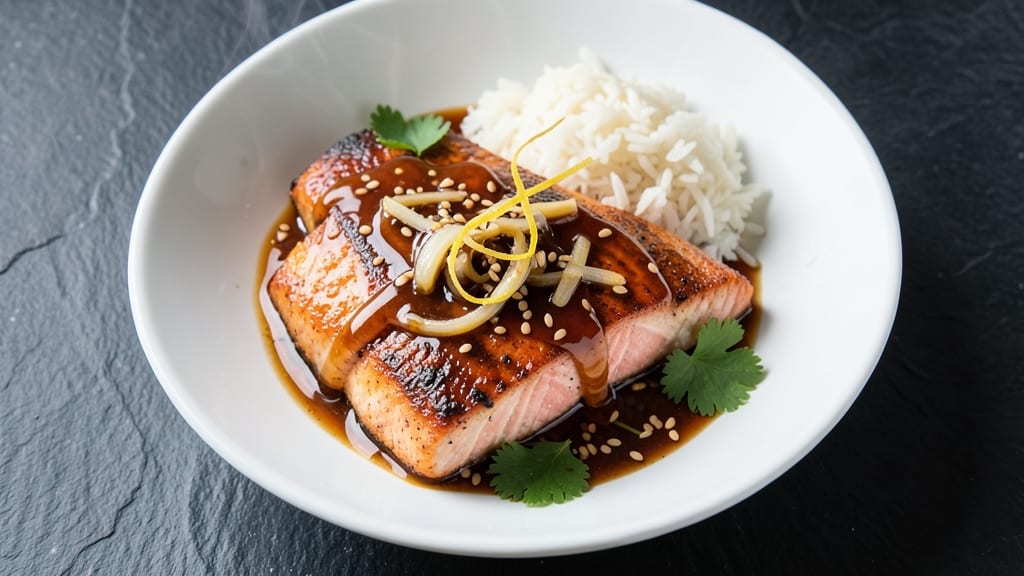
This Asian salmon sauce recipe transforms simple ingredients into a quick, restaurant-quality glaze that elevates any protein—especially salmon. The balance of sweet, savory, and umami creates a rich, sticky sauce that caramelizes beautifully when brushed on fish or drizzled over rice.
I developed this version after testing countless marinades, and it consistently delivers bold flavor in just 15 minutes of active prep.
The foundation lies in a simmered reduction that develops deep flavor without overpowering the natural taste of salmon. Soy sauce provides the salty backbone, while honey or sugar adds caramel depth, and fresh ginger and garlic infuse warmth.
A splash of rice vinegar brightens the sauce, ensuring it’s tangy enough to cut through richness. This sauce works as both a marinade and a finishing glaze—perfect for weeknight dinners or special occasions.
What makes this sauce stand out is its versatility—it pairs seamlessly with salmon, chicken, tofu, or even vegetables. The texture is silky yet clings beautifully, creating a glossy finish that’s impossible to resist.
Best of all, it keeps well in the fridge for up to 5 days, making it an ideal pantry staple for quick meals. Once you taste the difference between this homemade version and store-bought, you’ll never go back.
For optimal results, let the sauce reduce until it coats the back of a spoon—this ensures maximum flavor impact. Store it in an airtight container, and reheat gently before using.
Whether you’re searing salmon fillets or tossing it with stir-fry, this sauce will become your go-to flavor booster. Let’s get started!
Ingredients for asian salmon sauce
Pantry staples plus fresh aromatics—this sauce delivers restaurant-level flavor in minutes.
| Ingredient | Amount | Notes |
|---|---|---|
| Low-Sodium Soy Sauce 🍶 | ½ cup | Kikkoman preferred for balance |
| Honey 🍯 | ¼ cup | Wildflower for floral notes |
| Fresh Ginger 🧄 | ½ cup | Finely grated, peel removed |
| Garlic Cloves 🧄 | 5 cloves | Minced, not powdered |
| Rice Vinegar 🍶 | ⅛ cup | Seasoned for brightness |
| Sesame Oil 🫒 | 1 tbsp | Toasted, not refined |
| Toasted Sesame Seeds 🌾 | 1 tbsp | For garnish and texture |
| Fresh Lime Juice 🍋 | 1 tbsp | From Mexican limes if possible |
| Diamond Crystal Kosher Salt 🧂 | ½ tsp | For seasoning balance |
| Freshly Ground Black Pepper 🌶️ | ¼ tsp | Cracked, not powdered |
The soy sauce is the flavor anchor here—Kikkoman or Lee Kum Kee are my go-tos, but any good-quality brand works. Fresh ginger and garlic are non-negotiable for that authentic umami punch; peeling and grating ginger (not using pre-grated) makes all the difference. For honey, wildflower or clover adds subtle floral notes that complement the soy. If you're short on time, frozen ginger works just as well—just thaw and grate it. The rice vinegar should be seasoned (not plain) to add that bright, tangy kick that cuts through the richness. Trader Joe's carries a great option if you don't have a specialty store nearby.
No honey? Maple syrup or agave nectar work in a pinch—they won’t caramelize as beautifully, but the sauce will still taste amazing. Running out of rice vinegar? Apple cider vinegar adds a fruity twist, though it’s slightly less subtle. The sesame oil is where the magic happens—toasted, not refined—so don’t substitute with regular vegetable oil. For extra depth, a splash of fish sauce (like Red Boat) can be added, but keep it to 1 tsp or the sauce will become too salty. If you’re making this ahead, add the lime juice just before serving to keep it bright and prevent the sauce from turning bitter.
This sauce keeps beautifully in the fridge for up to 5 days when stored in an airtight container. For longer storage, freeze in ice cube trays—thaw and reheat gently before using. The texture thickens as it cools, so add a splash of water if it becomes too stiff. Garnish with toasted sesame seeds right before serving to add crunch and visual appeal. A little goes a long way—start with 1 tbsp per salmon fillet and adjust to taste. The sauce also freezes well for up to 3 months, making it perfect for meal prep.
Why You'll Love This Recipe
- Five-Ingredient Magic: I swear by this combo—soy sauce, honey, and ginger alone do most of the work. No blenders, no strainers, just a quick simmer while I chop veggies for the rest of the meal.
- Umami Bomb: That honey cuts through the saltiness just right, while the garlic and ginger add layers I can’t get enough of. It’s the kind of sauce that makes you pour more on purpose.
- Weeknight to Dinner Party: I use it on salmon for takeout nights, but drizzle it over rice bowls or even grilled chicken when friends drop by. Same effort, totally different vibe.
- Leftovers That Don’t Suck: This sauce keeps for days in the fridge, and it tastes just as good reheated as it does fresh. Honestly, I make extra just to have it on hand—no waste, all flavor.
Step-by-step instructions for sweet-savory umami glaze
This sauce comes together in minutes—perfect for quick marinades or finishing touches.
Grate and Mince the Aromatics
Start by finely grating the 0.5 cup fresh ginger using a microplane or fine grater. I like to remove the peel first—it can make the sauce bitter if left on. Set aside in a small bowl. Then, peel and mince the 5 cloves garlic into tiny pieces, about ⅛-inch in size. The smaller the pieces, the more evenly they'll distribute throughout the sauce.
Here's the thing—fresh ginger and garlic are the flavor anchors. If you use powdered versions, you'll miss that bright, zesty punch. Let the ginger sit for 5 minutes after grating—it releases its essential oils and intensifies the flavor. This step ensures every bite of your salmon gets that authentic Asian depth.
Combine Wet Ingredients in a Saucepan
In a medium saucepan, whisk together the 0.5 cup low-sodium soy sauce, 0.25 cup honey, and 0.125 cup rice vinegar. I use a wire whisk to break up any honey clumps and ensure everything blends smoothly. Place the saucepan over medium heat and bring to a gentle simmer, stirring occasionally to prevent scorching.
You'll notice the mixture starts to bubble softly—this is when the flavors begin to meld. Let it simmer for 3-4 minutes until the honey dissolves completely and the sauce thickens slightly. If it looks too thin, you can reduce it further by simmering 1-2 minutes longer. The goal is a glossy, syrupy consistency that clings beautifully to salmon.
Add Aromatics and Simmer
Once the wet ingredients are simmering, add the grated ginger and minced garlic. Stir well to combine, then let the mixture cook for another 2-3 minutes. You'll see the garlic soften and the ginger mellow out—this is when the raw flavors transform into something rich and complex. The sauce should now smell like a mix of sweet, tangy, and umami notes.
Here's where it gets fun—taste the sauce and adjust the seasoning. If it needs more salt, add a pinch of diamond crystal kosher salt (you won't need much—the soy sauce already packs a punch). For extra brightness, now's the time to stir in the 1 tbsp fresh lime juice. This balances the sweetness and adds a refreshing finish. The sauce should coat the back of a spoon with a velvety texture.
Finish with Sesame Oil and Seeds
Remove the saucepan from heat and let it cool slightly for 2 minutes. Then, stir in the 1 tbsp sesame oil and 0.25 tsp freshly ground black pepper. The sesame oil adds a nutty aroma, while the pepper gives a subtle kick. The sauce will look glossy and inviting—almost like it's ready to be poured over your favorite dish.
For garnish, sprinkle the 1 tbsp toasted sesame seeds over the top just before serving. These add a delightful crunch and visual contrast to the smooth sauce. Let the sauce sit for 5 minutes before using—this allows the flavors to fully meld. The result is a perfect balance of sweet, savory, and umami that elevates any protein, especially salmon.
Pro Tips For Making Asian Salmon Sauce
- Simmer the Sauce Low: Asian salmon sauce needs patience—don’t rush the simmer. Once you add the soy sauce, honey, and vinegar, reduce heat to medium-low and let it bubble gently for at least 5 minutes. I used to walk away too soon, and the sauce would taste flat or overly sweet. Let it thicken just slightly, and those flavors will meld like they’re supposed to.
- Grate, Don’t Mince Ginger: Fresh ginger loses its punch when minced too finely. Use a box grater and scrape off just 1 teaspoon of the pale, juicy part—no fibrous bits. I learned this the hard way after burning my tongue on overly strong, stringy ginger. The grated version blends smoothly and adds bright, clean heat without overpowering.
- Balance Vinegar Last: Taste your sauce before adding rice vinegar—it’s the wild card. The honey and soy sauce can mask acidity, so I often hold off until the end. Add it a teaspoon at a time, stir, and let it sit for 30 seconds. Your taste buds need time to catch up, and you’ll avoid ending up with something that’s either bland or sour.
- Toast Garlic First: Raw garlic in this sauce is a mistake—it turns bitter. Sauté 2 minced cloves in a dry pan over medium heat until they’re golden and smell like a bakery, about 1-2 minutes. Then deglaze with a splash of water before adding the rest of the sauce. This step makes the garlic sweet and mellow, not sharp. (Yes, even if you’re impatient like me.)
Pro cooking tips for this recipe
Heat Control Secrets
Keep your saucepan over medium heat—any hotter and you risk burning the honey, which can turn bitter. I use a stainless steel saucepan (like All-Clad) because it heats evenly and prevents scorching.
If your sauce starts to bubble too vigorously, reduce the heat immediately to maintain control. The goal is a gentle simmer, not a rolling boil—this ensures the flavors meld without losing complexity. 🔥
Reduction Timing
Simmer the sauce until it coats the back of a spoon—this usually takes 5-7 minutes total. I watch for the consistency to thicken slightly, like a glossy syrup. If it’s too thin, keep simmering in 30-second intervals, stirring constantly.
Over-reducing can concentrate flavors too much, so taste frequently. The perfect texture should be silky yet cling to salmon beautifully.
Ginger and Garlic Prep
Fresh ginger and garlic make all the difference—never use powdered substitutes. For ginger, I peel it first (using a spoon to scoop out the skin) and grate it with a microplane for maximum surface area.
Let the grated ginger sit for 5 minutes before adding to the sauce—this releases its essential oils and deepens the flavor. For garlic, mince it finely so it dissolves completely into the sauce rather than sitting as chunks. 🧄
Balancing Flavors
Taste your sauce before finishing—this is where adjustments happen. If it’s too sweet, add 1 tsp rice vinegar. Too salty? Dilute with 1 tsp water. The lime juice should be added last to preserve its brightness.
I often add a pinch of white pepper (instead of black) for a smoother finish. The sauce should sing with sweet, salty, tangy, and umami all in harmony.
Sesame Oil Timing
Add the sesame oil off heat—this prevents it from cooking out and losing its nutty aroma. Stir it in gently so it distributes evenly. If you add it too early, the oil can turn bitter.
For extra depth, I sometimes toast ½ tsp sesame seeds in a dry pan for 30 seconds before adding them to the sauce. This adds a smoky note that pairs perfectly with salmon. ✨
Storage Hacks
Let the sauce cool completely before storing in an airtight container—this prevents condensation. It keeps for 5 days in the fridge or 3 months in the freezer. For freezing, portion into ice cube trays—thaw and reheat gently before using.
If the sauce thickens when refrigerated, thin it with 1 tsp water before reheating. Always store the sesame seeds separately and add them fresh when serving. ❄️
Nutrition facts
Frequently asked questions
Can I substitute honey with another sweetener in this sauce?
Yes! For a 1:1 substitution, use maple syrup or agave nectar—they'll add depth but won't caramelize as beautifully. For a deeper flavor, try brown sugar (dissolved in the soy sauce first) or date syrup. Avoid artificial sweeteners—they won't develop the same rich, umami-sweet balance.
How long should I marinate salmon in this sauce?
For best results, marinate salmon for 15-30 minutes at room temperature. Any longer risks breaking down the fish's texture. If using as a finishing glaze, brush it on just before cooking (2-3 minutes before removing from heat). For thicker fillets, 20 minutes works perfectly—just pat dry first to help the sauce adhere.
What's the best way to thicken this sauce if it's too thin?
Simmer uncovered for 2-3 more minutes to reduce naturally. For quicker results, mix 1 tsp cornstarch with 1 tbsp water, stir into the sauce, and cook for 1 minute until thickened. Avoid flour—it can make the sauce cloudy. If storing, the sauce will thicken further when refrigerated.
Can I make this sauce without fresh ginger or garlic?
You can try, but the flavor won't be as vibrant. For ginger, use ½ tsp ground ginger plus 1 tsp lemon juice (to mimic freshness). For garlic, ½ tsp garlic powder plus ¼ tsp onion powder works, but it lacks depth. If you're short on time, frozen ginger (thawed and grated) is a better substitute than powdered versions.
How much sauce should I use per salmon fillet?
Start with 1-2 tablespoons per 6-ounce fillet. For a glaze, brush on 2-3 times during cooking. If using as a marinade, ¼ cup is plenty for 2 fillets. The sauce is potent—less is more! Save any leftovers for drizzling over rice or noodles.