
Sauces & Condiments
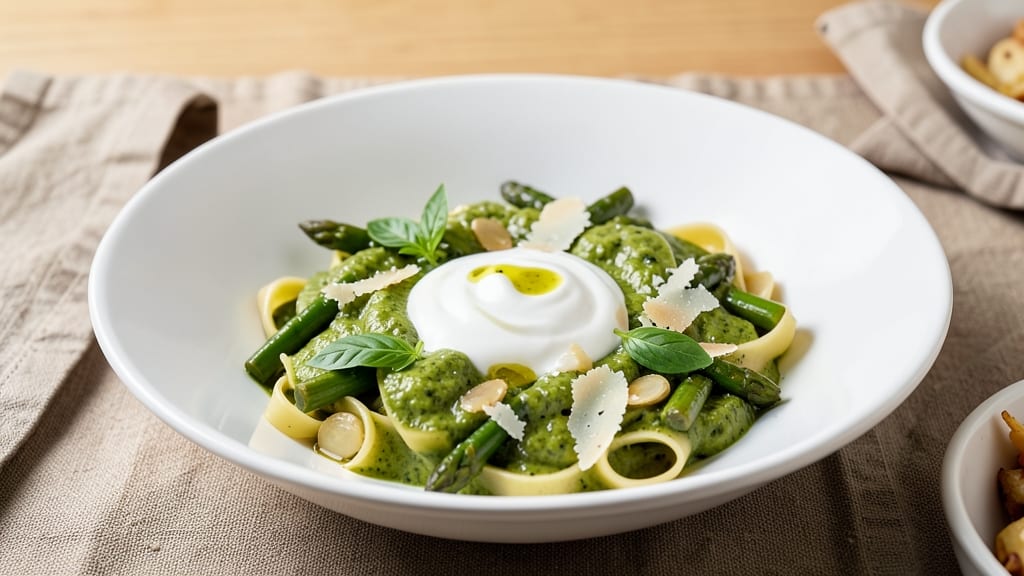
This asparagus pasta sauce recipe transforms spring’s brightest vegetable into a vibrant, herb-packed sauce with perfectly crispy blanched asparagus that adds texture and freshness. The secret lies in balancing creamy basil pesto with tender asparagus spears, creating a sauce that’s rich yet light enough to let the asparagus shine.
What makes this dish special is how it elevates simple pasta into something restaurant-worthy—no fancy techniques required, just fresh ingredients and a few key steps.
The process starts with blanching asparagus to achieve that coveted crispy texture, then blending it with garlic, basil, and a touch of parmesan for depth. While the sauce simmers, the pasta cooks al dente, ready to absorb the bright green flavors.
The result is a dish that’s as visually stunning as it is delicious—each forkful delivers a perfect balance of creamy, herby sauce and crispy asparagus.
This recipe works beautifully as a vegetarian main or as a side for grilled proteins like shrimp or chicken. The bright green color and fresh aroma make it ideal for spring or summer meals, but the creamy sauce keeps it comforting year-round.
Whether you’re serving it for a weeknight dinner or a special occasion, this asparagus pasta sauce is sure to impress.
For added richness, stir in a splash of heavy cream or a sprinkle of toasted pine nuts. The sauce pairs well with any pasta shape—penne, farfalle, or even gluten-free noodles—and can be made ahead for easy assembly. Let’s get cooking!
Ingredients for asparagus pasta sauce
Bright green asparagus meets creamy basil pesto in this vibrant, restaurant-quality sauce perfect for spring pasta dishes.
| Ingredient | Amount | Notes |
|---|---|---|
| Fresh Asparagus Spears 🥬 | 1 lb | Trim woody ends, blanched for crispy texture |
| Fresh Basil Leaves 🌿 | 2 cups | Packed, stems removed for vibrant flavor |
| Extra-Virgin Olive Oil 🫒 | ½ cup | High-quality, fruity for richness |
| Garlic Cloves 🧄 | 4 cloves | Peeled, rough chopped for aromatic depth |
| Parmesan Cheese 🧀 | ¾ cup | Freshly grated from block for authentic taste |
| Heavy Cream 🥛 | ½ cup | Full-fat for creamy texture |
| Penne Pasta 🍝 | 12 oz | Or gluten-free noodles of choice |
| Lemon Juice 🍋 | 1 tbsp | Freshly squeezed for brightness |
| Salt 🧂 | 1 tsp | Diamond Crystal preferred for purity |
| Freshly Ground Black Pepper 🌶️ | ½ tsp | For subtle heat and aroma |
| Pine Nuts (optional) 🥜 | ¼ cup | Toasted for added crunch |
| Vegetable Broth 💧 | 1 cup | Low-sodium for balanced flavor |
| Red Pepper Flakes (optional) 🌶️ | ¼ tsp | For subtle heat adjustment |
| Toasted Breadcrumbs (optional) 🍞 | 2 tbsp | For garnish and texture |
The asparagus is the star here—select thick, firm spears with vibrant green tips for the best texture. Whole Foods or local farmers markets carry the freshest cuts, but any grocery store's pre-trimmed asparagus works in a pinch. For the basil, avoid the sad plastic containers at the grocery store—opt for fresh bunches with bright green leaves and no yellowing. The Parmesan should be real Parmigiano-Reggiano, freshly grated from a block, not the pre-grated kind that turns into sawdust. Pine nuts can be pricey, but Costco often has them at a reasonable bulk price—just toast them lightly in a dry pan before adding to the sauce for maximum flavor.
No fresh basil? Dried oregano at half the amount works in a bind, though it won't give you that same vibrant green color. Short on asparagus? Substitute blanched green beans or sugar snap peas for a similar texture. The heavy cream can be swapped for Greek yogurt or coconut cream for a lighter option, though the sauce will be slightly less rich. For extra depth, add a splash of white wine when sautéing the garlic. And if you're feeling adventurous, swap the penne for gluten-free pasta—just check the package for al dente cooking times, as they vary by brand. The vegetable broth can be made from scratch or use a low-sodium store-bought version to avoid over-salting the sauce.
This sauce reheats beautifully—just warm it gently on the stove with a splash of water or broth to restore creaminess. Store leftovers in an airtight container in the fridge for up to 4 days, though the asparagus texture may soften slightly. For longer storage, freeze the sauce (without pasta) for up to 3 months. I like to portion it into ice cube trays before freezing, then transfer the cubes to a bag—perfect for quick additions to future meals. The pasta should be cooked al dente and tossed with the sauce immediately to prevent sticking, or stored separately and combined just before serving for the best texture.
Why You'll Love This Recipe
- No Chopping Nightmare: I swear, the asparagus only needs trimming—no dicing, no julienne stress. Toss those spears in whole (or snapped into 2-inch pieces) and let the garlic and olive oil work their magic while you stir. Between us, I’ve burned pasta before trying to multitask—this keeps things simple.
- Umami Bomb: That crisp-tender asparagus paired with fresh basil and a hit of garlic? It’s the kind of sauce where every bite tastes like spring. The Parmesan ties it all together with a salty, nutty finish—no heavy cream, no weird aftertaste, just pure flavor that lingers.
- Weeknight to Date Night: Same sauce, endless uses. Toss it over al dente pasta for dinner, or let it cool and pack it for lunches. Honestly, I’ve even used it to dress grilled chicken or a simple salad when I’m short on time. The basil keeps it bright, so it never feels tired.
- Budget-Friendly Luxury: Fresh asparagus is seasonal, but a single bunch stretches far when you blanch and shock the spears ahead. The sauce comes together with pantry staples, and leftovers reheat like a dream—no soggy pasta here. I’ll be real: it’s the fanciest-feeling meal I make for under $10.
Step-by-step instructions for asparagus pasta sauce
Transform fresh asparagus into a vibrant, herb-infused sauce with crisp-tender spears and creamy depth.
Blanch and Prep the Asparagus
Fill a medium pot with 2 quarts water and bring to a rolling boil. Trim the tough woody ends from the 1 lb fresh asparagus spears (about ½ inch from the base) and cut the remaining spears into 1-inch pieces. Add them to the boiling water and blanch for exactly 2 minutes—they should remain bright green and crisp-tender when done.
Immediately drain the asparagus in a colander and plunge it into an ice bath to halt cooking. This preserves their vibrant color and crisp texture. Once cooled, pat them dry thoroughly with paper towels. The asparagus will be your sauce's signature element, so don't skip this step—proper blanching ensures they stay crisp rather than turning mushy.
Create the Herb Pesto Base
In a food processor, combine the 2 cups fresh basil leaves (stems removed), 4 cloves garlic cloves (roughly chopped), and ½ cup extra-virgin olive oil. Pulse until the mixture becomes a coarse paste, about 20-30 seconds. Avoid over-processing—you want visible texture, not a smooth puree.
Transfer the pesto to a mixing bowl and stir in the ¾ cup freshly grated Parmesan cheese and ½ tsp freshly ground black pepper. Taste and adjust seasoning with 1 tsp salt if needed. Set aside while you prepare the pasta. The pesto should be vibrant green with a fresh, herby aroma—this is the foundation of your sauce, so take a moment to appreciate its bright flavor before moving forward.
Cook the Pasta Al Dente
Bring a large pot of water to a boil and add 12 oz penne pasta. Cook according to package instructions until 1 minute shy of al dente—you want the pasta to finish cooking in the sauce. Reserve ½ cup pasta water before draining, as it contains starch that will help emulsify the sauce. Drain the pasta and set it aside in the pot.
This is where the sauce begins to come together. The pasta should be slightly undercooked so it absorbs the sauce perfectly without becoming mushy. The reserved pasta water is your secret weapon—it ensures the sauce clings to every strand of pasta without needing excessive cream.
Build the Creamy Asparagus Sauce
Return the drained pasta to the pot and add the pesto mixture, ½ cup heavy cream, and 1 cup vegetable broth. Stir well to combine, then add the blanched asparagus pieces. Simmer over medium-low heat for 3-4 minutes, stirring occasionally, until the asparagus is heated through and the sauce has thickened slightly.
If the sauce is too thick, add 1-2 tablespoons of reserved pasta water to loosen it. The sauce should coat the back of a spoon but still be light enough to cling to the pasta. Taste and adjust seasoning with additional salt, black pepper, or a splash of lemon juice if needed. The asparagus should remain crisp-tender, not softened—this is the hallmark of a perfectly balanced sauce.
Finish and Garnish
Remove the sauce from heat and stir in the 1 tbsp lemon juice to brighten the flavors. If using, toast the ¼ cup pine nuts in a dry skillet over medium heat for 2-3 minutes until golden and fragrant, then sprinkle them over the pasta. For extra texture, add the 2 tbsp toasted breadcrumbs and a pinch of red pepper flakes if desired.
Serve immediately, garnished with additional fresh basil leaves and grated Parmesan cheese. The contrast of crisp asparagus, creamy sauce, and herby pesto creates a dish that's as visually stunning as it is delicious. Each bite should deliver a balance of textures—crisp, creamy, and tender—with bright, fresh flavors that make this sauce unforgettable.
Pro Tips For Making Asparagus Pasta Sauce
- CHAR THE ASPARAGUS FIRST: Blister the asparagus in a dry pan over high heat for 2-3 minutes before adding anything else. This concentrates their natural sweetness and prevents them from turning mushy when they later hit the sauce—trust me, it’s the difference between "nice" and "wow."
- TRIM THOSE ENDS UNEVENLY: Cut the asparagus spears at a sharp angle about 1 inch from the tough base, not straight across. The uneven ends catch better in the sauce and look way more intentional (plus, they won’t slip out of your fork later).
- SALT THE PASTA WATER LATE: Add salt to the pasta water after it boils, but only when the water is back at a rolling boil. I used to salt early and wondered why my pasta tasted bland—turns out, the salt needs time to fully dissolve and penetrate the water.
- TOSS IN COLD BASIL: Add the basil leaves to the finished sauce while it’s still hot, but let them sit for 30 seconds before serving. This keeps them vibrant and prevents them from wilting into a sad, limp pile—your guests will notice the difference.
Pro cooking tips for perfect results
Blanching Perfection
The key to crisp-tender asparagus lies in precise blanching—never overcook! Use a rolling boil and time exactly 2 minutes for 1-inch pieces. I swear by the ice bath trick: plunge blanched asparagus into ice water immediately to stop cooking and lock in that vibrant green color.
Pat them thoroughly dry with paper towels before adding to the sauce—any moisture will make your sauce watery. 🥬
Pesto Texture Secrets
For the best pesto, pulse your basil, garlic, and olive oil in short bursts—20-30 seconds max—until just combined. Over-processing turns pesto into a paste, losing its beautiful texture. I like to stir in the Parmesan by hand to keep those bright green flecks visible.
Taste before adding salt—fresh basil can vary in saltiness, so adjust carefully. Pro tip: Use a microplane for Parmesan to get finer, more flavorful shreds than a box grater. 🌿
Pasta Water Magic
Never, ever throw away that pasta water! Reserve ½ cup before draining—it's starch-rich and acts as a natural emulsifier for your sauce. When combining everything, add the pasta water 1 tablespoon at a time if needed to loosen the sauce.
This keeps your dish creamy without relying on extra heavy cream. I've ruined many sauces by skipping this step—don't make my mistake! 🍝
Sauce Thickness Control
Your sauce should coat the back of a spoon but still be light enough to cling to pasta. If it's too thick after simmering, add reserved pasta water 1 tablespoon at a time. Too thin? Simmer uncovered for 1-2 extra minutes to reduce.
The asparagus should remain crisp—if it's softening, your sauce is too hot. I like to finish with a splash of lemon juice (about 1 tbsp) to brighten all the flavors and cut through any richness. 💫
Garnish Like a Pro
Toast your pine nuts in a dry skillet over medium heat for just 2-3 minutes—they burn fast! Sprinkle them over the pasta right before serving for maximum crunch. For extra flair, add toasted breadcrumbs and a pinch of red pepper flakes.
Fresh basil leaves and extra Parmesan elevate the dish visually and add freshness. I always serve this with a drizzle of high-quality olive oil—it adds another layer of richness without overpowering. 🍋
Make-Ahead Pro Tips
Make the pesto base up to 2 days ahead and store it in an airtight container in the fridge. The sauce can be prepped (without pasta) and reheated gently on the stove with a splash of water or broth.
For the asparagus, blanch and store them separately—reheat in a dry skillet for 1-2 minutes before adding to the sauce to maintain crispness. I like to assemble everything just before serving to keep the asparagus perfect. ⏰
Nutrition facts
Frequently asked questions
Can I use frozen asparagus instead of fresh?
Fresh asparagus gives the best texture and flavor, but frozen works in a pinch! Thaw the asparagus first, then pat it completely dry before blanching. The key is to dry it thoroughly—any excess moisture will make your sauce watery. For best results, choose high-quality frozen asparagus with no ice crystals.
What if I don't have fresh basil?
No problem! Use 1 tbsp dried oregano or ½ tsp dried basil as a substitute. For extra flavor, add 1 tsp lemon zest or a pinch of red pepper flakes. The sauce will still be delicious, though the vibrant green color will be more muted. If you have other fresh herbs like parsley or cilantro, try mixing them in for variety.
How do I prevent the asparagus from turning mushy?
Blanching time is critical—stick to exactly 2 minutes for 1-inch pieces in boiling water. Immediately transfer to ice water to stop cooking, then dry thoroughly with paper towels. Add the asparagus to the sauce just before serving if possible, or reheat it gently in a dry skillet for 1-2 minutes to maintain crispness.
Can I make this sauce without dairy?
Replace the heavy cream with ½ cup coconut cream or Greek yogurt for a lighter option. Use nutritional yeast instead of Parmesan for a cheesy flavor without dairy. The sauce will still be creamy and delicious—just adjust the seasoning to taste. For extra richness, add 1 tbsp olive oil to the sauce.
What's the best pasta shape for this recipe?
Penne works perfectly, but any short pasta like farfalle, fusilli, or penne rigate will hold the sauce well. For long pasta like spaghetti, toss it with the sauce immediately after cooking to prevent sticking. Gluten-free noodles work too—just check the package for al dente cooking times, as they vary by brand.