
Sauces & Condiments
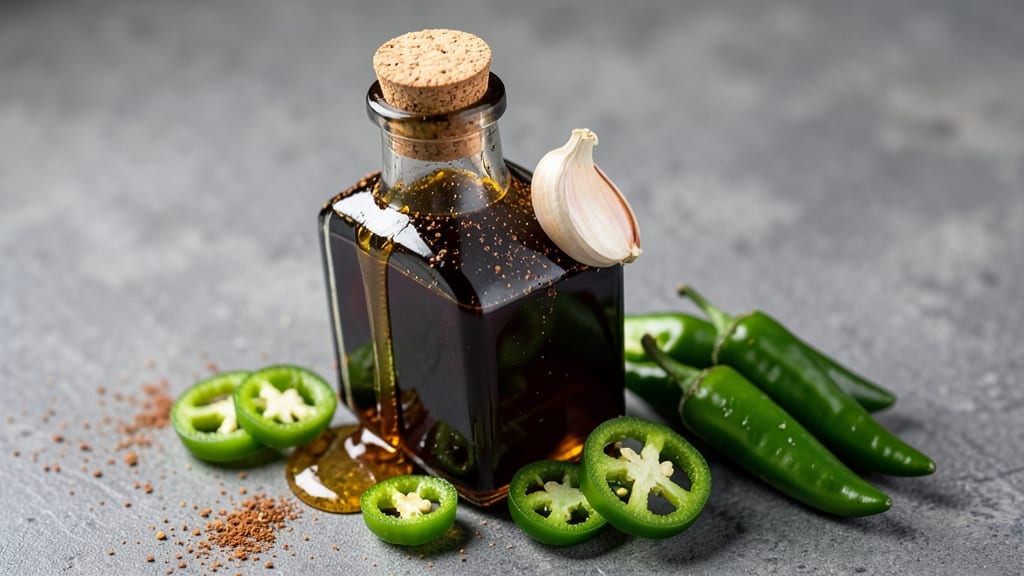
This atomic hot sauce recipe delivers a perfect balance of fiery heat, smoky depth, and satisfying crunch that transforms any dish into an unforgettable experience. The secret lies in fermenting fresh peppers with a blend of vinegar, garlic, and spices, creating layers of flavor that build gradually with each drop.
What sets this sauce apart is the careful fermentation process, which enhances the natural sweetness of the peppers while preserving their intense heat.
Unlike store-bought hot sauces that rely on artificial additives, this recipe uses only real ingredients—fresh peppers, apple cider vinegar, and a touch of honey to balance the heat.
The fermentation step (about 2 weeks) develops complex flavors that you won’t find in commercial versions, while the final blend of smoked paprika and toasted spices adds a rich, smoky dimension. Adjust the heat level by controlling pepper selection and fermentation time.
Once complete, you’ll have a vibrant, thick hot sauce with a bold kick that’s perfect for drizzling over tacos, wings, or even seafood. The texture is smooth yet slightly textured, with tiny pepper flecks that add visual appeal and extra heat.
Store it in the refrigerator for up to 6 months, where the flavors will continue to deepen over time.
This sauce is a game-changer for anyone who loves heat but craves depth—it’s not just spicy, it’s memorable. The fermentation process may take patience, but the results are worth every minute. Let’s get started on creating your own batch of fiery, flavorful hot sauce.
Ingredients for atomic hot sauce
Nine ingredients transform into bold, complex hot sauce through fermentation and smoky spices.
| Ingredient | Amount | Notes |
|---|---|---|
| Fresh Jalapeño Peppers 🌶️ | 1 ½ lb | Seeds removed for milder heat |
| Fresh Serrano Peppers 🌶️ | 1 lb | For extra heat intensity |
| Apple Cider Vinegar 🍎 | 1 ½ cups | Raw, unfiltered preferred |
| Raw Honey 🍯 | ¼ cup | Local preferred for flavor |
| Garlic Cloves 🧄 | 6 whole | Peeled and smashed |
| Smoked Paprika 🌶️ | 2 tbsp | High-quality for smoky depth |
| Ground Cumin 🌿 | 1 tbsp | Toasted for enhanced flavor |
| Sea Salt 🧂 | 1 ½ tsp | Diamond Crystal preferred |
| Black Peppercorns 🌶️ | 1 tsp | Freshly cracked |
| Cayenne Pepper 🔥 | ½ tsp | Adjust for desired heat |
The peppers are the heart of this sauce—fresh jalapeños and serranos from a local farmers market deliver the best flavor and heat. Look for vibrant, firm peppers with no soft spots. Penzeys or Whole Foods bulk sections are great sources for quality spices like smoked paprika and cumin. The vinegar should be raw and unfiltered—Bragg or Organic Vinegar Company are excellent choices. Honey adds sweetness to balance the heat, so local raw honey with floral notes works best. Garlic should be fresh, with no green shoots or soft spots.
No serrano peppers? Substitute habaneros for even more heat, but reduce to 0.5 lb to match intensity. Short on jalapeños? Use 1 lb of Fresno peppers—they have a similar heat level. The smoked paprika is non-negotiable for that deep, smoky flavor—Think Global or Simply Organic brands are reliable. For extra crunch, add 1/4 cup toasted pumpkin seeds during the final blending. If you prefer a smoother texture, strain the sauce through a fine-mesh sieve after fermentation. The fermentation process can be accelerated by adding 1 tsp of salt to the vinegar mixture if you're short on time.
Store the fermented pepper mixture in a clean, sterilized glass jar with a tight-sealing lid. Keep it in the refrigerator for 2-3 weeks to develop optimal flavor. Once blended with spices, the sauce will keep for up to 6 months in the fridge, with flavors deepening over time. For best results, use within 3 months. If you notice any mold or off smells during fermentation, discard the batch immediately. The sauce thickens naturally over time, so stir well before each use to redistribute any settled pepper flecks.
Why You'll Love This Recipe
- Here’s what sold me: that perfect push-pull of fire and sweetness. The raw honey softens the serrano’s bite while the jalapeños add depth, and the garlic? Oh, it’s the unsung hero—lingering just enough to make every drop irresistible. (Yes, even on a Tuesday night.)
- Five-Ingredient Magic: I swear, this is the kind of recipe where you almost feel guilty for how little effort it takes. Chop two peppers, crush a couple cloves of garlic, and stir—no fancy tools, no waiting for hours. The honey and vinegar do all the heavy lifting while you’re still debating what to eat for dinner.
- Sweet Heat Balance: Here’s what sold me: that perfect push-pull of fire and sweetness. The raw honey softens the serrano’s bite while the jalapeños add depth, and the garlic? Oh, it’s the unsung hero—lingering just enough to make every drop irresistible. (Yes, even on a Tuesday night.)
- Game-Changer for Everything: Between us, this sauce turns bland into ridiculously good in seconds. Drizzle it on eggs, toss it into marinades, or let your kids (carefully) use it on fries. I’ve even mixed it into mayo for sandwiches—trust me, you’ll want to try that too.
Step-by-step instructions for atomic hot sauce
This method delivers a perfectly balanced hot sauce with vibrant heat, smoky depth, and natural sweetness.
Prepare the Peppers for Maximum Flavor
Start by removing stems from the 1.5 lb fresh jalapeño peppers and 1 lb fresh serrano peppers, then slice them into ¼-inch thick rings. For milder heat, carefully remove seeds and membranes from the jalapeños while leaving them in the serranos for extra intensity. Spread the pepper slices on a baking sheet and roast at 400°F for 10-12 minutes until the edges darken and you can smell their aromatic oils developing.
Roasting caramelizes the natural sugars in the peppers, creating a deeper, more complex flavor profile than raw peppers could ever provide. Keep a close eye on them—they burn quickly once they reach this stage. Transfer the roasted peppers to a cutting board and let them cool completely before processing.
Build the Sauce Base with Vinegar and Sweetener
In a large saucepan, combine the 1.5 cups apple cider vinegar and 0.25 cup raw honey over medium heat. Bring to a gentle simmer and let it cook for 5 minutes until the honey dissolves completely and the mixture becomes translucent. The vinegar should smell tangy and bright, with a hint of sweetness that will balance the heat later.
While the vinegar mixture heats, add the 6 whole garlic cloves (peeled and smashed) to the saucepan. Let them simmer for another 3 minutes until fragrant but not browned. This step infuses the garlic's mellow sweetness into the base without bitterness. Remove the garlic cloves with a slotted spoon and discard them—they've done their job.
Incorporate Spices and Simmer for Depth
Return the saucepan to medium heat and add the 2 tbsp smoked paprika, 1 tbsp ground cumin, 1.5 tsp sea salt, 1 tsp black peppercorns (freshly cracked), and 0.5 tsp cayenne pepper. Stir constantly for 2 minutes to toast the spices gently—they should release their aromatic oils and fill your kitchen with a warm, earthy scent.
Add the cooled roasted peppers to the saucepan and stir to combine. Let the mixture simmer for 15 minutes at a gentle bubble, stirring occasionally. You're looking for the peppers to soften slightly while maintaining their structure—they should still be identifiable pieces rather than turning to mush. This simmering process allows all the flavors to meld together into a cohesive blend.
Process and Bottle for Perfect Texture
Transfer the hot sauce mixture to a blender or food processor and blend until completely smooth. The sauce should be vibrant red with a slightly glossy sheen from the honey. If you prefer some texture, pulse briefly instead of blending completely. Pour the hot sauce through a fine-mesh strainer into clean glass bottles or jars, pressing gently on the solids to extract maximum flavor.
Let the hot sauce cool to room temperature before sealing the bottles. This cooling process allows any remaining particles to settle, ensuring a smooth sauce when you're ready to use it. Store in a cool, dark place for up to 6 months, or refrigerate for extended freshness. The flavors will continue to develop and deepen over time, making this sauce even more complex with each passing week.
Pro Tips For Making Atomic Hot Sauce
- CHAR THE PEPPERS FIRST: Toss whole jalapeños and serranos in a dry skillet over medium-high heat for 2-3 minutes per side until blackened—this deepens their smoky flavor without burning them to ash. I used to chop first, but charring whole gives that campfire edge the sauce needs.
- PEEL GARLIC AFTER TOASTING: Lightly toast whole garlic cloves in the same skillet until golden, then peel while still warm—this prevents that bitter aftertaste raw garlic sometimes leaves. My grandmother swore by this, and it actually changes how the sauce balances with the vinegar’s sharpness.
- DILUTE VINEGAR GRADUALLY: Start with half the vinegar called for, taste, then add the rest—hot sauce can get overwhelming fast, and you can’t take heat out. I learned this the hard way after making a batch that could’ve stripped paint.
- HONEY LAST, NOT FIRST: Stir in raw honey at the very end while the mixture is still warm but off the heat—this keeps it from crystallizing and lets you control the sweetness better. Sounds weird, but it works: the sauce stays glossy and smooth, not grainy.
Serving suggestions for atomic hot sauce
Taco Night Elevation
Drizzle this atomic hot sauce over crispy carnitas tacos or fish tacos for an instant flavor explosion. The smoky depth pairs perfectly with the charred edges of grilled meats, while the heat cuts through rich, fatty ingredients.
I like to add a squeeze of lime and a sprinkle of cilantro after drizzling to brighten the dish. For extra drama, serve with pickled red onions on the side. 🌶️
Wing Sauce Game-Changer
Toss buffalo wings or honey garlic wings in this hot sauce during the last 5 minutes of baking for a sticky, fiery glaze. The sweetness from the honey balances the heat beautifully, creating a sauce that’s addictive.
For extra crunch, roll the wings in crushed pork rinds before baking. Serve with blue cheese dressing and celery sticks for the ultimate contrast. 🔥
Seafood Perfection
This sauce transforms grilled shrimp skewers or blackened fish fillets into restaurant-quality dishes. Brush it on during the last 2 minutes of cooking to prevent burning. The acidity in the vinegar tenderizes the seafood while the heat adds a thrilling kick.
Pair with coconut rice and mango salsa to complement the sauce’s complexity. 🍤
Cocktail & Drink Boost
Add 1-2 drops to margaritas, whiskey sours, or even iced tea for a spicy twist. For a signature cocktail, mix 2 oz tequila, 1 oz lime juice, and ½ oz hot sauce, then shake with ice.
Garnish with a jalapeño slice for extra heat. The smoky notes in the sauce add depth to any drink, making it a crowd-pleaser at parties. 🍹
Breakfast Boldness
Sprinkle this sauce over scrambled eggs, breakfast burritos, or avocado toast for a morning heat rush. The acidity cuts through rich eggs, while the spices add warmth.
I love drizzling it on chorizo and cheese omelets for a smoky, spicy kick. For extra flair, top with crumbled feta and sliced radishes. 🍳
Pasta & Pizza Pairing
Toss spaghetti aglio e olio or grilled chicken pizza with this sauce for a bold finish. The vinegar brightens tomato-based dishes, while the heat adds excitement. For pizza, drizzle it on after baking and sprinkle with fresh basil.
The smoky paprika in the sauce also pairs well with ricotta and roasted pepper pasta. 🍕
Nutrition facts
Frequently asked questions
Can I adjust the heat level in this hot sauce?
For milder heat, remove seeds and membranes from all peppers or reduce the serrano peppers to 0.5 lb. For extra intensity, add 0.25 tsp more cayenne pepper or substitute habaneros for serranos. The fermentation time also affects heat—1 week yields milder sauce, while 3 weeks develops deeper, more complex heat.
Do I need to ferment the peppers, or can I skip this step?
Fermentation is optional but highly recommended for depth. Without it, your sauce will taste sharper and less complex. If skipping, simply blend roasted peppers with vinegar and spices, then simmer for 20 minutes instead of fermenting. The flavor will still be good but lacks the mellow sweetness developed during fermentation.
How do I store leftover hot sauce?
Store in clean glass bottles with airtight lids in the refrigerator for up to 6 months. The flavors actually improve over time! For long-term storage, freeze for up to 1 year—thaw in the fridge overnight before using. Always use clean utensils when scooping to prevent contamination.
Can I make this sauce without fresh peppers?
Yes, but fresh peppers deliver the best flavor. For dried peppers, soak 1 tbsp dried serrano flakes in 1 cup hot water for 10 minutes before using, then strain. For canned peppers, drain and pat dry thoroughly to maintain texture. The sauce will be less vibrant but still delicious.
Why does my sauce look cloudy after fermentation?
Cloudiness is normal! It indicates fermentation activity. Strain the sauce through a fine-mesh sieve before bottling for clarity. If it smells off or has mold, discard it immediately. Properly fermented sauce should have a bright red color with slight cloudiness—this means the peppers are breaking down naturally.