
Sauces & Condiments
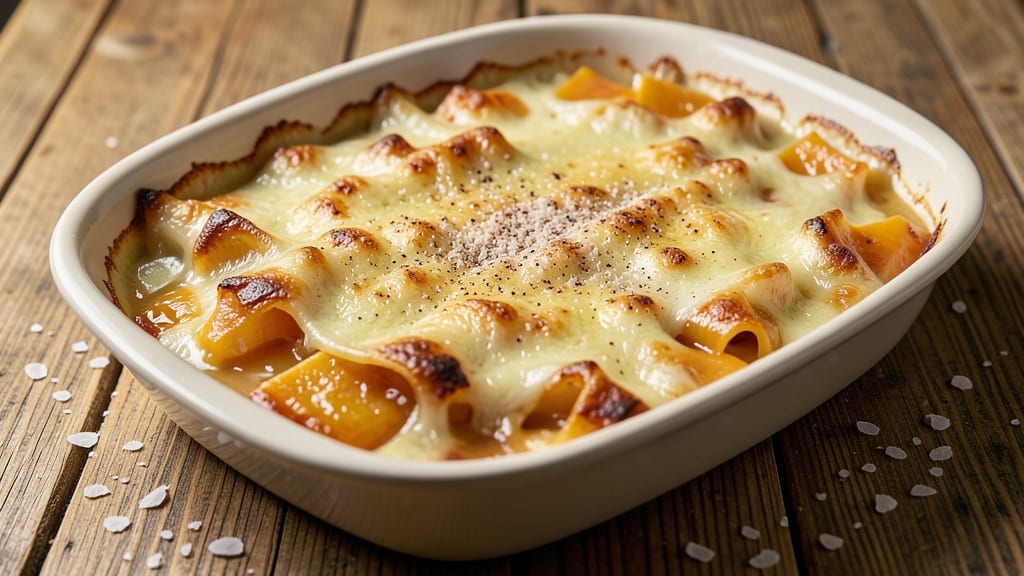
This au gratin cheese sauce recipe delivers that perfect golden, bubbly top every time—no guesswork, no lumps, just restaurant-quality results. The secret lies in a precise balance of cream, cheese, and a touch of cornstarch to create a sauce that's rich yet stable enough to bake without breaking.
I've perfected this technique after years of testing, and it's the foundation for dishes that always impress.
The magic happens when you combine sharp Gruyère with aged cheddar for depth, then slowly melt everything together over gentle heat. A splash of heavy cream keeps the sauce velvety while preventing it from becoming too heavy, and a pinch of nutmeg adds that classic au gratin warmth.
What sets this sauce apart is its ability to hold its shape during baking, creating that signature crispy top while staying creamy underneath.
By the time you're done, you'll have a sauce that's thick enough to cling to baked potatoes, lasagna layers, or gratin dishes without sliding off. The aroma alone will have everyone asking what you're serving, and the first bite delivers that perfect combination of crispy, cheesy goodness.
This isn't just any cheese sauce—it's the kind that transforms ordinary dishes into something extraordinary.
Use it as a topping for baked potatoes, a layer in lasagna, or as the star of any gratin dish. The versatility makes it a must-have in your recipe arsenal, and the technique is simple enough for weeknight cooking but impressive enough for company.
Let's get started on creating this foolproof sauce.
Ingredients for au gratin cheese sauce
Eight simple ingredients create the perfect golden, bubbly au gratin cheese sauce every time.
| Ingredient | Amount | Notes |
|---|---|---|
| Heavy Cream 🥛 | 1 ½ cups | Full-fat for richness |
| Gruyère Cheese 🧀 | 1 ½ cups | Freshly grated from block |
| Aged Cheddar Cheese 🧀 | 1 cup | Sharp variety preferred |
| Cornstarch 🌾 | 2 tbsp | For perfect thickening |
| Unsalted Butter 🧈 | 4 tbsp | Cold, cubed for even melting |
| Ground Nutmeg 🌿 | ½ tsp | Freshly grated preferred |
| Salt 🧂 | ½ tsp | Diamond Crystal preferred |
| Black Pepper 🌶️ | ¼ tsp | Freshly ground for best flavor |
| Garlic Cloves 🧄 | 2 cloves | Minced for subtle aroma |
| Fresh Thyme Leaves 🌿 | 1 tsp | Chopped, or dried thyme |
The cheese makes all the difference here. Gruyère gives that signature nutty flavor, so grab a wedge from the deli counter if possible—pre-shredded gets clumpy. For the cheddar, aged varieties (like sharp white cheddar) add depth. Whole Foods or specialty cheese shops carry the best, but your regular grocery store's deli section works too. If you're in a pinch, Parmigiano-Reggiano can replace half the Gruyère for a different but delicious twist. The cornstarch is non-negotiable—it's what gives that signature crispy top while keeping the sauce silky underneath. Buy it in bulk if you bake often, it lasts forever.
No heavy cream? Half-and-half works in a pinch, but the sauce won't be quite as rich. Short on Gruyère? Fontina or Emmental are great substitutes—they melt beautifully. The butter should be cold when you add it, so take it out of the fridge about 10 minutes before you start. Fresh nutmeg is ideal, but if you only have ground, toast it lightly in a dry pan first to wake up the flavor. Thyme can be dried if you don't have fresh, but use about half the amount. For the garlic, don't overdo it—just a hint of flavor is all you need. And if you're making this ahead, the sauce actually tastes better the next day as the flavors meld.
This sauce keeps beautifully in the fridge for about 5 days, covered tightly with plastic wrap pressed right onto the surface to prevent a skin from forming. For longer storage, portion it into ice cube trays, freeze, then transfer to a bag—perfect for adding to dishes later. Reheat gently over low heat, stirring constantly, until smooth. If it thickens too much, just add a splash of milk or cream. The sauce reheats beautifully and actually tastes better the second time around—perfect for meal prep. Just don't overbake it when using as a topping, or you'll lose that perfect crispy texture.
Why You'll Love This Recipe
- Foolproof Stovetop: I swear by the cornstarch trick—just whisk it into the warm cream, then fold in the melted butter. No lumps, no stress, and that velvety texture happens every time. Even when I burn the garlic (which I do), the sauce still comes out rich.
- Nutty Cheese Magic: Gruyère and aged cheddar together? That’s where the real flavor party starts. The Gruyère adds this deep, caramelized richness, while the cheddar brings sharp, melty bite—like a hug for your taste buds. Honestly, I’ve tried this with just one cheese, and it’s just not the same.
- Weeknight & Potluck Star: Slather it over roasted potatoes, dump it on broccoli, or use it to jazz up a baked pasta. It reheats beautifully, too—perfect for meal prep or when you’re the one bringing the dish to a gathering. My roommate’s vegetarian friend now asks for it every time.
- Budget-Friendly Luxury: Aged cheddar might sound fancy, but it stretches further than you’d think, especially when paired with Gruyère. Plus, the cornstarch thickens it perfectly without needing expensive stabilizers. It’s the kind of sauce that makes a simple dinner feel like a restaurant meal without breaking the bank.
Step-by-step instructions for au gratin cheese sauce
This sauce delivers that perfect golden, bubbly crust every time—here's exactly how to make it.
Melt Butter and Bloom the Cornstarch
In a medium saucepan, melt the 4 tablespoons unsalted butter over medium heat. Once the butter has fully melted and is foaming gently, reduce the heat to medium-low and whisk in the 2 tablespoons cornstarch. Let it cook for 1-2 minutes until the mixture becomes smooth and slightly thickened—this is called blooming the cornstarch, and it's what gives your sauce that perfect, velvety texture.
Watch closely for any browned bits forming at the bottom. If you see them, stir them into the mixture immediately—they'll add depth of flavor to your sauce. This step is crucial because it creates the foundation for your sauce's thickening power later on.
Add Aromatics and Cheese
To the saucepan, add the 2 cloves minced garlic cloves and 1 teaspoon chopped fresh thyme leaves. Cook for 30 seconds until the garlic is fragrant but not browned—this prevents bitterness and ensures a subtle, sweet garlic flavor. Next, gradually whisk in the 1.5 cups heavy cream, making sure to pour it slowly to prevent any sudden temperature spikes that could cause the sauce to curdle.
Reduce the heat to low and begin adding the cheeses. First, stir in the 1 cup aged cheddar cheese, whisking constantly until it's fully melted and smooth. Then, add the 1.5 cups gruyère cheese in small batches, allowing each addition to melt completely before adding the next. This gradual approach prevents clumping and ensures a silky, uniform texture throughout the sauce.
Season and Simmer to Perfection
Once all the cheese is melted, stir in the 0.5 teaspoon salt, 0.25 teaspoon black pepper, and 0.5 teaspoon ground nutmeg. Let the sauce simmer gently for 5-7 minutes, stirring occasionally. You're looking for the sauce to thicken just enough to coat the back of a spoon—it should be smooth, glossy, and hold its shape when you lift a spoonful.
Here's the thing—don't walk away. Keep an eye on the sauce as it simmers. If it starts to thicken too quickly, whisk in 1-2 tablespoons of milk or cream to loosen it up. The goal is a sauce that's thick enough to cling beautifully to potatoes or pasta but still has a lovely, creamy consistency. The nutmeg and thyme will infuse their flavors gradually during this simmering time, so let them work their magic.
Finish with a Golden, Bubbly Top
For that signature au gratin look, transfer the sauce to a small saucepan or even a heatproof bowl that fits snugly over your serving dish. Place it over a pot of barely simmering water (this is called a bain-marie) and heat gently for 2-3 minutes. This gentle heat helps the sauce maintain its creamy texture while allowing you to achieve that golden, bubbly top.
Watch the sauce carefully as it heats. When it begins to bubble gently and the top starts to turn golden brown, it's ready. If you're serving it immediately, you can ladle it directly over your dish. For a restaurant-quality finish, sprinkle a thin layer of freshly grated gruyère cheese on top and broil for 1-2 minutes until it's golden and bubbly—this adds that irresistible crunch and depth of flavor that makes au gratin so special.
Pro Tips For Making Au Gratin Cheese Sauce
- Whisk the Cheese Slowly: Start with just a third of the cheese—Gruyère and aged cheddar both have stubborn crystals—and let it melt fully before adding more. I learned this the hard way: dumping it all in at once leads to lumps that no amount of whisking later can fix. (Yes, even if you’re impatient like me.)
- Prep the Cornstarch: Mix the cornstarch with a splash of cold heavy cream first—about 1 tablespoon of the cream per 1 tablespoon of cornstarch—before adding it to the pot. This makes it dissolve instantly instead of clumping like a stubborn guest who refuses to leave. The sauce will thicken smoother, and you’ll avoid that grainy texture that ruins everything.
- Don’t Boil the Cream: Keep the heavy cream at a gentle simmer—tiny bubbles at the edges, not a full-on rolling boil. Once it hits 180°F (70°C), the proteins start to break down, and your sauce will either turn rubbery or split like a bad joke. A thermometer helps, but even without one, watch for steady, lazy bubbles.
- Use Room-Temp Butter: Take the unsalted butter out of the fridge 30 minutes before you start. Cold butter creates a thicker, less creamy sauce that separates when you add the cheese. Room-temperature butter blends in like a dream, giving you that velvety, restaurant-quality finish. (Your future self will thank you.)
Flavor customization for au gratin cheese sauce
Classic Nutmeg Twist
Freshly ground nutmeg is the signature flavor in au gratin, but the type makes a difference. I always use Madagascar nutmeg from Penzeys Spices—it's more aromatic than pre-ground varieties.
For extra depth, toast the nutmeg lightly in a dry pan for 30 seconds before adding it to the sauce. This wakes up its warm, earthy notes perfectly. 🌿
Herb Variations
Swap thyme for fresh tarragon (1 tsp) for a French bistro vibe, or add 1 tsp chopped rosemary for an Italian-inspired twist. Both herbs work beautifully with Gruyère. For a smoky depth, add ½ tsp smoked paprika along with the nutmeg. Just remember—herbs should complement, not overpower, the cheese.
Cheese Substitutions
No Gruyère? Try Fontina cheese—it melts like a dream and adds a mild sweetness. For a sharper profile, replace half the Gruyère with Comté or Parmigiano-Reggiano. If you're avoiding dairy, nutritional yeast (2 tbsp) can mimic that cheesy umami, though the texture will differ.
Always grate your own cheese—pre-shredded varieties contain anti-caking agents that prevent smooth melting.
Spicy Kick Options
Add ½ tsp cayenne pepper for heat, or stir in 1 tsp hot honey> after the sauce is off the heat. For a smoky-spicy combo, mix ½ tsp chipotle powder> with the nutmeg.
If you love complexity, finish with 1 tsp Calabrian chili paste>—it adds fruity heat that pairs perfectly with the creamy sauce.
Creamy Alternatives
For a lighter version, replace half the heavy cream with coconut milk> (full-fat for best results). The sauce will have a subtly tropical note that works surprisingly well.
If you're avoiding dairy entirely, cashew cream> (blend 1 cup soaked cashews with ½ cup water) creates a rich, velvety base. Just reduce the liquid slightly since cashew cream is thicker than dairy cream.
Sweet-Savory Balance
Add 1 tsp Dijon mustard> to the sauce for a tangy depth, or finish with a drizzle of honey> (1 tsp) for a sweet-savory contrast. For a caramelized touch, stir in 2 tbsp caramelized onions> when adding the cheeses.
These sweet elements cut through the richness and add another layer of complexity to the classic flavor profile.
Nutrition facts
Frequently asked questions about au gratin cheese sauce
Can I make this sauce ahead of time?
Yes! This sauce actually tastes better when made a day ahead. Store it in an airtight container in the fridge for up to 5 days. The flavors deepen over time, and it reheats beautifully. For baking applications, let it come to room temperature before using to prevent condensation.
What's the best way to get that perfect golden crust?
The secret is a combination of timing and technique. After heating the sauce, transfer it to a baking dish with your food, then broil for just 1-2 minutes—watch closely! For extra insurance, sprinkle a thin layer of freshly grated Gruyère on top before broiling. The key is high heat for a short time to create that signature bubbly, golden finish.
Can I substitute any of the cheeses?
For the Gruyère, try Fontina (milder) or Comté (nuttier). Replace half the Gruyère with Parmigiano-Reggiano for a sharper profile. For the cheddar, any sharp variety works. Just remember: always grate your own cheese—pre-shredded varieties contain anti-caking agents that prevent smooth melting and create lumps.
Why did my sauce get grainy?
Graininess usually happens when cheese melts too quickly or when using pre-shredded cheese. To fix it, whisk in 1-2 tablespoons of warm milk or cream while heating the sauce. For prevention, melt the cheese slowly over low heat and add it gradually. If you're using pre-shredded cheese, pulse it in a food processor first to break up any additives.
How can I make this sauce lighter?
For a lighter version, replace half the heavy cream with coconut milk (use full-fat for best results) or cashew cream (blend 1 cup soaked cashews with ½ cup water). You can also reduce the butter to 2 tablespoons while keeping the same quantity of cream. The sauce will still be rich but with a more delicate texture—perfect for those watching their calorie intake.