
Sauces & Condiments
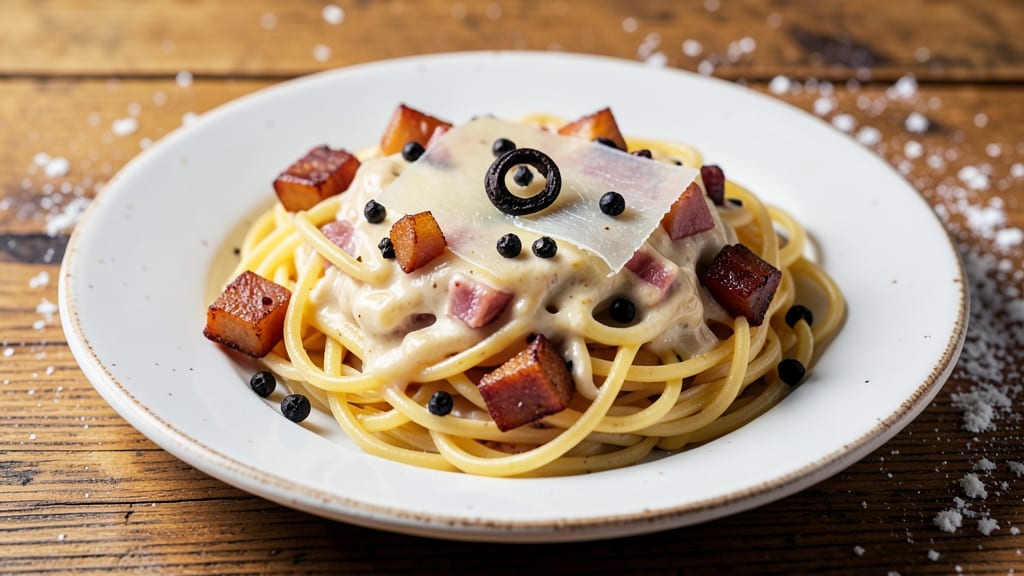
This authentic carbonara sauce recipe delivers the creamy, peppery perfection of Rome’s finest trattorias—without a drop of cream. The secret lies in the egg-yolk emulsion, where raw eggs and aged Pecorino Romano blend into a velvety sauce that clings to pasta like a dream.
I’ve perfected this method after years of testing, ensuring no clumps, no curdling, and a flavor so rich it’ll make you question why you ever bought store-bought versions.
The magic happens in the technique: guanciale (or pancetta) renders its fat to create a golden base, while the egg-cheese mixture is tempered with starchy pasta water to form a luscious, silky sauce that’s impossibly smooth.
No cream, no shortcuts—just the authentic Roman formula that balances smoky guanciale, sharp cheese, and freshly cracked black pepper. This isn’t just a sauce; it’s a transformation for any pasta dish.
What sets this apart is the precision—the ratio of eggs to cheese, the slow incorporation of heat, and the timing of the starchy water.
One wrong move and you’ll end up with scrambled eggs; get it right, and you’ll have a sauce so luxurious it feels like a guilty pleasure. The result? A restaurant-quality sauce that’s foolproof once you master the method, and it keeps well in the fridge for up to 3 days.
Use it on spaghetti, toss it with roasted vegetables, or drizzle it over grilled chicken—this sauce turns simple dishes into something extraordinary. Let’s make it.
Ingredients for authentic carbonara sauce
Seven essential ingredients transform simple pasta into Rome’s velvety carbonara masterpiece.
| Ingredient | Amount | Notes |
|---|---|---|
| Guanciale or Pancetta 🥓 | 6 oz | Diced into small cubes |
| Large Egg Yolks 🥚 | 4 whole | Fresh, room temperature |
| Pecorino Romano Cheese 🧀 | 1 ½ cups | Freshly grated, aged |
| Freshly Ground Black Pepper 🌶️ | 1 ½ tsp | Cracked over sauce |
| Spaghetti 🍝 | 1 lb | Reserved pasta water |
| Freshly Cracked Black Peppercorns 🌶️ | 1 tsp | For finishing |
| Extra-Virgin Olive Oil 🫒 | 2 tbsp | For finishing |
Guanciale is the soul of carbonara—ask your butcher for pre-sliced guanciale or grab pancetta from Whole Foods if unavailable. The fat renders beautifully, creating that golden base. Freshly grind the black pepper right before using—pre-ground loses its punch. For the eggs, use room-temperature yolks only; cold yolks won’t emulsify properly. Pecorino Romano must be aged—look for blocks labeled 'DOP' at specialty cheese shops for that sharp, nutty flavor. If you can’t find guanciale, pancetta works in a pinch, though it’s slightly sweeter. The key is using high-quality cured pork—never bacon, which is far too salty.
No guanciale? Pancetta is your next best option, but reduce the salt in the recipe by half. For the cheese, Parmigiano-Reggiano works too—just use half the amount of Pecorino. The eggs are non-negotiable—no substitutions here. If you’re nervous about raw eggs, use pasteurized eggs instead. For the pasta, spaghetti or bucatini are ideal, but any long pasta will work. The reserved pasta water is critical—it’s what creates the silky texture. Save about 1 cup of starchy water before draining. And for heaven’s sake, don’t add cream—that’s a cardinal sin in authentic carbonara.
This sauce is best made fresh but keeps beautifully in the fridge for 3 days, stored in an airtight container with a thin layer of olive oil on top to preserve freshness. For leftovers, reheat gently on low heat—never microwave, or you’ll risk breaking the emulsion. The sauce thickens as it cools, so you can always loosen it with a splash of warm water or pasta water. If making ahead, prepare the sauce just before tossing with pasta—it’s the only way to guarantee that perfect, creamy consistency. And always serve immediately—carbonara doesn’t reheat well, but it’s worth the effort to make fresh.
Why You'll Love This Recipe
- No Fuss, No Mess: I swear by this method—just crisp the pancetta, toss it with al dente pasta, and stir in the egg-cheese mix off the heat. No scrambling, no stress. The sauce comes together in one pan, and honestly? That’s all it takes for something this rich.
- Saltier Than Tears: Between us, this isn’t your creamy, buttery pasta. The guanciale melts into fat that clings to every strand, while Pecorino Romano sharpens it like a knife. Freshly cracked black pepper? That’s the secret—it’s got bite, not just flavor.
- Weeknight to Dinner Party: Same recipe, different vibes. Toss it with spaghetti for a quick Tuesday, or pile it high on rigatoni for guests. Leftovers? Reheat gently—the sauce thickens beautifully, and it’s still restaurant-worthy the next day.
- Budget Luxury: Pancetta’s cheaper than salmon, and a handful of eggs plus cheese stretch this dish for four. I’ve made it for date nights, lazy Sundays, and even packed it for lunch. Good food doesn’t need to break the bank—this proves it.
Step-by-step instructions for authentic carbonara sauce
Here's the traditional method that delivers creamy, clump-free carbonara every time.
Render the Guanciale Until Crispy and Golden
Place the diced guanciale or pancetta in a cold, dry skillet over medium heat. Let it render its fat slowly without stirring for the first 3 minutes—this allows the fat to pool and crisp the edges properly. You'll know it's ready when the pieces turn golden brown and the fat shimmers but doesn't smoke. This rendered fat is the flavor foundation of your sauce, so don't rush this step.
Once the guanciale is crispy and the fat has rendered out (about 8-10 minutes total), remove the skillet from heat and let it cool for 2 minutes. This brief resting period prevents the eggs from scrambling when you add them later. Leave the rendered fat in the pan—this is where all the magic happens. The fat should measure about 2 tablespoons once the guanciale is removed, but don't worry if it's slightly more; the balance will work itself out.
Prepare the Egg-Yolk and Cheese Emulsion
While the guanciale cooks, whisk together the 4 whole large egg yolks in a bowl until they're completely smooth and pale yellow. Add the 1.5 cups freshly grated Pecorino Romano cheese and whisk vigorously until fully combined. The cheese should melt into the yolks, creating a thick, creamy paste. This is where the authentic carbonara flavor develops—using aged Pecorino gives that perfect salty, nutty depth that store-bought Parmesan can't match.
Add the 1.5 teaspoons freshly ground black pepper and whisk again until evenly distributed. The mixture should be thick enough to coat the back of a spoon but still flow smoothly. Here's the thing—don't overmix or you'll incorporate too much air, which can cause the sauce to break later. The emulsion needs to be stable but not whipped. Set this mixture aside while you cook the pasta.
Cook the Spaghetti Al Dente and Reserve Water
Bring a large pot of well-salted water to a rolling boil. Add the 1 pound spaghetti and cook according to package instructions until it's 1 minute shy of al dente. The pasta should have a slight bite to it—this ensures it finishes cooking perfectly in the sauce. Reserve 1 full cup of pasta water before draining, as this starchy liquid is essential for creating the proper sauce consistency. I keep a measuring cup right by the stove so I don't forget this crucial step.
Drain the pasta but don't rinse it—those surface starches are what help the sauce cling to each strand. Immediately transfer the hot pasta to the skillet with the rendered guanciale fat. Toss the pasta in the fat for 30 seconds to coat it evenly. This step is important because it creates a flavor bridge between the pasta and the sauce we're about to make.
Create the Emulsion Off the Heat
Here's where the real magic happens: remove the skillet from heat completely. Add the egg-yolk and cheese mixture to the pasta in the skillet and toss vigorously with tongs for 1-2 minutes. The residual heat from the pasta and pan will gently cook the eggs into a silky sauce. You'll see the mixture transform from broken egg to a glossy, creamy emulsion. If the sauce starts to look too thick, add the reserved pasta water 1 tablespoon at a time until it reaches your desired consistency.
This off-heat technique is absolutely critical for authentic carbonara. The low, even heat prevents the eggs from scrambling while allowing them to emulsify perfectly with the cheese and pasta water. You want the sauce to coat the back of a spoon but still be fluid enough to cling to the pasta. If you see any lumps forming, keep tossing vigorously—they'll disappear as the sauce comes together.
Finish with Fresh Pepper and Serve Immediately
Return the skillet to low heat for just 30 seconds to gently warm through, then remove from heat again. Stir in the 1 teaspoon freshly cracked black peppercorns and the 2 tablespoons extra-virgin olive oil. The pepper adds a bright, fresh finish that cuts through the richness of the cheese and eggs. The olive oil adds a subtle fruity note that balances the dish.
Serve the carbonara immediately while the sauce is still warm and fluid. Each forkful should deliver perfectly al dente pasta coated in a creamy, peppery sauce with crispy guanciale bits. The sauce should cling to the pasta without being gluey, and the texture should be silky rather than grainy. If you notice the sauce thickening as it cools, simply toss in a splash of hot pasta water to restore its creamy consistency. This dish is all about timing—don't let it sit for more than 10 minutes or the sauce will break.
Pro Tips For Making Authentic Carbonara Sauce
- Crisp the Guanciale First: Toss the guanciale in a cold, dry skillet and let it sizzle undisturbed for 3-4 minutes until the edges darken to golden. I used to flip it too soon, and it ended up greasy instead of crisp—this step guarantees that crunch you crave without burning the fat.
- Use Cold Yolks, Hot Pasta: Whisk your yolks and grated Pecorino into a cold bowl, then toss in the just-drained spaghetti while it’s still screaming hot. The residual heat from the pasta gently cooks the eggs into a silky sauce, not scrambled bits—trust the contrast, even if it feels weird.
- Skip the Cream—Ever: That’s right, no cream. The richness comes from the guanciale fat and yolks, not some heavy dairy. I’ve tried cutting corners with cream, and it turns carbonara into a sad, greasy mess—stick to the original, and you’ll taste why Romans don’t mess with perfection.
- Grind the Pepper Fresh: Freshly cracked black pepper is non-negotiable here. Pre-ground pepper loses its punch, and carbonara needs that sharp bite to cut through the richness. A quick 10-second grind over the sauce right before serving makes all the difference—no excuses.
Common mistakes when making great authentic carbonara sauce
Overcooking the Guanciale
Guanciale is delicate—cooking it past golden brown (about 8-10 minutes) turns it rubbery and bitter. I’ve ruined carbonara this way, and it’s a flavor crime. Use medium heat consistently, and remove it from the pan immediately when the edges crisp but the center still has a bit of pink.
Let it cool for 2 minutes before adding eggs to prevent scrambling. 🌶️
Skipping the Pasta Water
The starchy pasta water is the secret weapon that binds the sauce. Without it, your eggs will curdle into scrambled bits. Reserve 1 cup before draining, and add it gradually to the egg mixture—1 tablespoon at a time—until you reach a silky consistency.
I’ve seen home cooks toss this step, and the results are always grainy and disappointing.
Using Cold Egg Yolks
Cold yolks won’t emulsify properly, leading to clumps and a broken sauce. Always use room-temperature yolks—let them sit in a bowl for 10 minutes before whisking. If your kitchen is cold, run the eggs under warm water for 30 seconds first.
Trust me, this small step makes all the difference in achieving that velvety texture. 🥚
Adding Cream
This is the biggest no-no in authentic carbonara. Cream was never part of the original Roman recipe—it’s a modern shortcut that ruins the dish’s integrity. The egg-cheese emulsion is rich enough on its own.
If your sauce feels too thin, add more pasta water or reduce the heat instead. The result should be creamy but not heavy.
Overmixing the Egg-Cheese Mixture
Whisking too vigorously incorporates air, which causes the sauce to break when heated. Mix just until the cheese melts into the yolks—about 30 seconds. The mixture should look thick but smooth, like a pale yellow paste.
Overmixing is a common mistake that leads to a lumpy, uneven sauce. Keep your strokes gentle and controlled.
Not Working Off the Heat
The emulsion forms best when the heat source is removed. Adding the egg mixture to hot pasta causes scrambling. Instead, toss everything together off the heat for 1-2 minutes, using the residual heat from the pasta to gently cook the eggs.
This is the technique that separates authentic carbonara from failed attempts. Patience here is key! ⏰
Nutrition facts
Frequently asked questions
Why does authentic carbonara sauce never include cream?
Traditional Roman carbonara relies on the natural richness of eggs and aged Pecorino Romano—cream was never part of the original recipe. The egg-yolk emulsion creates a luxurious texture all on its own, while cream would make the sauce too heavy and mask the authentic flavors. The key is proper technique with starchy pasta water to achieve that signature velvety consistency.
Can I make this sauce ahead of time?
Yes, but with important timing considerations. Prepare the sauce up to 1 day ahead and store it in an airtight container with a thin layer of olive oil on top. When ready to serve, reheat gently on low heat with a splash of warm pasta water to restore its creamy texture. For best results, finish with fresh black pepper just before serving to preserve its bright flavor.
What's the difference between guanciale and pancetta?
Guanciale (cured pork jowl) is the authentic choice for carbonara, offering a deeper, meatier flavor. Pancetta (cured pork belly) is more widely available and slightly sweeter. If using pancetta, reduce the salt in the recipe by half. Both render beautiful fat, but guanciale's collagen gives that unmistakable Roman carbonara richness. For best results, ask your butcher to slice it thinly before cooking.
How do I fix scrambled eggs in my sauce?
If your sauce curdles, immediately remove from heat and stir in 1-2 tablespoons of hot pasta water. The starch will help rebind the broken emulsion. For extra insurance, whisk in 1 teaspoon of Dijon mustard or a pinch of cornstarch to stabilize the mixture. Most importantly, work quickly—carbonara's magic lies in its delicate, warm texture.
Can I use this sauce for dishes other than pasta?
This versatile sauce works beautifully on roasted vegetables, grilled chicken, or even as a creamy dip for crusty bread. The key is to maintain the proper egg-cheese ratio and finish with fresh black pepper. For non-pasta applications, you may need to adjust the consistency with a splash of warm water or pasta water. The rich, peppery flavor pairs wonderfully with proteins and vegetables alike.