
Sauces & Condiments
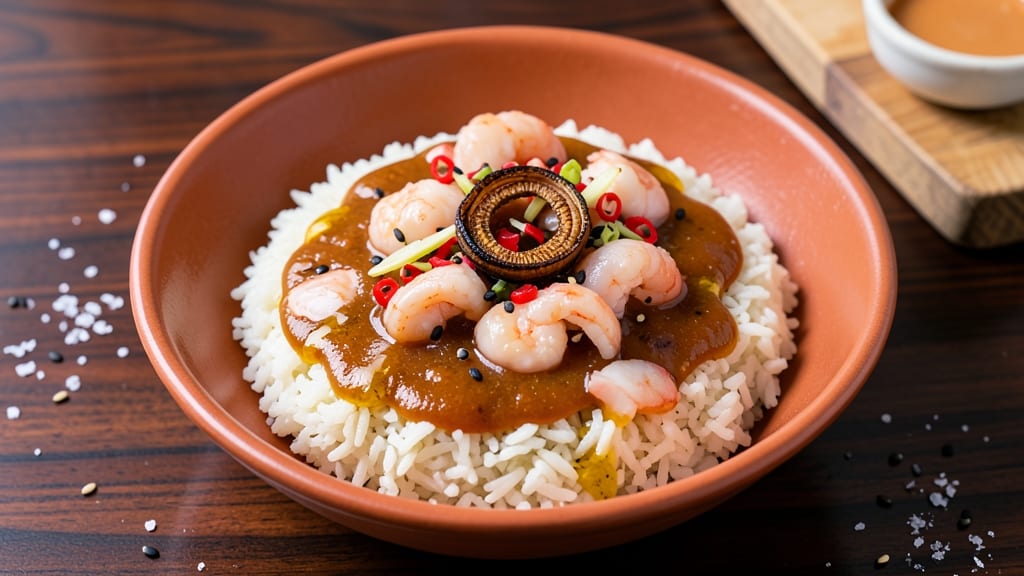
This authentic Chinese lobster sauce recipe transforms ordinary seafood into a luxurious dining experience with its deep umami richness and velvety texture. The secret lies in fermented shrimp paste, brandy-infused lobster stock, and a delicate balance of shallots and spices that create layers of complex flavor.
I developed this recipe after years of testing—each simmer and reduction brings you closer to the bold, aromatic sauce served in high-end Cantonese restaurants.
The foundation of this sauce is patience. You'll build flavor by slowly reducing lobster stock with brandy, shallots, and ginger until it achieves that signature glossy sheen. The sauce thickens naturally with cornstarch, creating a glossy finish that clings beautifully to seafood.
What makes it truly special is the fermented shrimp paste, which adds that unmistakable umami depth that defines authentic Chinese cuisine.
What you'll end up with is a versatile sauce that elevates everything it touches—whether drizzled over lobster thermidor, used as a dipping sauce for shrimp, or spooned over steamed fish.
The aroma alone will transport you to a bustling Cantonese kitchen, while the taste delivers that perfect balance of richness and brightness. This is the kind of sauce that turns simple seafood into a memorable meal.
Perfect for special occasions or when you want to impress dinner guests, this lobster sauce keeps well in the refrigerator for up to two weeks. Let's create it step by step—your taste buds will thank you.
Ingredients for authentic chinese lobster sauce
Eleven ingredients that deliver restaurant-quality umami depth and velvety texture in every spoonful.
| Ingredient | Amount | Notes |
|---|---|---|
| Fresh Lobster Stock 🦞 | 4 cups | Homemade or high-quality store-bought |
| Fermented Shrimp Paste (Kapi) 🦐 | 2 tbsp | Authentic Chinese ingredient, find in Asian markets |
| Brandy 🍷 | ½ cup | Cognac or high-quality brandy preferred |
| Shallots 🧅 | ½ cup | Finely minced, vibrant purple-red |
| Fresh Ginger 🧄 | 2 tbsp | Grated, organic preferred |
| Cornstarch 🌾 | 1 tbsp | For glossy thickening |
| Light Soy Sauce 🥄 | 2 tbsp | High-quality, low-sodium preferred |
| Dark Soy Sauce 🥄 | 1 tbsp | For deep color and complexity |
| Sesame Oil 🌰 | 1 tbsp | Toasted, for nutty aroma |
| White Sugar 🍚 | 1 tbsp | Balances umami richness |
| Water 💧 | 1 cup | For thinning if needed |
The fermented shrimp paste is non-negotiable for authentic flavor. Asian markets carry it in jars—look for brands like Lee Kum Kee or Golden Mountain. If you can't find it, shrimp paste from a trusted source works, though the umami won't be quite as complex. The lobster stock should be rich and clear—homemade is ideal, but high-quality store-bought (like Kettle & Fire) saves time. For the shallots, vibrant purple-red ones pack the most flavor—avoid wilted or dried-out bulbs. Fresh ginger is a must; powdered won't cut it here.
No brandy? Dry sherry at half the amount works in a pinch, though it lacks the depth. The soy sauces can be swapped for tamari if gluten-free, but the color and flavor will differ slightly. Sesame oil is optional but adds that signature nutty aroma—toasted sesame oil is best, but regular will do. For the cornstarch, arrowroot powder works too, though it's slightly less glossy. The sugar balances the umami—don't skip it, even if you're avoiding sweetness elsewhere. If your sauce feels too thick, thin with water or additional lobster stock.
This sauce keeps beautifully in the fridge for up to 2 weeks—the flavors deepen over time. Store it in an airtight container with a thin layer of oil on top to preserve that glossy sheen. For longer storage, freeze in ice cube trays, then transfer to a bag. Thaw overnight in the fridge before using. The sauce reheats well—just warm gently on the stove, stirring constantly to avoid scorching. Double the batch if you're serving a crowd; it disappears fast.
Why You'll Love This Recipe
- One-Pot Magic: I swear by this sauce—just simmer the lobster stock with kapi, brandy, and ginger, then strain. No extra bowls, no fuss. The shallots caramelize right in the pot while you’re stirring, and suddenly, you’ve got depth without the effort.
- Umami Bomb: That fermented shrimp paste (kapi) is the secret—it’s funky, salty, and so good. A splash of brandy brightens it up, and the ginger? It’s the little kick that makes this sauce sing. Honestly, I’ve tried store-bought versions, and this one puts them to shame.
- Weeknight to Dinner Party: Make a double batch on Sunday—this sauce keeps for days in the fridge. Use it to glaze steak for a fancy date night or toss it with noodles for a quick weeknight dinner. My in-laws think I slaved over it, but they’ll never know the truth.
- Budget Luxury: Lobster stock sounds fancy, but it’s cheaper than you’d think—especially if you use shells from a whole lobster. The kapi adds richness without breaking the bank, and a little goes a long way. Between us, this is how I trick people into thinking I cook with expensive ingredients.
Step-by-step instructions for authentic Chinese lobster sauce
Here's how to craft this umami-rich sauce that balances deep complexity with delicate sweetness.
Bloom the Aromatics in Brandy
Heat a heavy-bottomed saucepan over medium-low heat until just warm. Add the 0.5 cup brandy and let it warm through—you want to feel gentle heat radiating from the pan. This step is crucial for developing the sauce's aromatic foundation.
Immediately add the 0.5 cup minced shallots and 2 tbsp grated fresh ginger, stirring constantly for 2-3 minutes until the shallots soften and release their sweet, oniony aroma. The brandy should reduce by about half, leaving a rich, golden base. Watch closely—you want the shallots to caramelize slightly but not brown, as that would create bitterness we don't want in this delicate sauce.
Build the Umami Base with Fermented Shrimp Paste
Reduce heat to low and add the 2 tbsp fermented shrimp paste (kapi), stirring vigorously to distribute evenly. The paste will initially appear oily and pungent, but it will quickly incorporate into the sauce. Let it cook for 1-2 minutes until the raw shrimp aroma transforms into a savory, fermented depth.
This is where the sauce gets its authentic Chinese character. The kapi provides that unmistakable umami punch that defines traditional lobster sauces. If you notice the sauce separating, add 1-2 tablespoons of the 4 cups fresh lobster stock to help emulsify it. The sauce should now have a glossy sheen and a complex aroma that's both sweet and funky.
Develop the Sauce with Soy and Sweetness
Pour in the remaining 4 cups fresh lobster stock and bring to a gentle simmer over medium heat. Add the 2 tbsp light soy sauce, 1 tbsp dark soy sauce, and 1 tbsp white sugar, stirring to combine. The dark soy sauce will give the sauce its signature deep color while adding another layer of umami.
Simmer uncovered for 10-12 minutes until the sauce reduces by about one-third and coats the back of a spoon. You're looking for a syrupy consistency that will cling beautifully to seafood. Taste occasionally—you should detect all the individual components working together: the sweetness of the brandy and sugar, the funk of the kapi, and the savory depth of the soy sauces.
Thicken and Finish with Cornstarch
In a small bowl, whisk together the 1 tbsp cornstarch with 2 tablespoons of the 1 cup water until smooth. Slowly ladle this mixture into the simmering sauce while stirring constantly. The sauce should begin to thicken immediately—if it doesn't, add the remaining water 1 tablespoon at a time until you reach the desired consistency.
Continue cooking for another 2-3 minutes until the sauce reaches a glossy, velvety finish. Remove from heat and stir in the 1 tbsp sesame oil. This final step adds a nutty aroma that complements the sauce's complexity. The finished sauce should be thick enough to coat the back of a spoon but still flow smoothly when poured.
Rest and Adjust for Perfect Balance
Let the sauce rest for 10-15 minutes at room temperature. This resting period allows the flavors to meld completely and the sauce to thicken slightly as it cools. Taste and adjust seasoning if needed—you might want to add a touch more sugar to balance the umami or a splash of water if the sauce has thickened too much.
The sauce is now ready to use. It should have a rich, mahogany color with a glossy sheen, and an aroma that's both sweet and savory with hints of brandy and sesame. This authentic Chinese lobster sauce will elevate any seafood dish, from steamed lobster to stir-fried shrimp, with its perfect balance of umami, sweetness, and complexity.
Pro Tips For Making Authentic Chinese Lobster Sauce
- Bloom the Kapi First: I learned this the hard way—just tossing in fermented shrimp paste (kapi) raw makes the sauce taste harsh and metallic. Instead, toast it dry in a small pan over medium-low heat for 30 seconds until it smells nutty and aromatic, then immediately deglaze with a splash of brandy to bloom its flavor. This step cuts the funk and builds depth.
- Simmer Low and Slow: The sauce will break if you rush it. After adding the lobster stock, keep the heat at a bare simmer—tiny bubbles, not rolling—and let it cook uncovered for at least 20 minutes. I used to crank the heat to speed things up, but that turns the sauce thin and dull. Patience here makes all the difference.
- Mince the Ginger Fine: Thin slices or grated ginger will just sit at the bottom like decorative garnish. Use a microplane or the side of your knife to shave it into a paste—it should disappear completely into the sauce. This ensures every spoonful gets that bright, zesty kick without chewing on texture.
- Deglaze with Brandy Last: Add the brandy after the shallots are golden, not at the start. If you flame it too early, the alcohol burns off before it can mellow into the sauce, leaving a bitter edge. Let the shallots caramelize first, then pour in the brandy, scrape up those browned bits, and let it reduce by half before adding stock. The sauce will thank you.
Pro cooking tips for this dish
Heat Control Secrets
Start with medium-low heat when blooming the brandy and aromatics—this prevents burning while allowing the alcohol to gently evaporate. I use a heavy-bottomed saucepan (like All-Clad) to distribute heat evenly.
Once the stock simmers, reduce to low heat to avoid scorching the sauce. Too much heat will cook off the delicate brandy aroma and make the sauce bitter. 🌡️
Umami Layering
The fermented shrimp paste (kapi) is where the magic happens—add it after the brandy has reduced by half. Stir constantly for 1-2 minutes until it fully incorporates. If the sauce separates, immediately add 1-2 tbsp lobster stock to emulsify.
This step builds the authentic umami depth that sets this sauce apart from Western versions. I like to taste after this step to gauge the funky-sweet balance.
Reduction Timing
Simmer uncovered for 10-12 minutes until reduced by one-third—this concentrates the flavors. Use a slotted spoon to skim any foam that rises. Taste occasionally: you should detect brandy sweetness, ginger heat, and soy complexity working together.
If the sauce reduces too quickly, lower the heat slightly. Patience here prevents a flat, watery result.
Cornstarch Slurry
Whisk the cornstarch with cold water first to prevent lumps—this is non-negotiable. Add it slowly while stirring constantly over low heat. If the sauce thickens too much, add water or stock 1 tbsp at a time.
The goal is a glossy, velvety finish that coats the back of a spoon but still flows smoothly. I use arrowroot powder as a backup if cornstarch isn't available.
Resting Period
Let the sauce rest for 10-15 minutes at room temperature—this allows flavors to meld and the sauce to thicken naturally. I often taste it again after resting to adjust seasoning.
If it's too thick, add 1 tsp water at a time. The resting step is the difference between restaurant-quality and home-cook results. Don't skip it! ✨
Finishing Touches
Stir in the sesame oil off the heat—this adds nutty aroma without cooking it into the sauce. The final sauce should have a mahogany color and glossy sheen. If it looks dull, warm it gently for 1-2 minutes to restore the shine.
Store in an airtight container with a thin layer of oil on top to preserve freshness for up to 2 weeks.
Nutrition facts
Frequently asked questions
What makes this lobster sauce different from Western versions?
The fermented shrimp paste (kapi) and brandy infusion create that signature authentic Chinese umami depth missing in Western recipes. The sauce also uses dark soy sauce for its deep mahogany color and sesame oil for nutty aroma—key elements in traditional Cantonese cuisine.
Can I substitute brandy with another alcohol?
Yes, but expect different results. Use dry sherry at half the amount (2 tbsp) for a similar flavor profile, though it lacks brandy's depth. White wine (3 tbsp) works in a pinch but adds acidity. Avoid vodka or clear liquors—they won't develop the same aromatic complexity.
How do I fix a sauce that's too thick or too thin?
For too thick sauce, thin with 1 tsp water or lobster stock at a time while stirring. For too thin sauce, whisk ½ tsp cornstarch with 1 tsp water and stir in slowly. The goal is a sauce that coats the back of a spoon but flows smoothly when poured.
What's the best way to store and reheat this sauce?
Store in an airtight container in the fridge for up to 2 weeks, with a thin layer of oil on top to preserve shine. For longer storage, freeze in ice cube trays. Reheat gently on low heat, stirring constantly to prevent scorching. Never microwave—it destroys the sauce's delicate texture.
What dishes pair best with this lobster sauce?
This sauce shines with lobster thermidor, steamed fish, or shrimp dishes. It also works as a dipping sauce for sushi rolls or spring rolls. For a vegetarian option, drizzle it over mushroom stir-fries—the umami depth makes it surprisingly versatile.