
Sauces & Condiments
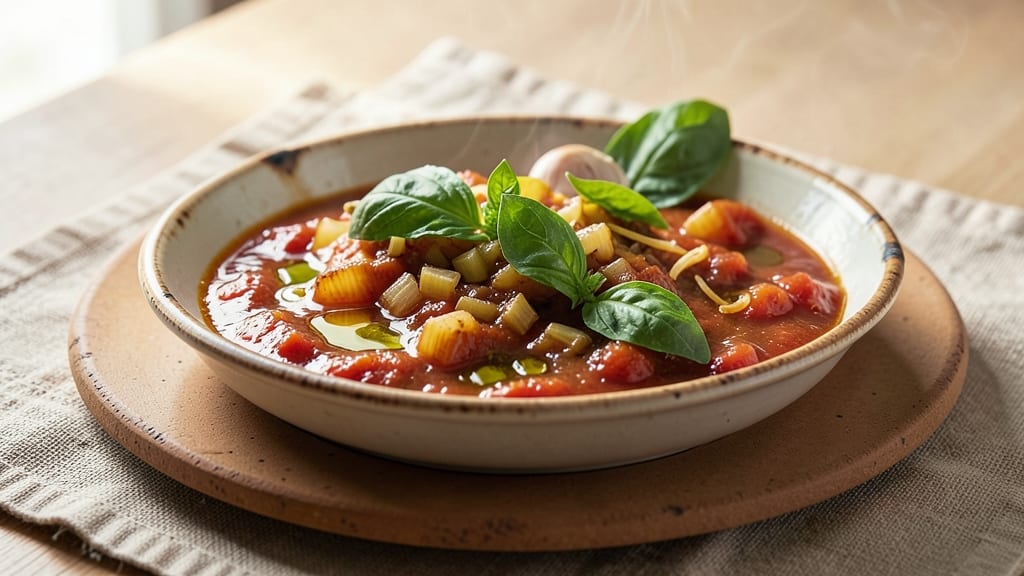
This authentic Napoli sauce recipe captures the heart of Neapolitan cooking—where sun-ripened tomatoes, aromatic herbs, and slow simmering transform simple ingredients into liquid gold. The secret lies in using San Marzano tomatoes and a gentle, hours-long reduction that deepens flavors without overpowering them. I developed this version after years of studying traditional Neapolitan techniques, ensuring every spoonful delivers that perfect balance of sweetness, acidity, and umami.
The sauce begins with a sofrito base of garlic, onions, and celery—cooked low and slow to build flavor—before crushed tomatoes and fresh basil take center stage.
Unlike rushed versions, this method allows the sauce to develop complexity as it reduces, creating a velvety texture that clings beautifully to pasta or pizza. The key is patience: no rushing, no boiling, just steady simmering until the sauce reaches that ideal consistency—neither too thick nor too thin.
What makes this Napoli sauce truly special is its versatility. Use it as a base for classic marinara, a topping for wood-fired pizza, or a sauce for handmade pasta like spaghetti or linguine.
The fresh basil added at the end ensures brightness, while the slow simmering brings out the natural sweetness of the tomatoes. This isn’t just a sauce—it’s a flavor foundation that elevates any dish it touches.
The best part? This sauce keeps beautifully in the refrigerator for up to a week, allowing flavors to deepen even more over time. Whether you're serving it tonight or saving it for later, every bite will taste like a trip to Naples. Let’s get started on making this timeless sauce.
Ingredients for authentic napoli sauce
Sun-ripened tomatoes, aromatic herbs, and slow simmering create this velvety Napoli sauce masterpiece.
| Ingredient | Amount | Notes |
|---|---|---|
| Extra-Virgin Olive Oil 🫒 | ½ cup | High-quality, fruity variety preferred |
| Yellow Onion 🧅 | 1 whole | Finely diced, about 1 cup |
| Celery Stalks 🥬 | 2 whole | Finely diced, about 0.5 cup |
| Garlic Cloves 🧄 | 4 cloves | Minced, not pressed |
| San Marzano Tomato Crushed 🍅 | 28 oz | Canned, whole peeled tomatoes preferred |
| Fresh Basil Leaves 🌿 | ½ cup | Packed, stems removed |
| Dried Oregano 🍃 | 1 tsp | Italian or Mediterranean variety |
| Sea Salt 🧂 | 1 ½ tsp | Diamond Crystal preferred |
| Black Peppercorns 🌶️ | ½ tsp | Freshly cracked |
| Red Wine 🍷 | ¼ cup | Dry, bold variety like Chianti |
The foundation begins with San Marzano tomatoes—their natural sweetness and low acidity are non-negotiable for authentic flavor. Whole peeled tomatoes from Mutti or Cirio brands at specialty stores or well-stocked supermarkets deliver the best results. For the sofrito base, yellow onions and celery should be finely diced to create a flavorful foundation that cooks down slowly. Fresh garlic cloves should be minced, not pressed, to preserve their aromatic oils. The extra-virgin olive oil should be fruity and peppery—California or Italian varieties work best, and you'll notice the difference immediately in the sauce's depth of flavor. These ingredients transform into the aromatic base that defines Neapolitan cooking.
No San Marzano tomatoes? Crushed heirloom tomatoes are the next best option—look for brands like Century or Muir Glen in the canned section. Fresh basil can be substituted with dried basil at one-third the amount, but the sauce will lack brightness. For the red wine, any dry red like Cabernet or Merlot works, though Chianti adds that authentic Italian touch. The dried oregano should be Italian or Mediterranean—Penzeys or Spicewalla carry excellent varieties. If you're short on time, tomato paste at half the amount can replace some of the crushed tomatoes, though the texture will be thicker. Always taste as you go—adjust salt gradually since flavors deepen during simmering.
This sauce develops best over time, so reheat gently on low heat to maintain its velvety texture. Store in an airtight container in the refrigerator for up to 7 days, with flavors actually improving over time. For longer storage, freeze in ice cube trays—perfect for single portions. When reheating, add a splash of water or pasta water to restore the ideal consistency. The sauce thickens as it cools, so always stir well before serving. A drizzle of fresh olive oil before serving enhances the sauce's natural richness.
Why You'll Love This Recipe
- No Chopping Chaos: I swear by this recipe because it only asks for one onion and two celery stalks—nothing more. Honestly, I’ll often just dice them roughly and let them soften in the olive oil; no need for perfect matchsticks here.
- San Marzano Magic: That crushed tomato? It’s the star. The sweetness of San Marzano tomatoes cuts through the deep, slow-cooked richness of the soffritto (onion, celery, garlic) like a knife through butter. No canned mush—just pure, bright, real flavor.
- Weeknight Workhorse: Between us, this sauce is my go-to for busy nights. Toss it with pasta, use it as a pizza base, or even spoon it over grilled chicken—it’s that adaptable. And because it tastes better the next day, I’ll often make a double batch just to have leftovers.
- Budget-Friendly Luxury: Extra-virgin olive oil and San Marzano tomatoes might sound fancy, but they stretch far. A single jar of crushed tomatoes and a small bag of celery make enough sauce for four meals, and the olive oil adds depth without breaking the bank. (Yes, even on a Tuesday night.)
Step-by-step instructions for authentic Napoli sauce
This traditional method delivers the rich, balanced flavors of true Neapolitan cuisine.
Sauté the Aromatics Until Translucent
Heat the 0.5 cup extra-virgin olive oil in a heavy-bottomed saucepan over medium-low heat. Add the finely diced yellow onion and celery stalks, stirring occasionally. Cook for 10-12 minutes until the vegetables are completely soft and beginning to caramelize—you'll notice the mixture turns a pale golden color and releases its natural juices.
Here's the thing—don't rush this step. The slow cooking of these base vegetables forms the flavor foundation of your sauce. If you see the oil smoking or the vegetables browning too quickly, reduce the heat slightly. You're aiming for a gentle, even cook that develops sweetness without bitterness.
Add Garlic and Wine for Depth
When the vegetables are tender, stir in the minced garlic cloves and cook for 30 seconds until fragrant but not browned. Garlic burns quickly, so keep a close eye on the pan. Immediately pour in the 0.25 cup red wine and stir to deglaze the pan, scraping up any browned bits from the bottom—these contain concentrated flavors that will enrich your sauce.
Allow the wine to simmer for 2-3 minutes until it reduces by half. This step creates the sauce's initial depth and removes the alcohol's harshness. The wine should smell rich and slightly sweet, not sharp or acidic. If you taste it at this stage, you'll notice how it transforms from raw to complex.
Build the Tomato Base
Add the 28 oz crushed San Marzano tomatoes and 1 tsp dried oregano to the pan. Stir well to combine with the aromatics. Bring the mixture to a gentle simmer over medium heat, then reduce the heat to low to maintain a slow, steady bubble. The sauce should simmer uncovered for 45-60 minutes, stirring occasionally to prevent sticking.
During this time, the tomatoes will break down completely, creating a smooth, velvety texture. I like to stir every 10 minutes to ensure even cooking and prevent a skin from forming. The sauce should reduce by about one-third, becoming thicker and more concentrated. You'll know it's ready when the flavor is balanced—sweet from the tomatoes, savory from the aromatics, and bright from the wine.
Finish with Fresh Basil and Season
Remove the sauce from heat and stir in the 0.5 cup fresh basil leaves. The basil adds a bright, aromatic finish that's essential to authentic Napoli sauce. Let the mixture sit for 5 minutes to allow the flavors to meld completely. Then taste and adjust the seasoning with the remaining 1.5 tsp sea salt and 0.5 tsp cracked black peppercorns.
This is where the sauce comes together. The basil should brighten the rich tomato flavors, while the salt and pepper balance the acidity. The final sauce should coat the back of a spoon and have a glossy sheen. If it's too thick, whisk in 1-2 tablespoons of water to reach your desired consistency. Serve immediately or store in the refrigerator for up to 5 days, bringing to room temperature before reheating gently.
Pro Tips For Making Authentic Napoli Sauce
- Sweat the Aromatics Slow: Low heat is your friend here—cook the onion, celery, and garlic at a gentle simmer (around 250°F/120°C) until the onion is translucent and the celery softens but doesn’t brown. I used to rush this, and the sauce always tasted raw and sharp afterward. Let it mellow out, or you’ll regret it later.
- Crush Tomatoes by Hand: Skip the blender or jar opener—use your fingers to break open the San Marzano tomatoes directly into the pot. This keeps the skins intact longer, which helps thicken the sauce naturally as it cooks. (Yes, it’s a pain, but the texture is worth it.)
- Salt the Tomatoes Early: Add a pinch of salt (about ½ teaspoon) to the crushed tomatoes right after they hit the pot. This softens them faster and pulls out excess water before the long simmer. I learned this the hard way after making a watery sauce that needed constant skimming.
- Simmer Uncovered, Stir Often: Let the sauce bubble gently uncovered for the first 30 minutes, stirring every 5-10 minutes to prevent scorching. The evaporation here builds depth—covering too soon traps moisture and weakens the flavor. (Your future self will notice the difference.)
Flavor customization for this authentic napoli sauce
Sweet & Tangy Twist
For a brighter, more vibrant Napoli sauce, add 1 tbsp honey or agave syrup during the final 10 minutes of simmering. This enhances the natural sweetness of the San Marzano tomatoes while balancing acidity. I find that Manuka honey adds subtle floral notes that complement the basil beautifully. 🍯
Spicy Heat Boost
Incorporate 1-2 dried arancini chili peppers (or ½ tsp red pepper flakes) when adding the garlic for a slow-building heat. These peppers, commonly used in Neapolitan cooking, add a smoky depth without overpowering.
For extra kick, stir in 1 tsp Calabrian chili paste during the final 5 minutes of simmering.
Umami Depth
Add 1 tbsp tomato paste or 1 anchovy fillet (finely chopped) when sautéing the aromatics to deepen the umami profile. The anchovy dissolves completely, adding a savory richness that pairs perfectly with the tomatoes. I prefer high-quality anchovies in oil from Italian markets for the best results.
Herb Variations
Swap out half the basil for fresh oregano or thyme sprigs during the final 5 minutes of cooking for an earthier flavor profile. The thyme adds a piney note that works beautifully with pizza, while oregano enhances the Mediterranean character. Remove the herb stems before serving for a cleaner texture.
Creamy Finish
For a luxurious touch, stir in 1 tbsp heavy cream or mascarpone cheese during the last 5 minutes of simmering. This creates a velvety texture that works wonderfully with pasta dishes. I recommend Italian mascarpone for its mild, slightly sweet flavor that complements the tomatoes perfectly. 🥄
Nutrition facts
Frequently asked questions
Why does authentic Napoli sauce need such a long simmering time?
The slow 45-60 minute simmer is essential to develop the sauce's complex flavors. This method allows the tomatoes to break down completely, creating a velvety texture while concentrating their natural sweetness. The gentle heat also lets the aromatics meld together, resulting in that signature Neapolitan depth that rushed cooking can't achieve.
Can I make this sauce in a slow cooker instead of a saucepan? Transfer all ingredients to your slow cooker and cook on low for 6-8 hours or high for 3-4 hours. The slow cooker maintains consistent low heat, which is perfect for this recipe. Just
What's the difference between this Napoli sauce and marinara?
Authentic Napoli sauce is more complex than traditional marinara. While marinara typically uses just tomatoes, garlic, and herbs, this version includes a sofrito base (onion, celery, garlic) and red wine for depth. The long simmering time creates a richer, more velvety texture perfect for pizza or pasta. Think of marinara as a simpler cousin!
How do I know when the sauce is ready?
Your sauce is perfect when it coats the back of a spoon and has reduced by about one-third. It should be smooth, glossy, and have a balanced flavor—sweet from tomatoes, savory from aromatics, and bright from basil. If it's too thick, thin with water; if too thin, simmer uncovered for another 10-15 minutes. The sauce continues to thicken as it cools!
Can I use fresh tomatoes instead of canned San Marzano?
Fresh tomatoes work but require extra effort. You'll need about 4-5 pounds of ripe, vine-ripened tomatoes (like Roma or heirloom varieties). Roast them first at 400°F for 30 minutes to concentrate flavors, then peel, seed, and crush before using. Fresh tomatoes lack the consistent sweetness of San Marzano, but this method still yields delicious results.