
Sauces & Condiments
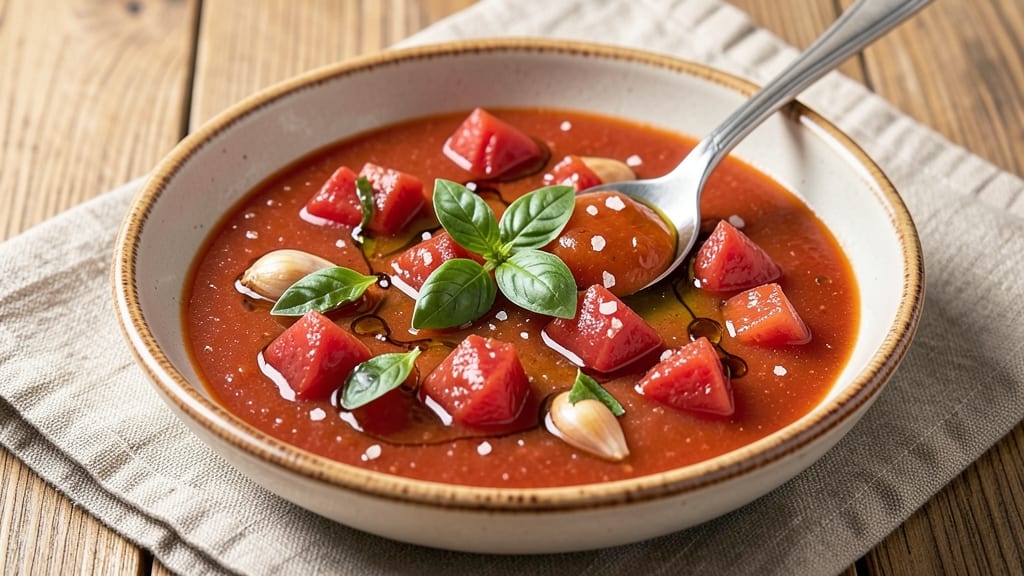
This authentic Italian tomato pasta sauce transforms simple ingredients into a restaurant-quality foundation for your favorite dishes. The secret lies in slow-simmered San Marzano tomatoes, garlic, and fresh basil—no shortcuts, just time-honored technique that builds deep, umami-rich flavor layer by layer.
I developed this recipe after years of testing regional variations, and it delivers that perfect balance of acidity, sweetness, and herbal brightness that defines Italian cooking.
The magic happens during the 30-minute simmer, where the tomatoes break down into a velvety consistency while absorbing the aromatics. Unlike quick sauces that rely on canned tomatoes or excessive salt, this version uses just a few quality ingredients: ripe tomatoes, fresh garlic, olive oil, and basil.
The result is a sauce that's versatile enough for pasta, meat, or vegetables but always maintains that authentic Italian soul.
What sets this sauce apart is its authentic depth—no added sugar or salt masks the natural flavors. The slow cooking process caramelizes the tomatoes slightly, creating a sauce that's rich yet light, with just the right balance of acidity from fresh basil.
It's the kind of sauce that makes even the simplest pasta dish feel like a night out in Rome.
Store it in the refrigerator for up to 5 days or freeze for months—this sauce only gets better with time as the flavors meld. Pair it with your favorite pasta, use it as a marinade for grilled meats, or drizzle it over roasted vegetables.
Here's how to make it from scratch.
Ingredients for authentic italian pasta sauce recipe tomato
San Marzano tomatoes and fresh basil are your flavor anchors—simple, but never boring.
| Ingredient | Amount | Notes |
|---|---|---|
| San Marzano Tomatoes 🍅 | 28 oz | Whole, crushed by hand |
| Extra-Virgin Olive Oil 🫒 | ½ cup | High-quality, fruity variety |
| Garlic Cloves 🧄 | 4 cloves | Fresh, peeled, thinly sliced |
| Fresh Basil Leaves 🌿 | 1 cup | Packed, stems removed |
| Red Wine Vinegar 🍷 | 1 tbsp | For brightness, optional |
| Sea Salt 🧂 | 1 tsp | Diamond Crystal preferred |
| Freshly Ground Black Pepper 🌶️ | ½ tsp | For depth of flavor |
| Dried Oregano 🍃 | ½ tsp | Italian or Mediterranean blend |
The San Marzano tomatoes are non-negotiable here. Look for the plump, slightly ribbed ones at Whole Foods or Trader Joe's—they're sweeter and less acidic than regular tomatoes. If you can't find them, San Marzano cans work in a pinch, but fresh is always better. The olive oil should be fruity and peppery—California Extra Virgin or Italian brands like Bertolli or Filippo Berio elevate this sauce. Fresh basil is ideal, but if you're using dried, reduce to one-third the amount and add it at the end. The garlic cloves should be plump and firm, not sprouting—store them in the fridge for maximum freshness.
No red wine vinegar? Balsamic vinegar at half the amount works, but you'll lose some brightness. Fresh basil wilting? Stem it, wrap in damp paper towels, and store in a bag in the fridge for up to 5 days. The oregano can be swapped for fresh marjoram if you're feeling fancy, but dried works fine too. For extra depth, toast the garlic cloves in olive oil for 30 seconds before adding them—trust me on this. And if you're using canned tomatoes, drain and rinse them to remove excess acidity.
This sauce tastes even better the next day as the flavors meld. Store it in an airtight glass jar in the fridge for up to 5 days, or freeze for 3 months. I like to portion it into ice cube trays for single-use portions—perfect for quick pasta nights. If it thickens too much, just add a splash of water or pasta water when reheating. The key is patience—don't rush the simmer, or you'll lose that authentic Italian soul.
Why You'll Love This Recipe
- Here’s what sold me: a jar of San Marzano tomatoes and a bottle of olive oil last me months, and the fresh basil? A few leaves go a long way. It’s the kind of recipe that feels fancy but costs next to nothing—leftovers taste just as good the next day, reheated gently.
- No-Fuss Simplicity: I swear by this sauce because it’s the kind of recipe that doesn’t demand perfection—just a pot, a knife, and 20 minutes. Slice garlic, crush tomatoes, and let the stove do the work while you sip wine and pretend you’re in a Tuscan kitchen.
- San Marzano Magic: That first bite of al dente pasta with this sauce? It’s the kind of flavor that makes you pause mid-chew. The San Marzano tomatoes sweeten as they cook, balancing the sharp kick of garlic and the bright pop of red wine vinegar—no heavy cream, no shortcuts, just pure, honest taste.
- Weeknight Workhorse: Between us, this sauce is my go-to for everything: a quick dinner, a potluck side, or even a lazy Sunday brunch. Toss it with pasta, drizzle it over grilled chicken, or slather it on crusty bread—it’s the one sauce that never lets you down.
Step-by-step instructions for authentic Italian tomato pasta sauce
Here's how to craft a sauce that tastes like Nonna's—deep, balanced, and bursting with San Marzano sweetness.
Prepare the Tomatoes for Maximum Flavor
Start by crushing the 28 oz San Marzano Tomatoes by hand—this preserves their delicate texture and natural juices. I like to use my fingers to break them into large chunks while leaving some seeds intact; this creates a silky sauce without losing body. Transfer the crushed tomatoes to a large, heavy-bottomed saucepan and set aside.
Real talk: don't skip the crushing step. Whole tomatoes won't break down properly, leaving you with a chunky, uneven sauce. The goal is to release those sweet, acidic juices that form the sauce's foundation. If you're short on time, you can use a potato masher, but hand-crushing gives you more control over the texture.
Build the Sauce Base with Olive Oil and Aromatics
Heat the 0.5 cup Extra-Virgin Olive Oil over medium-low heat in the same saucepan. Add the 4 cloves Garlic Cloves and cook for 2-3 minutes until they're fragrant but not browned—this prevents bitterness. Here's the thing: garlic burns fast, so keep an eye on it. You want to smell that sweet, nutty aroma without any harshness.
Now add the 1 tsp Sea Salt and 0.5 tsp Freshly Ground Black Pepper, stirring to combine. The salt should dissolve completely, enhancing every flavor component. This is where the magic starts—these simple seasonings form the backbone of the sauce. Let the mixture simmer gently for 5 minutes to allow the flavors to meld before moving to the next step.
Simmer the Sauce Until Deep and Concentrated
Pour in the crushed tomatoes and stir well to incorporate all the aromatics. Bring the mixture to a gentle boil, then reduce the heat to low and let it simmer uncovered for 45-60 minutes. This long, slow cook is non-negotiable—it develops the sauce's depth and allows excess moisture to evaporate, concentrating the flavors.
Stir occasionally, especially in the first 20 minutes, to prevent sticking. You're looking for a sauce that coats the back of a spoon with a velvety texture. The color should darken to a rich, rustic red, and the aroma should be intense—like a cross between sweet tomatoes and earthy garlic. If it gets too thick, add 1-2 tablespoons of water to loosen it slightly.
Finish with Herbs and Acid for Brightness
About 15 minutes before the sauce is complete, stir in the 0.5 tsp Dried Oregano and 1 tbsp Red Wine Vinegar. The oregano adds an earthy depth, while the vinegar brightens the sauce with a touch of acidity. This balance is what makes the sauce authentic—Italian cooks rarely rely on sugar to balance acidity.
In the final 5 minutes, add the 1 cup Fresh Basil Leaves, torn by hand. The basil should wilt slightly but remain vibrant, infusing the sauce with its signature aroma. Taste and adjust seasoning—you might need a pinch more salt or a crack of pepper to perfect the balance. The sauce should be rich but not overpowering, with bright tomato flavor shining through.
Rest and Serve for Peak Flavor
Remove the sauce from heat and let it rest for 10-15 minutes before serving. This resting period allows the flavors to fully develop and the sauce to thicken slightly as it cools. I know it's tempting to serve it immediately, but patience here makes all the difference.
Serve the sauce over al dente pasta (about 2 oz per person) and toss gently to coat. The sauce should cling beautifully to each strand, with a glossy sheen that speaks to its quality. Garnish with additional fresh basil if desired, but trust me—the sauce already carries its own herbaceous charm. This is the kind of sauce that tastes even better the next day, so don't hesitate to make extra for leftovers.
Pro Tips For Making Authentic Italian Pasta Sauce Recipe Tomato
- Crush Those Tomatoes: Grab a wooden spoon and press the whole San Marzano tomatoes against the pot’s sides—no blender needed. This breaks down the flesh faster and gives you that silky, rustic texture without watery dilution. (Yes, it looks like you’re smashing a bug, but it works.)
- Sweat the Garlic: Cook the garlic in olive oil over low heat until it’s golden—not brown, not crispy, just perfumed. If you rush it, you’ll get bitter flavor. My grandmother called this "the difference between dinner and disaster."
- Skip the Vinegar Early: Add red wine vinegar at the very end—just a splash—to brighten the sauce, not sour it. Dump it in too soon, and you’ll end up with a sharp, unfinished flavor instead of that balanced, tangy finish.
- Salt the Water First: Boil your pasta water with a full tablespoon of salt before adding the tomatoes. The sauce will absorb that seasoning as it simmers, making every bite taste like it’s been kissed by the Mediterranean. (Trust me, your pasta will thank you.)
Best sauces and condiments for this authentic italian pasta sauce recipe tomato
Classic Marinara
This is the foundational sauce you'll use for most Italian pasta dishes. Start with the same base of San Marzano tomatoes, garlic, and olive oil, but reduce the simmer time to 30 minutes for a lighter, brighter sauce.
Add 1 tbsp red wine vinegar at the end for brightness and ½ cup fresh basil just before serving. This version is perfect for spaghetti or linguine—it coats beautifully without overpowering. 🌿
Creamy Pomodoro
For a richer texture, stir in ½ cup heavy cream or mascarpone during the final 5 minutes of simmering. The cream should melt smoothly into the sauce, creating a velvety consistency that pairs beautifully with fettuccine or pappardelle.
Add a pinch of nutmeg for warmth and finish with fresh parsley instead of basil. This sauce feels indulgent but stays true to Italian roots.
Spicy Arrabbiata
Transform your sauce into a fiery arrabbiata by adding 1-2 tbsp Calabrian chili paste (like Bronto) or 1 tsp red pepper flakes during the simmer. For extra heat, toss in 1-2 fresh chili peppers (like fresno or serrano) when crushing the tomatoes.
This sauce is bold enough for rigatoni or orecchiette—the heat cuts through the richness of the pasta. Garnish with extra virgin olive oil and flaky sea salt for balance. 🌶️
Herb-Infused Agrodolce
This sweet-and-sour variation is inspired by Roman cuisine. Add 1 tbsp balsamic vinegar and 1 tsp honey (or agave) during the final 10 minutes of simmering. Stir in 1 tsp dried rosemary and ½ tsp fennel seeds for depth.
The result is a balanced sauce that works wonderfully with tonnarelli or as a dipping sauce for grilled meats. The acidity and sweetness make it incredibly versatile.
Garlic-Intense Aglio e Olio
For a Neapolitan-style sauce, increase the garlic to 6 cloves and reduce the tomatoes to 14 oz. Simmer for 20 minutes and finish with 1 tbsp lemon zest and ½ tsp crushed red pepper.
This sauce is all about the garlic and olive oil—it's bold, punchy, and perfect for spaghetti or bucatini. Serve with crispy garlic croutons on the side for extra texture. 🧄
White Wine Reduction
Deglaze the pan with ½ cup dry white wine after cooking the garlic (but before adding tomatoes). Let the wine reduce by half before adding the crushed tomatoes. The wine adds a subtle citrusy brightness that elevates the sauce, making it ideal for pasta with seafood or grilled chicken.
Finish with fresh thyme instead of basil for a different herbal note. This variation is a game-changer for special occasions. 🍷
Nutrition facts
Frequently asked questions
Why do Italian recipes specify San Marzano tomatoes?
San Marzano tomatoes are the gold standard for Italian sauces because they're naturally sweeter, less acidic, and have fewer seeds than regular tomatoes. Their thick flesh breaks down beautifully during simmering, creating a velvety texture without watering down the sauce. The flavor profile is more balanced, with just the right amount of natural sweetness that makes this sauce shine.
Can I make this sauce without fresh basil?
Yes, but the flavor will be different! Use 1 teaspoon dried basil instead, but add it during the final 5 minutes of cooking. For extra depth, try a mix of dried basil and oregano (½ tsp each). The key is to balance the herbs—fresh basil adds vibrant aroma that dried can't fully replicate, but it's better than skipping it entirely.
How do I fix a sauce that's too thick or too thin?
For a thick sauce, add 1-2 tablespoons of water or pasta water while reheating—stir well and simmer for 5 minutes to let it absorb. If it's too thin, simmer uncovered for 10-15 minutes longer to reduce the liquid. Never use flour or cornstarch—Italian sauces rely on natural thickening from slow cooking.
What's the best pasta to pair with this sauce?
This sauce works beautifully with spaghetti, linguine, or fettuccine—long pasta shapes that let the sauce cling perfectly. For a rustic touch, try bucatini or rigatoni. The key is al dente pasta (about 1 minute less than package instructions) so it doesn't turn mushy when tossed.
Can I freeze this sauce for later?
Portion the sauce into airtight containers or ice cube trays (for single servings) and freeze for up to 3 months. Thaw overnight in the fridge—never microwave directly from frozen. The flavors actually improve after freezing as the ingredients meld further. Just reheat gently on the stove with a splash of water if needed.