
Sauces & Condiments
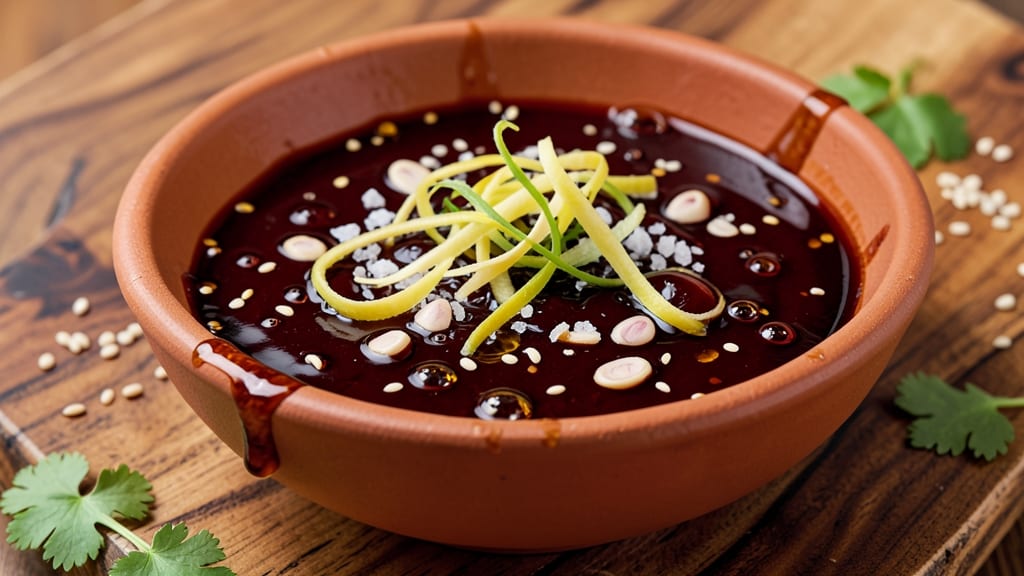
This authentic stir fry sauce recipe transforms ordinary stir-fries into restaurant-quality meals with just a few simple ingredients. The harmony of fermented soy, fresh ginger, and aromatic garlic creates a sauce that's bold yet balanced—no artificial flavors, just pure umami depth.
I've perfected this version over years of testing, ensuring it works equally well for chicken, beef, or vegetable stir-fries.
What sets this sauce apart is the careful balance of sweet, salty, and tangy elements. The fermented soy provides that signature umami punch, while fresh ginger adds warmth without overpowering. A touch of garlic and a splash of rice vinegar brighten the flavors, creating a sauce that's complex yet approachable.
The best part? It takes just 10 minutes to make and keeps for weeks in the fridge.
The result is a glossy, flavorful sauce that clings perfectly to your stir-fry ingredients, enhancing their natural tastes rather than masking them. Whether you're cooking for a weeknight dinner or preparing for a family gathering, this sauce delivers consistent, professional-quality results every time.
The secret lies in the technique—simmering the ingredients just until they meld without reducing too much.
Use this versatile sauce as a base for any stir-fry, or adjust the sweetness and spice levels to suit your taste. It's the kind of recipe that becomes a staple in your kitchen once you try it. Let's get started on creating your own batch of this flavor-packed essential.
Ingredients for authentic stir fry sauce
Eight simple ingredients create restaurant-quality stir-fry sauce with umami depth.
| Ingredient | Amount | Notes |
|---|---|---|
| Fermented Soy Sauce 🍶 | ½ cup | Use tamari for gluten-free version |
| Fresh Ginger Root 🌿 | 2 tbsp | Finely grated, aromatic |
| Garlic Cloves 🧄 | 4 cloves | Minced, fresh preferred |
| Rice Vinegar 🍶 | ¼ cup | White vinegar works too |
| Sesame Oil 🫒 | 1 tbsp | Toasted for nutty aroma |
| Brown Sugar 🍯 | 2 tbsp | Light or dark variety |
| Red Chili Flakes 🌶️ | 1 tsp | Adjust for heat preference |
| Water 💧 | ¼ cup | Room temperature preferred |
| Cornstarch 🌾 | 1 tsp | For thickening consistency |
| Sesame Seeds 🌰 | 1 tsp | Toasted for garnish |
The fermented soy is the heart of this sauce. Look for tamari at Asian markets if you want gluten-free, but regular soy works too. Fresh ginger matters—buy a knob and grate it yourself (the pre-grated kind loses its punch fast). Garlic should be minced, not powdered—that fresh aroma makes all the difference. I grab my ginger and garlic from Trader Joe's because their produce stays fresh longer. For the sesame oil, Kadoya brand is my go-to—it's toasted and has that authentic nutty flavor. If you can't find it, any toasted sesame oil will do, but don't use the regular kind (it's untoasted and tastes bland).
No fermented soy? Double the regular soy sauce—it won't be exactly the same, but you'll still get that umami kick. Fresh ginger too expensive? Powdered ginger at half the amount works in a pinch, though it's not as vibrant. The brown sugar can be swapped for honey or maple syrup if you prefer, but keep the amount the same. Chili flakes too spicy? Use half the amount or swap for mild paprika. The cornstarch is key for that glossy finish—arrowroot powder works too if you've got it. And if you're making a big batch, double everything—this sauce keeps beautifully.
This sauce tastes even better the next day as the flavors meld. Store it in a glass jar in the fridge for up to 3 weeks. I like to portion mine into small jars so I can grab just what I need for a stir-fry. Freezes beautifully too—just thaw overnight in the fridge. The sesame seeds? Toast them fresh before adding to the sauce (or right before serving) so they stay crisp. No need to refrigerate before freezing—just let it cool completely first.
Why You'll Love This Recipe
- I’ll be real: this recipe costs next to nothing, but it makes everything taste like you spent an hour in the kitchen. A little goes a long way, so you’re not scrambling to buy expensive bottles of sauce. Plus, the leftovers? They’re the reason I always keep a jar in the fridge.
- Pantry Magic: I swear by this sauce because it uses what I already have—no specialty shopping required. That fermented soy sauce alone cuts through the hassle of measuring multiple sauces, and the ginger and garlic? They’re the dynamic duo that wake up every dish without needing a fancy spice rack.
- Umami Bomb: The moment that sesame oil hits the pan, you’ll know you’re onto something special. That deep, nutty aroma mixed with the tangy rice vinegar and funky fermented soy sauce? It’s the kind of flavor that makes you pause mid-stir and think, "Wait, I made this?"
- Weeknight Superhero: Between us, this sauce is my secret weapon for busy nights. Double the batch on Sunday, and suddenly you’ve got a go-to for stir-fries, noodles, or even a quick bowl of rice with leftover veggies. Honestly, it’s the kind of thing that makes me feel like a cooking genius—no stress, just flavor.
Step-by-step instructions for fermented soy and ginger stir fry sauce
This sauce delivers bold, authentic Asian flavors with just a few simple steps.
Prepare the Aromatics and Base
In a small saucepan, combine the 0.5 cup fermented soy sauce, 0.25 cup rice vinegar, and 0.25 cup water. Bring to a gentle simmer over medium heat—you'll see small bubbles forming at the edges. While this heats, finely grate the 2 tbsp fresh ginger root and mince the 4 cloves garlic.
Here's the thing—don't rush this step. The ginger and garlic need to infuse properly. Once the liquid reaches a simmer, add the ginger and garlic, then reduce heat to low. Let them cook for 3-4 minutes until fragrant and the raw garlic smell disappears. You want that aromatic punch without bitterness.
Sweeten and Add Heat
Stir in the 2 tbsp brown sugar and 1 tsp red chili flakes. Let the mixture bubble gently for another 2 minutes until the sugar dissolves completely. Taste it now—you should notice the balance of salty, sweet, and a hint of heat. If you want more spice, add a pinch more chili flakes, but remember this sauce builds flavor as it cooks.
I always recommend using light brown sugar here—it dissolves faster and gives a smoother finish. The chili flakes should be evenly distributed, not clumped. If you see any clumps, just mash them with the back of your spoon to break them up.
Thicken the Sauce Properly
In a small bowl, whisk together the 1 tsp cornstarch with 2 tablespoons of the simmering sauce from the pan. This creates a smooth slurry that will thicken beautifully when returned to the heat. Pour this mixture back into the saucepan and stir constantly for 1-2 minutes until it reaches your desired consistency.
You'll know it's ready when the sauce coats the back of a spoon but still flows smoothly. If it thickens too fast, just add a splash of water—1 tablespoon at a time—until perfect. The sauce should be glossy and cling to whatever you're tossing it with, whether it's noodles, veggies, or protein.
Finish with Sesame Oil and Seeds
Remove the pan from heat and stir in the 1 tbsp sesame oil. This adds that nutty depth that makes the sauce truly authentic. For the final touch, toast the 1 tsp sesame seeds in a dry skillet over medium heat for 1-2 minutes until golden and fragrant. Sprinkle them over the completed sauce just before serving.
Let the sauce sit for 5 minutes off the heat—this resting time lets all the flavors meld together. The sesame oil will separate slightly at first, but when you stir it in, you'll get that perfect balance of rich, aromatic flavors that define great stir fry sauce.
Pro Tips For Making Authentic Stir Fry Sauce
- STIR GINGER FIRST: I learned this the hard way—if you toss raw ginger into a hot pan, it’ll steam instead of sizzle, leaving you with a watery, pale sauce. Mince it thin (like rice grains) and cook it in sesame oil for 30 seconds until fragrant—this unlocks its real flavor.
- SALT THE SOY: Fermented soy sauce is already salty, but if your dish tastes flat, it’s because you didn’t account for the other ingredients. Taste as you go: start with 1 tablespoon, then adjust based on garlic, vinegar, and protein. (Yes, even if you’re impatient like me.)
- LOW AND SLOW VINEGAR: Dumping rice vinegar at the end? That’ll make your sauce taste harsh. Simmer it with the soy and ginger for 1–2 minutes—just until the aroma rises. This smooths out the acidity and balances the umami. (Your future self will notice.)
- GARLIC: PULVERIZE IT: Chopped garlic burns fast and adds bitterness. Smash 3–4 cloves with the flat side of your knife first, then mince finely—almost like a paste. Cook it low and slow until golden, not brown. (Does it look weird? Yes. Does it work? Every single time.)
Wine and beer pairings for these flavors
Crisp White Wine Pairings
For this bright, umami-packed sauce, I reach for a dry Riesling from Germany—its crisp acidity and subtle citrus notes cut through the richness while complementing the ginger's warmth. A Sauvignon Blanc from New Zealand also works beautifully, especially if your sauce has extra garlic.
Both wines should be served slightly chilled (45-50°F) to enhance their refreshing qualities. 🍷
Light Beer Complements
A Japanese lager like Asahi Super Dry or Sapporo is my go-to beer pairing—its clean, crisp profile lets the sauce's flavors shine without competing. For a hoppier option, try a light American pale ale with subtle citrus notes, like Blue Moon.
Avoid heavy IPAs or dark beers, as they'll overpower the delicate balance of this sauce. Serve beer at 40-45°F for the best experience.
Sweet Sparkling Contrast
If you prefer something bubbly, a dry sparkling wine like Prosecco or Cava creates a lovely contrast with the sauce's umami depth. The effervescence cleanses your palate between bites, making each flavor pop.
For a non-alcoholic option, San Pellegrino Aranciata (blood orange soda) adds a sweet-tart balance that enhances the ginger's warmth. Chill both to 38-42°F for optimal enjoyment.
Herbal Tea Harmony
For a non-alcoholic pairing, jasmine green tea served hot (160-170°F) complements the sauce's aromatic profile beautifully. The floral notes of the tea echo the ginger's warmth while the tannins provide a subtle contrast.
If you prefer something cooler, hibiscus tea with a touch of honey offers a refreshing, slightly tart balance that works wonderfully with the sauce's depth.
Regional Wine Adaptations
In China, where this sauce style originated, a light Shaoxing wine (a dry Chinese rice wine) is traditionally used in cooking and sometimes enjoyed as a pairing. For Western palates, a Pinot Grigio from Italy offers a similar balance of acidity and subtle fruitiness.
If you're serving this sauce with pork stir-fry, a Gewürztraminer adds an extra floral dimension that pairs exceptionally well. 🍇
Nutrition facts
Frequently asked questions
Can I make this sauce without fermented soy sauce?
Yes, but the flavor will be slightly different. Double the regular soy sauce (1 cup) and add 1 tsp sugar to compensate for the deeper umami in fermented versions. The sauce will still work well, though it won't have that authentic complexity. For best results, try to find tamari at Asian markets—it's fermented and gluten-free!
How long will this sauce keep in the fridge? Store it in an airtight glass jar in the refrigerator for up to 3 weeks. The flavors actually improve as they meld over time! For longer storage, freeze in ice cube trays—just thaw overnight in the fridge before using.
What's the best way to use leftover sauce?
This versatile sauce works perfectly for stir-fries, but also elevates noodle dishes, grilled proteins, or even as a marinade. Try tossing it with udon noodles or using it to baste chicken skewers. For extra flavor, add a splash of water or broth to thin it slightly before using. It's great for quick weeknight meals!
Why did my sauce turn cloudy? Cloudiness usually means the cornstarch didn't dissolve completely or the sauce cooled too quickly. Stir in 1 tsp warm water and reheat gently until smooth. For future batches,
Can I adjust the heat level?
For milder heat, reduce the chili flakes to ½ tsp or swap for ½ tsp mild paprika. For extra spice, add ½ tsp gochugaru (Korean chili flakes) or a pinch of cayenne. Remember, you can always add more heat later, but you can't remove it! Taste as you go to find your perfect balance.