
Sauces & Condiments
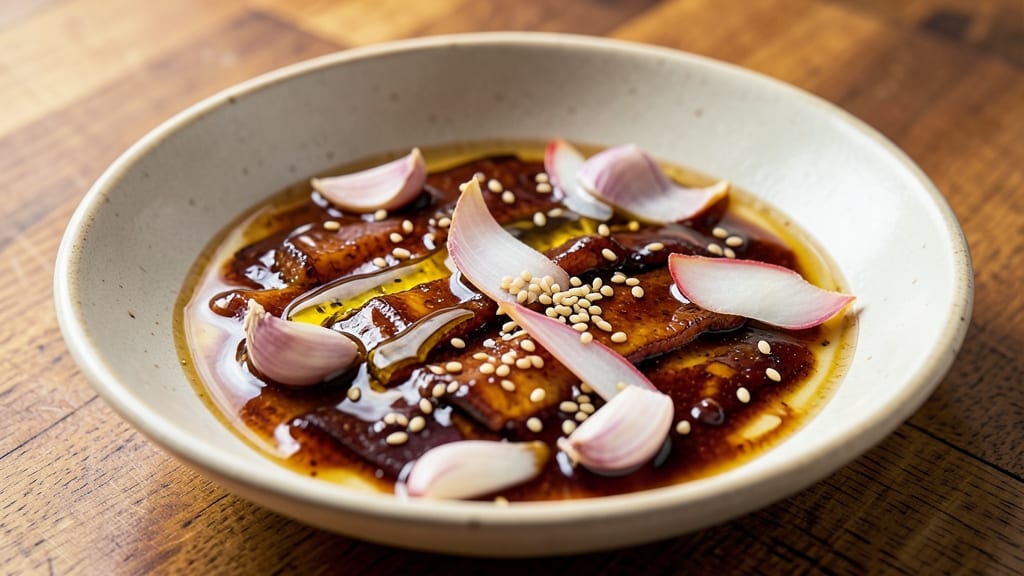
Barbecue stir fry sauce transforms ordinary stir-fries into smoky-sweet masterpieces with just a few pantry staples. I developed this recipe after years of perfecting the balance between sweet caramelization and deep umami—something that elevates everything from chicken to tofu. The secret lies in the slow reduction of soy, hoisin, and brown sugar, which creates that signature sticky glaze with layers of complexity.
What sets this sauce apart is its versatility—it works as a marinade, stir-fry base, or finishing glaze, depending on how long you reduce it. The combination of garlic, ginger, and a touch of chili adds brightness while keeping the smoky-sweet profile intact.
Unlike store-bought versions, this recipe delivers restaurant-quality depth without artificial flavors.
When you're done, you'll have a glossy, aromatic sauce that clings beautifully to proteins and vegetables, creating caramelized edges and tender centers. The umami kick from soy and hoisin ensures every bite is satisfying, while the brown sugar adds just the right amount of sweetness to balance the heat.
Best of all, this sauce keeps well in the fridge for up to two weeks or can be frozen for months—making it the perfect pantry staple for quick weeknight meals.
Whether you're cooking up a traditional stir-fry or experimenting with modern fusion dishes, this sauce will become your go-to flavor booster.
Ingredients for barbecue stir fry sauce
Nine pantry staples transform into a restaurant-worthy barbecue stir fry sauce with smoky-sweet umami depth.
| Ingredient | Amount | Notes |
|---|---|---|
| Soy Sauce 🍶 | ½ cup | High-quality, preferably Japanese |
| Hoisin Sauce 🍶 | ½ cup | For authentic umami depth |
| Brown Sugar 🍚 | ½ cup | Packed firmly for caramelization |
| Apple Cider Vinegar 🍏 | ¼ cup | For tangy brightness |
| Garlic Cloves 🧄 | 6 cloves | Minced finely for aromatic punch |
| Fresh Ginger 🌿 | 2 tbsp | Grated, for zesty kick |
| Smoked Paprika 🌶️ | 1 tbsp | For signature smoky flavor |
| Red Chili Flakes 🔥 | 1 tsp | Adjust for desired heat |
| Sesame Oil 🫒 | 1 tbsp | Toasted, for nutty aroma |
| Water 💧 | ¼ cup | For thinning consistency |
The sauce's soul lies in its soy-hoisin-brown sugar trio—Kikkoman soy sauce and Lee Kum Kee hoisin are my go-tos, but any quality brands work. Brown sugar needs to be packed firmly for that perfect caramelization. For the garlic, peel and mince fresh—jarred minced garlic lacks the aromatic punch. Ginger should be freshly grated (the kind in tubes is a sad substitute). Smoked paprika from Penzeys or a well-stocked spice aisle delivers that authentic smoky flavor without artificial aftertaste. The sesame oil? Toast it first—heat it in a dry pan for 30 seconds to deepen its nutty aroma.
No hoisin sauce? Substitute 2 tbsp soy sauce plus 1 tbsp molasses—it won't be identical, but close. Short on brown sugar? Maple syrup works in a pinch, though it adds a different depth. The chili flakes can be swapped for 1/2 tsp cayenne pepper if you prefer a smoother heat. For a vegetarian version, ensure your soy sauce is vegan (some contain fish). The water is key—add it gradually while reducing to hit your desired consistency. This sauce gets better the next day as flavors meld, so make extra if you can.
Store in an airtight jar in the fridge for up to 2 weeks—the flavors deepen over time. For longer storage, freeze in ice cube trays, then transfer to a bag. Thaw overnight in the fridge. The sauce reheats beautifully—just warm gently on the stove or microwave. Double batches are worth it: this sauce transforms everything from grilled chicken to roasted Brussels sprouts. Keep a jar in your fridge for spontaneous weeknight stir-fries—it's the secret weapon that turns simple ingredients into something extraordinary.
Why You'll Love This Recipe
- Pantry Magic: I swear, this sauce needs nothing but what’s already lurking in my cabinets. No specialty shopping, no forgotten spices—just soy, hoisin, and a splash of vinegar that brightens everything up.
- Sweet-Savory Bomb: That first bite? Chef’s kiss. The brown sugar caramelizes just enough to cut through the tangy vinegar, while the garlic—oh man—roasted or raw, it’s the perfect little punch of heat that makes this sauce unforgettable.
- Weeknight Swiss Army: Drizzle it over takeout noodles, toss it with frozen stir-fry veggies, or slather it on grilled chicken. Honestly, I’ve used it as a dipping sauce for dumplings, a glaze for tofu, and even a quick marinade—it’s the one sauce that does it all.
- Leftovers That Don’t Suck: Make a double batch (it keeps for weeks in the fridge) and thank me later. The flavors only get better as it sits, and a splash of water thins it out perfectly for next week’s lazy dinner. Zero waste, all win.
Step-by-step instructions for smoky-sweet barbecue stir fry sauce
Here's how to craft a bold, balanced sauce that delivers deep umami and caramelized sweetness every time.
Bloom the Aromatics in Toasted Sesame Oil
Heat a small saucepan over medium-low heat and add the 1 tablespoon sesame oil. Let it warm for 30 seconds until fragrant—you'll smell that nutty aroma that'll become the sauce's signature note. This is where the flavor foundation begins.
Add the 6 cloves minced garlic and 2 tablespoons grated fresh ginger, stirring constantly for 30 seconds until the garlic turns pale golden. Be careful not to let it brown—just enough to release those aromatic oils. Remove from heat immediately to prevent bitterness. This step is what transforms a simple sauce into something truly complex.
Build the Base with Vinegar and Sugar
Return the pan to medium heat and add the 0.25 cup apple cider vinegar. Let it simmer for 2 minutes until slightly reduced by half—this concentrates the tangy brightness that'll cut through the richness. You'll see the vinegar's acidity start to mellow as it cooks down.
Next, whisk in the 0.5 cup packed brown sugar and the 1 tablespoon smoked paprika. Stir constantly for 3-4 minutes until the sugar begins to caramelize and the mixture thickens slightly. You're looking for a deep amber color here—that's where the sauce gets its irresistible sweetness and smoky depth. If it starts to stick, add 1 tablespoon water to help it release from the pan.
Incorporate the Umami Powerhouses
Reduce heat to low and stir in the 0.5 cup soy sauce and 0.5 cup hoisin sauce simultaneously. The sauce will bubble vigorously as the sugars and acids react. Let it simmer gently for 2-3 minutes until the mixture thickens to a glossy consistency—it should coat the back of a spoon but still be pourable.
Here's where the magic happens: The soy sauce brings that classic umami punch while the hoisin adds its signature sweet-savory complexity. Taste at this stage—you should notice a perfect balance of sweet, salty, and slightly tangy flavors. If it's too thick, add the remaining 0.125 cup water (about 2 tablespoons) to reach your desired consistency.
Finish with Heat and Rest
Remove from heat and stir in the 1 teaspoon red chili flakes. Let the sauce sit off the heat for 5 minutes—this resting period allows all the flavors to meld together. You'll notice the sauce will thicken slightly more as it cools, which is perfect for stir frying.
Strain the sauce through a fine-mesh sieve if you prefer a completely smooth texture, or leave it slightly textured for that authentic restaurant-style finish. The sauce should have a glossy sheen and maintain its vibrant color. This smoky-sweet glaze works perfectly over grilled meats, stir-fried vegetables, or even as a dipping sauce for spring rolls.
Pro Tips For Making Barbecue Stir Fry Sauce
- Mince Garlic Like You Mean It: I used to crush garlic cloves with the flat of my knife—now I slice them thinly first, then mince. This releases more flavor without burning, and you’ll taste the difference in every spoonful of sauce. (Yes, it takes 30 seconds longer, but the sauce sings.)
- Simmer Low and Slow: After adding vinegar and sugar, resist the urge to blast the heat. A gentle simmer for 5-7 minutes lets the sugar caramelize properly—no grainy bits, just deep, balanced sweetness. I learned this the hard way when my sauce turned into syrup glue.
- Balance the Vinegar: Apple cider vinegar adds tang, but too much kills the sauce. Start with 1 tablespoon, taste, then add another if needed. The goal is brightness, not pucker—trust your palate, not the recipe’s numbers.
- Use Dark Soy for Depth: Swap half the soy sauce for dark soy sauce if you have it. The molasses notes cut through the garlic’s sharpness and add a smoky richness that regular soy can’t match. (No dark soy? A pinch of molasses works in a pinch.)
Flavor customization for this barbecue stir fry sauce
Sweet Heat Balance
Adjust the sweet-to-heat ratio based on your preference. For a milder version, reduce the red chili flakes to ½ tsp or swap them for ½ tsp ground white pepper—it adds subtle heat without color.
If you love spice, increase to 1½ tsp chili flakes and add a pinch of cayenne pepper for extra kick. I often make two batches: one with 1 tsp chili flakes for everyday use and another with 2 tsp for spicy stir-fries. 🌶️
Smoky Depth Variations
Swap the smoked paprika for 1 tbsp liquid smoke (like Colossal Smokehouse) for an intense smoky flavor—just be cautious, as it's potent. For a more complex profile, add ½ tsp chipotle powder or 1 tsp gochujang (Korean chili paste) for a fusion twist.
I once used ½ tsp coffee granules dissolved in the vinegar to deepen the umami—it worked surprisingly well. 🔥
Sweetness Adjustments
Need less sweetness? Replace ¼ cup brown sugar with ¼ cup honey or maple syrup—they add moisture and a floral note. For a caramelized depth without sugar, add 1 tbsp molasses to the soy-hoisin mix.
If you prefer a fruitier profile, stir in 1 tbsp orange zest or 1 tsp vanilla extract during the final resting phase. 🍯
Umami Boosters
For extra umami, add 1 tbsp fish sauce (if vegetarian, use 1 tbsp coconut aminos) or 1 tsp mushroom powder to the base. I also love stirring in 1 tbsp miso paste during the final simmer for a fermented depth.
If you have duck fat from roasting, replace the sesame oil with 1 tbsp duck fat for a richer texture. 🍄
Texture Tweaks
For a thicker glaze, reduce the sauce longer or add 1 tsp cornstarch mixed with 1 tbsp water at the end. Need it thinner? Add 1-2 tbsp water or broth while reheating.
For a chunky texture, skip straining and leave in the minced garlic and ginger—it adds a rustic, aromatic bite. I sometimes blend in 1 tbsp toasted sesame seeds for crunch. ✨
Fusion Flavors
Give it a Thai-inspired twist by adding 1 tbsp fish sauce and ½ tsp lemongrass paste. For a Mexican fusion, stir in 1 tsp cumin and ½ tsp oregano after cooking.
A Japanese-inspired version swaps hoisin for 1 tbsp mirin and adds ½ tsp furikake at the end. These tweaks keep the smoky-sweet core while adding exciting new layers. 🗺️
Nutrition facts
Frequently asked questions
Can I make this sauce without hoisin?
Yes! For a quick substitute, mix 2 tablespoons soy sauce with 1 tablespoon molasses—it won't be identical, but will add similar sweet-savory depth. For a more authentic alternative, use 1 tablespoon soy sauce plus 1 tablespoon plum sauce. The sauce will still deliver that signature umami kick, just with slightly different complexity.
How long should I reduce the sauce for a thicker glaze?
For a thicker, more concentrated glaze, reduce the sauce uncovered on low heat for an additional 5-10 minutes after it reaches your desired consistency. Stir occasionally and add 1 tablespoon water at a time if it gets too thick. The perfect stir-fry glaze should coat the back of a spoon but still be pourable—this usually takes about 15-20 minutes total of simmering.
Can I use this sauce as a marinade?
This sauce makes an excellent marinade for chicken, pork, or tofu. For best results, marinate proteins for at least 2 hours (or overnight for deeper flavor). Use ½ cup sauce per pound of meat, reserving some for basting. The smoky-sweet profile works particularly well with grilled meats, creating beautiful caramelized edges. Just pat the meat dry before cooking for better browning.
What's the best way to store leftovers?
Store in an airtight container in the refrigerator for up to 2 weeks—the flavors actually improve as they meld. For longer storage, freeze in ice cube trays, then transfer to a freezer bag. Thaw overnight in the fridge before using. The sauce reheats beautifully—simply warm gently on the stove or microwave until hot. Pro tip: Make a double batch—this sauce disappears fast!
Why did my sauce turn out too sweet?
This usually happens when the sugar caramelizes too much or when the sauce reduces too quickly. To fix it, stir in 1 teaspoon apple cider vinegar or lemon juice to balance the sweetness. For future batches, reduce heat slightly during caramelization and taste frequently. The ideal ratio is 1 part vinegar to 2 parts sugar—this creates that perfect tangy-sweet balance.