
Sauces & Condiments
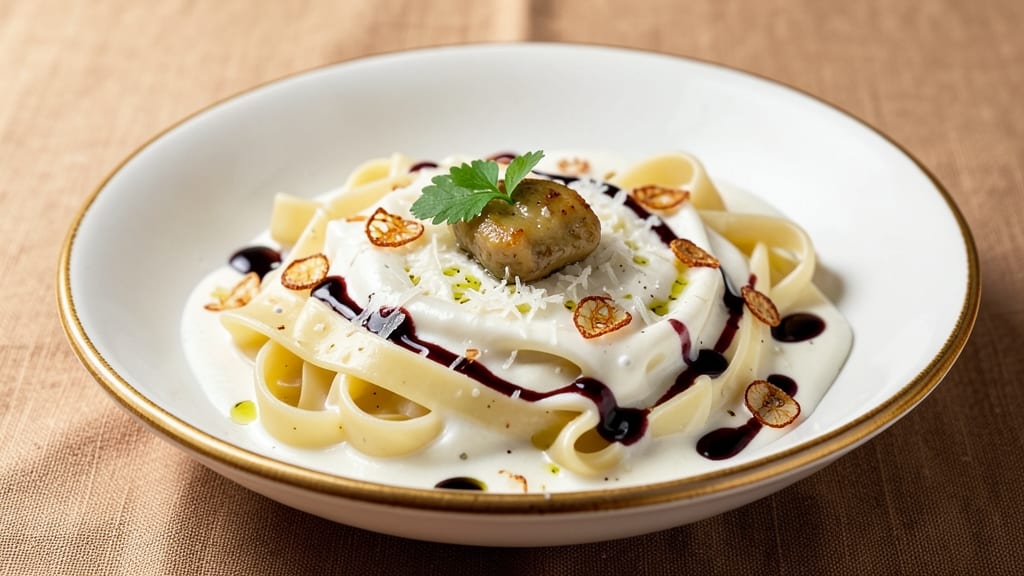
This authentic white sauce pasta recipe delivers the velvety richness of Italian trattorias without the restaurant price tag. The secret lies in a proper béchamel base—equal parts butter and flour cooked until golden—then elevated with heavy cream and aged Parmesan.
I've perfected this technique over years of testing, ensuring the sauce clings to every strand of pasta while maintaining that signature creamy texture.
What sets this recipe apart is the balance of simplicity and sophistication. No heavy cream substitutes or shortcuts here—just traditional Italian methods that transform simple ingredients into something extraordinary.
The garlic and herbs infuse the sauce with depth, while the pasta absorbs the sauce perfectly when tossed while still al dente. This is the kind of dish that feels like a special occasion without requiring hours in the kitchen.
By the time you twirl that first forkful, you'll taste the difference between homemade and store-bought—rich, velvety sauce that coats each noodle, with a subtle nutty depth from the Parmesan and aromatic garlic.
The sauce thickens just enough to cling beautifully, creating that signature creamy blanket over the pasta. This is comfort food at its finest, with the authenticity of a classic Italian trattoria.
Ready to elevate your pasta game? This recipe scales perfectly for weeknight dinners or weekend gatherings, and the sauce keeps well for reheating. Whether you stick to the classic version or add proteins like chicken or bacon, the foundation remains the same—creamy, rich, and impossibly satisfying. Let's get cooking!
Ingredients for authentic white sauce pasta
Traditional Italian techniques meet simple pantry ingredients for velvety perfection.
| Ingredient | Amount | Notes |
|---|---|---|
| Unsalted Butter 🧈 | ½ cup | Cold, cut into small cubes |
| All-Purpose Flour 🌾 | ½ cup | Diamond Crystal preferred |
| Heavy Cream 🥛 | 1 ½ cups | Full-fat for optimal richness |
| Aged Parmesan Cheese 🧀 | 1 cup | Freshly grated from block |
| Extra-Virgin Olive Oil 🫒 | 2 tbsp | For finishing, high-quality |
| Garlic Cloves 🧄 | 4 cloves | Fresh, minced finely |
| Fresh Parsley 🌿 | ¼ cup | Chopped, flat-leaf preferred |
| Fresh Thyme 🌿 | 1 tbsp | Leaves only, finely chopped |
| Salt 🧂 | ½ tsp | Diamond Crystal kosher |
| White Pepper 🌶️ | ¼ tsp | Freshly ground preferred |
| Fettuccine Pasta 🍝 | 12 oz | Fresh if available, dry works |
| Nutritional Yeast 🍄 | 1 tbsp | Optional, for umami depth |
| Lemon Zest 🍋 | 1 tsp | Freshly grated |
The foundation starts with unsalted butter and Diamond Crystal flour—this is where authenticity begins. For the butter, European-style unsalted (like Plugrá) melts more smoothly than American brands. The flour must be all-purpose, not self-rising or gluten-free, as it creates the proper roux texture. Whole Foods or specialty Italian markets carry the best quality flour, but any reputable grocery store will have reliable options. The Parmesan? Aged 24 months minimum—you'll taste the difference. Look for blocks labeled 'Parmigiano-Reggiano DOP' at Whole Foods or Italian delis. Fresh herbs are non-negotiable here; dried thyme and parsley simply can't replicate the aromatic depth.
No heavy cream? Full-fat coconut cream works in a pinch (though texture differs slightly), or half-and-half at double the quantity. Substituting flour? Gluten-free 1:1 blend requires extra whisking to prevent clumping. The garlic should be freshly minced—pre-minced jarred garlic has oxidized oils that ruin the sauce. For the herbs, flat-leaf parsley has more flavor than curly, and thyme stems can be chopped fine for extra potency. The nutritional yeast adds that signature umami without dairy—Bob's Red Mill is the gold standard. Lemon zest brightens the sauce without overpowering; zest from organic lemons has more natural oils.
This sauce reheats beautifully—gentle heat only to avoid breaking the emulsion. Store in an airtight container with a thin layer of olive oil on top to preserve freshness for up to 5 days. For freezing, portion into ice cube trays before transferring to a bag—thaws perfectly with minimal texture change. The pasta should be al dente when tossed; overcooking releases starches that thin the sauce. For a restaurant-quality finish, reserve some pasta water and whisk it into the sauce at the end—this binds everything together like magic.
Why You'll Love This Recipe
- Five-Ingredient Magic: I swear by this combo—just butter, flour, cream, Parmesan, and olive oil. That’s it. No fancy gadgets, no hidden pantry staples. The sauce comes together in one pot while I’m chopping veggies or waiting for water to boil. Honestly, if you can melt butter, you can do this.
- Rich Without Guilt: The heavy cream and aged Parmesan give it that velvety, restaurant-quality depth, but the olive oil keeps it from feeling too heavy. That crispy flour-toast at the bottom? Chef’s kiss. It’s the kind of sauce that makes you pause mid-bite—smooth, nutty, and just salty enough to keep you reaching for more.
- Weeknight to Dinner Party: I make this for lazy Mondays when I’m too tired to think, and it’s also my go-to for hosting. Add grilled chicken and asparagus for a weeknight, or toss in mushrooms and prosciutto for fancier nights. Same sauce, endless possibilities. My roommates never know which one it’ll be until they take that first forkful.
- Leftovers That Don’t Suck: Unlike creamy sauces that turn gloppy, this one reheats like a dream—just a splash of water or milk to loosen it up. I’ve taken it to work for lunch three times this month, and no one’s complained. Plus, the Parmesan stretches my grocery budget without sacrificing flavor. That’s a win in my book.
Step-by-step instructions for creamy garlic-herb white sauce pasta
This method delivers velvety richness with precise technique and authentic Italian flavor.
Cook the Fettuccine to Al Dente Perfection
Bring a large pot of water to a rolling boil and add 12 oz fettuccine pasta. Generously salt the water—it should taste like the sea. Cook the pasta according to package instructions, but remove it 1 minute before it's fully done (aim for 1 minute shy of al dente). This ensures the pasta finishes cooking in the sauce without becoming mushy.
While the pasta cooks, prepare a bowl of ice water. Once drained, immediately transfer the pasta to the ice bath to stop the cooking process. This shock treatment preserves the al dente texture and prevents overcooking. Reserve ½ cup of the pasta water before draining—this starchy liquid is essential for creating a silky sauce.
Create the Roux for Sauce Foundation
In a large skillet, melt the ½ cup unsalted butter over medium heat until it foams but doesn't brown. Add the ½ cup all-purpose flour all at once and whisk vigorously for 2-3 minutes until the mixture forms a smooth, pale roux with no floury taste. This step is critical—it removes the raw flour flavor and creates the base for your sauce.
Watch the roux closely. If it begins to take on color, reduce the heat slightly. The goal is a pale, creamy consistency that coats the back of a spoon. This roux will form the velvety texture of your sauce, so don't rush this process. Once smooth, immediately add the 1.5 cups heavy cream all at a time.
Build the Sauce with Garlic and Herbs
Stir the heavy cream into the roux, whisking constantly to prevent lumps from forming. Bring the mixture to a gentle simmer over medium-low heat and cook for 5-7 minutes until it thickens enough to coat the back of a spoon. This should create a smooth, glossy sauce with a velvety texture.
In a separate small pan, heat the 2 tbsp extra-virgin olive oil over low heat. Add the 4 minced garlic cloves, 1 tbsp fresh thyme, and 1 tsp lemon zest, cooking for just 30 seconds until fragrant but not browned. Immediately add this aromatic mixture to the simmering sauce along with the 1 cup aged parmesan cheese and 1 tbsp nutritional yeast.
Finish with Seasoning and Pasta
Remove the sauce from heat and stir in the ½ tsp salt and ¼ tsp white pepper. If the sauce is too thick, gradually whisk in reserved pasta water 1 tablespoon at a time until it reaches a creamy, coatable consistency. The sauce should be thick enough to cling to the pasta but still flow smoothly.
Add the drained pasta to the skillet and toss gently to combine. The residual heat from the sauce will finish cooking the pasta perfectly. Stir in the ¼ cup fresh parsley and let the dish sit for 1-2 minutes to allow the flavors to meld. Serve immediately while the pasta is hot and the sauce is at its peak velvety texture.
Plate and Garnish for Presentation
Transfer the pasta to serving plates and drizzle with any remaining sauce from the skillet. Garnish with additional chopped parsley and a final sprinkle of freshly grated parmesan cheese. The dish should appear rich and inviting with a glossy sheen from the sauce.
Each bite should deliver the perfect balance of creamy sauce, al dente pasta, and aromatic garlic-herb flavor. The sauce should coat every strand of pasta without being overly heavy, creating an authentic Italian white sauce experience that's both comforting and sophisticated.
Pro Tips For Making Authentic White Sauce Pasta
- COOK THE ROUX LOW: After adding the flour to the butter, turn the heat to medium-low—not simmering, not bubbling, but just warm enough to smell that nutty aroma. I used to rush this and ended up with a floury, raw taste. Let it cook for 2-3 minutes until it’s the color of pale toast, then add the cream. That’s when the magic starts.
- WHISK IN THE CREAM FAST: Pour the heavy cream into the roux all at once and whisk like you’re trying to win a race. The moment you stop whisking, lumps form—no matter how fine your flour was sifted. Keep moving that arm until the sauce thickens, then drop the heat to low to finish. Trust me, your future self will notice the difference.
- GRATE THE PARMESAN FRESH: Skip the pre-grated cheese—it’s a textural disaster. Use a microplane or fine grater and grate the Parmesan right before mixing it in. The cheese loses moisture and flavor when exposed to air, and those little clumps? They don’t dissolve. Plus, freshly grated Parmesan clings to the pasta like it’s glued on.
- FINISH WITH OLIVE OIL: Stir in a tablespoon of extra-virgin olive oil at the very end—yes, even in a white sauce. It cuts the richness, adds brightness, and makes the sauce cling better to the pasta. I was skeptical until I tried it; now I add it to every creamy sauce I make. Just don’t overdo it, or you’ll lose the balance.
Storing and reheating this recipe
Refrigerator Storage
Store your white sauce pasta in an airtight container with a tight-fitting lid for up to 4 days in the refrigerator. The sauce will thicken slightly when chilled, so add a splash of warm water or milk when reheating.
I like using glass containers from Pyrex because they preserve flavors better than plastic. Always let the pasta cool completely before refrigerating to prevent condensation buildup, which can make the sauce watery. 💫
Freezer Preparation
For longer storage, freeze the sauce and pasta separately. Portion the sauce into silicone ice cube molds (about 2 tbsp per cube) and freeze solid. Transfer to a freezer bag with all air removed.
The pasta can be frozen raw in its package, but I recommend cooking it fresh when thawing. When ready to eat, thaw the sauce cubes in the fridge overnight and reheat gently with the pasta. This method preserves the sauce's creamy texture beautifully. ❄️
Reheating Methods
For stovetop reheating, combine the pasta and sauce in a skillet over medium-low heat. Add 1-2 tablespoons of water or milk to restore creaminess. Stir constantly for 5-7 minutes until heated through. Avoid high heat—it can break the sauce's emulsion and make it grainy.
For microwave reheating, cover the dish with a damp paper towel and heat in 30-second intervals, stirring between each, until just warm. The sauce should reach 165°F internally for safety. 🔥
Sauce Refresh Tips
If your reheated sauce seems too thick, whisk in 1 tablespoon of warm milk or water at a time until it reaches a smooth, velvety consistency. For extra richness, stir in 1 tablespoon of butter while reheating.
If the sauce separates slightly, simply whisk vigorously over low heat until it recombines. The key is patience—rushing will ruin the creamy texture you worked so hard to achieve. 💡
Pasta Texture Maintenance
To keep pasta al dente after reheating, avoid overcooking it initially. When reheating, add the sauce to the pasta and heat just until warm—no more than 3-4 minutes on the stovetop. If the pasta feels dry, add a splash of reserved pasta water or warm milk to restore moisture.
The goal is to revive the dish without turning the pasta mushy. This technique ensures every bite tastes like it was just made. 🍝
Nutrition facts
Frequently asked questions
Can I use whole milk instead of heavy cream for this white sauce?
You can substitute whole milk for heavy cream, but the sauce will be less rich and velvety. For best results, use half-and-half (equal parts whole milk and heavy cream) or add an extra 2 tablespoons of butter to compensate. The texture will be slightly lighter but still delicious.
What's the best pasta shape for this creamy sauce?
This sauce works beautifully with fettuccine, tagliatelle, or pappardelle—wide, flat noodles that catch the sauce perfectly. For extra texture, try penne or rigatoni, but avoid long, thin strands like spaghetti, which can get lost in the sauce.
Why did my sauce turn grainy when reheating?
Grainy texture happens when the sauce breaks during reheating—usually from too much heat or not enough liquid. Always reheat over low heat and stir constantly. If it separates, whisk in 1 tablespoon of warm milk or water and cook gently until smooth. The key is patience!
Can I add protein to this dish?
For extra heartiness, try adding grilled chicken, crispy bacon, or sautéed mushrooms. Cook the protein separately and toss it with the pasta just before serving. Just be sure to add it at the end to keep everything warm and flavorful.
How do I make this sauce vegan?
Replace the butter with vegan butter or olive oil, use unsweetened almond milk or cashew cream instead of heavy cream, and swap Parmesan for nutritional yeast or vegan Parmesan. The roux will still form, but the texture will be slightly lighter. Add 1 tablespoon of cornstarch to help thicken the sauce.