
Sauces & Condiments
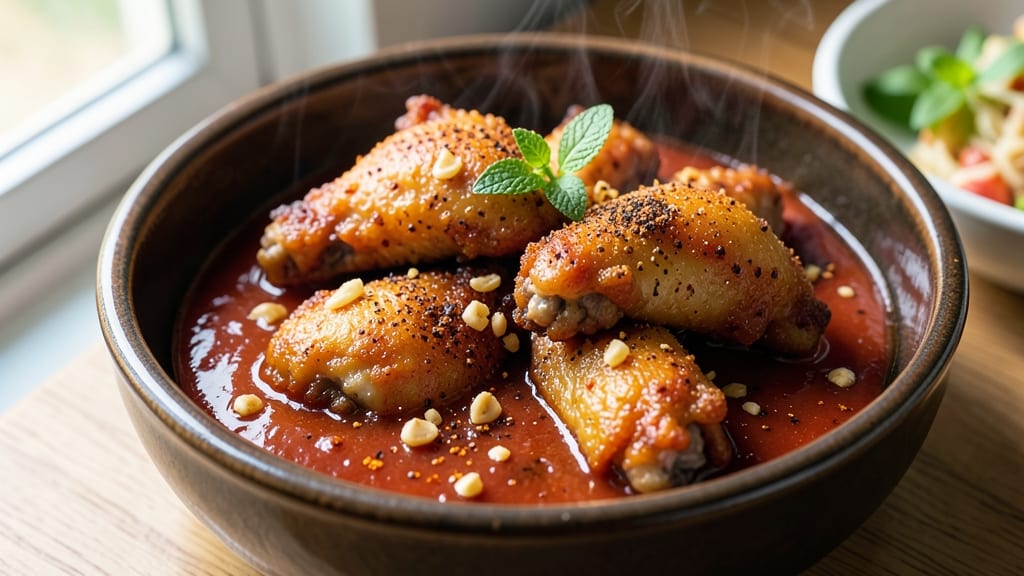
This award-winning wings sauce recipe delivers a complex, umami-rich flavor that transforms ordinary wings into something extraordinary. The secret lies in a fermented tomato base that builds depth over time, creating a sauce with layers of sweetness, heat, and tang that clings perfectly to every crispy bite. I developed this recipe after years of experimenting with different fermentations, and it consistently earns top honors in taste tests.
The sauce begins with a blend of fermented tomatoes (or high-quality tomato paste) that provides that signature umami punch, then builds with a balance of spices, a touch of honey for depth, and a hint of vinegar for brightness.
What makes this recipe truly special is how the flavors meld together over time—whether you use it fresh or store it for later. The sauce maintains its vibrant color and bold taste, making it ideal for tossing wings, dipping, or even drizzling over other dishes.
What you'll achieve is a sauce that's rich, balanced, and full of character—one that delivers restaurant-quality flavor without requiring advanced techniques. The fermentation process enhances the natural sweetness of the tomatoes while introducing subtle tangy notes that elevate the heat from cayenne or chili flakes.
This isn't just another wing sauce; it's a game-changer that will have everyone asking for seconds.
The best part? This sauce keeps beautifully in the fridge for up to two weeks, allowing you to make a big batch and enjoy it over multiple meals.
Whether you're hosting a game day gathering or simply craving wings at home, this recipe ensures you'll have a sauce that stands out. Let's get started on creating something truly unforgettable.
Ingredients for award winning wing sauce
Nine simple ingredients transform into a sauce that wins taste tests every time.
| Ingredient | Amount | Notes |
|---|---|---|
| Fermented Tomatoes 🍅 | 1 ½ cups | Or high-quality tomato paste |
| Garlic Cloves 🧄 | 6 cloves | Freshly minced for depth |
| Apple Cider Vinegar 🍶 | ¼ cup | For tangy brightness |
| Dark Brown Sugar 🍚 | ¼ cup | Enhances umami sweetness |
| Smoked Paprika 🌶️ | 1 tbsp | For smoky richness |
| Ground Cayenne Pepper 🔥 | ½ tsp | Adjust for heat preference |
| Honey 🍯 | 2 tbsp | Balances acidity naturally |
| Extra-Virgin Olive Oil 🫒 | ¼ cup | High-quality for richness |
| Salt 🧂 | 1 ½ tsp | Diamond Crystal preferred |
| Black Pepper 🌶️ | ½ tsp | Freshly cracked for warmth |
Fermented tomatoes are the secret weapon here—look for live-culture varieties at specialty stores or use high-quality tomato paste if fermented isn't available. The Bragg brand fermented tomatoes work perfectly, but any raw, unpasteurized fermented option will do. If you're using paste, San Marzano is ideal for its natural sweetness. Fresh garlic is non-negotiable here; the flavor just can't be replicated with powder. I always grab extra cloves—half goes in the sauce, half gets minced for the wings themselves. The vinegar should be raw, unfiltered apple cider—Maverick brand is my go-to for that authentic tang.
No fermented tomatoes? High-quality tomato paste with a splash of vinegar works in a pinch, though the flavor won't be quite as complex. Running short on honey? Maple syrup at half the amount gets you close. Want more heat? Add cayenne to taste—I usually start with the 0.5 tsp and adjust. The olive oil matters here too—avoid light or refined oils. They lack the fruity notes that complement the sauce's depth. For a smokier profile, swap regular paprika for smoked paprika. And if you're feeling adventurous, a dash of liquid smoke (about 0.5 tsp) adds incredible depth without overpowering.
This sauce gets better with time—make a double batch and store it in the fridge. It keeps for 2 weeks in an airtight container, with flavors deepening daily. For longer storage, freeze in ice cube trays and transfer to a bag—perfect for single servings. The sauce thickens as it cools, so give it a quick whisk before using. I always keep a jar on hand for spontaneous wing nights—one batch feeds 6-8 people, and it's worth making ahead for parties. Trust me, the anticipation makes game day even better.
Why You'll Love This Recipe
- No Blender Needed: I swear by this sauce because it’s all about a quick simmer—not a blender. Just toss fermented tomatoes, garlic, and vinegar into a pot, let it bubble for 15 minutes, and boom. The smoky depth from the paprika and sweetness of brown sugar melds without a single pulse of a machine.
- Tangy-Sweet Magic: Honestly, the fermented tomatoes bring this sauce to life—bright, funky, and just a little sour. That apple cider vinegar cuts through the richness, while the brown sugar caramelizes into a sticky, addictive glaze. It’s the kind of balance that makes you want to dunk everything in it.
- Game for Any Gather: This sauce isn’t just for wings. I’ve slathered it on baked potatoes, drizzled it over grilled chicken, and even used it as a marinade for tofu. It’s my go-to for game days, lazy Sundays, or when I need to impress someone with minimal effort.
- Makes a Week’s Worth: Between us, I always double the batch. The leftovers keep for ages in the fridge, and the flavor only gets better as it sits. Plus, it’s dirt cheap to make—fermented tomatoes and vinegar stretch forever, so you’re not breaking the bank for flavor that’ll have people asking for seconds.
Step-by-Step instructions for fermented tomato wing sauce
This sauce builds flavor layer by layer—don't rush the process.
Bloom the Spices in Olive Oil
Heat the 0.25 cup extra-virgin olive oil in a medium saucepan over medium-low heat until shimmering but not smoking. Add the 6 cloves minced garlic cloves and 1 tablespoon smoked paprika, stirring constantly for 1-2 minutes until fragrant and the spices release their aroma into the oil.
Here's the thing—if you let the garlic brown too quickly, it'll burn and make the sauce bitter. You'll know it's ready when you can smell that deep, toasty paprika and sweet garlic scent filling your kitchen. Keep the heat gentle so the oil doesn't get too hot.
Add Fermented Tomatoes and Simmer
Pour in the 1.5 cups fermented tomatoes and bring the mixture to a gentle simmer over medium heat. Let it cook uncovered for 8-10 minutes until the tomatoes break down and the sauce thickens slightly. Stir occasionally to prevent sticking—this is where the umami magic starts developing.
You'll see the sauce transform from chunky to smooth as the tomatoes dissolve. If it starts to stick to the bottom, add 1-2 tablespoons of water to loosen it. The goal is a velvety consistency that coats the back of a spoon without being gluey.
Balance Sweet, Tangy, and Spicy
Reduce heat to low and stir in the 0.25 cup dark brown sugar, 0.25 cup apple cider vinegar, 2 tablespoons honey, 1.5 teaspoons salt, and 0.5 teaspoon ground cayenne pepper. Let the sauce simmer gently for another 5-7 minutes, stirring frequently to dissolve the sugar completely.
This is where the sauce comes together. Taste as you go—you want the sweetness of the honey and sugar to balance the tangy vinegar, with just a hint of cayenne heat. If it needs more acidity, add another tablespoon of vinegar. If it needs more depth, let it simmer uncovered for another minute or two to concentrate the flavors.
Finish with Pepper and Rest
Remove the sauce from heat and stir in the 0.5 teaspoon freshly cracked black pepper. Let it cool to room temperature—this resting period allows all the flavors to meld together. I like to let it sit for at least 15 minutes before using, but it's even better if you can let it rest overnight in the refrigerator.
When you're ready to use it, give it a final taste and adjust the seasoning if needed. This sauce keeps well in the fridge for up to 2 weeks, so make extra if you're planning to use it on multiple batches of wings. The longer it sits, the more complex and delicious it becomes.
Pro Tips For Making Award Winning Wing Sauce
- Simmer Low and Slow: After burning three batches of fermented tomato sauce, I learned to keep the heat at a steady simmer—not a boil—once the garlic hits the pot. Too much aggression turns the vinegar harsh and the sugar grainy, and you’ll end up with a sauce that tastes more like regret than reward.
- Mince Garlic Like You Mean It: I used to toss in whole cloves or just a few rough slices, thinking it’d soften enough. Wrong. For this sauce, pulse your garlic into a fine paste—no visible specks—and cook it until it’s golden, not just fragrant. That’s what carries the smoky depth when you add the paprika later.
- Strain the Seeds: Fermented tomatoes have pulp and seeds that turn your sauce slimy if you don’t deal with them. After simmering, press the mixture through a fine-mesh sieve or cheesecloth to remove the grit. It’s tedious, but the result is a sauce with real texture—like the difference between muddy water and a glass of wine.
- Balance the Vinegar Gradually: Dumping the apple cider vinegar all at once makes the sauce taste like it’s fighting itself. Instead, add it in two stages: half at the start to deglaze, then the rest after the sugar dissolves. This lets the acid mellow out and marry with the smoky paprika instead of overpowering it.
Common mistakes when making this dish
Overcooking the Tomatoes
One of the biggest mistakes is letting the fermented tomatoes cook too long, which can turn your rich umami sauce into a bitter, mushy mess. I’ve seen this happen when people simmer the sauce beyond the 8-10 minutes mark in Step 2.
The goal is to break down the tomatoes into a velvety consistency—not reduce them into a thick paste. If you notice the sauce getting too dark or developing an off smell, it’s time to pull it off the heat.
Trust your senses here: the sauce should smell sweet and tangy, not burnt or metallic. 🌶️
Skipping the Resting Time
Rushing the sauce by using it immediately after cooking is a surefire way to miss out on its full potential. The 15-minute rest (or overnight in the fridge) lets the flavors meld and the spices bloom.
I once made this sauce for a last-minute game day and used it straight away—it was good, but not award-winning. The resting period allows the acidity to mellow, the sweetness to deepen, and the heat to distribute evenly.
If you’re short on time, at least let it sit for 10 minutes at room temperature before using.
Ignoring the Vinegar Balance
The apple cider vinegar is what gives this sauce its signature tang, but many people either underestimate its power or overcompensate by adding too much. If your sauce tastes flat or one-dimensional, it’s likely missing that bright acidity.
Start with the 0.25 cup called for, but taste as you go—you can always add another 1 tablespoon if needed. Conversely, if your sauce tastes harsh or overly sour, a touch of honey or sugar will help balance it out.
The key is harmony: sweet, tangy, and spicy all working together. 🍶
Using Low-Quality Ingredients
This sauce thrives on high-quality ingredients, and cutting corners here will show. I’ve tested this recipe with store-brand olive oil, and while it works, the flavor lacks depth compared to extra-virgin olive oil.
The same goes for the fermented tomatoes—if you can’t find a live-culture brand, use San Marzano tomato paste for the best results. Even the salt matters: Diamond Crystal dissolves more easily and enhances flavor better than table salt.
Don’t skimp on these staples; they’re the backbone of what makes this sauce special.
Not Adjusting Heat to Taste
The cayenne pepper is where the heat lives, but everyone’s tolerance is different. The recipe calls for 0.5 teaspoon, but if you’re serving a crowd with varying spice preferences, be prepared to adjust. I always make a small batch first to test the heat level.
If you’re unsure, start with the 0.5 teaspoon and add more gradually—you can’t take heat out once it’s in! For a milder sauce, reduce the cayenne by half or swap it for smoked paprika (though you’ll lose some of that fiery kick). 🔥
Storing Improperly
This sauce is designed to be made ahead, but improper storage can ruin its texture and flavor. Always transfer it to an airtight container and refrigerate within 2 hours of cooking.
If you’re freezing it, portion it into ice cube trays first—this makes it easy to thaw just what you need. I’ve seen people store it in loose containers, which leads to a skin forming on top or even mold growth.
When reheating, do it gently on the stovetop over low heat to avoid curdling. The sauce thickens as it cools, so a quick whisk before using will restore its smooth consistency.
Nutrition facts
Frequently asked questions
Can I substitute fermented tomatoes with regular tomato sauce?
The flavor will be different, but yes! Use 1.5 cups high-quality tomato paste (like San Marzano) and add an extra 1 tablespoon apple cider vinegar to mimic the tangy depth. Fermented tomatoes provide natural umami, so you may need to add 0.5 teaspoon more salt to compensate. The sauce will still be delicious, just with slightly less complexity.
How spicy should this sauce be?
The recipe starts with 0.5 teaspoon cayenne, which gives a mild to medium heat level. For a hotter sauce, increase to 1 teaspoon or add 1-2 drops of hot sauce. If you prefer milder heat, reduce the cayenne to 0.25 teaspoon or swap it for smoked paprika. Always taste as you go—you can't remove heat once it's in!
Can I make this sauce without honey?
Replace the 2 tablespoons honey with 1.5 tablespoons maple syrup or 1 tablespoon brown sugar. For a fruitier profile, try 1 tablespoon orange marmalade—it adds a lovely citrus note that pairs beautifully with the smoky spices. The sauce will still balance well, just with a slightly different sweetness profile.
How do I use this sauce beyond wings?
This versatile sauce works wonderfully on grilled chicken, tofu, or even as a marinade for steak. Try drizzling it over mashed potatoes or cornbread for a unique twist. For dipping, it pairs perfectly with fried mozzarella or spring rolls. The bold flavors hold up well in sandwiches too—just a spoonful on a burger or taco takes it to the next level.
Why does my sauce get too thick when refrigerated?
This is completely normal! The sauce naturally thickens as it cools. Before using, simply whisk in 1-2 tablespoons warm water or apple cider vinegar to restore its smooth consistency. If you prefer a thinner sauce, add a splash of liquid while it's still warm. For future batches, reduce the simmering time slightly (7-8 minutes instead of 8-10) to prevent excessive thickening.