
Sauces & Condiments
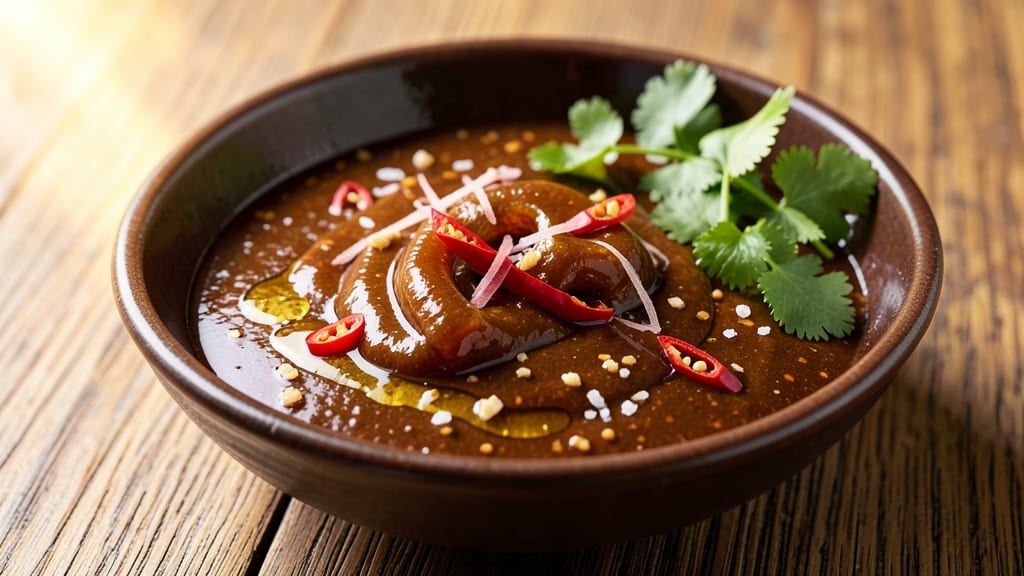
Bahamian tamarind sauce transforms ordinary dishes into vibrant, flavor-packed masterpieces with its perfect balance of tangy-sweet richness. This recipe captures the essence of Bahamian cuisine—where tamarind’s deep umami meets bright citrus and aromatic spices. The sauce starts with a simple blend of tamarind paste, lime juice, and brown sugar, then builds layers of complexity with garlic, ginger, and a touch of Scotch bonnet for heat. The magic happens when you simmer everything together until thick and glossy, creating a versatile glaze that works equally well on jerk chicken, grilled seafood, or even as a dipping sauce for fried plantains. Unlike store-bought versions, this homemade sauce delivers authentic Bahamian flavor with no artificial additives. The tangy-sweet profile cuts through rich proteins while adding a caramelized depth that elevates any dish it touches. What sets this sauce apart is its adaptability—use it as a marinade for tenderizing meat, a glaze for searing seafood, or a finishing drizzle to brighten up rice and beans. The recipe yields about 1½ cups, so you’ll have leftovers to store in the fridge for up to 2 weeks or freeze for 3 months. Perfect for meal prep or gifting, this sauce is a pantry staple that brings the tropics to your table with every spoonful.
Traditional Bahamian cooking relies on bold, layered flavors, and this tamarind sauce embodies that philosophy. The tamarind paste provides the signature tangy backbone, while lime juice and brown sugar create the signature sweet-tart balance.
Aromatic spices like allspice and thyme add warmth, while Scotch bonnet peppers deliver a subtle heat that lingers on the palate. The sauce thickens as it simmers, developing a glossy sheen that clings beautifully to food.
Beyond its incredible taste, this sauce is remarkably simple to make—just 10 minutes of prep followed by 20 minutes of simmering. The ingredients are easy to find, and the process is foolproof, making it ideal for both beginners and seasoned cooks.
Whether you’re hosting a Caribbean feast or simply craving a flavor explosion, this tamarind sauce delivers restaurant-quality results with minimal effort. Let’s get started on creating your own batch!
Ingredients for bahamian tamarind sauce
Tamarind, lime, and spices—this trio creates the signature tangy-sweet glaze that defines Bahamian flavors.
| Ingredient | Amount | Notes |
|---|---|---|
| Tamarind Paste 🍈 | ½ cup | Unsweetened, block or paste form |
| Lime Juice 🍋 | ½ cup | Freshly squeezed, about 3-4 limes |
| Light Brown Sugar 🍚 | ½ cup | Packed lightly, not granulated |
| Garlic Cloves 🧄 | 4 cloves | Minced, about 1 tbsp minced |
| Fresh Ginger 🌿 | 2 tbsp | Grated, about 1-inch piece |
| Scotch Bonnet Pepper 🔥 | 1 whole | Seeds removed for mild heat |
| Ground Allspice 🌶️ | 1 tsp | Freshly ground preferred |
| Dried Thyme 🌿 | ½ tsp | Or 1 tbsp fresh thyme leaves |
| Extra-Virgin Olive Oil 🫒 | 2 tbsp | For richness and gloss |
| Water 💧 | ¼ cup | Adjusts consistency as needed |
Tamarind paste is the heart of this sauce, so don't skimp—block form is best, but paste works too. Trader Joe's and Latin markets usually carry it, but if you can't find it, substitute 1/4 cup lemon juice + 1/4 cup molasses (though it won't be identical). The Scotch bonnet pepper is non-negotiable for that Bahamian heat—remove seeds for mild heat, or wear gloves if you're sensitive! Fresh ginger and garlic should be bright and aromatic, not shriveled or moldy. I always grab extra lime juice—it brightens the sauce as it cooks.
No tamarind paste? Lemon juice + molasses is your best bet, but the sauce will be less complex. Running low on allspice? Cinnamon + nutmeg at half the amount gets you close. Fresh thyme is ideal, but dried works at one-third the quantity. The olive oil matters here—use something fruity and peppery, not the cheap supermarket kind. If your sauce gets too thick, add water 1 tbsp at a time. Too thin? Simmer uncovered for another 5 minutes. The brown sugar should be light and packed—granulated won't dissolve properly.
This sauce keeps beautifully—2 weeks in the fridge or 3 months frozen. Store it in a glass jar with a tight seal, and the flavors only deepen over time. I like to freeze it in ice cube trays for easy portions—just pop one cube into marinades or drizzle over finished dishes. The sauce thickens as it cools, so stir before using if it's been refrigerated. Perfect for meal prep—make a double batch and thank me later!
Why You'll Love This Recipe
- Five-Ingredient Magic: I swear, this sauce comes together with just a pot, a whisk, and five things you already have. No fancy techniques—just simmer, stir, and taste as you go. That’s it.
- Tangy-Sweet Balance: The tamarind’s deep sourness cuts through the brown sugar’s caramel warmth, while the lime brightens it all up. Add garlic and ginger? Suddenly, your grilled chicken or fish tastes like a Bahamian beachside dinner.
- Weeknight Workhorse: Slather it on tacos, drizzle over roasted veggies, or toss with shrimp—it’s the one sauce that makes everything feel special without extra effort. (Yes, even on a Tuesday night.)
- Keeps Like a Champ: Make a big batch—this stuff lasts weeks in the fridge. Freezes beautifully too, so you’re never scrambling for a last-minute BBQ or stir-fry upgrade. Budget win.
Step-by-step instructions for Bahamian tamarind sauce
This vibrant sauce delivers bold Caribbean flavors with perfect balance every time.
Bloom the Spices in Olive Oil
Heat the 2 tablespoons extra-virgin olive oil in a medium saucepan over medium-low heat. Add the 4 cloves minced garlic and 2 tablespoons grated fresh ginger, cooking for 2-3 minutes until fragrant but not browned. This step builds the aromatic foundation—don't rush it, or the flavors will be underdeveloped.
Next, add the 1 whole Scotch bonnet pepper (seeds removed) and toast for 30 seconds until you can smell the heat. Immediately stir in the 1 teaspoon ground allspice and 0.5 teaspoon dried thyme, letting them bloom for 1 minute. The spices should smell warm and complex—this is where the sauce gets its signature depth.
Combine Wet Ingredients
Pour in the 0.5 cup tamarind paste, stirring continuously to dissolve completely. Add the 0.5 cup lime juice and 0.5 cup light brown sugar, mixing well to incorporate. The sugar should begin to dissolve as the mixture warms, creating a glossy, syrupy consistency.
Bring the mixture to a gentle simmer over medium heat, then reduce to low heat. Let it cook for 5-7 minutes, stirring occasionally, until the sugar fully dissolves and the sauce thickens slightly. You're aiming for a smooth, velvety texture—not too thin, but still pourable.
Adjust Consistency and Finish
Taste the sauce and balance the flavors—add a splash of the 0.25 cup water if it's too thick, or a pinch more sugar if it needs sweetness. The tamarind should be tangy but not overpowering, with a bright citrus note from the lime. The Scotch bonnet should add heat without dominating.
Simmer for another 3-5 minutes until the sauce reaches your desired consistency. For a glossy finish, remove from heat and let it cool slightly. The sauce will thicken further as it cools, so don't over-reduce it now. Strain if you prefer a smoother texture, or leave it slightly chunky for rustic character.
Use or Store Properly
Serve warm over grilled jerk chicken, drizzled over blackened mahi-mahi, or spooned alongside conch fritters. The sauce keeps well in an airtight container in the fridge for up to 1 week, or it can be frozen for 3 months. Reheat gently over low heat, stirring occasionally to prevent scorching.
This sauce is the heart of Bahamian cuisine—tangy, sweet, and just spicy enough to make every bite unforgettable. The key is patience: let the flavors meld, and don't rush the simmering. That's what makes the difference between good and extraordinary.
Pro Tips For Making Bahamian Tamarind Sauce
- Bloom the Ginger: Grate it fresh and let it sit in warm water for 5 minutes first—this softens the fibers and brings out the real zing. I used to just chop it raw, and the sauce always tasted muted until I tried this.
- Simmer Low and Slow: Once you add the tamarind paste, reduce heat to a bare simmer. Rushing it turns the sauce grainy or bitter—Bahamian versions are smooth because they’re patient. Think "gentle bubble," not "rolling boil."
- Strain the Tamarind: Skip the blocky paste chunks by dissolving it in warm water first, then straining through a fine-mesh sieve. I learned this after tasting a sauce with gritty bits—now it’s always velvety.
- Balance the Sugar Early: Taste after adding sugar, not at the end. Brown sugar can overpower if you adjust later, and you’ll end up scrambling for acid. Start with half, then tweak lime juice to taste—this keeps the flavors in check.
Common mistakes when making this dish
Skipping the Bloom Step
Rushing the spice bloom is the #1 mistake I see—cooks often toss everything in at once and stir. The 2-3 minutes of blooming garlic and ginger (and those 30 seconds toasting Scotch bonnet) develop the aromatic foundation.
Without it, your sauce will taste flat and underdeveloped. Trust me, your nose knows best—if you can't smell those warm spices, you're missing the magic. 🌿
Using Wrong Tamarind
Not all tamarind paste is created equal! Some brands are overly sweet or grainy, which throws off the balance. I always use unsweetened block tamarind (like Trader Joe's or Mae Ploy brands) because it dissolves smoothly.
If you grab the sweetened version or powdered tamarind, your sauce will taste cloying. Pro tip: Soak the block in warm water for 10 minutes first to soften it before blending. 🍈
Ignoring the Sugar Type
Light brown sugar is non-negotiable here—it has the perfect molasses content for caramelization. Granulated sugar won't dissolve properly, leaving gritty bits in your sauce. Also, don't substitute with white sugar; the molasses in brown sugar adds depth.
I've seen people use honey instead, but it changes the texture and can make the sauce too thin. Stick to the brown sugar for that authentic Bahamian sweet-tart balance. 🍚
Over-Simmering the Sauce
Patience is key, but don't let the sauce reduce into syrup! Once it reaches a thick but pourable consistency, remove it from heat. Over-simmering burns the sugars and makes the sauce bitter. I've had sauces turn dark and unappetizing when left too long.
The sauce will continue thickening as it cools, so stop when it's just slightly thicker than honey. Taste frequently—your palate is the best judge. ⏰
Forgetting to Taste Early
Many cooks wait until the end to taste, but that's too late! Check the balance of flavors after 5 minutes of simmering. The tamarind should be tangy but not sour, the lime bright but not overpowering, and the Scotch bonnet adding heat without dominating.
Adjust with more sugar, lime, or water as needed. I like to make small batches first to test the flavor before committing to the full recipe. 🔥
Straining vs. Not Straining
Some recipes call for straining, others don't—but both work! If you strain it, you'll get a silky-smooth sauce perfect for drizzling. If you leave it chunky, you'll have more texture and rustic character.
There's no wrong answer here, but don't strain if you love the peppery bite from the Scotch bonnet. I usually strain mine for restaurant-quality presentation, but I've had amazing results with the chunky version too. 💫
Nutrition facts
Frequently asked questions
Can I substitute tamarind paste if I can't find it?
Yes, but the flavor won't be identical. Use ¼ cup lemon juice + ¼ cup molasses for a similar tangy-sweet profile. For extra depth, add ½ teaspoon ground coriander. The texture will be slightly thinner, but it works in a pinch.
How spicy should the Scotch bonnet heat be?
Remove all seeds for mild heat, or leave some for medium spice. For beginners, use ½ a pepper with seeds removed. The sauce should add warmth without overpowering—taste as you go and adjust.
What are the best ways to use this sauce?
Try it as a glaze for grilled conch or mahi-mahi, a marinade for jerk chicken, or a dipping sauce for fried plantains. It also elevates rice and beans or roasted sweet potatoes. The versatility makes it a Caribbean pantry staple!
Why did my sauce turn out too thin?
Sauces thicken as they cool, so don't over-reduce while cooking. If it's too thin, simmer uncovered for 5 more minutes or add 1 teaspoon cornstarch mixed with water to thicken. Stir constantly to avoid lumps.
Can I make this sauce without allspice?
Yes! Replace with ½ teaspoon cinnamon + ¼ teaspoon nutmeg for warmth. The flavor will be slightly different but still delicious. For extra depth, add a pinch of cloves. The sauce's tangy-sweet balance will remain intact.