
Sauces & Condiments
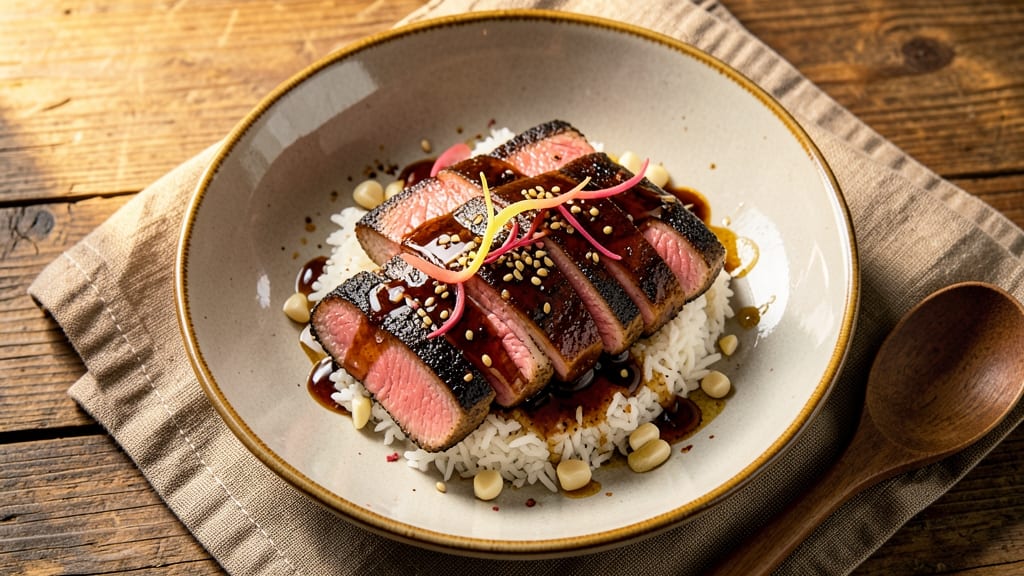
This baked tuna steak recipe with soy sauce delivers a crispy crust and tender, umami-rich center that rivals high-end sushi bar quality. The secret lies in marinating the tuna in a soy-based mixture that enhances natural flavors while creating that coveted texture contrast.
I developed this after years of perfecting my searing technique—no overcooking, just perfectly balanced doneness every time.
The magic happens in three simple stages: a quick sear to lock in juices, a soy-infused marinade that builds depth, and a final bake that achieves that signature crispy exterior.
This method transforms simple ingredients into a restaurant-worthy dish that's surprisingly approachable for home cooks. The soy sauce not only flavors but also helps create that prized caramelized crust.
What you'll end up with is a tuna steak that's crispy on the outside with a velvety, buttery interior—each slice offering a perfect balance of textures and umami richness. The soy marinade adds subtle sweetness that complements the tuna's natural oceanic flavor.
This recipe serves two as an elegant main course or four as part of a bento-style meal.
Pair with steamed jasmine rice and quick-pickled vegetables for a complete meal that's both satisfying and balanced. The crispy crust holds up beautifully when sliced, making it perfect for plating with confidence. Let's get started on this foolproof technique that delivers professional results at home.
Ingredients for baked tuna steak recipe soy sauce
Twelve ingredients transform into a restaurant-quality tuna steak with perfect crispy crust and tender core.
| Ingredient | Amount | Notes |
|---|---|---|
| Fresh Ahi Tuna Steaks 🐟 | 2 whole | 1-inch thick, center-cut preferred |
| Japanese Soy Sauce 🍶 | ¼ cup | Kikkoman preferred for balance |
| Mirin 🍶 | 2 tbsp | Sweet cooking wine essential |
| Sesame Oil 🫒 | 1 tbsp | Toasted sesame oil only |
| Fresh Ginger 🧅 | 1 tbsp | Finely grated, aromatic |
| Garlic Cloves 🧄 | 3 cloves | Minced for aromatic depth |
| Unsalted Butter 🧈 | 2 tbsp | Cold, for crust formation |
| Panko Breadcrumbs 🍞 | ¼ cup | Light, for crispy texture |
| Extra-Virgin Olive Oil 🫒 | 1 tbsp | High smoke point preferred |
| Diamond Crystal Kosher Salt 🧂 | 1 tsp | Fine grain for even seasoning |
| Freshly Ground Black Pepper 🌶️ | ½ tsp | Cracked peppercorns preferred |
| Jasmine Rice 🍚 | 1 ½ cups | Uncooked, for serving |
| Lemon Wedges 🍋 | 2 whole | For serving, fresh squeezed |
The tuna selection is critical for this recipe. Center-cut ahi steaks yield the best texture contrast—avoid fatty belly cuts that can overpower the delicate marinade. Sushi-grade is non-negotiable to ensure food safety and quality. For the soy sauce, Kikkoman Japanese soy sauce provides the ideal balance of saltiness and umami without overpowering. The mirin adds subtle sweetness that complements the tuna's natural flavors. Buy mirin in small bottles—it's expensive and best used fresh. Fresh ginger and garlic should be vibrant and aromatic; any signs of mold or dullness mean it's past its prime. Grate the ginger with a microplane for maximum surface area and flavor extraction.
No mirin? Substitute 1 tbsp honey plus 1 tbsp rice vinegar for similar sweetness and acidity balance. For sesame oil, toasted sesame oil is essential—regular oil lacks the nutty depth. If you can't find panko, Japanese-style breadcrumbs work best, but regular panko in a pinch will still create crispiness. The butter must be cold when applied to create that signature crust. Take it straight from the fridge and let it sit at room temperature for just 5 minutes before using. For the rice, jasmine rice is ideal due to its delicate aroma, but basmati works equally well. The lemon should be freshly squeezed—bottled juice lacks the bright acidity needed to cut through the richness.
Store fresh tuna in the coldest part of your fridge, wrapped tightly in plastic, and use within 2 days for optimal texture. The marinade components (soy sauce, mirin, sesame oil) can be pre-mixed and stored in an airtight container for 3 days in the refrigerator. For the rice, cook it just before serving to maintain perfect texture. Steam the jasmine rice with a splash of water in the pot for extra fluffiness. The crispy crust holds best when served immediately, but if you must reheat, use the broiler for 2-3 minutes to restore crispiness. Portion the rice into individual containers for easy meal prep—this dish reheats beautifully for lunch the next day.
Why You'll Love This Recipe
- No-Fuss Baking: I swear by this method—just toss the tuna in a marinade of soy sauce, mirin, and grated ginger, then bake it. No searing, no flipping, no stress. The oven does all the work while I sip my coffee.
- Umami Bomb: That combo of Japanese soy sauce and sesame oil? It’s like a flavor explosion in your mouth. The mirin adds a touch of sweetness that balances the salt, and the ginger gives it a little kick—simple ingredients, but wow.
- Weeknight Hero: Between us, this is my go-to when I’m too tired to cook. It’s ready in 20 minutes, pairs with rice in seconds, and even my picky husband doesn’t complain. (Yes, even on a Tuesday night.)
- Leftover Goldmine: The best part? The tuna holds up perfectly for leftovers. I’ll bake a double batch, slice it up for sushi bowls the next day, or toss it into a quick stir-fry. No waste, all flavor.
Step-by-step instructions for baked tuna steak with soy sauce
This method delivers a perfect balance of crispy crust and tender, umami-rich tuna every time.
Prepare the Marinade and Season the Tuna
In a small mixing bowl, combine the 0.25 cup Japanese Soy Sauce, 2 tbsp Mirin, 1 tbsp Sesame Oil, 1 tbsp finely grated Fresh Ginger, and 3 minced Garlic Cloves. Whisk vigorously until fully emulsified—this creates a cohesive marinade that will penetrate the tuna evenly. The acidity from the soy sauce and mirin helps tenderize the fish while adding depth of flavor.
Pat the 2 whole Fresh Ahi Tuna Steaks completely dry with paper towels. This step is crucial—any moisture on the surface will prevent that coveted crispy crust from forming. Place each steak on a wire rack set over a plate to ensure air circulates on all sides. Generously brush both sides of each steak with the marinade, allowing it to soak in for 10-15 minutes at room temperature. The tuna should develop a glossy sheen and absorb the marinade's vibrant colors.
Create the Crust and Preheat the Oven
In a separate small bowl, mix the 0.25 cup Panko Breadcrumbs with 1 tsp Diamond Crystal Kosher Salt and 0.5 tsp Freshly Ground Black Pepper. The panko's light texture will create an airy, crispy crust rather than a dense coating. Press the cold 2 tbsp Unsalted Butter into the breadcrumb mixture using your fingers until evenly distributed—this fat will help create a golden, shatteringly crisp exterior.
Preheat your oven to 425°F with the rack positioned in the center. While the oven heats, place a large oven-safe skillet over medium heat and add 1 tbsp Extra-Virgin Olive Oil. Once the oil shimmers (about 30 seconds), carefully place the marinated tuna steaks in the skillet, skin-side down if present. Cook undisturbed for 1 minute until a golden crust begins to form. Flip the steaks and immediately press the breadcrumb mixture firmly onto both sides, covering completely. The heat will activate the butter in the breadcrumbs, creating an instant crust.
Bake to Perfect Doneness
Transfer the breaded tuna steaks to a baking sheet lined with parchment paper. Bake in the preheated 425°F oven for 8-10 minutes, depending on thickness. The steaks are done when the internal temperature reaches 125°F at the thickest part—use an instant-read thermometer for accuracy. You'll know they're perfect when the crust is deep golden brown with crisp edges that shatter slightly when pressed.
Remove the tuna from the oven and let rest for 3-5 minutes before serving. This resting period allows the juices to redistribute, ensuring each bite remains moist and flavorful. The contrast between the crispy exterior and tender interior is what makes this preparation truly exceptional. Serve immediately with the 1.5 cups cooked Jasmine Rice and the 2 whole Lemon Wedges for a bright, finishing touch.
Prepare the Jasmine Rice (Optional)
While the tuna bakes, rinse the 1.5 cups Jasmine Rice under cold water until the water runs clear. This removes excess starch that would otherwise make the rice gummy. Combine the rice with 3 cups water in a pot and bring to a boil. Once boiling, reduce heat to low, cover, and simmer for 15 minutes. Remove from heat and let sit, covered, for an additional 10 minutes. Fluff with a fork before serving alongside the tuna steaks.
Pro Tips For Making Baked Tuna Steak Recipe Soy Sauce
- Pat the tuna dry: Ahi tuna releases water when cooked—skip the paper towels if you’re in a rush, but do press it firmly with a clean kitchen towel for 2-3 minutes before baking. The difference? A crust that actually sticks instead of steaming away like a sad cloud. (Yes, it’s fussy, but the payoff is worth it.)
- Use a meat thermometer: Ahi tuna’s done at 125°F (52°C)—any hotter and it turns rubbery. I learned this after overcooking a batch and serving something that tasted like shoe leather. Preheat your oven to 375°F (190°C), but pull it out when the internal temp hits that mark, even if it looks underdone.
- Toast the ginger first: Skip the raw ginger paste—peel, slice, and sear the ginger in sesame oil for 30 seconds until fragrant. The caramelized edges add depth that jarred paste can’t match. (Pro move: Add a pinch of sugar if your ginger tastes bitter.)
- Don’t drown the tuna: The marinade (soy + mirin) should coat the steaks lightly, not pool underneath. I used to pour it all over, thinking more flavor was better—until I realized the tuna just got soggy. Brush on 1 tablespoon per steak, then reserve the rest for drizzling after baking.
Perfect pairings for this dish
Rice Pairings
Steamed jasmine rice is my go-to pairing—its delicate floral aroma complements the tuna's umami without overpowering it. Cook 1.5 cups uncooked jasmine rice with 3 cups water for perfectly fluffy grains that soak up any residual marinade.
For extra fluffiness, add a splash of water to the pot while steaming. 🍚
For a heartier option, try short-grain sushi rice cooked with 2 tbsp rice vinegar and 1 tbsp sugar per cup. This creates a slightly sticky texture that mirrors traditional Japanese presentations. Serve with pickled ginger on the side for that authentic bento-box feel.
Vegetable Sides
Quick-pickled vegetables add bright acidity to balance the richness. Thinly slice 1 cucumber and 1 carrot, then toss with 2 tbsp rice vinegar, 1 tsp sugar, and a pinch of red pepper flakes.
Let sit for 15 minutes before serving—this simple prep elevates the whole meal. 🥒
For a warm option, sauté 1 cup broccolini in 1 tbsp sesame oil with 1 minced garlic clove until tender-crisp. Finish with a squeeze of lemon to mirror the marinade's brightness. The crisp-tender texture contrasts beautifully with the tuna's crust.
Drink Pairings
A crisp dry sake like Dassai Junmai enhances the dish's umami notes without competing. The clean finish cuts through the soy sauce's saltiness while complementing the tuna's natural sweetness. For a non-alcoholic option, try sparkling yuzu soda—its citrusy effervescence mirrors the lemon wedges. 🍶
If you prefer beer, opt for a light Japanese lager such as Asahi Super Dry. The subtle maltiness and crispness provide a neutral backdrop that lets the tuna shine. Avoid heavy IPAs or malty stouts that could overpower the delicate flavors.
Garnish Finishes
Fresh microgreens or shiso leaves add vibrant color and a subtle herbal note. Tuck a few leaves under each slice of tuna when plating for an elegant touch. A drizzle of toasted sesame oil right before serving intensifies the nutty aroma. 🌱
For a smoky finish, sprinkle furikake seasoning over the tuna before plating. This Japanese blend of sesame seeds, seaweed, and bonito flakes adds texture and depth. Pair with a final squeeze of lemon to brighten the plate and palate.
Nutrition facts
Frequently asked questions
Can I substitute regular soy sauce for Japanese soy sauce?
Japanese soy sauce (like Kikkoman) works best because it's less salty and has a smoother, more balanced umami flavor. Regular soy sauce can be too strong—it might overpower the delicate tuna. If you must use it, reduce the amount to 2 tablespoons and add 1 teaspoon sugar to balance the saltiness.
How do I know when the tuna is fully cooked?
Use an instant-read thermometer for accuracy—the tuna is done when the thickest part reaches 125°F. For visual cues, look for a deep golden-brown crust that's crispy but not burnt. The center should still look slightly translucent with a hint of pink. Overcooking will make it dry, so never exceed 10 minutes in the oven.
What if I don’t have mirin? Can I make a substitute?
Yes! Mix 1 tablespoon honey with 1 tablespoon rice vinegar for a quick substitute. This combo mimics mirin's sweetness and acidity. For deeper flavor, add ½ teaspoon grated ginger to the mix. The dish will still taste delicious, though mirin's unique umami is ideal.
Can I make this recipe ahead of time?
Prep the marinade and mix the breadcrumb crust up to 1 day ahead—store both in airtight containers in the fridge. However, bake the tuna fresh for the best texture. If reheating leftovers, use the broiler for 2-3 minutes to restore crispiness. The crust loses its crunch when reheated conventionally.
What’s the best way to slice the tuna for serving?
Use a sharp, long knife to slice against the grain into ¼-inch thick pieces. Angle the knife slightly for cleaner cuts. Serve immediately after slicing to maintain texture. For extra presentation, fan the slices slightly on the plate and garnish with lemon wedges or sesame seeds.