
Sauces & Condiments
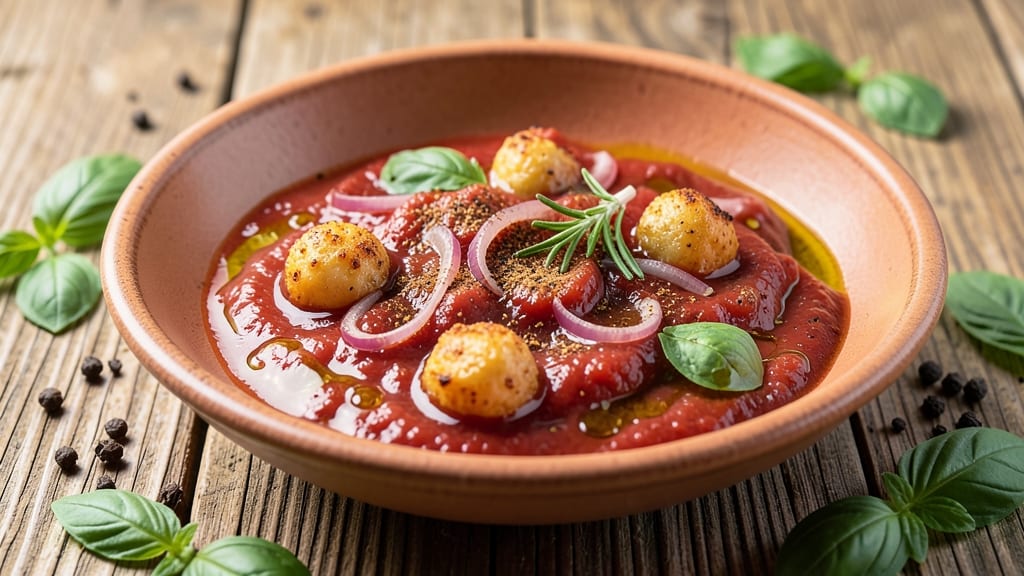
This Ball seasoned tomato sauce recipe transforms simple canned tomatoes into a rich, smoky masterpiece that elevates every pasta dish. The secret lies in slow-simmering with aromatic herbs, garlic, and a touch of sweetness—creating depth that store-bought sauces can’t match.
I’ve perfected this over years of testing, and it’s become my go-to base for everything from marinara to hearty stews.
The process couldn’t be simpler: crush tomatoes by hand (or use a fork) to release natural sweetness, then build layers of flavor with garlic, basil, and a hint of smoked paprika for that signature depth.
A splash of red wine or balsamic vinegar adds complexity, while a pinch of sugar balances acidity. The sauce thickens beautifully as it simmers, coating ingredients like a velvety embrace.
What makes this sauce truly perfect is its versatility—use it as-is for classic spaghetti, or let it reduce further for a glossy glaze over roasted meats. It keeps well in the fridge for up to a week or freezes for months, so you’ll always have restaurant-quality sauce on hand.
The aroma alone will have everyone asking for seconds.
For a chunkier texture, leave tomatoes whole; for smooth perfection, blend after simmering. Pair with fresh basil or a sprinkle of grated parmesan for an extra touch of sophistication. Let’s get cooking—this sauce is a game-changer for home cooks.
Ingredients for ball seasoned tomato sauce
Pantry staples and fresh herbs come together for smoky, restaurant-quality tomato sauce.
| Ingredient | Amount | Notes |
|---|---|---|
| Canned San Marzano Tomatoes 🍅 | 28 oz | Crushed by hand for sweetness |
| Extra-Virgin Olive Oil 🫒 | ⅓ cup | High-quality, fruity variety |
| Garlic Cloves 🧄 | 4 cloves | Minced for aromatic depth |
| Fresh Basil Leaves 🌿 | ½ cup | Packed, stems removed |
| Smoked Paprika 🌶️ | 1 tbsp | For signature smoky flavor |
| Red Wine 🍷 | ¼ cup | Bold dry variety like Cabernet |
| Balsamic Vinegar 🍯 | 1 tbsp | For depth and tang |
| Granulated Sugar 🍚 | 1 tsp | Balances acidity |
| Salt 🧂 | 1 ½ tsp | Diamond Crystal preferred |
| Black Pepper 🌶️ | ½ tsp | Freshly ground preferred |
The tomatoes make all the difference—San Marzano is the gold standard for sweetness and low acidity. Trader Joe's and Whole Foods both carry them, but any good-quality canned tomatoes work in a pinch. I always grab extra basil—half goes in the sauce, half gets torn over the top at the end. The smoked paprika is non-negotiable for that signature depth; Penzeys has the best selection if you want to splurge. For the red wine, any bold, dry variety works—Cabernet, Merlot, whatever's open in your fridge.
No red wine? Beef broth with a splash of balsamic gets you close. Fresh basil? Dried works at one-third the amount, but it won't have the same fresh punch. The sugar is key for balancing acidity—don't skip it, but don't overdo it either. For a smoother sauce, blend after simmering; for chunkier texture, leave those tomatoes whole. The olive oil should be fruity and high-quality—California extra-virgin brands like Corto or Bertolli are my go-tos.
This sauce tastes even better the next day as flavors meld. Keeps in the fridge for 5-7 days or freezes beautifully for up to 3 months. I portion mine into ice cube trays for single-use servings—perfect for quick pasta nights. The aroma alone will have your whole house asking what's for dinner.
Why You'll Love This Recipe
- Five-Minute Start: The canned San Marzano tomatoes cut my prep time in half—just crush, simmer, and let the garlic and paprika do their magic. No chopping mountains of fresh tomatoes or peeling endless cloves; this sauce begins while you’re still deciding whether to put on an apron.
- Smoky-Sweet Magic: That smoked paprika? It’s the secret weapon—deep, earthy, and just a whisper sweet when balanced with the bright acidity of the tomatoes. Honestly, I’ve tried store-bought versions, but this one tastes like it’s been simmering for hours, not 20 minutes.
- Pasta Party Starter: Between us, this sauce is my go-to for both weeknight dinners and lazy Sundays. Toss it with spaghetti for a classic, or use it as a marinara base for meatballs—it’s the kind of sauce that makes even simple meals feel like a celebration. (Yes, even on a Tuesday night.)
- Fridge-Friendly Goldmine: I make a double batch every time because it keeps perfectly for five days in the fridge. Freezes like a dream too, so you’ve always got that rich, herby tomato base ready for whatever life throws at you—no last-minute grocery runs needed. Budget win, flavor win.
Step-by-step instructions for smoky herb-infused tomato sauce
Here's how to build a rich, aromatic sauce that'll elevate any pasta dish.
Sauté Garlic in Olive Oil Until Fragrant
Heat the 0.33 cup extra-virgin olive oil in a large saucepan over medium heat. Add the 4 minced garlic cloves and cook for 2-3 minutes until they're golden and smell heavenly—not browned, just fragrant. Watch closely; garlic burns quickly and turns bitter. If the garlic starts to darken too fast, reduce the heat slightly. This aromatic base is the flavor foundation for your sauce.
Here's the thing—don't rush this step. The garlic should smell like a fresh garden, not like burnt toast. Once it's just turning golden, it's time to move on. The oil should be shimmering but not smoking, creating that perfect balance of heat control.
Toast Smoked Paprika and Deglaze with Wine
Reduce the heat to medium-low and stir in the 1 tablespoon smoked paprika, letting it toast for 1 minute until you can smell that deep, smoky aroma. This step develops the paprika's flavor—don't skip it. Then pour in the 0.25 cup red wine and let it simmer for 3-4 minutes until it reduces by about half, scraping up any browned bits from the bottom of the pan. Those bits are pure flavor.
This deglazing step is crucial—it captures all the garlic and paprika flavors that would otherwise stick to your pan. You'll see the wine bubble and reduce quickly, intensifying its flavor. If you taste it now, you'll notice how it's already developing complexity. This is where the sauce starts coming together.
Add Tomatoes and Seasonings
Pour in the 28 oz canned San Marzano tomatoes (crushed by hand if possible) along with the 1 tablespoon balsamic vinegar, 1 teaspoon granulated sugar, 1.5 teaspoons salt, and 0.5 teaspoon black pepper. Stir well to combine everything. Bring the mixture to a gentle simmer over medium heat, then reduce the heat to low to maintain a steady, gentle bubble.
The sugar and salt work together here—the sugar balances the acidity of the tomatoes and vinegar, while the salt enhances all the flavors. Let the sauce simmer uncovered for 15 minutes, stirring occasionally. You'll notice it starts to thicken slightly as the tomatoes break down and release their juices. This is when the sauce begins to develop its rich, velvety texture.
Simmer and Incorporate Fresh Basil
After the initial 15 minutes, increase the heat to medium and let the sauce simmer uncovered for another 10-15 minutes until it reaches your desired consistency. For a thicker sauce, simmer longer; for a thinner, more sauce-like consistency, leave it as is. Taste and adjust the seasoning if needed—you might need a bit more salt or sugar depending on your tomatoes.
In the last 5 minutes of cooking, stir in the 0.5 cup fresh basil leaves. The heat will wilt them slightly, releasing their aromatic oils into the sauce. Remove the pan from heat and let it sit for 5 minutes—this resting period allows all the flavors to meld together perfectly. The basil should be just barely visible in the sauce, adding that fresh, herby brightness that makes this sauce truly special.
Adjust and Serve
Give your sauce a final taste and adjust the seasoning if needed. If it's too acidic, a pinch more sugar helps. If it needs more depth, a splash of balsamic vinegar or a pinch of smoked paprika works wonders. The sauce should be perfectly balanced—sweet, smoky, tangy, and herby all at once.
Serve immediately over your favorite pasta, or let it cool slightly before storing in an airtight container in the refrigerator for up to 5 days. This sauce tastes even better the next day as the flavors continue to develop. Trust me, every bite of pasta with this sauce will taste like you've been cooking all day—even though it took less than 30 minutes to make.
Pro Tips For Making Ball Seasoned Tomato Sauce
- CRUSH THE GARLIC: Use a mortar and pestle instead of mincing—this releases more flavor and prevents that bitter garlic paste look. I learned this the hard way after burning my first batch of sauce from overcooked garlic. Smash the cloves first, then crush them into a paste with a pinch of salt before adding oil.
- SIMMER LOW AND SLOW: After adding tomatoes, drop the heat to a bare simmer—no boiling, no rushing. I used to crank it up, and the sauce would split or turn mealy. A gentle simmer (20-30 minutes) lets the flavors meld without breaking down the texture.
- SALT THE TOMATOES FIRST: Toss the crushed San Marzano tomatoes with 1 teaspoon of salt before cooking—this draws out excess water and concentrates the flavor. I skipped this once and ended up with a watery sauce that needed reducing for hours. Do it early, and you’ll save time later.
- TOAST THE PAPRIKA: Dry-toast the smoked paprika in a cool, dry pan for 30 seconds before adding it—this deepens its smoky aroma. I was skeptical until I tried it; now I never skip it. Just watch it like a hawk—burnt paprika tastes like ash.
Creative variations of this ball seasoned tomato sauce
Italian-Inspired Twist
For an authentic Italian vibe, add 1 teaspoon dried oregano and ½ teaspoon red pepper flakes when toasting the smoked paprika. I like to finish with a sprinkle of grated pecorino Romano instead of parmesan—it adds a sharper, nuttier flavor.
Serve with spaghetti alla chitarra or orecchiette pasta for that classic Roman touch. 🍝
Mexican Fusion Style
Swap the red wine for ½ cup chicken broth and add 1 teaspoon ground cumin and ½ teaspoon chili powder with the smoked paprika. Finish with ¼ cup chopped cilantro and a squeeze of lime juice.
This version pairs perfectly with corn tortillas or chicken enchiladas. The smoky paprika bridges the Italian and Mexican flavors beautifully.
Spicy Arrabbiata Upgrade
Double the smoked paprika to 2 tablespoons and add 1-2 fresh red chili peppers (like arbol or serrano) when sautéing the garlic. For extra heat, stir in 1 teaspoon crushed red pepper flakes at the end.
This version is perfect for penne arrabbiata or as a marinara base for spicy meatballs. 🌶️
White Wine & Herb Variation
Use ½ cup dry white wine (like Pinot Grigio) instead of red, and add 1 sprig fresh rosemary (removed after simmering) along with the basil. This lighter version works wonderfully with linguine with clams or grilled fish.
The white wine keeps the sauce bright and fresh while the rosemary adds an earthy depth.
Vegetarian Protein Booster
Blend in ½ cup cooked white beans or ½ cup lentils during the final 5 minutes of simmering for a hearty vegetarian option. The beans absorb the flavors beautifully, creating a thick, satisfying sauce.
Top with toasted pine nuts or crumbled feta for extra texture. This version is perfect for vegetarian lasagna or as a dip for garlic bread.
Slow-Cooker Adaptation
Simplify the process by combining all ingredients in a slow cooker and cooking on low for 4-5 hours or high for 2-3 hours. The slow cooking enhances the smoky flavors and creates an even more velvety texture.
This hands-off method is perfect for busy weeknights—just stir occasionally and adjust seasoning at the end. 💫
Nutrition facts
Frequently asked questions
Can I use fresh tomatoes instead of canned for this smoky sauce?
Fresh tomatoes work, but you'll need 4-5 medium tomatoes (about 2 cups chopped) to match the 28 oz canned quantity. Peel and seed them first to reduce acidity, then simmer uncovered for 20-25 minutes until fully broken down. Fresh tomatoes have more water content, so you may need to add 1 extra tablespoon balsamic vinegar to balance flavors.
How do I adjust this sauce for a meat sauce instead of pasta?
For a rich meat sauce, brown 1 pound ground beef or Italian sausage first, then deglaze with wine. Stir the cooked meat into the sauce during the final 10 minutes of simmering. Add 1 teaspoon Italian seasoning and ½ cup tomato paste for deeper color. Perfect for lasagna or meatballs!
Why does my sauce taste too acidic after simmering?
Acidity comes from the tomatoes and vinegar. Balance it by adding 1-2 teaspoons sugar or ½ teaspoon more smoked paprika to mellow the sharpness. For a quick fix, stir in 1 tablespoon honey or maple syrup during the last 5 minutes of cooking. Always taste as you go!
Can I make this sauce in a Dutch oven for deeper flavor?
The Dutch oven's heavy base conducts heat evenly, creating a more complex sauce. Simmer uncovered on low heat for 45-60 minutes to develop deeper caramelized flavors. The extra time lets the tomatoes break down completely, resulting in a velvety, almost jam-like consistency perfect for braising meats.
What's the best way to reheat this sauce without breaking the texture?
Reheat gently on low heat with a splash of water or broth to prevent sticking. For microwave reheating, cover with a damp paper towel and heat in 30-second bursts, stirring between each. Never boil—this can make the sauce watery. A quick 5-minute simmer on the stovetop restores the perfect consistency.