
Sauces & Condiments
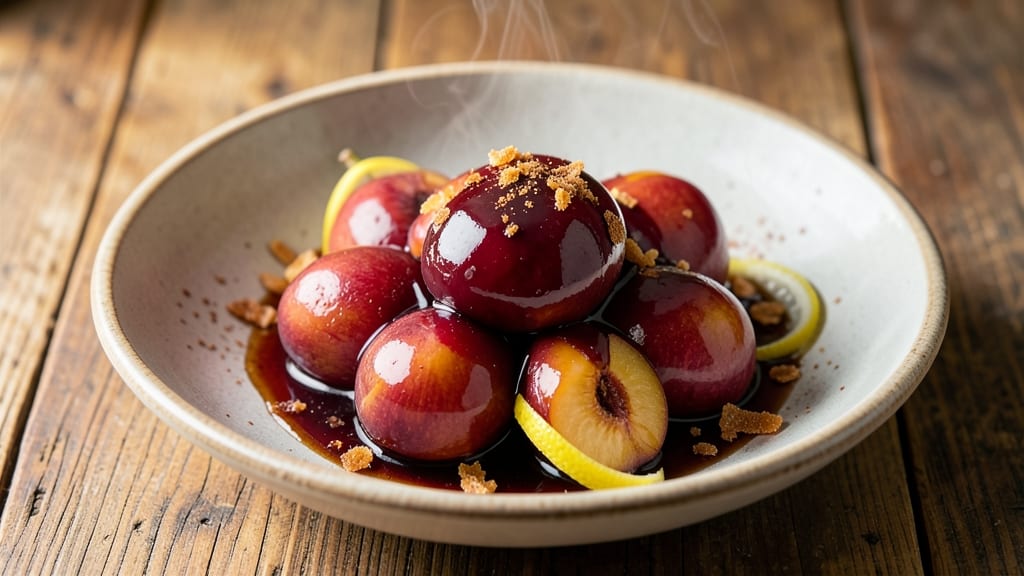
This balsamic plum sauce recipe transforms simple ingredients into a fruity-sweet glaze that elevates grilled meats to restaurant-quality levels. The balance of tart balsamic vinegar and ripe plums creates a complex sauce with just the right amount of depth and brightness—perfect for drizzling over pork, chicken, or even roasted vegetables.
What makes this recipe stand out is how easily it comes together with just a few pantry staples and a little patience for simmering.
The process is straightforward but requires attention to reduction, which intensifies the flavors and creates that signature glossy finish. You'll start by simmering plums with sugar until they break down into a jam-like consistency, then incorporate balsamic vinegar to add tang and complexity.
Optional spices like cinnamon or ginger can add warmth, but the classic version relies on the natural sweetness of the fruit and the acidity of the vinegar to shine.
What you'll end up with is a versatile sauce that's rich enough to stand alone but bright enough to complement rich meats. It thickens naturally as it reduces, creating a glossy, syrupy texture that clings beautifully to grilled dishes.
The best part? This sauce keeps well in the refrigerator for up to two weeks, making it a perfect make-ahead condiment for your next cookout or dinner party.
Whether you're serving it over grilled pork chops, brushing it on chicken thighs, or drizzling it over roasted vegetables, this balsamic plum sauce will add a touch of sophistication to any meal.
The combination of fruit, vinegar, and spices creates a sauce that's both familiar and exciting—something you'll reach for again and again.
Ingredients for balsamic plum sauce
Pantry staples meet summer fruit for this restaurant-worthy glaze.
| Ingredient | Amount | Notes |
|---|---|---|
| Fresh Plums 🍑 | 1 ½ lb | Pitted and halved, ripe but firm |
| Granulated Sugar 🍚 | 1 cup | Light or dark brown adds depth |
| Balsamic Vinegar 🍷 | ½ cup | Aged, not the cheap stuff |
| Water 💧 | ½ cup | For thinning if needed |
| Fresh Lemon Juice 🍋 | 1 tbsp | Brightens the sauce |
| Ground Cinnamon 🌿 | ½ tsp | Optional but adds warmth |
| Salt 🧂 | ¼ tsp | Kosher or sea salt |
| Black Pepper 🌶️ | ⅛ tsp | Freshly cracked preferred |
Plums are the star—ripe but firm ones hold shape better. Local farmers markets often have perfect ones in summer, but grocery store plums work too if they're juicy and vibrant. Skip the canned plums—they're mushy and lack freshness. Sugar is where you can play: light brown adds subtle molasses notes, while white keeps it crisp. For balsamic, aged vinegar (like the dark, syrupy kind) gives that rich depth you can't get from regular. I always grab a small bottle of Balzarini or Bartolomei from the Italian section—they're worth the splurge.
No fresh plums? Frozen plums or even dried plums (soaked in warm water) work in a pinch, but texture changes. Running short on balsamic? Substitute red wine vinegar at half the amount, but you'll lose that signature caramelized depth. Skip the cinnamon if you're not a fan—a pinch of ginger or vanilla extract can add warmth instead. The lemon juice is crucial for brightness, but if you're out, orange zest works beautifully. For a smoother sauce, blend the cooked plums before adding vinegar—just don't overdo it or it'll turn into jam.
This sauce thickens as it cools, so don't stress if it looks thin when hot. Store in a clean glass jar in the fridge for up to 2 weeks. The flavors actually improve over time—it gets more concentrated and complex. For make-ahead parties, freeze in ice cube trays and pop out single portions. Reheat gently in a small saucepan or microwave in 20-second bursts. Trust me, leftovers taste even better—it's like liquid gold waiting to happen.
Why You'll Love This Recipe
- Five-Ingredient Magic: I swear by this—just plums, sugar, balsamic, water, and lemon. That’s it. The kind of recipe where you won’t overthink the grocery list or stress about measuring wrong.
- Sweet-Tart Balance: The balsamic deepens as it simmers, while the lemon keeps it bright. It’s like summer in a jar—rich but never heavy, with that perfect tang-sweet punch that makes you want to drizzle it everywhere.
- Glazes Everything: Grilled chicken? Pork chops? Even roasted potatoes. This sauce clings like a dream, adding that sticky, caramelized finish without fuss. I keep a jar in the fridge for spontaneous flavor boosts.
- Make-Ahead Gold: Simmer it down, let it cool, and it keeps for weeks in the fridge. Honestly, I make a big batch when plums are cheap, then use it all season—no waste, no last-minute shopping. Budget win.
Step-by-step instructions for balsamic plum sauce
Here's how to create a luscious, balanced glaze that pairs perfectly with grilled meats.
Pit and Halve the Plums
Start by pitting and halving the 1.5 lb fresh plums, removing any stems. I like to use a small paring knife to carefully cut around the pit and lift it out—this preserves the fruit's shape better than a pitter. Arrange the plums cut-side up in a medium saucepan, ensuring they form a single layer. This arrangement helps them cook evenly and prevents a mushy texture.
Add the 1 cup granulated sugar and sprinkle it evenly over the plums. Give everything a gentle stir with a wooden spoon to distribute the sugar completely. The sugar will begin to dissolve immediately, creating a light syrup that coats the fruit. This step is crucial for balancing the natural tartness of the plums with just the right amount of sweetness—don't skip it.
Simmer Until Plums Break Down
Place the saucepan over medium-high heat and bring the mixture to a gentle boil. Once bubbling, reduce the heat to medium-low and let it simmer uncovered for 15-20 minutes. You'll see the plums soften and release their juices, creating a thick, fragrant mixture. Stir occasionally to prevent sticking, but don't over-stir—this can break down the fruit too quickly.
Here's the thing—you want the plums to become tender but still hold their shape slightly. When they're ready, you'll notice they've softened enough that a fork can easily pierce them, but they shouldn't be completely mushy. This stage is all about building the base of your sauce while preserving some texture.
Add Balsamic and Water
Once the plums are tender, carefully pour in the 0.5 cup balsamic vinegar and 0.5 cup water. The balsamic will add depth and complexity, while the water helps thin the sauce slightly for easier drizzling. Give everything a thorough stir to combine, then return the heat to medium-low. Let the mixture simmer uncovered for another 10-12 minutes, stirring occasionally.
This is where the magic happens—the balsamic vinegar will begin to mellow out, losing its sharp acidity as it cooks down with the plums. You'll notice the sauce thickening as the liquid reduces. Watch for it to become syrupy but still pourable—this is the perfect consistency for a glaze. If it thickens too much before reaching this point, add a splash of water to loosen it.
Finish with Aromatics and Seasonings
After the balsamic has integrated, remove the saucepan from heat and let it cool slightly for 2-3 minutes. This prevents the fresh lemon juice from curdling when added. Stir in the 1 tbsp fresh lemon juice, 0.5 tsp ground cinnamon, 0.25 tsp salt, and 0.125 tsp black pepper. The lemon brightens the flavors, while the cinnamon adds warmth that complements the balsamic perfectly.
Give everything a final taste and adjust the seasoning if needed. I usually find the sauce is perfectly balanced at this point, but if it needs more sweetness, add a pinch of sugar, or if it's too sharp, a tiny splash of water helps. The sauce should be vibrant, with a perfect harmony of sweet, tangy, and spiced notes—this is your fruity-sweet glaze ready to elevate any grilled meat.
Strain and Cool for Perfect Texture
For a smooth, refined sauce, strain the mixture through a fine-mesh sieve into a clean bowl or jar, pressing gently on the plums with a spoon to extract all the juices. If you prefer a slightly rustic texture with small plum pieces, skip the straining step. Let the sauce cool completely to room temperature before serving—this allows the flavors to meld even more.
The cooled sauce will thicken slightly as it sits, making it ideal for drizzling over grilled chicken, pork chops, or even as a dip for fresh cheese. Store any leftovers in an airtight container in the refrigerator for up to 1 week, or freeze for up to 3 months. The flavors actually improve with time, so don't hesitate to make extra—this sauce is too good to keep just for one meal!
Pro Tips For Making Balsamic Plum Sauce
- PEEL PLUMS AFTER COOKING: I learned this the hard way—peeling raw plums first makes the sauce watery and dull. Cook them whole with skins on, then peel after simmering. The skins soften and release natural sweetness, while peeling afterward avoids messy pits and pulp.
- USE REDUCED BALSAMIC: Skip the cheap stuff straight from the bottle. Simmer ¼ cup balsamic vinegar down to 2 tablespoons first—it deepens the flavor and cuts the harsh acidity. (Yes, it takes 10 minutes, but your sauce will taste like it’s from a restaurant.)
- STRAIN OUT PITS: One pit left in the sauce ruins the texture. After cooking, press the plums through a fine-mesh sieve or use a fork to mash them against the strainer. A quick 30-second extra step keeps your sauce silky smooth—no one wants to bite into a pit.
- ADD SUGAR GRADUALLY: Dumping all the sugar at once risks a syrupy mess. Start with half, simmer until slightly thickened, then adjust. The sauce will reduce naturally, and you’ll avoid that cloying sweetness that makes people push their plates away.
Dietary considerations for this recipe
Gluten-Free Adaptation
This sauce is naturally gluten-free as written, since it only contains fresh fruit, vinegar, sugar, and spices. However, always double-check your balsamic vinegar label—some brands process their vinegar in facilities that handle gluten-containing ingredients.
I recommend Balzarini or Bartolomei aged balsamic, both of which are certified gluten-free. The same goes for your cinnamon—some spice blends contain anti-caking agents with gluten. Stick to single-ingredient spices for safety. 🌱
Sugar-Free Option
For a lower-sugar version, reduce the granulated sugar to ½ cup and replace the remaining ½ cup with a sugar substitute like erythritol or monk fruit sweetener. These alternatives won't caramelize like sugar, so the sauce will have a slightly different texture but still deliver sweetness.
Alternatively, use unsweetened applesauce (½ cup) to add natural sweetness while reducing sugar content. Taste as you go—you may need to add a splash of water to maintain the right consistency.
Vegan Considerations
This recipe is already vegan-friendly, but there's one key adjustment: use vegan-friendly balsamic vinegar if you're concerned about animal-derived processing additives. Some traditional balsamic vinegars contain traces of honey or animal-based fining agents.
I recommend checking the label or opting for raw, unfiltered balsamic vinegar from reputable brands. The rest of the ingredients—plums, sugar, lemon juice, and spices—are all plant-based by default. 💚
Allergy-Friendly Tips
If you have nut allergies, this sauce is completely safe as it contains no nuts or nut-derived ingredients. For those with citrus allergies, omit the lemon juice and replace it with orange juice or a pinch of vanilla extract for brightness.
If you're sensitive to cinnamon, simply leave it out—it's optional for warmth. Always check your sugar source for cross-contamination warnings if you have severe allergies. I keep a separate spice rack for allergy-friendly ingredients to avoid cross-contact. 🛡️
Low-Sodium Version
To reduce sodium, cut the salt to ¼ tsp or omit it entirely—this sauce relies more on the natural sweetness and acidity for balance. If you're avoiding salt completely, enhance the flavors with an extra ½ tsp lemon juice or a pinch of smoked paprika for depth.
The balsamic vinegar already provides enough umami richness, so you won't miss the salt if you're mindful of portion sizes. Always taste as you go to adjust to your preference. 🧂
Nutrition facts
Frequently asked questions
Can I substitute dried plums for fresh?
Yes, but you'll need to soak 1 cup dried plums in warm water for 15 minutes first, then drain before using. The texture will be slightly thicker, so add 1-2 extra tablespoons of water during simmering. Dried plums work well but lose some of the fresh fruit's brightness.
How do I adjust the sweetness level?
Taste as you go! For less sweetness, reduce sugar to ¾ cup and add 1 extra tbsp lemon juice for balance. For extra richness, increase sugar to 1.25 cups or add ½ tsp vanilla extract after cooking. The balsamic's acidity helps mask overly sweet flavors.
Can I make this sauce in a slow cooker?
Combine all ingredients in your slow cooker and cook on low for 3-4 hours or high for 2 hours, stirring occasionally. The slow cooker method creates a smoother texture but requires more monitoring to prevent over-reduction. Add water as needed to maintain desired consistency.
Why did my sauce turn out too thick?
This happens when the liquid reduces too much. Thin with 1-2 tbsp water or apple juice while warm, stirring gently. For future batches, simmer uncovered and check consistency frequently. The sauce will thicken more as it cools, so aim for a slightly thinner consistency when hot.
What are the best meats to pair with this sauce?
This sauce shines with grilled pork chops, duck breast, or chicken thighs. It also works beautifully with roasted vegetables like Brussels sprouts or as a glaze for tofu or halloumi cheese. The fruity-sweet balance complements rich, fatty meats perfectly while adding brightness to vegetarian dishes.