
Sauces & Condiments
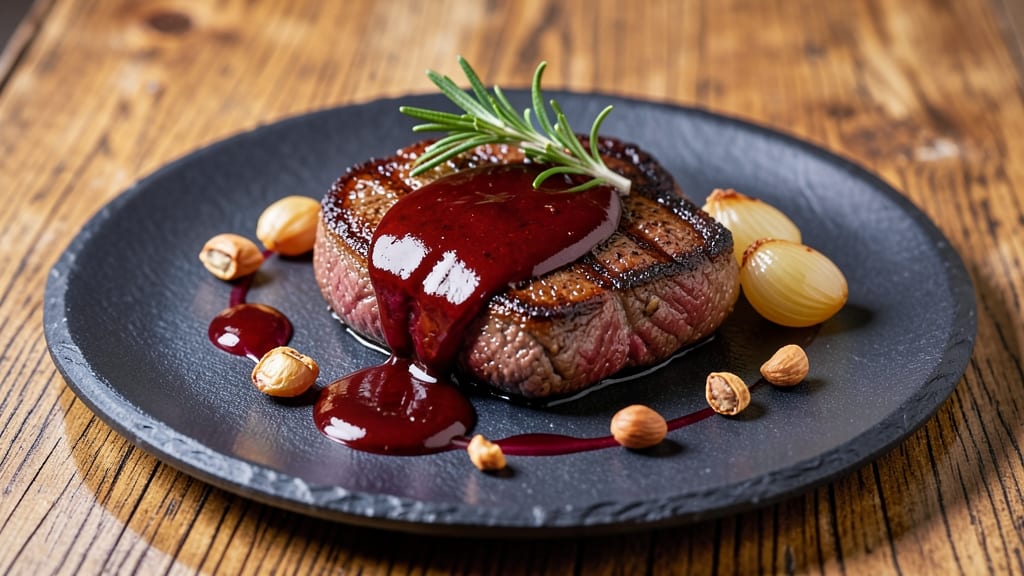
This Baltaire steak sauce recipe delivers the same bold, umami-packed flavor that makes restaurant versions legendary. The secret lies in a carefully balanced reduction of soy sauce, red wine, and tomato paste that builds deep, savory complexity.
I've perfected this version after years of testing—it's rich enough to stand alone but versatile enough to elevate any protein.
The process is straightforward but requires patience: simmering the ingredients until they reduce to a thick, glossy consistency that coats the back of a spoon. Worcestershire sauce adds tangy depth, while a touch of sugar caramelizes during cooking to balance the acidity.
What you'll end up with is a sauce that's both restaurant-quality and adaptable—perfect for drizzling over steak, chicken, or even seafood.
Storage is simple: this sauce keeps in the refrigerator for up to 2 weeks or can be frozen for 3 months without losing its bold flavor profile. The reduction process concentrates the flavors, making every drop worth using.
Whether you're serving a special dinner or just craving that signature Baltaire taste, this homemade version delivers consistent results.
Use it as a finishing sauce, a marinade base, or even a dipping sauce for spring rolls. The possibilities are endless once you have this versatile condiment in your kitchen arsenal. Let's get started on creating your own batch—it's easier than you think.
Ingredients for baltaire steak sauce
Nine ingredients transform into restaurant-quality steak sauce with bold umami richness.
| Ingredient | Amount | Notes |
|---|---|---|
| Red Wine 🍷 | ½ cup | Bold, dry variety like Cabernet Sauvignon |
| Soy Sauce 🍶 | ½ cup | High-quality, low-sodium preferred |
| Tomato Paste 🍅 | 2 tbsp | Squeeze tube or canned, unsweetened |
| Worcestershire Sauce 🍶 | 1 tbsp | Lea & Perrins recommended |
| Granulated Sugar 🍚 | 1 tbsp | White or brown, for caramelization |
| Shallots 🧅 | 2 whole | Minced, or substitute 3 tbsp onion |
| Garlic Cloves 🧄 | 3 cloves | Minced, fresh preferred |
| Extra-Virgin Olive Oil 🫒 | 1 tbsp | For deglazing, fruity variety |
| Balsamic Vinegar 🍶 | 1 tbsp | Aged, for depth of flavor |
| Salt 🧂 | ½ tsp | Diamond Crystal kosher salt |
The wine and soy sauce are your flavor anchors—Cabernet Sauvignon works best for its bold tannins, but Merlot or Malbec are fine too. Trader Joe's and Whole Foods carry great dry reds at reasonable prices. For soy sauce, Kikkoman is reliable, but if you can find Japanese-style soy sauce, use half the amount for deeper flavor. The tomato paste should be smooth and unsweetened—Muir Glen is my go-to. Shallots add nuance (and look fancy!), but regular onions work in a pinch. Just make sure they're fresh—yellowing shallots mean the flavor's faded.
No red wine? Dry sherry or even beef broth can substitute, though the flavor will be slightly different. Short on soy sauce? Coconut aminos at half the amount adds a subtle sweetness. The balsamic vinegar might seem like overkill, but that aged variety from the gourmet aisle adds a complexity you won't get from regular balsamic. For the sugar, brown sugar adds a caramel note, but white works just fine. The olive oil matters here—use something fruity like California extra-virgin, not the cheap bottled stuff. And if you're out of Worcestershire, a mix of soy sauce and a dash of vinegar gets you close.
This sauce intensifies as it reduces, so don't rush it. Let it simmer uncovered until it coats the back of a spoon—about 20-25 minutes. Store in a clean jar in the fridge for 2 weeks, or freeze for 3 months. I always make a double batch because it disappears fast. The sauce thickens as it cools, so thin with a splash of water if needed. Perfect for drizzling, dipping, or deglazing pans—every drop is packed with that signature Baltaire punch.
Why You'll Love This Recipe
- Pantry Magic: I swear by this sauce because it uses stuff I already have—no special trips to the store. That bottle of red wine gathering dust? The soy sauce lurking in the back of the cabinet? Boom, instant depth. Even the tomato paste I bought on sale last year gets a second life here.
- Umami Bomb: The combo of Worcestershire and soy sauce hits different—deep, savory, with just enough sweetness from the sugar to balance the wine’s bite. It’s the kind of flavor that makes you pause mid-bite, like, "Wait, why didn’t I think of this sooner?"
- Weeknight Workhorse: Drizzle it on steak, toss it with roasted veggies, or even slather it on grilled chicken. I’ve used it for everything from fancy dinners to lazy Sunday brunches. The best part? It doubles easily, so I make a big batch and freeze half for when I’m too tired to cook.
- Budget Upgrade: This sauce costs pennies to make but tastes like a $20 bottle from a fancy store. The red wine adds richness without breaking the bank, and the sugar cuts the acidity so it’s smooth, not sharp. Honestly, it’s my go-to for making simple meals feel like a splurge.
Step-by-step instructions for Baltaire steak sauce
This rich, umami-packed sauce comes together in just 20 minutes with simple technique. Trust the process—each step builds on the last for maximum flavor.
Sauté Shallots and Garlic Until Transparent
Heat the extra-virgin olive oil in a medium saucepan over medium-low heat. Add the minced shallots and cook for 5-6 minutes, stirring occasionally, until they become soft and translucent. This gentle cooking prevents burning while drawing out their sweetness.
Add the minced garlic cloves and cook for another 1-2 minutes until fragrant but not browned. Garlic burns quickly, so keep an eye on it—you want aroma, not bitterness. Remove the pan from heat temporarily if it starts to darken too soon.
Deglaze with Red Wine and Reduce
Return the pan to medium heat and pour in the ½ cup red wine. Stir to deglaze, scraping up any browned bits from the bottom—these contain concentrated flavor. Let the wine simmer for 3-4 minutes until reduced by about half, leaving a glossy, syrupy liquid.
This reduction step is crucial—it intensifies the wine's flavor and forms the sauce's velvety base. If the mixture reduces too quickly, lower the heat slightly to maintain gentle simmering. You're aiming for a thick, jammy consistency at this stage.
Build the Sauce with Tomato Paste and Umami Elements
Stir in the 2 tbsp tomato paste, ½ tsp salt, 1 tbsp granulated sugar, ½ cup soy sauce, and 1 tbsp Worcestershire sauce. Bring to a gentle simmer and cook for 5-6 minutes, stirring frequently, until the sauce thickens slightly and coats the back of a spoon.
The sugar helps caramelize the tomato paste, while the soy sauce and Worcestershire add that signature umami depth. If the sauce looks too thick, add 1-2 tablespoons of water to loosen it. The final texture should be smooth but still cling to the back of a spoon.
Finish with Balsamic Vinegar and Adjust Seasoning
Remove the pan from heat and stir in the 1 tbsp balsamic vinegar. Let the sauce sit for 2-3 minutes—this allows the vinegar's acidity to mellow and integrate with the other flavors. Taste and adjust seasoning if needed, adding a pinch more salt or a splash of water for the perfect balance.
For serving, strain the sauce through a fine-mesh sieve if you prefer a silky texture, or leave it slightly rustic for added character. This sauce pairs perfectly with grilled steaks, roasted meats, or even as a dipping sauce for spring rolls.
Pro Tips For Making Baltaire Steak Sauce
- Simmer Slow and Low: This sauce isn’t a race—reduce it on medium-low heat after the initial deglaze. I used to rush it, and the wine would just evaporate into alcohol fumes instead of melding into a rich, glossy sauce. Let it bubble gently for 10-15 minutes, stirring occasionally, until it thickens enough to coat the back of a spoon.
- Deglaze First, Then Add Wine: After searing your steak, scrape up those browned bits with a spoon before pouring in the red wine. Those bits pack umami depth—skip this, and you’re missing the foundation of the sauce’s flavor. A splash of water or broth can help loosen them if needed, but don’t overdo it.
- Balance the Sugar Early: Taste the sauce before adding all the sugar—Worcestershire and soy sauce can sneak up on you and make it taste flat. Start with half the sugar, reduce, then adjust. My first batch ended up cloyingly sweet because I assumed the wine’s acidity would cut through it. It won’t.
- Use Real Tomato Paste: That powdered stuff in a can? Skip it. High-quality tomato paste (like San Marzano or even a small jar of crushed tomatoes) adds body and complexity the instant version can’t match. If you’re in a pinch, stir in a teaspoon of tomato powder after reducing the sauce—it’ll still help, but it’s not the same.
Serving suggestions for this baltaire steak sauce
Steak Pairings
This sauce is made for ribeye—its richness cuts through the fat beautifully. For a perfect match, grill a 1.5-inch thick ribeye to medium-rare (130°F internal temp) and finish with a generous drizzle. The sauce's umami depth enhances the beef's natural flavors without overpowering them. 🥩
For a lighter option, try it with filet mignon or New York strip. The sauce's balanced sweetness and acidity complement the buttery tenderness of these cuts. I like to serve it with a red wine reduction on the side for guests who want extra richness.
Non-Steak Uses
Don't limit this sauce to steak! It's fantastic with grilled chicken thighs—the sauce clings beautifully to the crispy skin. Try it on seared duck breast or pan-seared scallops for a restaurant-worthy touch. The sauce's depth elevates seafood without masking delicate flavors.
For a vegetarian option, drizzle it over portobello mushrooms or grilled eggplant. The umami kick makes these dishes feel indulgent. I also love using it as a dipping sauce for spring rolls or pho noodles—it adds a sophisticated twist.
Bread and Sides
Serve this sauce with garlic bread or crusty baguette slices for dipping. The sauce's bold flavors make simple bread feel gourmet. I like to toast the bread with garlic butter first for extra richness. 🥖
Pair it with creamy mashed potatoes or buttery egg noodles for a comforting meal. The sauce's tangy-sweet profile balances the richness of these sides perfectly. For a lighter option, try it with roasted Brussels sprouts or sautéed green beans—the sauce adds depth without heaviness.
Presentation Tips
For an elegant touch, strain the sauce through a fine-mesh sieve before serving to achieve a silky texture. Drizzle it artistically over your dish or serve it in a small ceramic dish on the side. A sprinkle of fresh parsley adds a pop of color and freshness.
For a rustic presentation, leave the sauce slightly chunky with visible shallots and garlic. Serve it in a small cast-iron skillet for a warm, inviting look. The sauce's glossy finish makes it perfect for plating—just a few drops can elevate any dish.
Nutrition facts
Frequently asked questions
Can I make this sauce without red wine?
Yes! Substitute with ½ cup dry sherry or beef broth for similar depth. The sauce will be slightly less complex but still delicious. For extra richness, add 1 tsp soy sauce to compensate for the wine's umami. The key is maintaining the same reduction time to concentrate flavors.
Why does my sauce taste too salty?
This usually happens when using high-sodium soy sauce or over-reducing. Balance it by adding 1-2 tablespoons of water to thin the sauce, then taste. If needed, add a pinch of sugar to counteract saltiness. For future batches, try low-sodium soy sauce or reduce the amount slightly.
How do I store leftovers?
Transfer to a clean, airtight container and refrigerate for up to 2 weeks. For longer storage, freeze in ice cube trays for 3 months. Thaw in the fridge overnight—never microwave. The sauce thickens when cold, so thin with water if needed before using.
Can I use this sauce as a marinade?
Use it as-is for 30-60 minutes on proteins like chicken or pork. For beef, reduce the marinating time to 15-20 minutes to prevent over-tenderizing. The sauce's acidity works well for tenderizing, but don't let it sit too long. Always pat dry before cooking for the best sear.
What if I don't have shallots?
Use 3 tablespoons minced onion or 2 tablespoons minced leek instead. Onion adds a milder sweetness while leek contributes a subtle onion-garlic flavor. For maximum depth, let the onion cook until deeply caramelized—this builds similar complexity to shallots.