
Sauces & Condiments
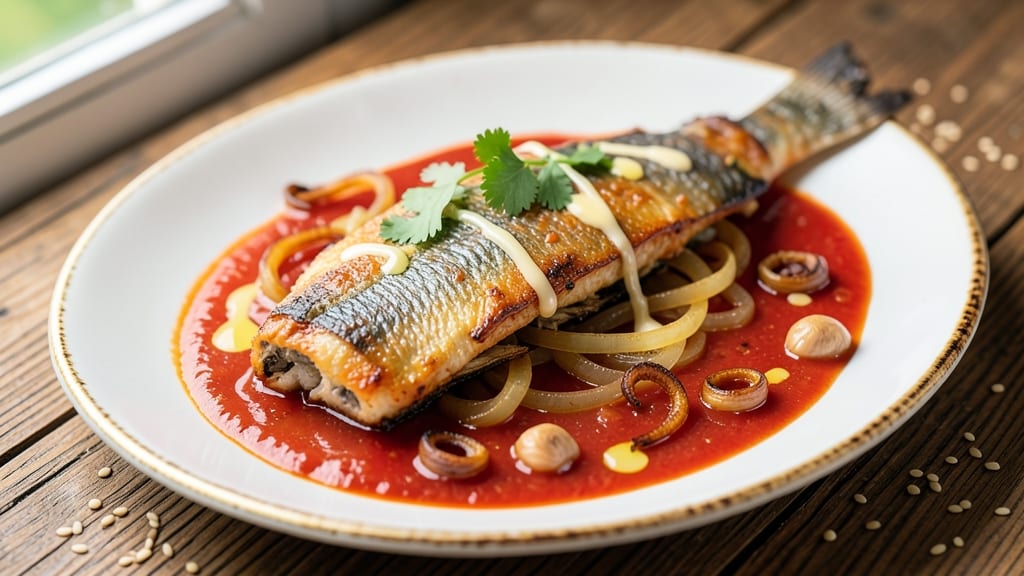
Bangus sardines in tomato sauce transforms simple ingredients into a rich, sweet-tart Filipino classic that balances buttery fish with vibrant acidity. This dish captures the essence of home-style cooking—where fresh bangus fillets melt into a velvety tomato base infused with garlic, onions, and just enough sugar to harmonize the flavors.
The secret lies in slow simmering, allowing the sauce to thicken while keeping the fish tender and flaky.
What makes this recipe special is its simplicity—no complicated techniques, just a foolproof method that delivers restaurant-quality results. The sauce starts with sautéed aromatics, then builds depth with crushed tomatoes and a touch of vinegar for brightness.
A splash of soy sauce adds umami, while a hint of sugar balances the acidity, creating a sauce that clings perfectly to each delicate fish piece.
By the end, you'll have a dish that's golden, aromatic, and impossibly tender—ideal for serving over steamed rice or with a side of atchara for contrast. The sauce is rich enough to coat every bite while remaining light enough to let the fish shine.
This is comfort food at its finest, a recipe that brings a taste of Filipino home cooking to your table.
The best part? It comes together in under 45 minutes, making it perfect for weeknight dinners or special gatherings. Whether you're a beginner or an experienced cook, this recipe delivers consistent, delicious results every time. Let's get started!
Ingredients for bangus sardines in tomato sauce
Fresh bangus fillets and pantry staples create this Filipino comfort dish with velvety tomato sauce.
| Ingredient | Amount | Notes |
|---|---|---|
| Fresh Bangus Fillets 🐟 | 1 ½ lb | Skin-on, boneless, cut into 4 pieces |
| Crushed Tomatoes 🍅 | 14 ½ oz | San Marzano preferred, canned |
| Yellow Onion 🧅 | 1 whole | Medium size, thinly sliced |
| Garlic Cloves 🧄 | 6 cloves | Minced, fresh preferred |
| Coconut Oil 🥥 | 2 tbsp | Refined for neutral flavor |
| Soy Sauce 🍶 | 2 tbsp | Light or regular, not low-sodium |
| White Vinegar 🍋 | 1 tbsp | For brightness, distilled preferred |
| White Sugar 🍚 | 1 tbsp | Granulated, balances acidity |
| Salt 🧂 | 1 tsp | Diamond Crystal kosher salt |
| Black Peppercorns 🌶️ | ½ tsp | Freshly ground, coarse |
| Bay Leaf 🌿 | 1 whole | Dried, for aromatic depth |
| Green Bell Pepper 🌶️ | ½ whole | Thinly sliced, optional for color |
| Steamed White Rice 🍚 | 2 cups | Cooked, for serving |
The bangus is the star—look for fresh, skin-on fillets at Asian markets or well-stocked grocery stores' seafood counters. Filipino markets often carry pre-cut bangus, but whole fillets give you more control. The sauce relies on San Marzano tomatoes for natural sweetness, though any quality canned tomatoes work. For the aromatics, garlic and onion should be fresh—no powdered shortcuts here. The green bell pepper is optional but adds a nice visual contrast when serving. If you can't find fresh bangus, substitute tilapia or snapper—just reduce cooking time by 2-3 minutes.
No San Marzano tomatoes? Crushed tomatoes in a 28-ounce can work in a pinch, but you'll need to reduce the sauce longer to concentrate flavors. The white vinegar can be swapped for rice vinegar or lemon juice, though the flavor profile shifts slightly. For a deeper umami punch, add 1 teaspoon fish sauce (ensure it's gluten-free if needed). The coconut oil is non-negotiable—it's what gives the sauce its signature richness. If you're avoiding coconut, olive oil works but lacks that authentic flavor. The bay leaf should be removed before serving—it's for aroma only, not eating.
Store any leftover sauce in an airtight container for up to 5 days—it actually improves overnight. The fish should be cooked fresh, but if you're prepping ahead, keep it raw in the fridge for 1 day max and cook just before serving. For a quick weeknight meal, double the sauce ingredients and freeze half—just thaw and reheat when needed. The rice can be cooked in advance and reheated with a splash of water. This dish reheats beautifully, making it perfect for meal prep.
Why You'll Love This Recipe
- One-Pan Magic: I swear by this recipe on days when I don’t want to scrub three pots. Sear the bangus in coconut oil, toss in the onions and garlic, then dump in the tomatoes—simmer until the sauce clings like a hug. That’s it. Zero fuss, maximum flavor.
- Umami Bomb: The moment that crispy bangus hits the tangy tomato sauce? My taste buds throw a party. The garlic and onions caramelize just enough to sweetness the acidity, while the coconut oil adds this rich, velvety depth that makes it taste like a restaurant dish.
- Leftover Hero: This sauce clings to the fish like glue, so every bite is packed with flavor—even on day two. I’ll be real: I’ve reheated portions for breakfast (yes, really) with toasted bread, and it’s still a standout. Budget-friendly? Absolutely. Versatile? Even more so.
- Weeknight Workhorse: Between us, this is my go-to when I need something hearty but not labor-intensive. The bangus cooks fast, the sauce simmers while I chop veggies for rice, and it feeds four without breaking the bank. Plus, the leftovers stretch into lunches or quick dinners—no sad, dry fish here.
Step-by-step instructions for bangus sardines in tomato sauce
This method delivers melt-in-your-mouth bangus with a perfectly balanced tomato sauce.
Prepare the Bangus Fillets
Pat the 1.5 lb fresh bangus fillets dry with paper towels, removing any remaining moisture from the skin. This step is crucial for achieving crispy skin while keeping the fish tender inside. Using a sharp knife, make a few shallow diagonal cuts on the skin side of each fillet—about ¼-inch deep and spaced ½-inch apart. These cuts allow the sauce to penetrate while preventing the fillets from curling during cooking.
Season both sides of each fillet generously with the 1 tsp salt and freshly ground 0.5 tsp black peppercorns. Place them skin-side down in a shallow dish and let them sit at room temperature for 15 minutes. This resting period ensures even cooking and helps the seasoning adhere properly.
Build the Tomato Sauce Base
Heat the 2 tbsp coconut oil in a large, deep skillet over medium heat until shimmering. Add the thinly sliced 1 whole yellow onion and cook for 5-6 minutes until softened and translucent. You'll know it's ready when the onions release easily from the pan and develop a slight golden hue.
Stir in the minced 6 cloves garlic and cook for 30 seconds until fragrant—don't let it brown or it will turn bitter. Add the 14.5 oz crushed tomatoes, 2 tbsp soy sauce, 1 tbsp white vinegar, and 1 tbsp white sugar. Stir well to combine, then add the 1 whole bay leaf and thinly sliced 0.5 whole green bell pepper. Bring the mixture to a gentle simmer and let it cook uncovered for 8-10 minutes until slightly thickened. The sauce should coat the back of a spoon and develop a rich, balanced flavor.
Cook the Bangus to Perfection
Carefully place the seasoned bangus fillets skin-side down into the simmering tomato sauce. Reduce the heat to medium-low to maintain a gentle simmer. Cook for 6-8 minutes without disturbing the fillets—this allows the skin to crisp while the fish cooks through evenly. You'll see the edges of the skin begin to curl and turn golden brown, which is your signal that the fish is nearly done.
Using a fish spatula, carefully flip each fillet to the skin side and cook for an additional 2-3 minutes until the skin is crispy and the fish flakes easily with a fork. The internal temperature should reach 145°F when measured at the thickest part. Remove the fillets from the skillet and transfer them to a serving platter, skin-side up. Tent loosely with aluminum foil to keep warm while you finish the sauce.
Finish and Serve
Return the skillet to medium heat and let the sauce reduce for an additional 2-3 minutes until it thickens slightly and coats the back of a spoon. Taste and adjust the seasoning if needed—you may want to add a pinch more salt or a splash of white vinegar to balance the flavors. Remove and discard the bay leaf before serving.
Serve the bangus fillets immediately over the 2 cups steamed white rice, spooning the rich tomato sauce generously over the top. The crispy skin should contrast beautifully with the tender fish and sweet-tart sauce. Each bite should deliver a perfect harmony of flavors—sweet from the tomatoes and sugar, tangy from the vinegar, umami from the soy sauce, and a subtle heat from the black peppercorns.
Pro Tips For Making Bangus Sardines In Tomato Sauce
- Sear Bangus First: Hit the fillets with a quick sear in coconut oil before adding tomatoes—just 2-3 minutes per side until golden. I learned this the hard way; skipping this step means your sauce will just poach the fish instead of building flavor. The crust locks in moisture and adds texture that plain simmering can’t match.
- Finely Dice Onion: No big chunks—slice that onion paper-thin so it melts into the sauce without leaving texture. I used to chop it roughly, and it’d turn mushy and clog the pan. Small pieces cook faster and sweeten the sauce properly.
- Simmer, Don’t Boil: Keep the sauce at a gentle bubble, not a rolling boil, or your tomatoes will split and turn the dish into a watery mess. After 10 minutes, if it’s not reducing, lower the heat—patience here makes the sauce thick and rich, not soupy.
- Toast Garlic Last: Add the garlic only in the final 5 minutes, once the tomatoes have softened. I was skeptical until I tried it—this prevents bitter, burned flavor while letting the aroma bloom right before serving. Freshly minced garlic works best; pre-chopped gets mushy.
Regional styles of these flavors
Filipino Home-Style
The most classic version of this dish comes from Luzon, particularly in Manila and Pampanga regions. Here, the sauce is slightly sweeter with 1.5 tbsp sugar instead of 1, and often includes 1 tbsp calamansi juice (or substitute with lemon) for that signature Filipino tang.
I’ve made this version countless times—it’s the one my lola (grandmother) used to serve on Sundays. The key is letting the sauce simmer uncovered for 12-15 minutes to develop a deeper caramelized flavor. 🌶️
Visayan Twist
In the Visayan islands, this dish often incorporates banana ketchup (about 1 tbsp) into the sauce for a fruity-sweet contrast. The locals also use 1 tsp grated ginger sautéed with the onions for a warm, spicy kick.
I first tried this version in Cebu, and it’s become a favorite for breakfast—pair it with garlic fried rice instead of plain white rice. The sauce here is slightly thinner to balance the extra sweetness from the ketchup.
Bicolano Adaptation
The Bicol region takes this dish to another level by adding 1 cup coconut milk to the sauce, creating a creamy, slightly spicy variation. They also include 1-2 slices of long green chili for heat.
This version is richer and more indulgent—think of it as a cross between bangus in tomato sauce and laing (taro leaves in coconut milk). I recommend serving this with steamed malagkit rice (sticky rice) to soak up the luxurious sauce. 🥥
Modern Filipino-American
For those in the Filipino-American diaspora, this dish often gets a fusion twist. Some add 1 tbsp fish sauce for extra umami, while others incorporate 1 tsp smoked paprika for depth. I’ve seen versions with roasted garlic instead of raw and even a touch of chili crisp for heat.
The sauce is usually slightly thicker to hold up to these bold flavors. This adaptation is perfect for those who want to keep the soul of the dish while adding a modern twist.
Regional Sauce Variations
Each region adjusts the sauce’s balance differently. In Tagalog-style, the sauce leans sweet-tart with more vinegar. Ilocano versions often use 1 tbsp soy sauce and 1 tsp sugar for a deeper savory profile. Meanwhile, Pampangan cooks reduce the sauce longer for a glossy, jam-like consistency.
I’ve found that the Ilocano version pairs best with sinigang (sour soup) on the side to cut through the richness. The key is tasting as you go—adjust sugar, vinegar, or soy sauce to match your preference. ✨
Nutrition facts
Frequently asked questions
Can I use frozen bangus instead of fresh?
Fresh bangus is ideal, but if you must use frozen, thaw it completely in the refrigerator overnight. Pat it very dry before cooking—excess moisture prevents crispy skin. For best results, use frozen bangus within 3 months of freezing, as older fish loses texture and flavor.
How do I know when the bangus is fully cooked?
The fish is done when it flakes easily with a fork and reaches 145°F internally. The skin should also be golden brown and crispy. For extra assurance, check the thickest part of the fillet—it should separate cleanly without any translucent centers.
What if the sauce tastes too acidic?
Add ½ tsp sugar or ½ tsp honey to balance the acidity. If it's still too sharp, stir in 1 tsp fish sauce or a pinch of salt to round out the flavors. Always taste as you go—adjustments are easier before the sauce thickens.
Can I make this dish ahead of time?
Cook the sauce completely and store it in an airtight container for up to 5 days in the fridge. Reheat gently, then add the bangus fillets just before serving to prevent overcooking. The sauce actually improves overnight as flavors meld!
What's the best rice to serve with this?
Steamed white rice is classic, but for extra texture, try garlic fried rice or malagkit rice (Filipino sticky rice). The sauce pairs beautifully with atchara (pickled papaya) or sinigang (sour soup) for a complete meal.