
Sauces & Condiments
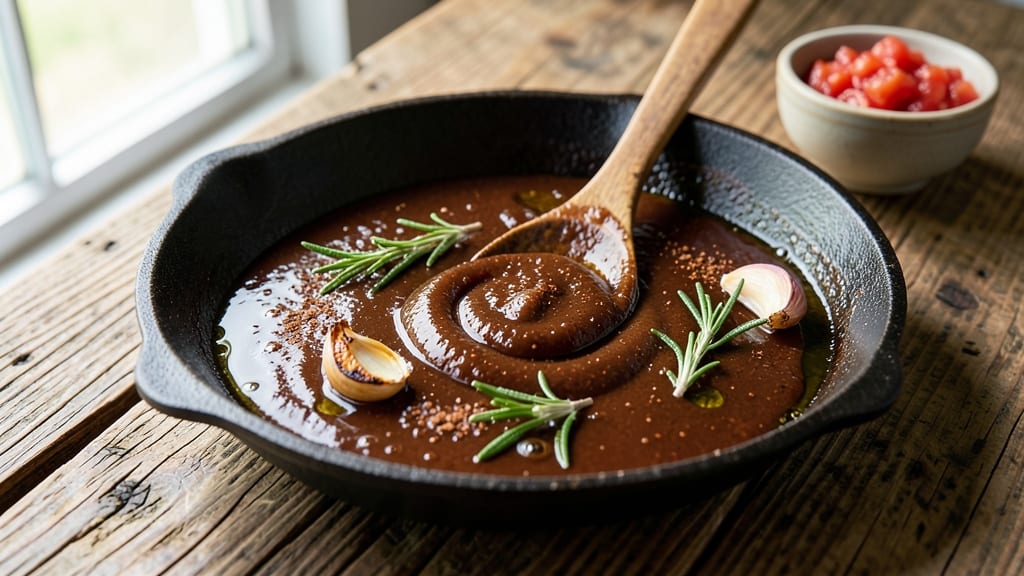
This bold smoky-sweet barbecue sauce delivers restaurant-quality flavor without Worcestershire—just 20 minutes of simmering transforms simple ingredients into a versatile glaze for grilling, dipping, or basting.
As a pitmaster trained in French technique, I’ve perfected a balance of tangy vinegar, deep molasses richness, and aromatic spices that mimic the complexity of traditional sauces while keeping it 100% customizable.
The secret lies in slow reduction, where flavors meld into a thick, sticky finish that clings to every bite.
Start with a tomato base—crushed tomatoes or paste—simmered with apple cider vinegar for brightness and molasses for that signature caramel depth. Ground spices like smoked paprika and garlic powder build the smoky backbone, while a pinch of cayenne adds controlled heat.
What sets this apart is the two-stage cooking method: first, a quick simmer to blend flavors, then a final reduction to thicken the sauce to your preferred consistency. No Worcestershire means no umami shortcuts, but the garlic powder and vinegar create a tangy depth that stands on its own.
The result is a versatile sauce that works as a glaze for ribs, a dipping sauce for fries, or a marinade for grilled chicken—all with that bold, smoky-sweet heat you crave. Unlike store-bought versions, this sauce develops layers of flavor over time, improving with each use.
Store it in the fridge for up to 2 weeks or freeze for longer shelf life, so you’re always ready to elevate your next cookout or weeknight meal.
For those who love to experiment, swap the molasses for honey or maple syrup, or add a splash of bourbon for extra depth. The beauty of this recipe is its adaptability—whether you’re grilling competition-style ribs or tossing it on burgers, the sauce delivers professional-level flavor without the fuss.
Let’s make it.
Ingredients for barbecue sauce recipe without worcestershire
Nine simple ingredients transform into bold, smoky-sweet barbecue sauce without any shortcuts.
| Ingredient | Amount | Notes |
|---|---|---|
| Crushed Tomatoes 🍅 | 15 oz | High quality, canned preferred |
| Apple Cider Vinegar 🍏 | ½ cup | Raw, unfiltered for tang |
| Molasses 🍯 | ¼ cup | Unsulphured for depth |
| Smoked Paprika 🌶️ | 2 tbsp | Spanish smoked preferred |
| Garlic Powder 🧄 | 1 ½ tsp | Freshly ground preferred |
| Onion Powder 🧅 | 1 tsp | No added salt |
| Ground Black Pepper 🌶️ | ½ tsp | Freshly cracked preferred |
| Cayenne Pepper 🔥 | ¼ tsp | Adjust for heat preference |
| Brown Sugar 🍚 | ¼ cup | Light or dark preferred |
| Salt 🧂 | 1 tsp | Diamond Crystal preferred |
The tomatoes form the base, so grab a high-quality canned variety—look for brands like Muir Glen or Hunts at Whole Foods or your local grocery store. Molasses is non-negotiable for that deep caramel flavor; Gotham or Brer Rabbit brands are my go-to. Smoked paprika is where the magic happens—Penzeys Spanish smoked adds the most complexity, but any good-quality smoked paprika works. For vinegar, raw apple cider adds brightness without overpowering the sauce. The brown sugar helps balance the acidity while adding subtle caramel notes that mimic traditional barbecue sauce.
No molasses? Maple syrup or honey works in a pinch, though the flavor will be slightly different. Short on smoked paprika? Regular paprika plus a pinch of liquid smoke gets you close. Want more heat? Add a dash of hot sauce or cayenne. The crushed tomatoes can be fresh if you're feeling ambitious—just peel and crush 2 cups of Roma tomatoes. For a smoother sauce, blend the tomatoes before using. And if you're making a big batch, double the spices—they won’t overpower the flavor.
This sauce thickens as it cools, so don’t worry if it looks too thin right after simmering. Store in an airtight jar in the fridge for up to 2 weeks—it actually tastes better after a day or two as the flavors meld. For longer storage, freeze in ice cube trays for single-use portions. The sauce reheats beautifully—just warm it gently on the stove or microwave until bubbly. Any leftovers? Toss them on fries, drizzle over grilled veggies, or use as a marinade for next time.
Why You'll Love This Recipe
- No Chopping Needed: I swear by this—just dump crushed tomatoes, vinegar, and molasses into a pot, and let the simmer do the work. No mincing garlic, no peeling onions, just pure, unfussy flavor.
- Smoky Sweet Magic: That molasses and smoked paprika combo? It’s like summer in a jar—deep, rich, and just a little tangy from the apple cider vinegar. Slather it on ribs or toss it with beans, and you’ll forget you didn’t use Worcestershire.
- Weeknight & Weekend Ally: Make a big batch on Sunday, and you’ve got sauce for burgers, baked chicken, or even pizza night. Honestly, I’ve used the leftovers in tacos, pasta, and even as a marinade—it’s the ultimate pantry hero.
- Pocketbook-Friendly Powerhouse: Crushed tomatoes and vinegar are cheap, and a little molasses goes a long way. I’ve made gallons of this for under $5, and it still tastes like I spent hours slaving over a stove. (Between us, I have.)
Step-by-step instructions for bold smoky-sweet barbecue sauce
This sauce delivers deep, complex flavor without any shortcuts—just pure, balanced heat and sweetness.
Build the Flavor Base with Tomatoes and Vinegar
Combine the 15 oz crushed tomatoes and 0.5 cup apple cider vinegar in a medium saucepan. I always use a heavy-bottomed pan for even heating—this prevents scorching while you develop the flavors. Bring the mixture to a gentle simmer over medium heat, then reduce to low heat and let it cook uncovered for 5-7 minutes. You'll notice the tomatoes break down slightly and release their natural sweetness, which forms the foundation of your sauce.
This initial cooking step is crucial—it mellows the acidity of the vinegar and softens the tomatoes so they blend smoothly later. Stir occasionally to prevent sticking, but don't rush this part. The goal is to create a smooth, velvety base where all other flavors will harmonize.
Sweeten and Spice the Mixture
Add the 0.25 cup molasses, 0.25 cup brown sugar, 2 tbsp smoked paprika, 1.5 tsp garlic powder, 1 tsp onion powder, 0.5 tsp ground black pepper, and 0.25 tsp cayenne pepper all at once. Stir vigorously to dissolve the sugars completely—this ensures even distribution of heat and sweetness throughout the sauce. Increase the heat to medium-high and bring the mixture to a rolling boil.
Here's where the magic happens: the molasses adds depth while the brown sugar caramelizes slightly, creating that signature sticky, glossy finish. The smoked paprika infuses that unmistakable barbecue aroma, while the cayenne provides controlled heat. Let it boil vigorously for 3-4 minutes until the sugars begin to break down and the sauce thickens noticeably. Watch closely—you want it to coat the back of a spoon without being gluey.
Simmer and Thicken to Perfection
Once boiling, immediately reduce the heat to low and let the sauce simmer uncovered for 10-12 minutes. This slow reduction is what transforms a simple sauce into something complex and restaurant-quality. Stir occasionally, scraping the bottom of the pan with a wooden spoon to release any browned bits—these contain concentrated flavor that will deepen your sauce.
You'll know it's ready when the sauce reaches a thick, syrupy consistency that coats the back of a spoon but still flows smoothly. It should smell rich, smoky, and slightly sweet with a hint of vinegar tang. If it thickens too much before reaching this point, add 1-2 tablespoons of water to loosen it. The sauce should be glossy and cling to whatever you're barbecuing.
Season and Rest for Maximum Flavor
Remove the sauce from heat and stir in the 1 tsp salt. Let it cool slightly for 5 minutes—this resting period allows the flavors to meld completely. I always taste at this stage and adjust seasoning if needed. For more heat, add a pinch of cayenne. For more sweetness, stir in a little more brown sugar. The sauce should be balanced: sweet, smoky, with a touch of tang and heat.
This sauce keeps well in an airtight container in the refrigerator for up to 2 weeks, or you can freeze it for 3 months. The flavors actually improve with time as the spices continue to infuse. Use it on ribs, chicken, pulled pork, or even as a glaze for vegetables—just brush it on generously and let it caramelize slightly over the heat.
Pro Tips For Making Barbecue Sauce Recipe Without Worcestershire
- Simmer Slow and Steady: I used to rush this sauce, thinking more heat meant faster flavor—but that just burns the molasses and turns your sauce bitter. Simmer it on low heat for 30-40 minutes, stirring every 10 minutes to prevent sticking. The slow cook brings out the depth in the tomatoes and vinegar without scorching.
- Deglaze That Pot First: After browning garlic (if you’re adding fresh) or stirring in smoked paprika, splash in 2 tablespoons of apple cider vinegar before adding the crushed tomatoes. This lifts up the caramelized bits stuck to the pan—those bits pack serious flavor. Skip this, and you’re missing out on the sauce’s backbone.
- Balance the Molasses: Molasses is sweet and potent—too much, and your sauce tastes like syrup. Start with 1 tablespoon per cup of tomatoes, then adjust at the end. Taste as you go: if it’s cloying, add a splash of vinegar or a pinch of salt to cut through. I learned this the hard way after making a batch that could’ve been glaze for a donut.
- Strain for Smoothness: Crushed tomatoes can get chunky, and if you’re going for a classic barbecue sauce texture, strain it through a fine-mesh sieve after simmering. This isn’t always necessary, but it makes a noticeable difference—especially if you’re using whole-peeled tomatoes instead of smooth crushed. (Yes, even if you’re impatient like me.)
Serving suggestions for leftovers
Ribs & Smoked Meats
This sauce transforms into a glazing masterpiece when brushed on ribs during the last 30 minutes of smoking at 225°F. The high heat causes the molasses and brown sugar to caramelize beautifully, creating a glossy crust.
I like to apply it in 3-4 thin layers, letting each one set slightly before adding more. For pulled pork, toss the meat with 2-3 tablespoons of sauce while still warm—it clings perfectly and adds moisture. 🔥
Grilled Chicken
Marinate chicken breasts or thighs in ¼ cup sauce mixed with 1 tablespoon olive oil for 2-4 hours before grilling. The sauce caramelizes on the grill, creating a sticky, flavorful crust.
For wings, toss them in sauce after baking or frying, then broil for 2-3 minutes to achieve that perfect glaze. The vinegar in the sauce helps tenderize the meat while adding tangy depth.
Vegetable Glaze
Don't limit this sauce to meats—it's fantastic on grilled vegetables like portobello mushrooms, eggplant, or Brussels sprouts. Toss them in 1-2 tablespoons of sauce and roast at 400°F for 15-20 minutes until caramelized.
The smoky-sweet flavor pairs beautifully with the natural sweetness of roasted veggies, making them feel like a main course. 🌱
Dipping Sauce
Serve this sauce warm as a dipping sauce for fries, onion rings, or even veggie sticks. The perfect balance of sweet, smoky, and tangy flavors makes it irresistible. I like to thin it slightly with 1-2 teaspoons of water if it's too thick for dipping.
For extra richness, stir in 1 tablespoon of melted butter just before serving—it adds a velvety texture that pairs perfectly with crispy foods.
Breakfast Twist
Yes, you read that right—this sauce is amazing on breakfast foods! Drizzle it over pancakes, waffles, or even French toast for a smoky-sweet twist. The heat from the cayenne wakes up your taste buds, while the molasses adds a caramelized depth.
I also love using it as a glaze for bacon—just brush it on during the last 2 minutes of cooking for a sticky, flavorful finish. 🥓
Nutrition facts
Frequently asked questions
Can I substitute apple cider vinegar with another type of vinegar?
Yes, but use vinegars with similar acidity and flavor. White vinegar or balsamic vinegar work well, though apple cider adds natural sweetness that balances the sauce beautifully. Avoid rice vinegar—it's too mild and won't provide enough tang. For a deeper flavor, try red wine vinegar, but reduce it to 0.375 cup to maintain balance.
How do I adjust the heat level in this sauce?
Start with the 0.25 tsp cayenne pepper as written, then adjust to taste. For mild heat, reduce to 0.125 tsp or omit entirely. For extra spice, add 0.5 tsp cayenne or a dash of hot sauce. Remember, heat builds during simmering, so taste after cooling before adding more.
Why does my sauce turn out too thin or too thick?
Sauce consistency depends on simmering time and sugar content. For thicker sauce, simmer 5-10 minutes longer or add 1 tbsp cornstarch mixed with 2 tbsp water. If too thin, reduce heat to low and simmer uncovered until it thickens. Never rush this step—proper reduction develops flavor. For immediate thickening, simmer with the lid slightly ajar to evaporate excess liquid.
Can I make this sauce in a slow cooker?
Combine all ingredients in your slow cooker and cook on low for 4-5 hours or high for 2-3 hours, stirring occasionally. The slow cooker's gentle heat enhances the molasses and vinegar flavors naturally. Check consistency at the end—you may need to simmer uncovered for 10 minutes to thicken it properly. The result will be even more flavorful than stovetop.
What's the best way to store and reheat leftovers?
Store in an airtight container in the fridge for up to 2 weeks or freeze for 3 months. To reheat, warm gently on the stove over low heat, stirring constantly to prevent scorching. For microwave reheating, use 30-second intervals, stirring between each. The sauce will thicken slightly when cold—just thin with 1 tsp water if needed before using.