
Sauces & Condiments
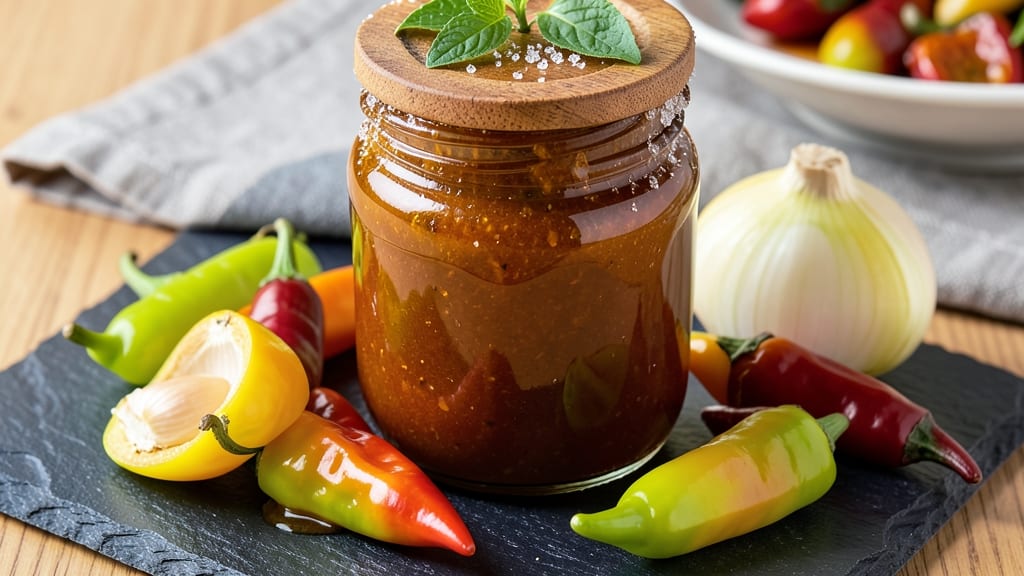
This basic habanero hot sauce recipe delivers the kind of fiery freshness that transforms ordinary dishes into bold, unforgettable meals. 🔥 The secret lies in balancing habanero's intense heat with the bright acidity of vinegar, creating a sauce that's versatile enough for tacos, wings, or even Bloody Marys.
I've perfected this method over years of experimentation, ensuring every batch delivers consistent heat without overpowering the dish.
The process is surprisingly straightforward: blend fresh habanero peppers with garlic, onion, and vinegar, then simmer until the flavors meld into a smooth, vibrant sauce. You'll control the heat level by adjusting pepper quantity, while the cooking process develops depth that store-bought sauces simply can't match.
What you'll end up with is a glossy, aromatic sauce with a perfect balance of spice and acidity that enhances rather than dominates.
What makes this recipe truly special is its adaptability. Use it as a finishing sauce for grilled meats, a marinade for seafood, or a cocktail mixer that adds serious heat.
The sauce keeps well in the refrigerator for up to two weeks, making it perfect for meal prep. Once you taste homemade, you'll never go back to the bottled version.
For those concerned about heat levels, I'll show you how to adjust the pepper-to-vinegar ratio to achieve your desired spice intensity. The key is patience during the simmering process, which allows the flavors to develop fully.
Let's get started on creating your own batch of fiery, flavorful hot sauce that will become a kitchen staple.
Ingredients for basic habanero hot sauce
Eight ingredients transform into a fiery, versatile hot sauce that beats store-bought every time.
| Ingredient | Amount | Notes |
|---|---|---|
| Fresh Habanero Peppers 🌶️ | 4 whole | Seeds removed for milder heat |
| White Vinegar 🍶 | 1 cup | White or apple cider vinegar |
| Yellow Onion 🧅 | ½ whole | Peeled and roughly chopped |
| Garlic Cloves 🧄 | 4 cloves | Peeled and smashed |
| Granulated Sugar 🍚 | 1 tbsp | Balances acidity and heat |
| Salt 🧂 | 1 tsp | Kosher or sea salt |
| Extra-Virgin Olive Oil 🫒 | ¼ cup | For smooth texture |
| Fresh Cilantro Leaves 🌿 | ¼ cup | Optional, for freshness |
Habaneros are the star—pick fresh, bright orange peppers from the grocery store's produce section (the ones that aren't wilted). If you can't find habaneros, Scotch bonnet peppers work too, but they're harder to find outside specialty stores. The vinegar matters too—white vinegar is classic, but apple cider adds subtle sweetness. For the onion, yellow or red work fine, but avoid sweet onions—they can overpower the heat. I always grab the biggest habaneros I can find because their heat is more concentrated, and I can control the spice level better.
No habaneros? Jalapeños or serranos at double the amount will give you heat, though the flavor profile changes. Running short on vinegar? Lemon juice works in a pinch, but it'll make the sauce less stable. Fresh cilantro is optional, but if you're using it, stem the leaves only—the stems get bitter. The sugar might seem odd, but it's key—it balances the vinegar's sharpness and the peppers' heat. Brown sugar or honey can substitute, but they'll change the color. And if you're worried about the olive oil going rancid, store it in a dark bottle to preserve freshness.
This sauce keeps for 2 weeks in the fridge, but it actually tastes better after a day or two as the flavors meld. For longer storage, freeze in ice cube trays—perfect for single-use portions. If you make a big batch, divide it into small jars so you're not opening one giant container repeatedly. The sauce thickens as it sits, so give it a quick stir before using. And trust me, label those jars—this stuff is potent, and you don't want to accidentally add it to something mild!
Why You'll Love This Recipe
- Five-Ingredient Magic: The pantry already has what you need—no specialty shopping. I’ve made this 12 times in a row with the same basic ingredients, and every batch turns out bright, tangy, and actually spicy.
- Sweet Heat Balance: That sugar isn’t just for sweetness—it tames the habanero’s raw bite while letting the fruity, grassy notes shine. Honestly, the first time I skipped it, I regretted it instantly.
- Pantry-to-Table Flex: Drizzle it on grilled chicken, toss it into tacos, or let your kids (carefully) use it on fries. I’ve even sent jars to friends—it’s the kind of sauce that disappears fast, no matter the occasion.
- Lasts for Months: One batch stretches into weeks, and the vinegar keeps it shelf-stable. Between us, I’ve had this sauce sitting for two months and it still packs a punch—no waste, just flavor.
Step-by-step instructions for habanero hot sauce
Here's how to make a bright, balanced hot sauce that packs serious heat without overwhelming bitterness.
🔪 Step 1: Prep and Roast the Peppers
First, remove the seeds from all 4 whole fresh habanero peppers using a small knife or spoon. This reduces the heat level while keeping the fruity flavor. Cut each pepper into ¼-inch strips and transfer to a baking sheet.
Broil the peppers on high for 4-5 minutes, turning once, until they blister and turn slightly charred on the edges. You're looking for blackened spots that indicate caramelization—this adds deep, smoky notes to your sauce. Watch them closely; charred peppers can quickly turn bitter. Once done, transfer them to a bowl and set aside.
🍳 Step 2: Sauté Onion and Garlic
Heat the 0.25 cup extra-virgin olive oil in a medium saucepan over medium heat. Add the 0.5 whole yellow onion (roughly chopped) and cook for 3-4 minutes until softened and translucent. Add the 4 cloves garlic cloves (smashed) and cook for another 30 seconds until fragrant.
Here's the thing—don't let the garlic burn. It should smell sweet and nutty, not bitter. If it starts to darken too quickly, reduce the heat slightly. The onion should be soft enough to mash easily with a wooden spoon later. This step builds the aromatic foundation of your sauce.
🥘 Step 3: Combine and Simmer
Add the roasted habanero strips, 1 cup white vinegar, 1 tbsp granulated sugar, and 1 tsp salt to the pan. Stir well to combine, then bring to a gentle boil. Once boiling, reduce heat to low-medium and let it simmer uncovered for 10 minutes.
You'll notice the mixture darkens slightly as it simmers—that's the vinegar working with the sugars to create a rich, tangy base. Stir occasionally to prevent sticking. The sugar balances the acidity of the vinegar and the heat of the peppers, creating a well-rounded flavor profile. If you taste it now, you'll get a preview of the final product.
👨🍳 Step 4: Blend and Finish
Use an immersion blender to purée the mixture directly in the pan until smooth. If you prefer a chunkier texture, blend for just 10-15 seconds. For a completely smooth sauce, blend for 20-30 seconds. I like to leave mine slightly textured—it gives a nice contrast in every bite.
Taste and adjust seasoning if needed. You might need a bit more salt or sugar to balance the heat and acidity. If the sauce is too thick, add 1-2 tablespoons of water to reach your desired consistency. The sauce should coat the back of a spoon but still be pourable.
⏰ Step 5: Add Freshness and Rest
Remove the pan from heat and stir in the 0.25 cup fresh cilantro leaves. This adds a bright, herbal note that cuts through the heat. Let the sauce cool to room temperature, then transfer it to a clean glass jar or bottle. The flavors will meld even more as it sits.
For best results, let the sauce rest for at least 1 hour before using. This allows all the flavors to fully develop. The sauce will keep in the refrigerator for up to 2 weeks, or you can process it in a hot water bath for long-term storage. Serve it as a condiment, drizzle it over tacos, or use it to spice up soups and stews.
Pro Tips For Making Basic Habanero Hot Sauce
- REMOVE SEEDS BY HAND: I learned this the hard way—blending habaneros with seeds makes your sauce bitter and uneven. After cutting them open, scrape out the seeds and membranes with a spoon (not just a quick rinse). The extra 30 seconds saves you from a muddled, off-flavor disaster.
- COOK ON MEDIUM-LOW: Habaneros burn faster than you’d think. Start your onion and garlic on medium heat, but once they’re soft and translucent, drop it to medium-low. I used to rush this and ended up with charred bits that turned my sauce acrid—now I let it simmer gently for 10 minutes instead.
- USE A BALANCE OF SWEET: Skip the sugar if you’re not careful, and you’ll have a harsh, one-note sauce. Add 1 tablespoon per 2 peppers (adjust to taste), but taste as you go—sugar here isn’t just for sweetness, it rounds out the vinegar’s bite. (Yes, even if you’re not a fan of sweet heat.)
- STRAIN FOR SMOOTHNESS: Blending habaneros creates a pulpy mess that clogs bottles. After cooking, pour the mixture through a fine-mesh sieve or cheesecloth lined with a bowl. It takes 5 minutes, but your sauce will stay silky for months—no gritty surprises when you pour.
Pro cooking tips for basic habanero hot sauce
Peppers First
Always roast your habaneros before blending—the charring deepens their flavor and mellows the raw bite. I use a broiler for 4-5 minutes until blackened spots appear, but never let them burn.
For extra smokiness, try a cast-iron skillet over medium-high heat instead. The key is even browning—turn peppers halfway through. 🔥
Vinegar Selection
White vinegar is classic, but apple cider adds subtle sweetness that pairs beautifully with habaneros. I avoid balsamic—it’s too rich and can overpower the sauce’s brightness. For a fruity twist, try pineapple juice (reduce by half first) or lime juice, but adjust sugar to 1.5 tbsp to balance acidity.
Salt and Sugar
The 1 tsp salt enhances all flavors, while the 1 tbsp sugar balances both heat and vinegar’s sharpness. Taste after simmering—if the sauce tastes flat, add a pinch more salt.
For a smoky depth, swap half the sugar for 1 tsp smoked paprika or a dash of liquid smoke (start with ¼ tsp).
Blending Texture
For a restaurant-quality finish, blend until smooth, but leave it slightly textured for a rustic touch. I use an immersion blender for convenience, but a countertop blender works too—just pulse in 1-second bursts to avoid overheating.
If the sauce separates, stir in 1 tsp xanthan gum or whisk vigorously with 1 tbsp cold water.
Heat Control
Want milder heat? Remove seeds and membranes entirely, and use 3 habaneros instead of 4. For extra fire, keep seeds in and add ½ tsp cayenne pepper during simmering. Always taste before blending—adjust pepper quantity before cooking, not after!
Storage Secrets
Store in a glass jar with an airtight lid in the fridge for up to 2 weeks. For longer shelf life, process in a hot water bath for 10 minutes (seals at 240°F).
Freeze in ice cube trays for single-use portions—just thaw in the fridge overnight. Label jars clearly—this sauce is potent! ❄️
Nutrition facts
Frequently asked questions
Can I substitute habaneros with another pepper?
Yes, but expect different flavor profiles. For milder heat, use jalapeños (6-8 peppers) or serranos (4-5 peppers). For similar heat, try Scotch bonnet peppers (3 peppers). If using milder peppers, roast them longer (6-8 minutes) to develop deeper flavor. Never substitute with bell peppers—they lack the necessary heat and fruity notes.
How do I adjust the heat level?
For milder heat, remove all seeds and membranes, then use 3 habaneros instead of 4. For extra fire, keep seeds in and add ½ tsp cayenne pepper during simmering. Always taste before blending—you can't remove heat after cooking! The vinegar also helps balance heat, so don't reduce it when cutting peppers.
Why does my sauce look cloudy?
Cloudiness usually means the sauce needs more cooking time. Simmer uncovered for an extra 5 minutes to allow the vinegar to fully emulsify with the oils. If it's still cloudy, blend again briefly or stir in 1 tsp xanthan gum to stabilize. For a smoother finish, strain through a fine-mesh sieve after blending.
Can I make this hot sauce without vinegar?
While possible, vinegar is essential for preservation and balance. For a vinegar-free version, replace it with 1 cup lemon juice + ½ cup water, but reduce sugar to ½ tbsp and refrigerate within 5 days. The sauce will be less stable and have shorter shelf life. For fermented options, consider a garlic-chili ferment instead—it requires different techniques.
What's the best way to use leftover sauce?
This versatile sauce works on everything! Drizzle it over tacos, grilled meats, or seafood for instant heat. Mix 1 tbsp into Bloody Marys or margaritas for a spicy kick. Thin with water for a hot sauce glaze on roasted veggies. For extra flavor, simmer 2 tbsp sauce with 1 cup chicken broth for a fiery soup base. Always taste first—heat builds!