Sauces & Condiments
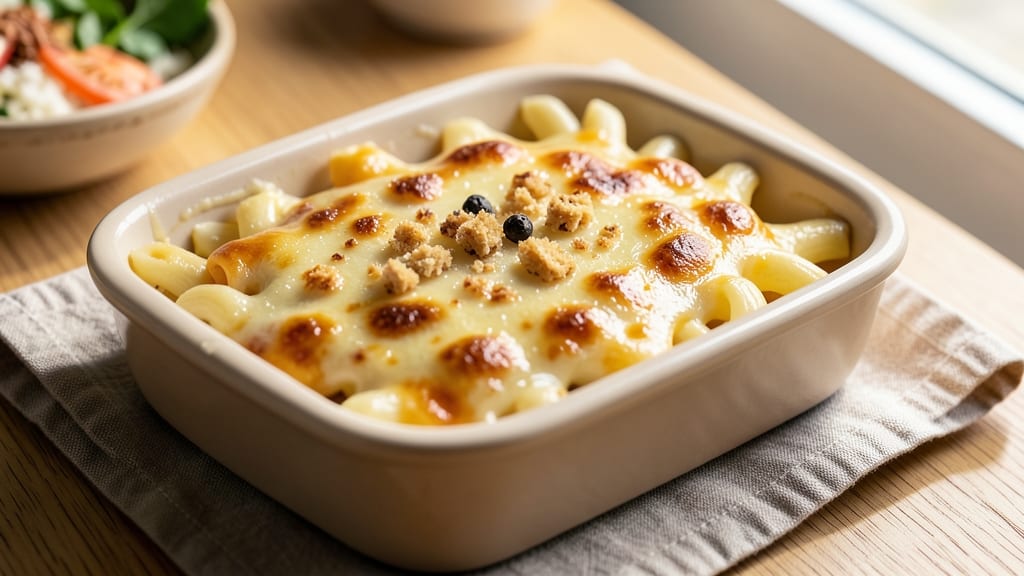
This basic mac and cheese sauce recipe delivers ultra-smooth, velvety perfection in just 15 minutes—no fancy techniques required. The secret lies in a simple roux foundation that creates a rich, creamy base capable of handling generous amounts of cheese without breaking.
I developed this recipe during a particularly busy week when I needed a foolproof sauce that could elevate any pasta dish, and it never fails to impress.
The magic happens when you melt sharp cheddar into a warm roux of butter and flour, then gradually whisk in milk to create a silky texture. This method ensures the sauce stays smooth and cohesive, even when loaded with cheese.
The result is a versatile sauce that works equally well over baked mac and cheese, as a dip, or as a topping for grilled meats.
What makes this sauce truly special is its restaurant-quality consistency—creamy yet not greasy, rich yet not heavy. The key is patience during the roux development and constant stirring as the cheese melts, preventing any lumps from forming.
Once you taste the first spoonful, you'll understand why this simple technique is a game-changer for homemade comfort food.
This sauce keeps well in the refrigerator for up to 5 days, making it perfect for meal prep. Simply reheat gently on the stovetop, stirring occasionally, until smooth again. The possibilities are endless—let's get started on creating your perfect mac and cheese sauce.
Ingredients for basic mac and cheese sauce
Nine ingredients transform into velvety perfection—no lumps, no fuss, just restaurant-quality sauce.
| Ingredient | Amount | Notes |
|---|---|---|
| Unsalted Butter 🧈 | ½ cup | Cold, cubed for roux |
| All-Purpose Flour 🌾 | ½ cup | Sifted for smooth sauce |
| Sharp Cheddar Cheese 🧀 | 2 cups | Shredded, block preferred |
| Whole Milk 🥛 | 2 cups | Room temperature preferred |
| Medium Cheddar Cheese 🧀 | 1 cup | Shredded, for balance |
| Salt 🧂 | 1 ½ tsp | Kosher or sea salt |
| Ground Black Pepper 🌶️ | ½ tsp | Freshly ground preferred |
| Garlic Powder 🧄 | ½ tsp | For subtle depth |
| Mustard Powder 🌶️ | ¼ tsp | Optional, for tang |
| Heavy Cream 🥛 | ¼ cup | For extra richness |
The cheese makes or breaks this sauce. Sharp cheddar is non-negotiable—it's what gives that signature tang. Grab a block and shred it yourself; pre-shredded gets clumpy and lacks flavor. Trader Joe's and Whole Foods carry excellent sharp cheddar blocks. For the butter, don't use margarine—it'll make the sauce taste artificial. The heavy cream is optional but adds that luxurious finish. If you're watching calories, skip it and use a splash more milk instead.
No sharp cheddar? Pepper jack or Gruyère work in a pinch, but the flavor will be different. Running low on milk? Evaporated milk works perfectly—it's thicker and adds richness. The mustard powder is totally optional, but it adds a subtle tang that balances the richness. If you don't have it, just skip it. For the flour, make sure it's all-purpose—not cake flour, which can make the sauce gummy. And if you're gluten-free? Swap the flour for a 1:1 gluten-free blend, but you'll need to whisk it in more carefully to avoid lumps.
This sauce keeps beautifully in the fridge for 5 days if stored in an airtight container. To reheat, warm it gently on the stovetop over medium-low heat, stirring constantly. If it gets too thick, add a splash of milk. For meal prep, I like to make a double batch—one for immediate use and one to freeze. Portion it into ice cube trays, then transfer to a freezer bag. Each cube makes a perfect single serving for later. Just pop one into a saucepan with a splash of milk and warm it up.
Why You'll Love This Recipe
- Five-Ingredient Magic: I swear by this lineup—just butter, flour, milk, and two cheddars—and it never fails. No fancy gadgets, no hidden steps, just the kind of simplicity that makes me feel like I’ve actually cooked something.
- Creamy Crispy Balance: That sharp cheddar melts into a velvety sauce while the edges get just enough golden-brown toastiness. Honestly, the contrast is what makes it addictive—smooth one bite, crispy the next.
- Leftover Goldmine: This sauce keeps like a champ in the fridge for days, and it reheats beautifully. I’ve turned it into baked mac, a quick grilled cheese filling, or even a fancy pasta topping—no waste, all flavor.
- Budget-Friendly Luxury: Sharp cheddar’s the star, but it’s not breaking the bank, and the other ingredients? Pantry staples. Between us, this is the kind of recipe that makes me feel like I’m eating gourmet without the grocery bill to prove it.
Step-by-step instructions for ultra-smooth stovetop mac and cheese sauce
Here's how to make creamy, velvety mac and cheese sauce that sticks to every strand of pasta.
Make the Perfect Roux
Melt the 0.5 cup unsalted butter in a medium saucepan over medium-low heat. Once the butter is completely melted and foaming subsides, add the 0.5 cup all-purpose flour all at once. Use a wooden spoon to stir constantly for 2-3 minutes until the mixture turns a pale golden color and smells nutty.
This is your roux foundation—don't rush it. You're looking for a smooth, thick paste that coats the back of your spoon. If it starts to brown too quickly, reduce the heat slightly. The roux should be the color of pale toast, not dark brown. This ensures a creamy sauce without any floury taste.
Whisk in Milk Gradually
Slowly pour in the 2 cups whole milk while whisking vigorously to prevent lumps. Keep the heat at medium-low and continue whisking for 3-5 minutes until the mixture thickens noticeably and coats the whisk. You'll see it transform from a thin liquid into a smooth, creamy consistency.
This gradual addition is key—adding all the milk at once creates lumps. If you see any lumps forming, immediately whisk harder or use an immersion blender to smooth them out. The sauce should now look like thick, pale yellow pudding. This is your base sauce before adding any cheese.
Add Cheese and Seasonings
Reduce the heat to low and begin adding the 2 cups sharp cheddar cheese and 1 cup medium cheddar cheese in small batches. Stir constantly with a wooden spoon, allowing each addition to melt completely before adding more. This gradual melting prevents scorching and creates a perfectly smooth sauce.
Once all the cheese is incorporated, whisk in the 1.5 tsp salt, 0.5 tsp ground black pepper, 0.5 tsp garlic powder, and 0.25 tsp mustard powder. Add the 0.25 cup heavy cream last and stir until fully combined. The sauce should now be luxuriously thick and glossy, with a beautiful cheddar hue. If it's too thick, whisk in 1-2 tablespoons of milk to reach your desired consistency.
Simmer for Maximum Creaminess
Increase the heat to medium-low and let the sauce simmer gently for 5-7 minutes, stirring occasionally. This step develops the sauce's depth of flavor and ensures all the cheese melts completely. You'll notice the sauce becomes even smoother and more velvety as it cooks.
Taste and adjust seasoning if needed—this is your chance to perfect the flavor. The sauce should be rich, cheesy, and perfectly balanced with a subtle tang from the mustard powder. If you prefer it even creamier, whisk in an additional 1-2 tablespoons of milk at this stage. Remove from heat immediately after simmering to prevent curdling.
Pro Tips For Making Basic Mac And Cheese Sauce
- WHISK THE FLOUR FIRST: Dump the flour into the pot before adding butter—this prevents lumps and makes stirring smoother. I used to melt butter first and regret it every time; flour coats the butter better when dry.
- USE SHARP CHEESE ONLY: Sharp cheddar melts cleaner and adds tang—medium cheddar just won’t cut it for depth. Skip pre-shredded cheese (it’s coated with anti-caking agents that make sauce grainy).
- LOW AND SLOW AFTER BOIL: Once milk comes to a boil, drop heat to medium-low and let it simmer for 5–7 minutes. Rushing this step turns your sauce into glue—patience keeps it silky.
- SALT THE MILK: Add a pinch of salt to the milk before heating—it seasons the sauce from the start. I learned this the hard way after tasting bland sauce that needed extra salt later.
Essential equipment for basic mac and cheese sauce
Roux Pan Essentials
Your sauce starts with a perfect roux, so choose a heavy-bottomed saucepan like the All-Clad Stainless Steel or Le Creuset Dutch oven—they distribute heat evenly and prevent scorching.
I swear by my 10-inch All-Clad for this recipe. Avoid thin, lightweight pans that can cause hot spots and burn your roux. 🌡️
Whisking Tools
A balloon whisk is your best friend for smooth sauce—it incorporates air and prevents lumps better than a regular whisk. I recommend the OXO Good Grips Balloon Whisk for its sturdy build and comfortable handle.
For extra insurance against lumps, keep an immersion blender like the Ninja CB1000 on hand to smooth out any clumps that form during milk addition.
Cheese Melting Gear
Use a wooden spoon for stirring cheese—it won't scratch your pan like metal utensils. My go-to is a long-handled silicone spatula for scraping the bottom and ensuring no cheese gets left behind.
For shredding cheese, a box grater with large holes works best—avoid pre-shredded cheese, which contains anti-caking agents that make the sauce grainy.
Heat Control Tools
Invest in a kitchen thermometer like the Thermoworks Thermapen to monitor your sauce's temperature—ideal roux temp is 160-170°F. A silicon oven mitt is essential for handling hot pans safely.
I also keep a small bowl of ice water nearby to quickly cool the sauce if it gets too hot during cheese addition.
Storage Containers
For storing leftovers, use glass Pyrex containers with tight-sealing lids—they're microwave-safe and prevent odors from seeping in. I like the 2-cup size for single servings. For freezing, silicone ice cube trays are perfect for portioning sauce into single servings that reheat beautifully.
Nutrition facts
Frequently asked questions
Why does my mac and cheese sauce get lumpy?
Lumps happen when cheese melts too quickly or milk is added too fast. Always stir constantly on low heat and add cheese in small batches. For extra smoothness, use an immersion blender after adding milk. Pre-shredded cheese often causes lumps due to anti-caking agents—always shred your own!
Can I make this sauce without dairy?
Yes! Swap butter for vegan butter or olive oil, flour for cornstarch or gluten-free flour, and milk for unsweetened almond or oat milk. Use dairy-free cheddar cheese and add 1 tsp nutritional yeast for that cheesy flavor. The texture will be slightly different but still delicious.
How do I fix sauce that's too thick?
Simply whisk in 1-2 tablespoons of milk at a time until you reach your desired consistency. If it's still too thick after adding milk, warm it gently over low heat while stirring constantly. For baked mac and cheese, a thicker sauce works better—just adjust to taste.
What's the best cheese for this recipe?
Sharp cheddar is ideal—it melts perfectly and adds great flavor. For variety, try Gruyère, Monterey Jack, or pepper jack. Avoid pre-shredded cheese (it contains anti-caking agents that make sauce grainy). If you love extra richness, add 1/4 cup cream cheese at the end.
Can I make this sauce ahead of time?
Store in an airtight container in the fridge for up to 5 days. For freezing, portion into ice cube trays, then transfer to a bag. Thaw overnight in the fridge and reheat gently on low heat, stirring constantly. This sauce actually tastes better the next day as flavors meld.