
Sauces & Condiments
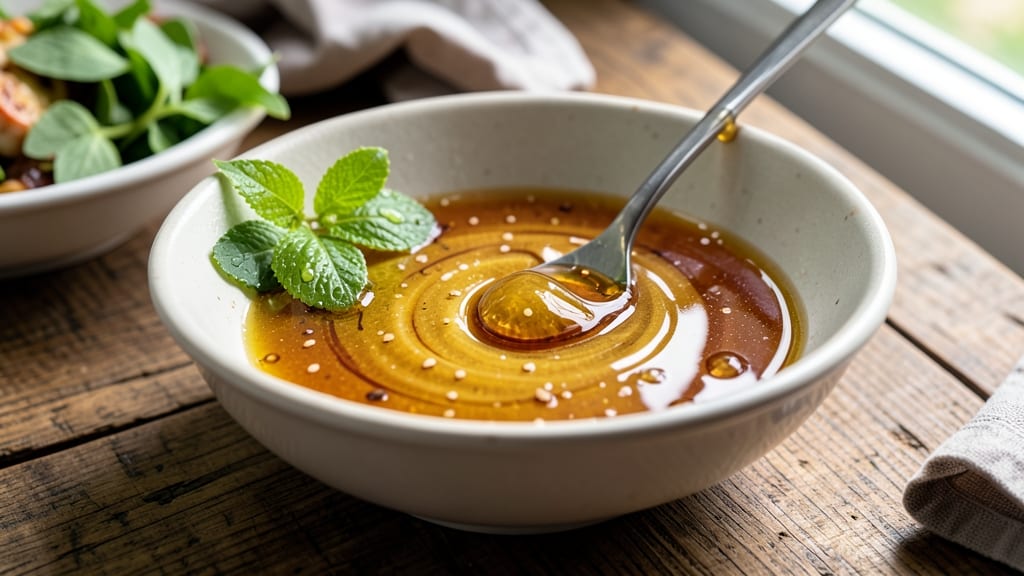
This basic ponzu sauce recipe transforms simple pantry staples into a vibrant, tangy-sweet condiment that elevates seafood, grilled dishes, and dressings. 💛 The secret lies in balancing citrus brightness with umami-rich soy and mirin, creating a sauce that’s as versatile as it is flavorful.
Whether you’re drizzling it over sashimi or tossing it with roasted vegetables, this 10-minute recipe delivers restaurant-quality results without the fuss.
The foundation of ponzu is a trio of ingredients: citrus juice (yuzu or a substitute like yuzu-koshu or a mix of lemon and orange), soy sauce for depth, and mirin for natural sweetness.
Together, they create a sauce that’s tangy, slightly sweet, and packed with umami—perfect for cutting through rich flavors or adding a bright finish to dishes. The beauty of this recipe is its simplicity; no special equipment or techniques are needed, just a whisk and a few minutes of your time.
What sets this ponzu apart is its adaptability. Use it as a dipping sauce for sashimi or grilled shrimp, a marinade for chicken or fish, or even a dressing for salads.
The sauce keeps well in the refrigerator for up to a week, making it a go-to condiment for quick meals and last-minute flavor boosts. With just a handful of ingredients, you’ll have a sauce that’s as impressive as it is easy to make.
The key to success is balancing the flavors—start with equal parts citrus juice and soy sauce, then adjust the mirin to taste. A splash of rice vinegar adds acidity, while optional additions like honey, garlic, or ginger can customize the sauce to your liking.
Once you taste the difference, store-bought ponzu will never compare again.
Ingredients for basic ponzu sauce
Pantry staples meet vibrant citrus for this tangy, umami-packed ponzu sauce you'll crave daily.
| Ingredient | Amount | Notes |
|---|---|---|
| Yuzu Juice 🍋 | ½ cup | Or substitute yuzu-koshu or lemon/orange mix |
| Soy Sauce 🍶 | ½ cup | Use high-quality, preferably Japanese |
| Mirin 🍶 | ¼ cup | Sweet cooking rice wine |
| Rice Vinegar 🍶 | ¼ cup | For added acidity |
| Sesame Oil 🫒 | 1 tbsp | Toasted for aroma |
| Raw Honey 🍯 | 1 tbsp | Or agave for vegan option |
| Fresh Ginger 🧄 | 1 tbsp | Grated, optional for depth |
| Garlic Cloves 🧄 | 1 whole | Minced, optional for umami |
| Diamond Crystal Kosher Salt 🧂 | ½ tsp | Adjust to taste |
The citrus is non-negotiable here—yuzu juice delivers that signature bright zing, but yuzu-koshu or a mix of lemon and orange works in a pinch. For soy sauce, Japanese brands like Kikkoman or Tamari add the deepest umami. Mirin should be the sweet, non-alcoholic kind (check labels—some brands sell both). Trader Joe's carries all three staples, making it a one-stop shop. If you can't find yuzu juice, yuzu-koshu (a paste) is an excellent alternative—just dilute it with water to match the juice consistency. The ginger and garlic are optional but elevate the sauce from good to restaurant-quality.
No mirin? Dry sake mixed with a bit of sugar gets you close. Short on rice vinegar? Apple cider vinegar at half the amount adds tang without overpowering. The sesame oil should be toasted—look for dark sesame oil in the international aisle for maximum aroma. Honey or agave can be swapped freely, but raw honey adds subtle floral notes that agave lacks. For a smoother texture, strain the sauce through a fine-mesh sieve after whisking. If you're feeling adventurous, add a dash of ponzu powder (available at Asian markets) for instant depth.
This sauce keeps beautifully—up to 1 week in an airtight jar in the fridge. The flavors actually improve over time as the citrus brightens and the umami develops. For longer storage, freeze in ice cube trays and transfer to a bag. Thaw overnight in the fridge—no need to defrost at room temperature. Use within 3 months for best quality. A little goes a long way: start with 1 teaspoon per serving and adjust to taste. The sauce pairs perfectly with grilled fish, sashimi, or even as a glaze for roasted vegetables
Why You'll Love This Recipe
- Five-Ingredient Magic: I swear, this sauce comes together with just yuzu juice, soy sauce, mirin, rice vinegar, and a drizzle of sesame oil—no fancy tools, no stress. Honestly, I’ve made it while waiting for pasta to boil, and it still turns out bright and balanced every time.
- Bright Umami Boom: That tangy yuzu cuts through the richness of soy and mirin, while the sesame oil adds this nutty depth that makes it ridiculously good on grilled fish or even drizzled over ramen. Between us, it’s the kind of flavor that makes you reach for the bottle again before the meal’s over.
- Weeknight Superstar: I keep a small jar in the fridge because it’s my go-to for quick marinades, stir-fry finishes, or even a splash in soups. No last-minute shopping—just pull, mix, and elevate whatever’s on the menu. (Yes, even on a Tuesday night.)
- Leftovers That Last: Make a double batch and store it for up to two weeks. The flavors actually deepen over time, and I’ve used it to dress up takeout, glaze roasted veggies, or even deglaze a pan after searing meat. Budget-friendly? Absolutely—just $5 of ingredients stretches into a dozen meals.
Step-by-step instructions for bright citrus-yuzu ponzu
This sauce comes together in minutes with simple technique and bold flavors.
🍳 Step 1: Toast the Aromatics for Depth
Heat a small skillet over medium-low heat and add the 1 whole garlic clove, sliced in half crosswise. Toast for 1-2 minutes until fragrant but not browned—just golden around the edges. Remove immediately and set aside.
In the same skillet, add the 1 tbsp fresh ginger and toast for 30 seconds until the edges start to crisp slightly. This step unlocks their natural oils and aromas, which form the sauce's aromatic foundation. Be careful not to burn them—ginger turns bitter quickly.
🍳 Step 2: Whisk Together the Liquid Base
In a medium bowl, combine the 0.5 cup yuzu juice, 0.5 cup soy sauce, 0.25 cup mirin, and 0.25 cup rice vinegar. Whisk vigorously for 30 seconds until fully blended. The yuzu juice should give the mixture a vibrant yellow color and bright citrus aroma.
Add the toasted garlic and ginger to the bowl along with the 0.5 tsp diamond crystal kosher salt. Whisk again to distribute the aromatics evenly. This is where the sauce's complexity begins—each ingredient plays a distinct role in the flavor profile.
🍳 Step 3: Finish with Oil and Sweetener
Slowly drizzle in the 1 tbsp sesame oil while whisking continuously. The oil should emulsify into the mixture, creating a glossy sheen. Add the 1 tbsp raw honey and whisk until fully incorporated. Taste the sauce at this point—it should be tangy, slightly sweet, and briny with a bright citrus note.
If you find the sauce too sharp, add a pinch more of the honey. If it needs more umami depth, add a splash of soy sauce. The balance should be bright yet savory, with a subtle sweetness that rounds out the acidity.
⏰ Step 4: Rest and Adjust for Perfect Balance
Let the sauce sit at room temperature for 5 minutes. This resting period allows the flavors to meld together. Give it a final taste and adjust the seasoning if needed—this is where ponzu truly comes together.
For a smoother texture, strain through a fine-mesh sieve. For a more rustic version with visible aromatics, leave it as is. The sauce should coat the back of a spoon with a silky consistency. Store in an airtight container in the refrigerator for up to 1 week—it only gets better with time.
Pro Tips For Making Basic Ponzu Sauce
- STRAIN IT RIGHT: Don’t just pour the sauce through a fine-mesh strainer—press the pulp with a spoon to extract every last drop of yuzu juice. I learned this the hard way when I skipped it, and my first batch tasted thin and underwhelming. The citrus oils and pulp left behind make a real difference in flavor.
- DILUTE THE SOY: Add soy sauce gradually, tasting as you go—it’s easy to overdo it. Start with half the recommended amount, then adjust. I once ruined a batch by dumping all the soy in at once, and the sauce tasted flat and one-note. Balance is everything here.
- CHILL BEFORE USING: Let the ponzu sit in the fridge for at least 30 minutes before drizzling it over food. The flavors meld better when cold, and the acidity mellows out just enough to avoid biting your guests. I know, I know—you’re eager to eat—but trust the process.
- SWAP MIRIN WISELY: If you’re fresh out of mirin, a 1:1 mix of dry white wine and sugar works in a pinch—but reduce the rice vinegar by half to keep the sauce from getting too sweet. I’ve tried this shortcut twice, and it actually holds up surprisingly well. Just don’t skip the sesame oil; that’s non-negotiable.
Health benefits of this dish
Citrus Vitamin Boost
Ponzu sauce delivers a vitamin C punch from its citrus base—yuzu, lemon, or orange juice—packed with antioxidants that support your immune system. A ¼ cup serving provides about 30% of your daily vitamin C, helping fight free radicals while adding vibrant flavor.
The tangy brightness also aids digestion and may reduce inflammation. 💛
Umami-Rich Soy Benefits
The soy sauce in ponzu contributes isoflavones, plant compounds linked to heart health and bone strength. Japanese soy sauce like Kikkoman contains fermented soybeans, which are easier to digest than raw soy and provide complete protein (all 9 essential amino acids).
This makes ponzu a surprisingly nutritious condiment for seafood dishes.
Probiotic Potential
Traditional Japanese ponzu often includes fermented elements like mirin or aged soy sauce, which may introduce beneficial probiotics. While not as potent as kimchi or miso, the fermentation process enhances gut-friendly bacteria.
For extra probiotic power, add a dash of unpasteurized rice vinegar (available at specialty stores) to your homemade version.
Blood Sugar Balance
The mirin in ponzu provides natural sweetness without spiking blood sugar like refined sugar. A ¼ cup serving contains just 12 grams of carbohydrates, with 1 gram of fiber from optional ginger.
The honey or agave adds minimal sweetness while supporting stable energy levels—ideal for post-meal flavor without the crash.
Anti-Inflammatory Ginger
Fresh ginger in ponzu delivers gingerol, a compound with powerful anti-inflammatory properties. 1 tablespoon of grated ginger provides about 10% of your daily magnesium, which helps regulate muscle and nerve function.
The ginger's heat also aids digestion, making ponzu a great pairing for rich, fatty seafood dishes that might otherwise weigh you down.
Heart-Healthy Sesame Oil
The toasted sesame oil in ponzu contains polyunsaturated fats, including omega-6 fatty acids that support heart health when consumed in balance. Just 1 tablespoon provides 140 calories and 14 grams of healthy fats.
The dark sesame oil variety used here is richer in antioxidants than light oil, giving your sauce both flavor and functional benefits.
Nutrition facts
Frequently asked questions
Can I make ponzu sauce without yuzu juice?
If you can't find yuzu juice, use a mix of ¼ cup lemon juice and ¼ cup orange juice for a similar bright citrus flavor. For deeper complexity, try yuzu-koshu paste (diluted with water) or even sudachi juice if available. The key is balancing the acidity—start with equal parts citrus and soy sauce, then adjust to taste.
How long should I let the ponzu sauce sit before using it?
Give it at least 5 minutes to rest after whisking—this lets the flavors meld together beautifully. For best results, wait 30 minutes to 1 hour before using, especially if you're serving it with delicate dishes like sashimi. The longer it sits, the more balanced and harmonious the flavors become.
What’s the best way to store leftover ponzu sauce?
Transfer the sauce to an airtight container and store it in the fridge for up to 1 week. The flavors actually improve over time! For longer storage, freeze it in ice cube trays, then transfer to a freezer bag. Thaw overnight in the fridge—never at room temperature—to preserve its vibrant color and freshness.
Can I use ponzu sauce as a marinade?
Yes! Ponzu makes an excellent marinade for fish, chicken, or tofu. Use it undiluted for 10-15 minutes (for delicate proteins like seafood) or up to 2 hours for heartier meats. The citrus brightens the dish while the soy sauce adds umami depth. Just pat the protein dry before cooking to ensure a good sear.
Why does my ponzu taste too salty?
If your ponzu is too salty, balance it by adding 1-2 teaspoons of honey or mirin to sweeten and dilute the saltiness. You can also thin it slightly with 1 teaspoon of water or rice vinegar to mellow the flavor. Taste as you go—small adjustments make all the difference!