
Sauces & Condiments
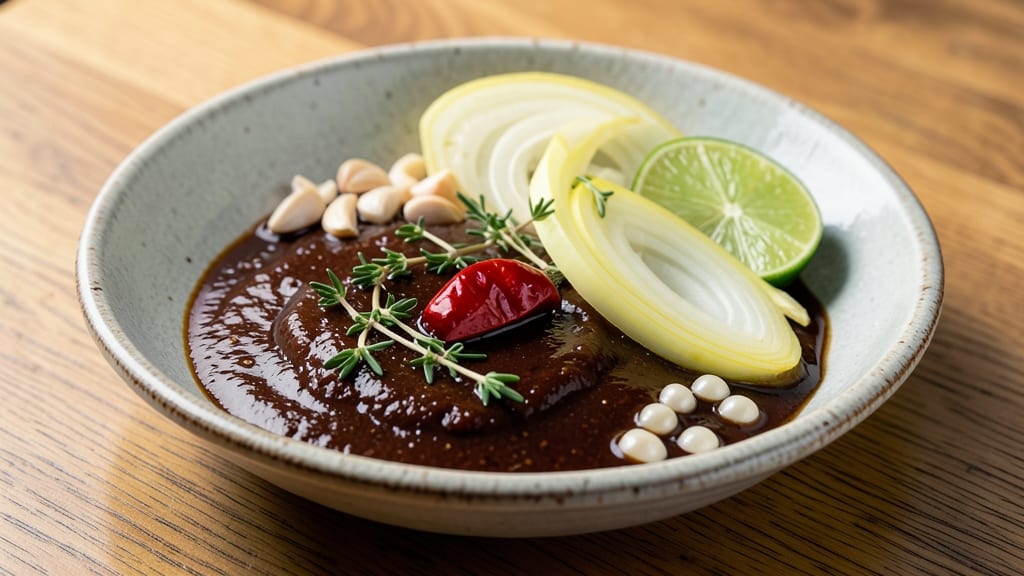
This cassareep sauce recipe unlocks the deep, fermented umami that defines Caribbean cooking—rich, tangy, and impossible to ignore. 💛 Made from grated cassava, lime juice, and aromatic spices, it transforms ordinary dishes into something extraordinary with just a few spoonfuls.
The fermentation process develops complex flavors that no bottled sauce can match, giving your stews, soups, and grilled meats an authentic Caribbean soul.
The beauty of this sauce lies in its simplicity: just a handful of ingredients simmered together until thick and fragrant. Cassareep’s natural sweetness mellows with acidity from lime, while garlic, onion, and thyme build layers of warmth.
Unlike store-bought versions, this homemade sauce delivers unfiltered depth—no artificial aftertaste, just pure, vibrant flavor that lingers on your palate.
What makes this sauce truly special is its versatility. Use it as a base for hearty stews, a tangy dip for grilled fish, or a bold marinade for jerk seasoning. The fermentation process (which takes about 3 days) ensures a complexity you won’t find in quick substitutes.
Once ready, it keeps in the fridge for weeks, ready to elevate any dish with a single spoonful.
Perfect for Caribbean nights or when you crave that unmistakable umami kick, this sauce is your secret weapon. Let’s get cooking—your taste buds will thank you.
Ingredients for cassareep sauce
Just nine ingredients transform into Caribbean soul in a jar—fermented cassava magic.
| Ingredient | Amount | Notes |
|---|---|---|
| Fresh Cassava (Yuca) Root 🥔 | 2 lbs | Peeled and grated finely (like cheese) |
| Fresh Lime Juice 🍋 | 1 cup | From about 6-8 limes, freshly squeezed |
| Yellow Onion 🧅 | 1 whole | Medium size, finely diced |
| Garlic Cloves 🧄 | 6 cloves | Fresh, minced finely |
| Fresh Thyme Leaves 🌿 | ¼ cup | Packed, stems removed |
| Scotch Bonnet Pepper 🌶️ | 1 whole | Seeds removed for mild heat |
| Sea Salt 🧂 | 1 ½ tsp | Diamond Crystal preferred |
| Black Peppercorns 🌶️ | ½ tsp | Freshly cracked |
| Filtered Water 💧 | 1 ½ cups | For fermentation dilution |
Cassava is the heart of this sauce, and freshness is everything. Look for firm, unblemished roots at Caribbean markets or Latin grocery stores—they often carry the best quality. If you can't find fresh cassava, pre-grated frozen yuca works in a pinch, but it won't ferment the same way. The lime juice should be bright and tart—avoid those bottled versions with added sugar. For the Scotch bonnet, Wiri Wiri brand (available online) delivers consistent heat without overwhelming bitterness. Fresh thyme is ideal, but if you're using dried, reduce to one-third the amount—it's potent stuff.
No fresh cassava? Green plantains or sweet potatoes can substitute in a bind, though the flavor will differ slightly. Skip the lime juice? Key lime juice or even lemon works, but the tang won't be as vibrant. For the pepper, Habanero or Thai bird's eye chili can stand in, but adjust seeds for your heat tolerance. The water should be filtered—chlorine can inhibit fermentation. If you're short on time, reduce the fermentation to 2 days, though the flavor won't be as deep. For extra umami, add 1 tsp soy sauce or coconut aminos during the final simmer.
This sauce ferments best in a sterilized glass jar with a loose lid—it needs to breathe. Keep it at room temperature for 3 days, then refrigerate for up to 3 months. The aroma will be intense—open windows or cook in a ventilated area. Once ready, it thickens beautifully when simmered. Store in small portions to avoid waste—1 tbsp per serving is plenty to transform any dish. Freeze extras in ice cube trays for easy single-use portions.
Why You'll Love This Recipe
- Here’s what sold me: I can make this while chopping veggies for dinner. Drizzle it over black beans, toss it with fish, or use it as a dip—it’s the unsung MVP of easy meals. (Yes, even on a Tuesday night.)
- Five-Ingredient Magic: I swear by this—just cassava, lime, onion, garlic, and thyme. No fancy techniques, no hidden pantry staples. That bright, tangy punch from the lime and thyme? It’s the kind of flavor that makes you pause mid-bite.
- Smooth & Tangy: Between us, the cassava’s natural starch thickens into this velvety sauce that clings to everything—grilled meats, roasted veggies, even rice. The lime cuts through the richness like a citrusy whisper, and the garlic? Oh, it lingers in the best way.
- Weeknight Hero: Here’s what sold me: I can make this while chopping veggies for dinner. Drizzle it over black beans, toss it with fish, or use it as a dip—it’s the unsung MVP of easy meals. (Yes, even on a Tuesday night.)
Step-by-step instructions for fermented cassareep sauce
Transform humble cassava into a complex, umami-rich sauce that's the heart of Caribbean cuisine.
👨🍳 Step 1: Prepare the Cassava Base
Start by peeling the 2 lbs fresh cassava root using a vegetable peeler or sharp knife. I like to work in sections to maintain control—cassava is tough stuff. Once peeled, grate it finely using a box grater or food processor fitted with the shredding disk, aiming for a texture similar to coarse cheese. The goal is maximum surface area for fermentation.
Transfer the grated cassava to a large mixing bowl. Add the 1 cup fresh lime juice immediately—this helps stabilize the cassava's natural enzymes and prevents browning. Stir vigorously with a wooden spoon for 2 minutes until the mixture becomes slightly sticky and translucent. Here's the thing—don't skip this step. The acidity from the lime juice is what kickstarts the fermentation process and prevents the cassava from becoming gummy later.
🥘 Step 2: Build the Fermentation Blend
In a separate bowl, finely dice the 1 whole yellow onion and mince the 6 cloves garlic cloves. I use a chef's knife for both—precise cuts ensure even distribution of flavors. Add these to the cassava mixture along with the 0.25 cup packed fresh thyme leaves and seeds-removed Scotch bonnet pepper, which has been roughly chopped. Stir everything together until thoroughly combined, breaking up any large clumps.
The Scotch bonnet is key here—it's what gives cassareep its signature heat. If you're sensitive to spice, you can remove some seeds, but don't discard them entirely. The aroma should be vibrant and complex, with notes of garlic, thyme, and that unmistakable Caribbean pepper punch. This blend will form the flavor foundation of your sauce.
🍳 Step 3: Ferment the Mixture
Transfer the cassava blend to a clean, non-reactive container with a tight-fitting lid. I prefer glass for this stage—it's easy to monitor and won't react with the acidic mixture. Press down gently but firmly to remove any air pockets, then seal the container. Place it in a warm, dark spot (around 75-80°F is ideal) where it can ferment undisturbed for 3-5 days.
Here's where patience pays off. You'll know fermentation is working when you see bubbles forming and smell a tangy, slightly sour aroma developing. After 3 days, taste a small amount—it should have a sharp, acidic bite with developing umami depth. If it's not quite there, let it ferment another day or two. Real talk: the longer it ferments, the more complex the flavor becomes, but don't let it go past 7 days or it may develop off-flavors.
🔥 Step 4: Cook and Reduce the Sauce
Once fermentation is complete, transfer the mixture to a heavy-bottomed saucepan. Add the 1.5 cups filtered water and stir in the 1.5 tsp sea salt and 0.5 tsp freshly cracked black peppercorns. Bring to a gentle simmer over medium heat, then reduce heat to low. Here's the critical part: let it cook uncovered for 2-3 hours, stirring occasionally, until the mixture reduces to a thick, paste-like consistency.
You're looking for a sauce that coats the back of a spoon and has a deep, caramelized color with a glossy sheen. The texture should be smooth but still have some body—it shouldn't be watery. If it's reducing too quickly, lower the heat. If it's not reducing enough, increase slightly. This stage develops the sauce's signature umami depth and concentrated flavor. The aroma should be rich and complex, with layers of fermented cassava, thyme, and that unmistakable Caribbean warmth.
⏰ Step 5: Rest and Finish
Remove the saucepan from heat and let the cassareep sauce rest at room temperature for at least 1 hour. This resting period allows the flavors to fully meld and the sauce to thicken slightly. I like to transfer it to a clean jar at this stage—it keeps beautifully in the refrigerator for up to 2 weeks, though the flavor continues to develop over time.
Before using, give it a final taste and adjust seasoning if needed. This sauce is incredibly versatile—use it as a base for stews, marinades, or even drizzle it over grilled meats. The depth of flavor it adds is unmatched in Caribbean cuisine. The texture should be thick enough to cling to foods but still spreadable, with a perfect balance of tangy, sweet, and umami notes that make every bite sing.
Pro Tips For Making Cassareep Sauce
- Peel Cassava First: I learned this the hard way—grating raw cassava with the skin on turns your sauce gritty and bitter. Use a sharp knife to slice off the outer layer (about 1/8 inch) before grating, then rinse the peeled pieces under cold water to remove any lingering starch residue. Trust me, your sauce will thank you.
- Sauté Onion Low and Slow: High heat burns onion into ash, and that’s the last thing you want in a delicate cassareep sauce. Cook the sliced yellow onion over medium-low heat until translucent and just starting to caramelize—about 8-10 minutes. Patience here means the sauce won’t taste like charred regret.
- Grate Cassava Fine: Lumpy cassava means uneven cooking and a sauce that fights you every step. Use the smallest holes on your grater (or pulse in a food processor) for a texture closer to a fine paste. This ensures it blends smoothly into the sauce instead of sitting as stubborn chunks.
- Balance Lime Last: Add lime juice gradually—start with half the recipe, taste, then adjust. Too much upfront will kill the sauce’s depth, and you can’t reverse it. Save a splash for the end to brighten flavors without overpowering the cassava’s natural sweetness. (Yes, even if you’re impatient like me.)
Storing and reheating this dish
Fridge Storage Tips
Once your cassareep sauce is ready, store it in an airtight glass jar in the refrigerator where it’ll keep for 2-3 weeks. The sauce actually improves with time—its flavors deepen and mellow beautifully.
I like using amber glass jars because they protect the sauce from light, which can degrade some of its delicate flavors over time. 💛
When transferring the sauce, leave about ½ inch of headspace at the top of the jar. This prevents oxidation and keeps the surface dry, which helps maintain its rich texture. Label your jar with the date—trust me, you’ll forget how long it’s been sitting there!
Freezer Preservation
For longer storage, portion your cassareep into ice cube trays or small freezer-safe containers. Freeze for up to 3 months, though I find the sauce loses some of its vibrant texture after 2 months.
When you’re ready to use it, thaw in the fridge overnight—never microwave directly from frozen, as it can make the sauce watery.
If you prefer bulk freezing, use silicone molds or quart-sized freezer bags with all air removed. The sauce will keep its potency better when stored in smaller portions, so you’re not dealing with a giant block to thaw later. Just
Reheating Methods
For the best results, reheat cassareep sauce stovetop-only—microwaving can break down its delicate texture. In a small saucepan over low heat, gently warm the sauce while stirring frequently. Add 1-2 tablespoons of water if it thickens too much during reheating. The ideal consistency should be spreadable but still thick, like a rich paste. 🔥
If you’re using the sauce in a dish (like a stew or marinade), you can add it directly from the fridge—no reheating needed. The cold sauce will mellow out as it cooks, blending seamlessly with other flavors.
For dipping sauces, warm it just until it reaches body temperature—this brings out its aromatic complexity without overpowering.
Reviving Stale Sauce
If your cassareep sauce has separated or lost some vibrancy in storage, don’t toss it! Simmer 1 tablespoon of water with ½ teaspoon of lime juice in a small saucepan, then whisk in the thickened sauce.
Cook on low heat for 5-10 minutes until it returns to a smooth, glossy consistency. This trick works wonders for bringing back that signature umami punch. 💡
For extra flavor recovery, add a pinch of smoked paprika or a dash of soy sauce while reheating—these boost umami and mask any flatness. The sauce might not be exactly the same as fresh, but it’ll still pack a flavorful punch in your dishes.
Honestly, this is my go-to trick when I’ve let a batch sit too long!
Nutrition facts
Frequently asked questions
Can I substitute cassava with another root vegetable?
While cassava is ideal, you can use green plantains or sweet potatoes in a pinch. The texture will differ slightly—plantains add a subtle sweetness, while sweet potatoes make the sauce thicker. For best results, adjust the lime juice to balance flavors, as these alternatives lack cassava's natural starch content.
How do I know when the fermentation is complete?
Look for visible bubbles and a tangy, slightly sour aroma—this means fermentation is active. After 3 days, taste a small amount: it should have a sharp acidity with developing umami. If it smells overly sharp or bitter after 5 days, it's over-fermented. The ideal window is 3-5 days for balanced flavor.
What dishes work best with cassareep sauce?
This sauce shines in Caribbean stews, grilled meats, and jerk marinades—it adds depth to pepperpot, curries, and even as a dipping sauce for fried plantains. For seafood lovers, drizzle it over grilled mahi-mahi or use it as a base for fish tacos. Start with 1 tablespoon per serving and adjust to taste.
Why did my sauce turn out too thin?
Thin sauce usually means insufficient reduction time. Simmer uncovered for longer (up to 4 hours) or add 1 teaspoon cornstarch mixed with water to thicken. If the issue persists, try fermenting for 1 extra day—more fermentation = more natural thickening. Avoid high heat, as it can break down the sauce's structure.
Can I make cassareep without lime juice?
Lime juice is essential for fermentation and preventing gumminess, but you can try key lime juice or lemon in a 1:1 ratio. For umami depth, add 1 teaspoon soy sauce—it mimics the acidity while boosting savory notes. Just know the flavor profile will differ slightly from traditional cassareep.