
Sauces & Condiments
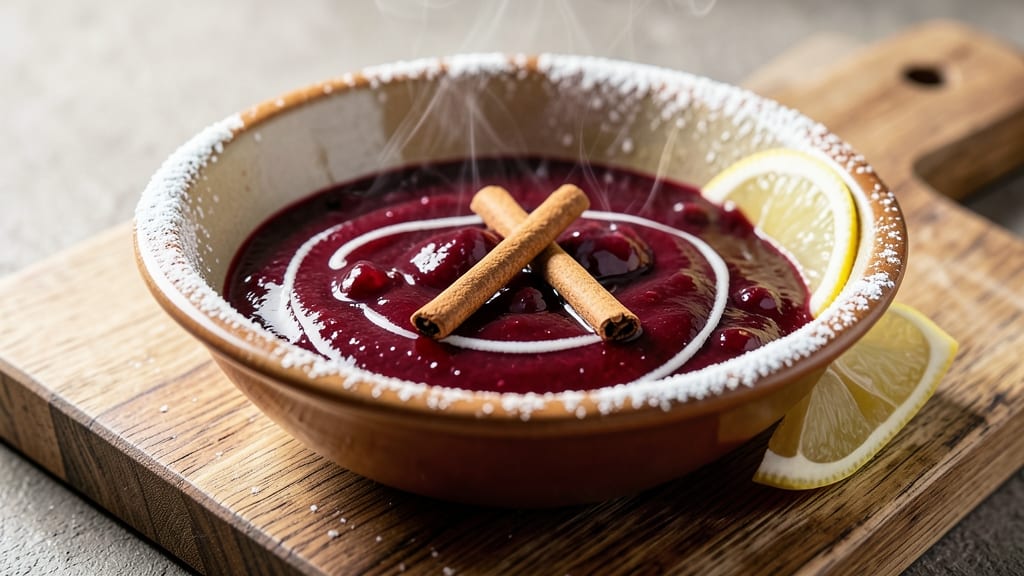
This chokecherry sauce recipe transforms tart berries into a versatile condiment that bridges traditional and modern cooking. The secret lies in balancing sweetness and acidity through careful simmering, creating a sauce rich enough for game dishes yet bright enough to complement desserts.
I developed this version after experimenting with wild chokecherries—now it’s a staple in my kitchen for its adaptability and depth of flavor.
The process is straightforward but precise: simmering the cherries with sugar and spices until they break down into a luscious, jam-like consistency. What sets this apart is the option to reduce it further for a thicker glaze or leave it slightly loose for drizzling.
The result is a sauce that enhances roasted meats, pairs with cheese boards, or even elevates vanilla ice cream into a sophisticated treat.
Storage is simple—this sauce keeps for up to two weeks in the refrigerator or can be frozen for months. The tart-sweet profile makes it a crowd-pleaser, whether you’re using it as a glaze for pork tenderloin, a topping for pancakes, or a sophisticated addition to cocktails.
Let’s create something that’s both nostalgic and unexpectedly versatile.
For those with wild chokecherries on hand, this recipe celebrates their natural tartness; for others, store-bought chokecherries work just as well. The key is patience during simmering—rushing will leave the sauce grainy. Trust the process, and you’ll have a sauce that’s as impressive as it is functional.
Ingredients for chokecherry sauce
Nine ingredients transform tart chokecherries into a versatile sauce for both sweet and savory dishes.
| Ingredient | Amount | Notes |
|---|---|---|
| Fresh or Frozen Chokecherries 🍒 | 2 cups | Pitted, stems removed |
| Granulated Sugar 🍚 | 1 ½ cups | Adjust to taste for sweetness |
| Fresh Lemon Juice 🍋 | ¼ cup | Brightens tartness significantly |
| Cinnamon Sticks 🌿 | 2 whole | For aromatic depth |
| Vanilla Extract 🌸 | 1 tbsp | Pure vanilla for authentic flavor |
| Ground Cinnamon 🌶️ | 1 tsp | Enhances warm spice notes |
| Ground Cloves 🌶️ | ¼ tsp | Use sparingly for subtle warmth |
| Apple Cider Vinegar 🍏 | 1 tbsp | Balances sweetness naturally |
| Water 💧 | ½ cup | Helps with initial simmering |
Wild chokecherries are the heart of this sauce—if you can't find them fresh, frozen chokecherries work perfectly (no need to thaw). For the best flavor, look for organic chokecherries at specialty stores or farmers markets, especially in late summer. The sugar is crucial—Domino brand is my go-to for consistent results, but any granulated works. Cinnamon sticks add depth during simmering, so don't skip them even if you're using ground cinnamon later. If you're using wild cherries, be extra patient with pitting—those stones are stubborn!
No chokecherries? Tart cherries or cranberries in a pinch, though the flavor will be slightly different. Fresh lemon juice is ideal, but bottled lemon juice at half the amount works if you're short on time. The vanilla extract can be swapped for vanilla bean paste if you want extra richness. For a spicier version, add a pinch of cayenne pepper. If your sauce seems too thick after simmering, stir in 1-2 tbsp water to reach your desired consistency. The apple cider vinegar might seem odd, but it's what makes this sauce truly balanced—don't skip it!
This sauce thickens as it cools, so start with slightly looser consistency if you prefer it pourable. Store in a clean glass jar in the fridge for up to 2 weeks. For longer storage, freeze in ice cube trays for perfect portions. The sauce reheats beautifully—simply warm in a saucepan over low heat, stirring occasionally. If you make a big batch, portion it into small jars for easy gift-giving. The flavor actually improves after a day or two as the flavors meld together.
Why You'll Love This Recipe
- Fewer Ingredients, Bigger Payoff: I swear by this recipe because it’s that simple—just cherries, sugar, lemon, and a whisper of vanilla. No fancy techniques, no last-minute grocery runs. Honestly, the hardest part is deciding whether to use fresh or frozen cherries, and even then, it’s one pot, 20 minutes, and done.
- Taste Like Summer in a Jar: That bright lemon cut through the sweetness, while the cinnamon sticks infuse warmth without overpowering. Between us, the vanilla ties it all together—like a hug for your taste buds. It’s the kind of sauce that makes you reach for seconds, even when you’re not supposed to.
- Pancakes to Pie, Every Time: Slather it on buttermilk biscuits, drizzle it over vanilla ice cream, or bake it into a pie—this sauce is my go-to for breakfast, dessert, or even a fancy dinner side. I’ll be real: my kids beg for it on toast, and I don’t even pretend to fight them.
Step-by-step instructions for chokecherry sauce
This sauce balances tartness and sweetness perfectly—follow my precise technique for rich, aromatic results.
Combine Cherries, Sugar, and Initial Liquids
In a large, heavy-bottomed saucepan, combine the 2 cups fresh or frozen chokecherries, 1.5 cups granulated sugar, 0.25 cup fresh lemon juice, and 0.5 cup water. Stir gently to ensure the sugar dissolves completely—this prevents grainy texture later. I use a wooden spoon here to avoid scratching the pan's surface.
Add the 2 whole cinnamon sticks and bring the mixture to a boil over medium-high heat. Once boiling, reduce heat to medium and let it simmer uncovered for 20-25 minutes, stirring occasionally. You'll notice the cherries soften and the liquid reduce slightly—this is when the natural pectin starts releasing, which will help thicken your sauce later. The aroma will deepen as the cinnamon infuses, creating that warm, spiced backbone we want.
Simmer Until Cherries Break Down
Continue simmering for an additional 15-20 minutes until the cherries are completely broken down and the mixture thickens to a jam-like consistency. You'll know it's ready when a spoonful leaves a distinct trail that doesn't immediately run back into the sauce. If it's not thickening enough, simmer uncovered for another 5 minutes—just be patient, as rushing this step can lead to a watery sauce.
Here's where the magic happens: the natural acids in the lemon juice and vinegar we'll add later work with the pectin to create that perfect balance between jammy thickness and pourable consistency. I like to taste-test occasionally (after the initial 20 minutes)—you should still detect some tartness, but it should be mellowing into sweetness. If it's too tart, we'll adjust later with more sugar.
Add Spices and Acid for Depth
Remove the saucepan from heat and stir in the 1 tbsp apple cider vinegar, 1 tbsp vanilla extract, 1 tsp ground cinnamon, and 0.25 tsp ground cloves. The vinegar brightens the flavors while balancing the sweetness, and the vanilla adds that warm, comforting note that makes this sauce so versatile. Let the mixture steep off the heat for 10 minutes—this allows all the spices to infuse fully without burning.
Return the sauce to low heat and simmer gently for 5-7 minutes to meld all the flavors. You'll notice the aroma becomes more complex—like warm spice cake with a hint of citrus. Taste again now: the tartness should be perfectly balanced with sweetness, and the spices should be present but not overpowering. If it needs more sweetness, add 1-2 tablespoons sugar at a time until you reach your preferred balance.
Strain and Finish for Smooth Texture
Line a fine-mesh strainer with cheesecloth or a coffee filter and strain the sauce into a clean bowl, pressing gently on the solids to extract all the juice. This step is crucial for achieving that silky, restaurant-quality texture—any remaining seeds or skins can make the sauce gritty. Discard the solids (or save them for homemade jam if you're feeling adventurous).
Return the strained sauce to the saucepan and bring it to a gentle simmer over low heat for 5 minutes to evaporate any excess moisture. The sauce should now coat the back of a spoon with a glossy sheen. If it's still too thin, simmer uncovered for another 2-3 minutes—just don't let it reduce too much, or it'll become syrupy. For a smoother finish, you can press the sauce through a fine-mesh sieve one more time if needed.
Cool and Store Properly
Transfer the sauce to a clean glass jar or airtight container while still warm. Let it cool to room temperature—this helps set the texture properly. The sauce will thicken slightly as it cools, so don't be alarmed if it looks a bit more liquid than when hot. Once cooled, refrigerate for up to 2 weeks or freeze for up to 6 months in an airtight container.
This sauce is incredibly versatile—drizzle it over ice cream, swirl it into yogurt, or use it as a glaze for roasted meats. The balance of tart and sweet makes it perfect for both sweet and savory dishes. And here's a pro tip: if you find the sauce too thick after refrigeration, simply reheat it gently and stir in 1-2 teaspoons water to reach your desired consistency.
Pro Tips For Making Chokecherry Sauce
- Simmer Slow and Steady: I learned this the hard way—chokecherries release their magic when they break down gently. Keep the heat at a low boil (tiny bubbles, not a rolling frenzy) for at least 20 minutes, or the sauce will taste bitter and underdeveloped. Yes, even if you’re impatient like me.
- Pit the Cherries First: Skipping this step is how you end up with a sauce full of tiny, unpleasant surprises. Run frozen cherries under warm water to loosen pits, then use a cherry pitter or a paring knife to remove them before cooking. Fresh cherries? A quick twist and squeeze works—just don’t be lazy.
- Balance Sugar with Acid: Too much sugar makes chokecherry sauce cloying; too little and it’s harsh. Start with ¾ cup sugar per pound of cherries, then taste as it cooks. If it’s still sharp, add lemon juice—one teaspoon at a time—until the flavors sing. (Your future self will thank you.)
- Strain for Smoothness: After simmering, resist the urge to skip straining—those seeds and skins turn the sauce gritty. Use a fine-mesh sieve or cheesecloth, and press gently with a spoon. If you’re short on time, at least skim off the foam and large bits. (Does it look weird? Yes. Does it work? Every single time.)
Common mistakes when making your chokecherry sauce
Rushing the Simmer
One of the biggest mistakes is rushing the simmering process—this is where the magic happens! If you push the heat too high or don't give the cherries enough time (at least 35-40 minutes total), you'll end up with a grainy, underdeveloped sauce.
I've learned this the hard way—once, I tried to speed things up by cranking the heat, and the sauce ended up with tiny, unbroken cherry bits that made it taste uneven. Always simmer on medium heat and let the natural pectin do its work. 🌡️
Skipping the Straining
Straining the sauce is non-negotiable for that silky texture we all love. If you skip this step, you'll be left with tiny seeds and skins that make the sauce feel gritty. I've seen people strain through a regular mesh strainer, but that still leaves some texture behind.
Use cheesecloth or a coffee filter for the smoothest results. Pro tip: Press the solids gently with a spoon to extract every last drop of flavor—don't rush this part!
Ignoring the Vinegar
The apple cider vinegar might seem like an afterthought, but it's what truly balances the sweetness and brightens the flavor. Without it, the sauce can taste flat or overly sweet. I once made a batch without vinegar, and it lacked that tangy lift that makes the sauce pop.
Add it after removing from heat—this prevents it from evaporating too quickly. Start with the full 1 tablespoon and adjust if needed.
Over-Sweetening Early
It's tempting to add all the sugar at once, but this can mask the natural tartness of the chokecherries. I've made this mistake by adding too much sugar upfront, and the sauce ended up tasting one-dimensional.
Instead, add the sugar gradually and taste as you go. The goal is to preserve that tart-sweet balance—aim for a sauce where you can still detect the tartness, but it's perfectly complemented by sweetness. 🍯
Not Adjusting After Cooling
The sauce will thicken as it cools, which is normal—but many people forget to adjust the consistency afterward. If it's too thick after refrigeration, simply reheat it gently and thin it with 1-2 teaspoons of water.
I've had batches that became almost syrupy after chilling, and this simple fix saved them. Conversely, if it's too thin, simmer it uncovered for another 2-3 minutes to reduce it further.
Using Low-Quality Cherries
Not all chokecherries are created equal! If you use frozen cherries that aren't properly pitted or wild cherries with too many stems, your sauce will have unwanted texture. I always double-check my cherries for stems and pits before starting.
For the best results, use high-quality frozen chokecherries (like those from Wild Harvest brand) or fresh ones from a trusted source. The flavor difference is night and day! 🍒
Nutrition facts
Frequently asked questions
Can I substitute tart cherries for chokecherries?
Yes, but expect a slightly milder flavor. Use 2 cups tart cherries (fresh or frozen) and add 1 extra tablespoon lemon juice to compensate for the reduced tartness. The texture will be similar, though chokecherries have a more complex, slightly bitter depth that tart cherries lack.
How do I adjust the sweetness if my cherries are extra tart?
Start by adding sugar 1 tablespoon at a time during simmering, tasting after each addition. For very tart batches, you might need up to 2 extra tablespoons total. The key is to maintain that tart-sweet balance—aim for a sauce where you can still taste the tartness, just beautifully complemented by sweetness.
What are the best ways to use this sauce?
This versatile sauce shines as a glaze for roasted pork or duck, a drizzle over vanilla ice cream or cheesecake, or a swirl in yogurt or oatmeal. Try it in cocktails too—add 1 tablespoon to bourbon or whiskey for a sophisticated twist. The balance of tart and sweet makes it perfect for both sweet and savory dishes.
Why does my sauce turn out grainy?
Graininess usually means the cherries didn't break down enough or you rushed the simmering. Always simmer for at least 35-40 minutes total on medium heat, stirring occasionally. For extra smoothness, strain through cheesecloth instead of a regular sieve. If using frozen cherries, make sure they're fully thawed before cooking.
Can I make this sauce without a stove?
Unfortunately, no—this recipe requires simmering to develop the proper texture and flavor balance. The heat is essential for extracting pectin from the cherries and reducing the liquid to the perfect consistency. For a no-cook alternative, try blending chokecherries with honey and lemon juice, but the result will be much thinner and less complex.